DbcultAccessing Vault...
Cult Review
Senior Film Conservator
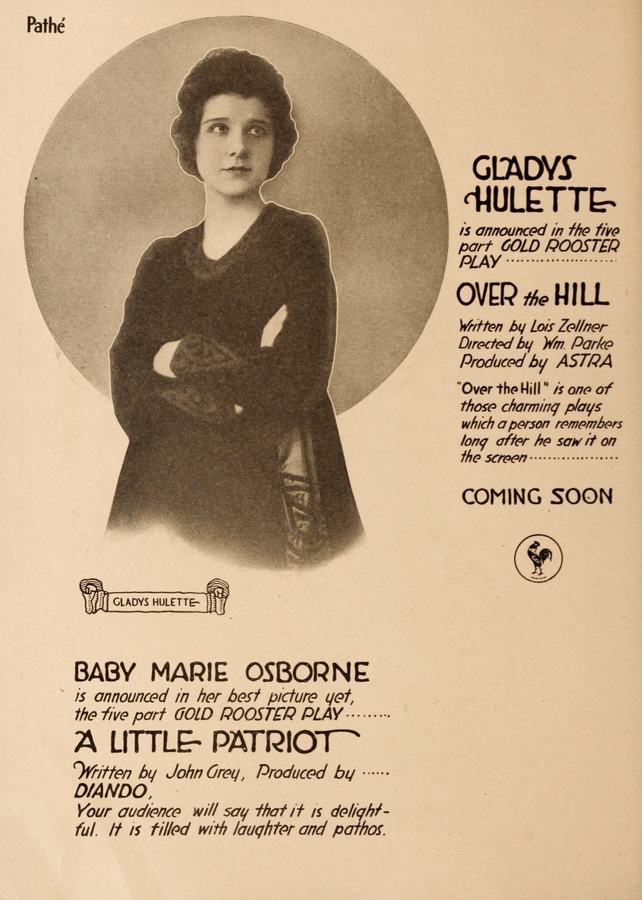
Picture, if you can, a frontier town that never quite graduated to cityhood—Columbia—where the sidewalks still creak like old confessionals and every headline smells of kerosene. Into this tinderbox Lois Zellner’s screenplay drops two antipodal pilgrims: an aging shepherd of souls bereft of flock, and a platinum-spoon dilettante who confuses reportage with target practice. Between their trajectories lies the moral filament of Over the Hill, a 1920 one-reel marvel that somehow squeezes more ethical quandaries into fifty-seven minutes than most prestige miniseries manage today.
William Parke Jr. directs with a taste for chiaroscuro that makes newsrooms feel like cathedrals of smoke. Printing presses throb with the carnal urgency of steam engines—every cylinder a heartbeat, every inky roller a potential lie. When Jim Barnes (Chester Barnett) slaps a murder-scare headline onto page one, the camera tilts ever so slightly, as though the world itself were sliding off its ethical axis. The film’s genius is that it never vilifies sensation outright; instead it shows how the same ink that alerts the public can also cauterize compassion.
Gladys Hulette gives Esther a porcelain resilience; watch her eyes calcify from wonder to wariness the instant she learns that truth is negotiable here. Her costuming charts the attrition: the opening wide-brimmed innocence replaced by a frayed coat the color of dishwater, until the final reel where she stands before the furnace of her own making, silhouette haloed by newsprint embers—an accidental Joan of Arc protecting strangers from calumny.
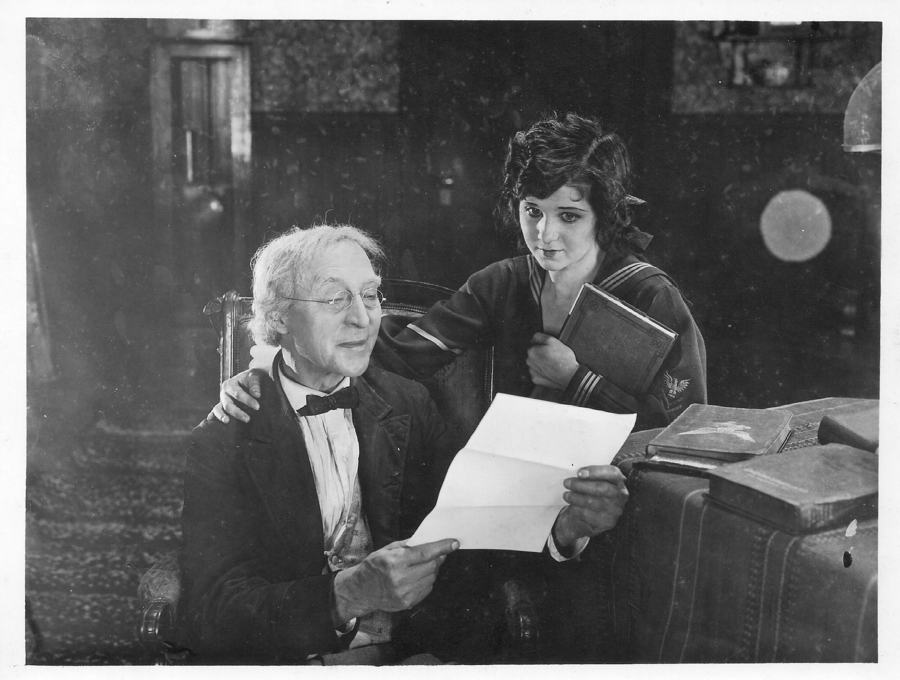
Paul Clerget’s Allan Stone carries the weary gait of a man who once believed numbers could civilize barbarians. His showdowns with Roy Winthrop crackle with class tension; you half expect the film stock itself to blister. When Allan finally pockets his hard-won shares, the triumph feels hollow—he has purchased equity in a machine he no longer fully trusts, a dilemma startup bros still tweet about at 2 a.m.
Billy Sullivan’s Roy is every influencer who ever confused visibility with value. Watch him swan into the newsroom sporting a boater tilted at the angle of self-congratulation, dicturing copy that weaponizes rumor. His comeuppance—banishment back under paternal surveillance—lands harder than a prison sentence; it is existential house-arrest.
Lois Zellner, unsung scenarist, structures the narrative like a ledger: every act of exploitation tallied against a later reckoning. The pneumonia that fells Rev. Neal is not sentimental pathos but narrative audit; his death depletes Esther’s ethical credit, forcing her to choose between personal solvency and communal decency. The screenplay refuses catharsis-by-coincidence; Esther’s arson is deliberate, criminal, and therefore meaningful.
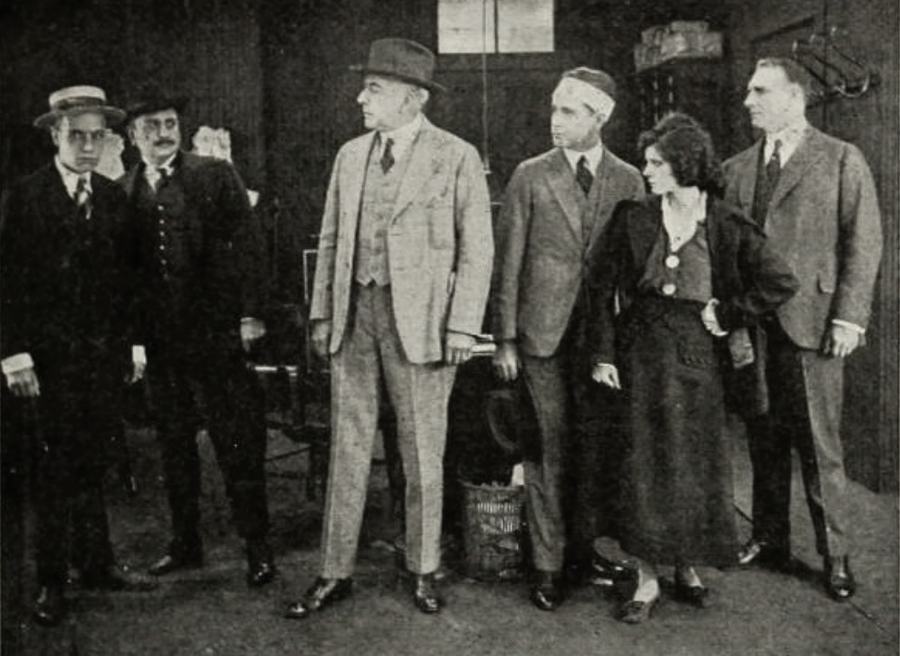
Production designer Inda Palmer renders the town in layers of aspirational fakery: false-front columns on feed-stores, electric globes strung like rosaries across unpaved streets. Columbia is America mid-metamorphosis, a place where Victorian brick confronts Art-Nouveau signage, mirroring the film’s tension between old-world morals and new-world metrics.
When Esther douses the type trays with kerosene, Parke lingers on her trembling match-hand. The flames lick up columns of libel in real time; headlines curl inward like autumn leaves, letters detaching from context—EL-OPE becomes LO-PE then mere OP. It is the most poetic deconstruction of the medium since the Lumières’ train.
Silent-era acting is often caricatured as semaphore; here the cast modulates between tableau and intimacy. Note the micro-shrug J.H. Gilmour gives as Amos realizes his parental blueprint has warped; a century later it still feels like watching a CEO discover his IPO is toxic.
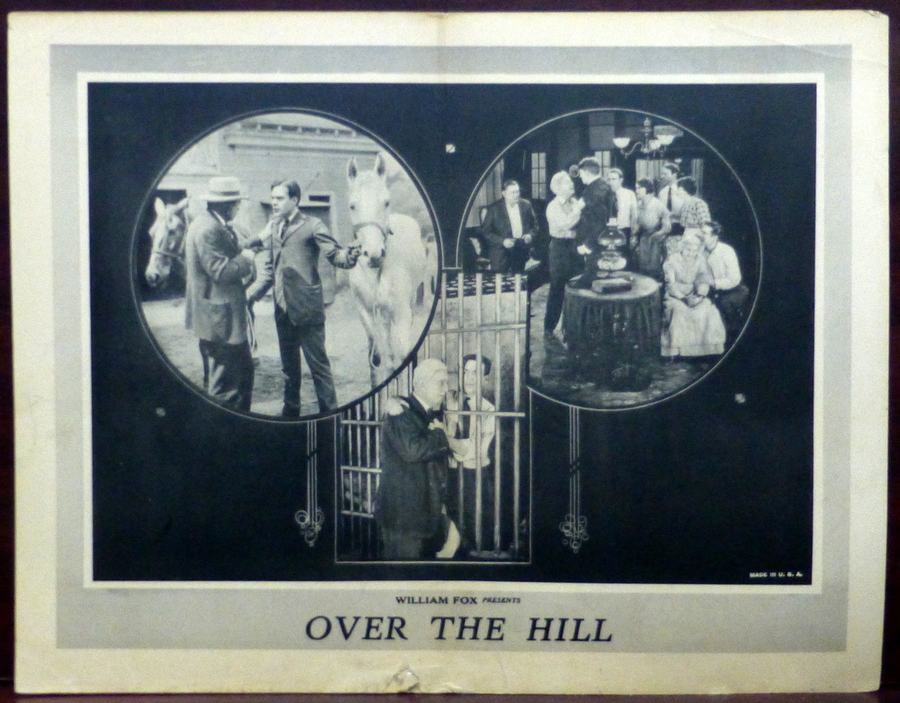
Currently circulating in a 2K scan from a 35 mm fine-grain positive held by the Library of Congress; tinting follows early-’20s conventions—amber for interiors, cerulean for night, rose for the burning sequence. Streamable via several archival platforms; physical media pending a crowdfunding campaign by Kino Lorber. If you crave comparative morality tales, pair it with Hell’s Hinges for frontier comeuppance, or The Highest Bid for ethical auctions of another stripe.
In an age where algorithms monetize outrage, Over the Hill feels less like antique melodrama than prophecy. Every retweeted scandal, every algorithm-boosted half-truth is Roy’s phantom elopement headline—only now the presses never stop, and there is no Esther to strike the match.
Storytelling that treats ethics as lived mathematics, not Sunday-school homily. Cinematography that finds bruised beauty in ink and flame. A heroine who earns her happiness by risking everything to protect strangers. For these reasons and more, Over the Hill vaults from curiosity to essential. Seek it out; let its embers settle on your conscience.
IMDb 3
1937
Community
Log in to comment.