DbcultAccessing Vault...
6.7/10
Senior Film Conservator
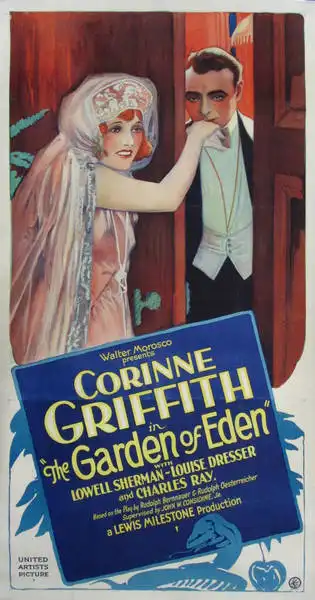
A definitive 6.7/10 rating for a film that redefined the boundaries of cult cinema. The Garden of Eden remains a cornerstone of transgressive art.
Frank Borzage's 1928 silent romantic comedy-drama, The Garden of Eden, arrives with the weight of its era, yet still manages to charm and occasionally surprise. For silent film aficionados, those interested in early Hollywood's visual storytelling, or anyone curious about the evolving comedic sensibilities of the late 1920s, this film is absolutely worth seeking out. It offers a fascinating glimpse into the social anxieties and romantic ideals of the time, wrapped in a surprisingly vibrant package.
However, if your tolerance for silent film conventions – exaggerated acting, reliance on intertitles, and a slower narrative pace – is low, then The Garden of Eden might feel like a historical artifact rather than engaging entertainment. Those expecting snappy dialogue or modern comedic timing will likely find its rhythms challenging. But for viewers open to its particular brand of theatricality and visual panache, there's a good deal to appreciate.
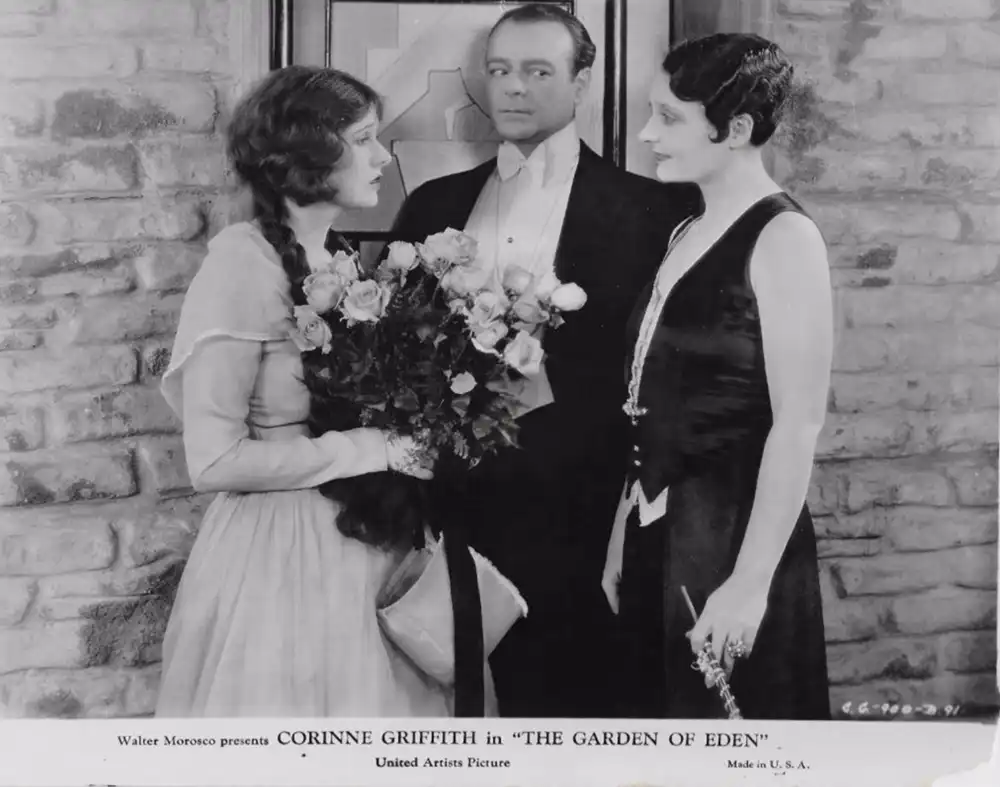
The film centers on Toni le Braun (Corinne Griffith), a hopeful opera singer whose dreams are quickly dashed when her Budapest gig is revealed to be a tawdry cabaret. Her refusal of a wealthy patron's advances leads to her dismissal, along with the sympathetic wardrobe mistress. This seemingly minor character, played with considerable panache by Louise Dresser, soon reveals herself to be a Baroness, maintaining a peculiar annual ritual of high living in Monte Carlo until her funds run out. She takes Toni under her wing, introducing her as her "ward," setting the stage for a delightful, if precarious, social masquerade. It’s this initial setup, particularly the Baroness’s unconventional yearly pilgrimage, that gives the film its unique flavor and separates it from more straightforward Cinderella narratives.
Corinne Griffith as Toni is the emotional anchor, and she delivers a performance that balances wide-eyed innocence with a burgeoning sense of self-possession. Her early scenes in the cabaret, particularly her discomfort during the patron's advances, are conveyed with a believable blend of shyness and defiance. Later, in Monte Carlo, she radiates a sophisticated charm that feels earned, not just adopted. There's a particular close-up shot of her face as she first sees Richard (Charles Ray) across a crowded room that perfectly captures the sudden, overwhelming rush of infatuation without needing a single intertitle to explain it.
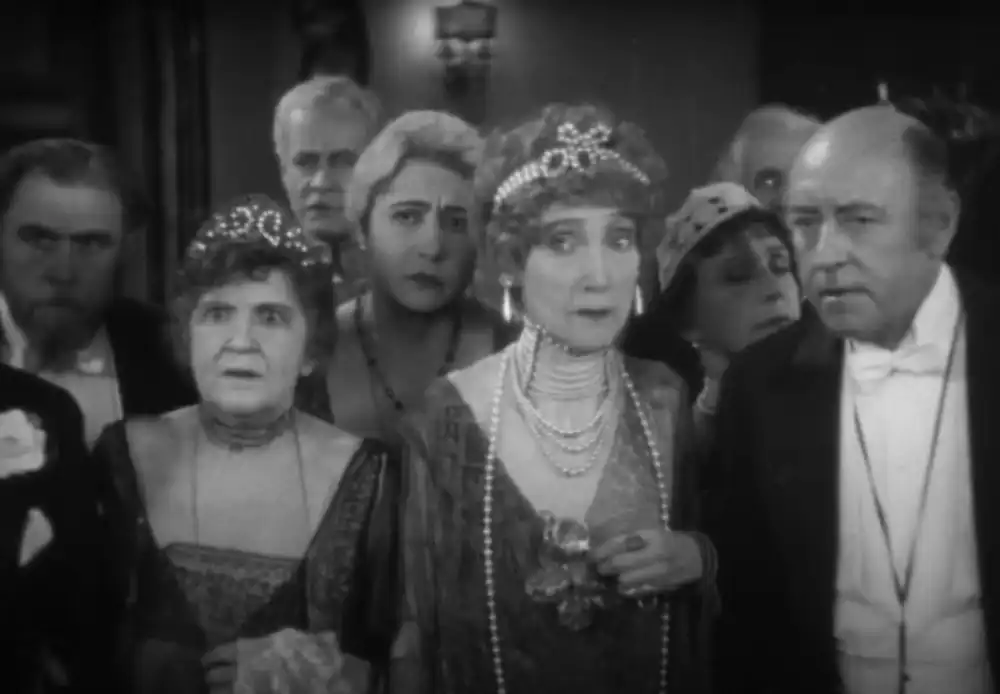
The true standout, however, is Louise Dresser as the Baroness. She absolutely steals every scene she's in. Her character is a masterclass in silent film acting: elegant, world-weary, yet fiercely loyal and possessing a dry wit that shines through her gestures and expressions. She carries herself with an air of faded grandeur, but her eyes sparkle with an underlying pragmatism. The moment she takes Toni under her wing, her slight, knowing smile suggests an entire backstory of resilience and clever survival. It's a performance that feels remarkably modern in its nuance, a testament to Dresser's skill.
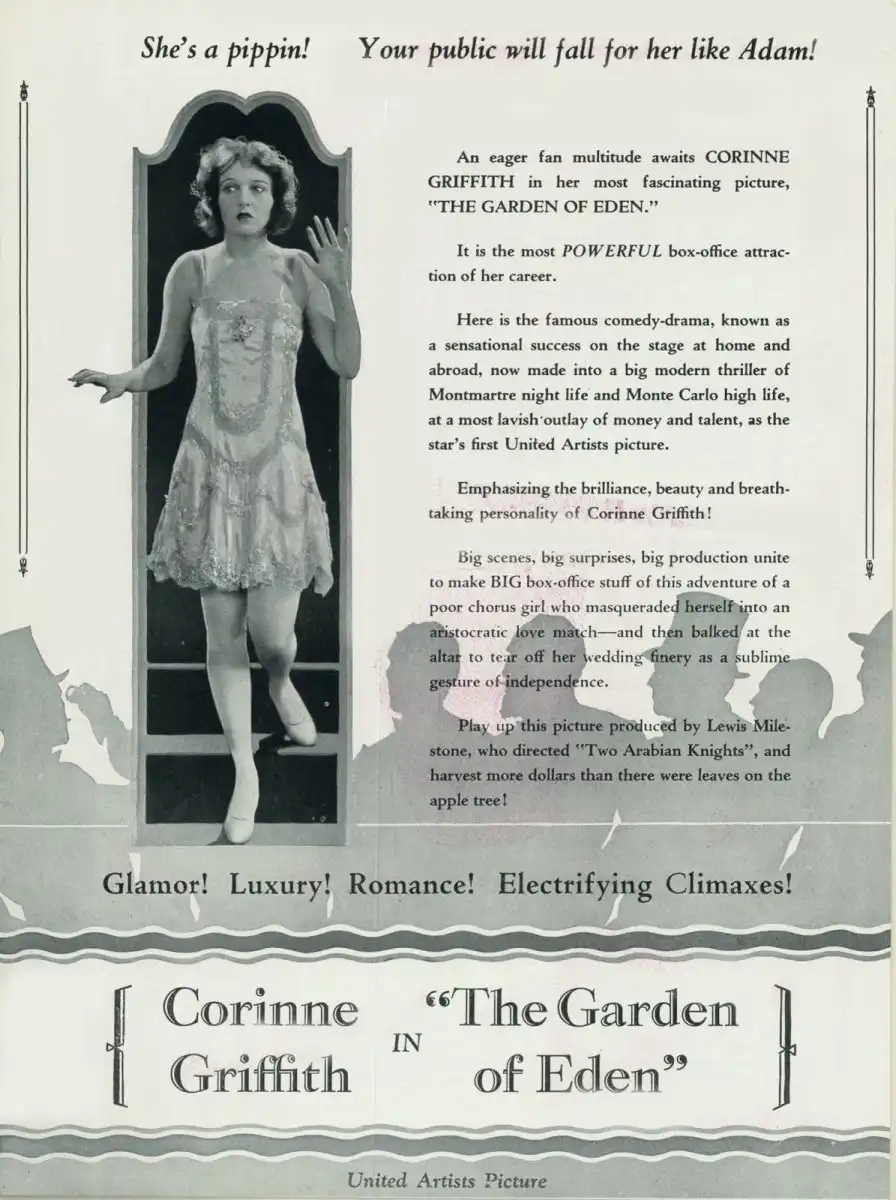
Charles Ray as Richard is suitably earnest and dashing, embodying the romantic ideal of the silent era. His boyish charm is effective, especially in contrast to the more theatrical figures around him. And Lowell Sherman, as Richard's uncle and Toni's former tormentor, manages a surprisingly nuanced arc. He starts as a cartoonish lech but later evolves into a somewhat reformed figure, advocating for Toni. This shift, while swift, is handled with enough visual cues – a slight softening of his expression, a more measured posture – to prevent it from feeling entirely unearned.
Borzage, known for his romantic dramas, brings a lighter touch here, blending comedy with moments of genuine emotional tension. The film's pacing is generally brisk, especially once Toni and the Baroness reach Monte Carlo. The contrast between the drab, smoky Budapest cabaret and the glittering, sun-drenched Monte Carlo is vividly drawn, a visual shorthand for Toni's transformation. The production design for the Monte Carlo scenes, with their grand hotels and bustling casinos, is opulent and convincing, effectively transporting the audience to a world of leisure and luxury.
However, the film does occasionally succumb to the melodramatic flourishes common to the era. The climactic wedding scene, where Toni’s past is revealed, leans heavily into frantic cross-cutting and exaggerated reactions. While effective in building tension, some of the "madcap histrionics" described in the plot feel a little over-the-top, even for a silent film. The sequence involving the "shocking losses of clothing" is more farcical than genuinely scandalous, played for broad laughs as characters stumble and divest themselves of garments in a panic. It’s a moment that, while visually amusing, verges on pantomime.
The film's primary strength lies in its visual storytelling and the compelling performances, particularly Dresser's. The way Borzage uses light and shadow, especially in the early cabaret scenes, creates a distinct atmosphere. The costume design, from Toni's modest beginnings to her Monte Carlo finery, speaks volumes about her journey and aspirations. The narrative, while adhering to certain Cinderella tropes, subverts them slightly with the Baroness's independent spirit and Toni's own agency.
On the weaker side, some of the comedic beats, particularly those involving broad physical comedy, haven't aged as gracefully as the more subtle character interactions. The resolution, while satisfying, feels a tad rushed after the build-up of the wedding day drama. The intertitles, while mostly well-written, occasionally feel a bit too expository, explaining emotions that the actors are already expertly conveying visually.
The Garden of Eden is more than just a historical curiosity; it's an engaging, often delightful silent film that showcases the talents of its lead actors and Borzage's directorial flair. While its comedic sensibilities are distinctly of its time, its core themes of social mobility, identity, and finding love despite societal expectations remain resonant. It's a film that asks for a little patience from modern viewers but rewards it with memorable performances, particularly from Louise Dresser, and a visual richness that keeps the story vibrant. For those willing to step back in time, it offers a charming and surprisingly spirited journey.
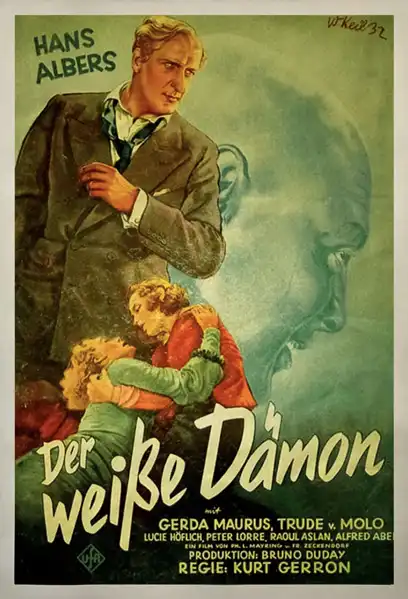
IMDb 7
1932
Community
Log in to comment.