DbcultAccessing Vault...
7.3/10
Senior Film Conservator
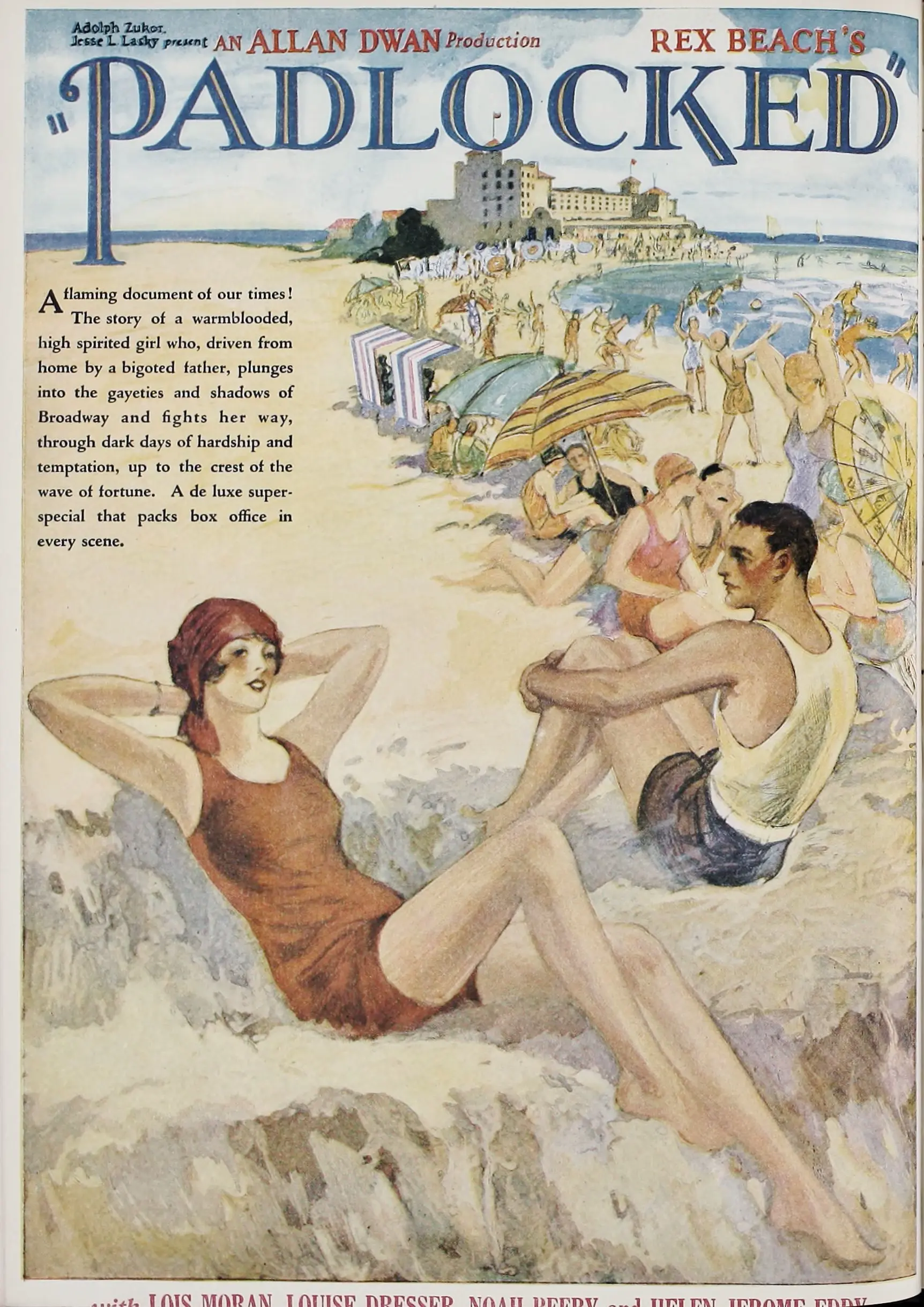
A definitive 7.3/10 rating for a film that redefined the boundaries of cult cinema. Padlocked remains a cornerstone of transgressive art.
Is Padlocked, the 1926 silent drama, worth watching today? Short answer: yes, but with significant caveats. This film is a fascinating, if occasionally uneven, artifact of its era, offering a stark portrayal of societal hypocrisy and the crushing weight of moral judgment. It's a film for those deeply invested in silent cinema, social dramas, and the evolution of cinematic storytelling, but it might prove a challenging watch for casual viewers accustomed to modern pacing and narrative subtlety.
This film works because it fearlessly tackles themes of moral puritanism, social class, and female agency in a period when such discussions were often relegated to hushed tones. Its central performance by Florence Turner is often captivating, carrying the emotional core of the narrative through raw, expressive physicality. The film fails because its narrative contrivances, particularly in the third act, lean heavily into melodrama, sacrificing organic character development for a neat, albeit somewhat unearned, resolution. You should watch it if you appreciate the historical context of early cinema, enjoy character-driven dramas with a strong social commentary, and are willing to overlook some dated narrative conventions for the sake of powerful performances and thematic resonance.
The narrative thrust of Padlocked is built upon a collision of rigid morality and burgeoning independence. Edith Gilbert, portrayed with a compelling blend of innocence and resilience by Florence Turner, is introduced as the daughter of Henry Gilbert, a man whose wealth is matched only by his unyielding, bigoted puritanism. This initial setup is crucial; it immediately establishes the suffocating environment from which Edith must escape. Her mother’s death serves as the catalyst, a tragically convenient plot device that frees Edith to pursue a life beyond the confines of her father’s oppressive home.
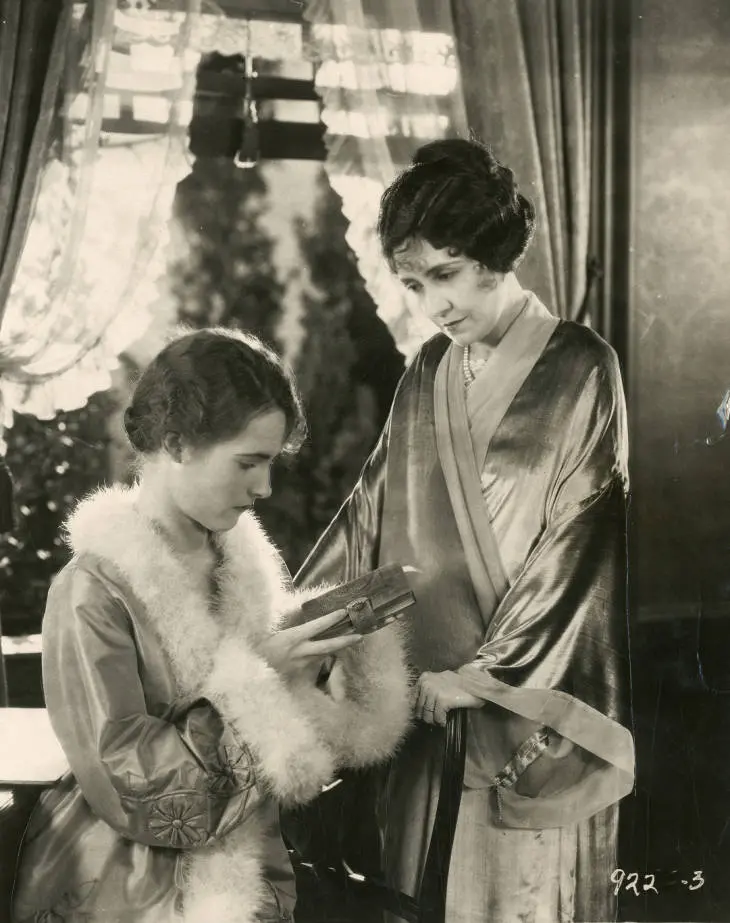
Her journey to Broadway, a symbol of freedom and self-expression, quickly shifts to the more grounded reality of a café dancer. This isn't the glamorous stardom she might have envisioned, but a gritty, necessary means of survival. It’s here that the film introduces the twin forces vying for her attention: Monte Hermann, the suave man-about-town whose intentions are ambiguous at best, and Norman Van Pelt, the earnest youth who embodies genuine affection. The tension between these two figures, representing temptation and purity, is a classic silent film trope, yet here it feels particularly poignant given Edith’s vulnerability.
Hermann's introduction of Edith to Mrs. Alcott, an 'unsavory society woman,' marks a turning point, dragging Edith further into a world perceived as morally compromised. Norman’s subsequent departure for Europe, fueled by his 'base suspicions,' is a heartbreaking moment, highlighting the societal judgment that follows Edith despite her protestations. It’s a stark reminder that in this era, a woman’s reputation was a fragile thing, easily shattered by association. The parallel storyline involving Henry Gilbert’s marriage to Belle Galloway, a 'designing spinster,' is a clever narrative mirror. While Edith seeks liberation, her father falls prey to a different kind of entrapment – one rooted in deceit and hypocrisy, rather than perceived moral failing.
The climax of Edith’s personal tragedy comes with her commitment to a reformatory. This sequence is brutal, unflinching, and arguably the most powerful part of the film, showcasing the devastating consequences of unchecked moral authority. Her mental and physical crushing is not merely a plot point; it’s a visceral depiction of societal punishment. Gilbert’s eventual realization of Belle’s true nature and his subsequent atonement feels almost too tidy, a familiar silent-era narrative arc designed to restore order. Yet, the reunion with Norman abroad provides a sense of closure, suggesting that true happiness lies not in societal approval, but in genuine connection and forgiveness. The narrative, while sometimes heavy-handed, effectively communicates its core message about the destructive nature of judgment.
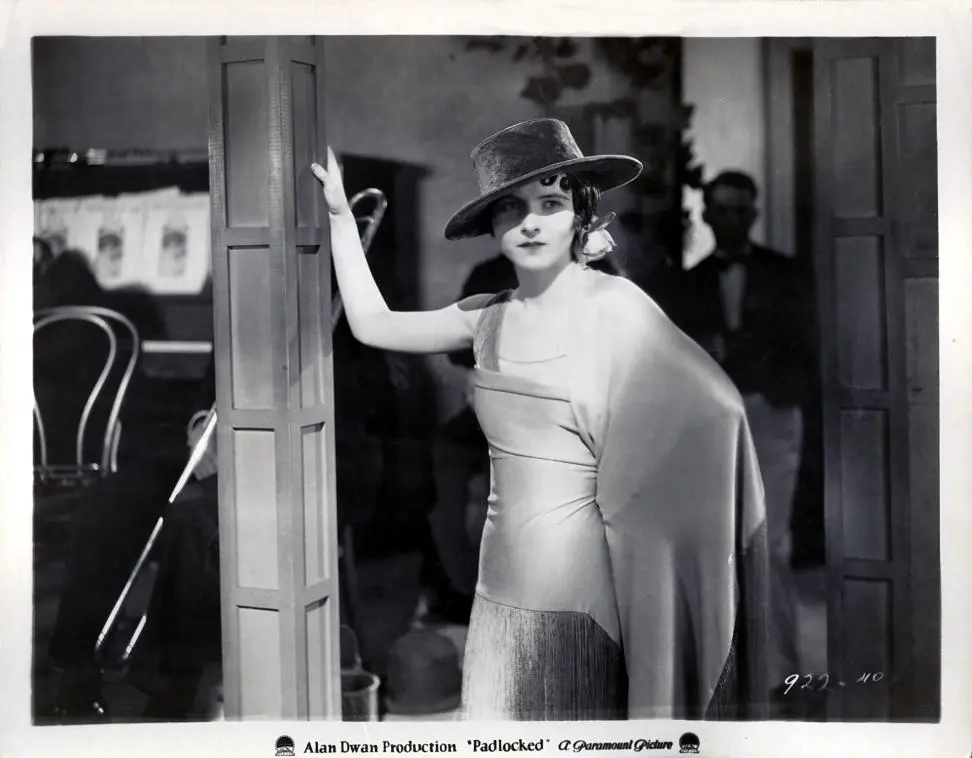
The strength of Padlocked largely rests on the shoulders of its cast, particularly Florence Turner as Edith. Turner delivers a performance that transcends the often-exaggerated stylings of silent cinema, imbuing Edith with a raw, believable vulnerability. Her transformation from the hopeful, wide-eyed girl dreaming of Broadway to the broken, despairing inmate of the reformatory is genuinely affecting. There’s a particular scene in the reformatory where her eyes, once full of spirit, now convey a profound emptiness – it’s a masterclass in silent screen acting, communicating more through a gaze than pages of dialogue ever could. Her physical acting, especially during the dance sequences, captures a sense of youthful exuberance that makes her eventual downfall all the more tragic.
Louise Dresser, as the calculating Belle Galloway, provides an excellent counterpoint. Dresser's portrayal is subtly menacing, her smiles often masking a predatory ambition. She doesn't resort to overt villainy until necessary, instead building Belle’s character through nuanced gestures and expressions that hint at her true nature. The scene where she subtly manipulates Henry Gilbert, perhaps with a well-timed tear or a feigned look of concern, is a highlight, demonstrating the insidious power of hypocrisy. Dresser understands the assignment perfectly: to be the wolf in sheep's clothing, not a cartoonish antagonist.
Douglas Fairbanks Jr. as Norman Van Pelt brings a youthful earnestness that is both charming and, at times, frustrating. His character embodies the societal expectations that ultimately lead to Edith’s ostracization. While his initial infatuation is sweet, his swift judgment and departure feel like a convenient plot device to isolate Edith further. Fairbanks Jr. captures the naive idealism of a young man, but his character's arc, particularly his quick forgiveness at the end, feels less earned than Turner's suffering. It's a performance that serves the plot, rather than fully exploring the complexities of a young man grappling with societal pressures.
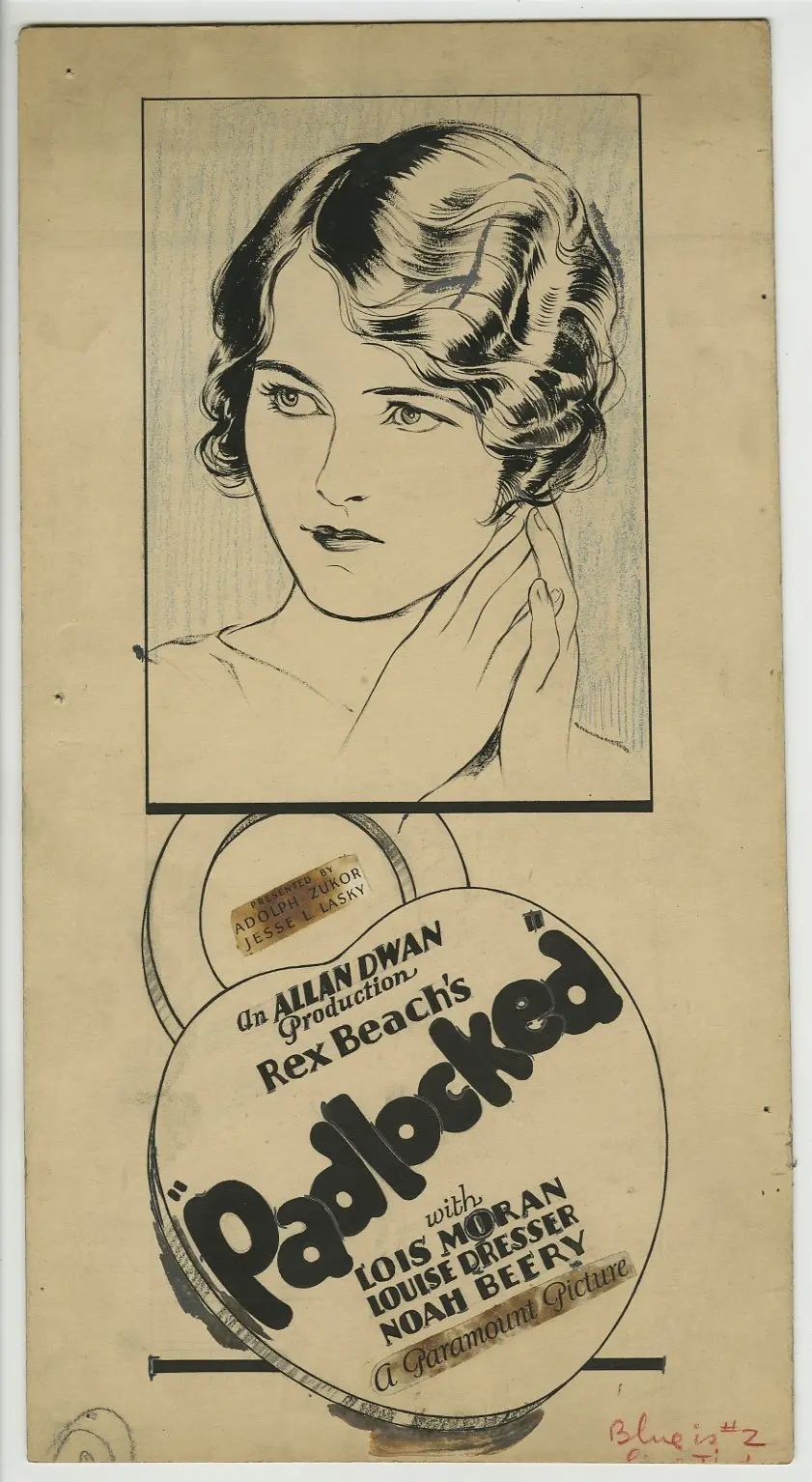
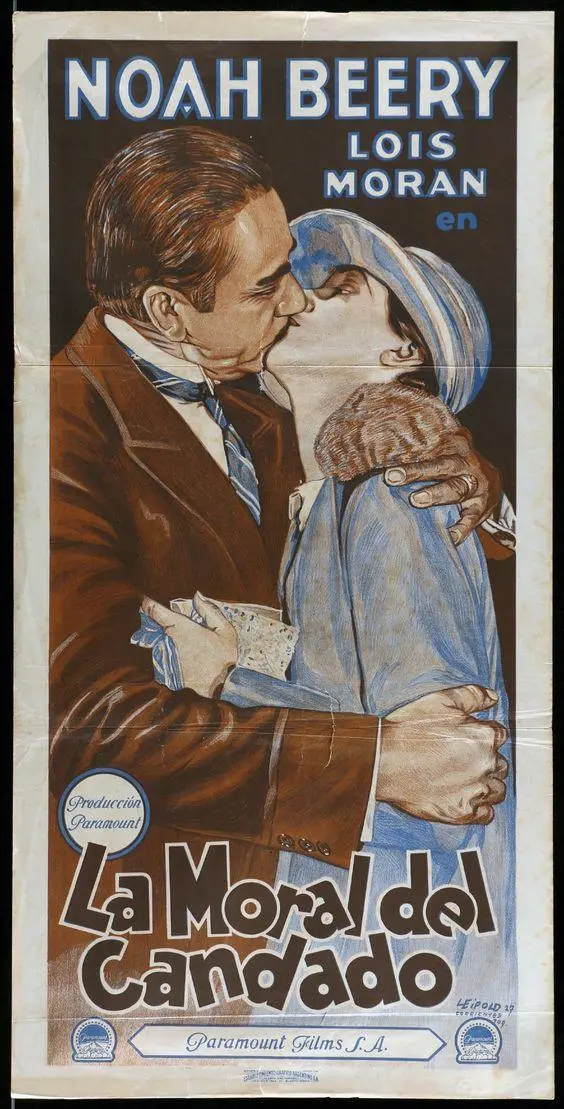
Even in supporting roles, actors like Noah Beery, as the stern and misguided Henry Gilbert, make an impact. Beery’s portrayal of the puritanical father is less a caricature and more a man blinded by his own rigid moral code, making his eventual awakening feel like a genuine, if somewhat rushed, moment of reckoning. The ensemble, while not without its melodramatic flourishes, largely succeeds in grounding the film’s grand themes in human emotion, making Padlocked a compelling character study of individuals caught in the unforgiving machinery of early 20th-century morality.
The directorial hand in Padlocked, while not revolutionary, demonstrates a solid understanding of silent film storytelling techniques. The pacing is deliberate, allowing for the emotional beats to register, though it occasionally drags in the expositional early scenes. Where the direction truly shines is in its stark contrasts: the vibrant, almost frenetic energy of the café dance sequences, with their dynamic camera movements and lively editing, stands in sharp opposition to the suffocating stillness and oppressive framing within the reformatory. This visual dichotomy powerfully underscores Edith’s journey from perceived freedom to abject confinement.
Cinematography plays a crucial role in conveying the film’s tone and themes. The use of lighting is particularly effective. In Henry Gilbert’s home, the lighting is often stark and unforgiving, emphasizing the coldness of his puritanical world. Conversely, the café scenes are bathed in softer, more inviting glows, symbolizing a different kind of warmth and allure, even if it’s a dangerous one. The reformatory, however, is a masterclass in oppressive visuals; low-key lighting, stark shadows, and tight framing create a palpable sense of despair and entrapment. There's a particular shot of Edith staring through bars, almost swallowed by the darkness, that is truly haunting and sticks with you long after the film ends. It’s a simple image, but its impact is profound.
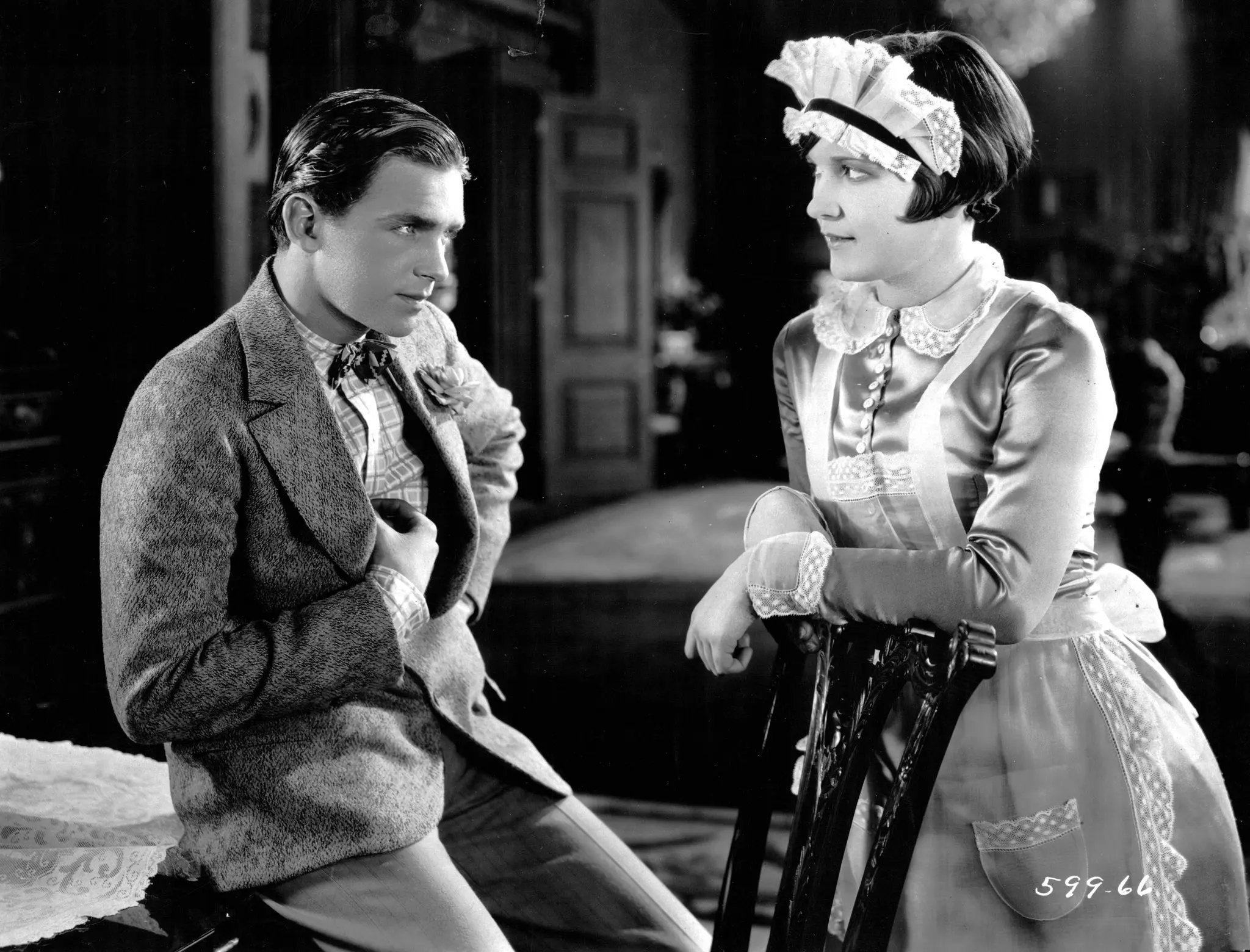
The film also makes judicious use of intertitles. While sometimes lengthy, they often serve to provide crucial exposition and character insight, rather than merely advancing the plot. They act as a narrative voice, guiding the audience through the moral labyrinth the characters inhabit. The reliance on facial expressions and body language, typical of the silent era, is expertly managed, ensuring that even without dialogue, the emotional weight of each scene is fully communicated. The director understands the visual language of the medium, using every tool at their disposal to tell Edith’s harrowing story. Compared to the experimental flair of something like Sherlock Jr., Padlocked leans into a more traditional, yet still effective, narrative style, focusing on clear storytelling and emotional impact.
Padlocked is a film steeped in social commentary, primarily dissecting the insidious nature of hypocrisy. Henry Gilbert, with his wealth and reformist zeal, embodies the very essence of this theme. He preaches morality while remaining blind to the manipulative scheming of his new wife, Belle, and brutally condemns his own daughter for perceived moral transgressions. His arc, from rigid judgment to a belated understanding of his own failings, is meant to be redemptive, but one might argue that his enlightenment feels a touch too convenient, a cinematic shortcut rather than earned penance. The film posits that true corruption often hides behind a veneer of respectability, a powerful message for any era.
The struggle for freedom, particularly for women, is another central pillar of the film. Edith’s desire to escape her father’s home is not just an act of rebellion, but a yearning for self-determination. Her choice to become a café dancer, while leading to her downfall in the eyes of society, is initially an act of agency, a way to earn her own fortune. The film, perhaps unintentionally, highlights the limited options available to women seeking independence in that period, where even a seemingly innocuous profession could lead to severe social ostracization and institutionalization. It’s a tragic testament to the suffocating societal norms of the time.
Forgiveness, both self-forgiveness and the forgiveness of others, forms the emotional bedrock of the film’s conclusion. Gilbert’s atonement, while rushed, signifies a recognition of his past wrongs. Edith’s eventual reunion with Norman, despite his earlier judgment, offers a glimmer of hope and the possibility of healing. However, the film doesn’t shy away from showing the lasting scars of her ordeal. The idea that happiness can still be found after such profound suffering is a poignant, if somewhat optimistic, message. Ultimately, Padlocked suggests that genuine morality lies not in rigid adherence to rules, but in empathy, understanding, and the capacity for change.
Absolutely, Padlocked holds significant value for contemporary audiences, particularly those interested in film history and social commentary. Its exploration of hypocrisy and female agency remains relevant. The raw emotional power of Florence Turner's performance is timeless. While its pacing and some narrative resolutions might feel dated, the film offers a powerful window into the moral anxieties of the 1920s. It works. But it’s flawed. This film is best suited for cinephiles, students of social history, or anyone seeking a deep dive into the expressive capabilities of silent cinema.
Padlocked is more than just a silent film; it's a potent social document, a searing critique of the moral hypocrisy that can shatter lives. While its narrative architecture occasionally creaks under the weight of silent-era melodrama, and its resolutions sometimes feel too neatly tied, the film's core message remains shockingly relevant. Florence Turner’s performance is a beacon, a testament to the enduring power of human emotion conveyed without a single spoken word. It’s a film that demands patience, yes, but rewards it with a profound, if sometimes uncomfortable, look at the price of perceived virtue. It’s not a flawless picture, but its flaws are often overshadowed by its unflinching honesty and the sheer power of its central tragedy. A recommended watch for those willing to engage with its historical context and its powerful, if imperfect, storytelling.
IMDb 5.9
1932
Community
Log in to comment.