DbcultAccessing Vault...
4.2/10
Senior Film Conservator
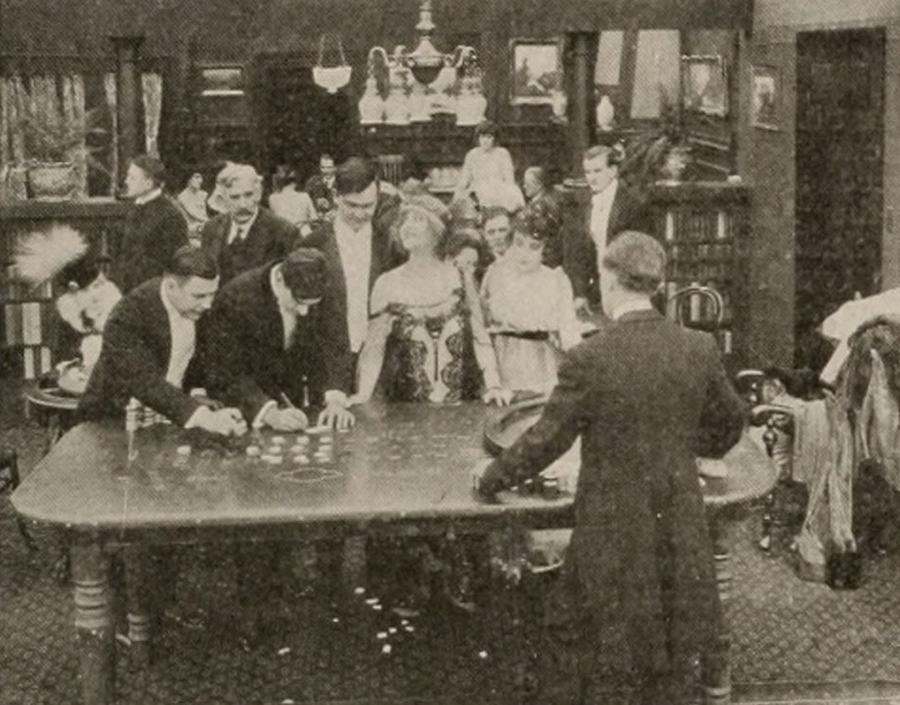
A definitive 4.2/10 rating for a film that redefined the boundaries of cult cinema. The Social Pirates remains a cornerstone of transgressive art.
Stepping back into the flickering shadows of early cinema, one occasionally unearths a gem that, despite the passage of time, resonates with astonishing contemporary relevance. George Bronson Howard’s The Social Pirates, a title that immediately conjures images of clandestine operations and moral rectitude, stands as a fascinating testament to the era's complex relationship with gender, justice, and societal power structures. More than just a simple melodrama, this film, though largely lost to the ravages of time, speaks to a nascent feminist consciousness, daring to imagine a world where women, rather than merely enduring injustice, actively dismantle its architects.
At its core, The Social Pirates presents a compelling, even audacious, premise for its time: two women, pushed to their absolute limits by the systemic exploitation and casual cruelty of men, decide to take matters into their own hands. This isn't a tale of quiet suffering or tragic resignation; it’s a clarion call to action, a vow to disrupt the predatory patterns of societal 'cads' who prey on innocent young girls. In an age where women's roles were often confined and their voices muted, such a narrative, even within the sensationalism of early cinema, offered a potent fantasy of empowerment. It’s a thematic precursor to later narratives of female vigilantes, albeit filtered through the unique lens of the silent era's visual storytelling and moralizing tone. The film doesn't just depict a reaction; it portrays a proactive, organized effort to reclaim agency and protect the vulnerable, painting its protagonists not as mere victims, but as strategic, albeit unconventional, heroes.
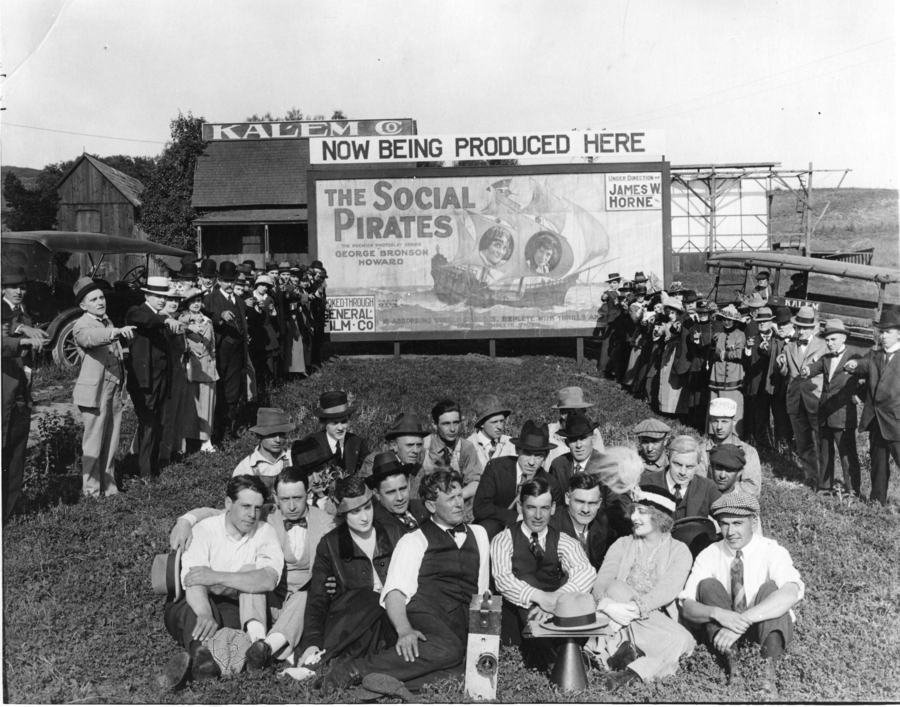
Though specific character details are scarce for many silent films, the assembled cast for The Social Pirates promised a rich tapestry of performances. Jessie Arnold and Priscilla Dean, likely embodying the two resolute women, would have brought their distinctive screen presences to these pioneering roles. Arnold, known for her strong, often independent characters, would have lent gravitas to the foundational motivation of the 'pirates,' while Dean, celebrated for her vivacity and ability to convey complex emotions, might have infused the narrative with a fiery determination or a more nuanced vulnerability. Their combined force would have been crucial in grounding the film's extraordinary premise in believable human emotion. The male antagonists, likely portrayed by actors such as Rupert Dell, Edward Clisbee, and Thomas G. Lingham, would have been tasked with embodying the very 'cads' the women sought to neutralize. Their performances, even in villainy, would have needed a certain charisma to explain their allure to unsuspecting victims, making the women's crusade all the more challenging and impactful.
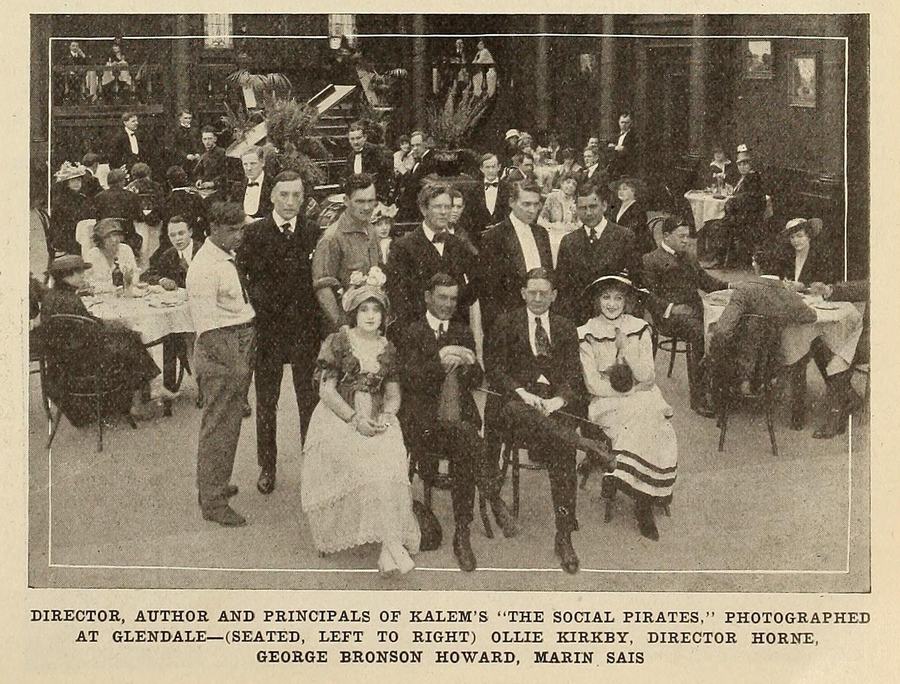
Supporting players like Ruth Snyder, Marin Sais, Paul Hurst, Robert N. Bradbury, Barney Furey, Forrest Taylor, Ollie Kirby, Frank Jonasson, and True Boardman would have filled out the world, portraying both the vulnerable young women in peril and the broader society that either enabled or ignored the rampant exploitation. The subtle artistry of silent acting, relying heavily on exaggerated gestures, facial expressions, and precise body language, would have been paramount in conveying the moral urgency and emotional stakes of the narrative. Each actor, through their nuanced pantomime, contributed to the overall texture of a film that was, at its heart, a social commentary thinly veiled by adventurous spectacle. One can only imagine the intensity that figures like Priscilla Dean, a formidable screen presence, would have brought to a role demanding both righteous fury and strategic cunning. Her portrayal, alongside Jessie Arnold, would have undoubtedly been central to the film's power, cementing the image of women actively resisting oppression rather than passively accepting it. The interplay of these performances would have been vital in conveying the societal ills that necessitated such a radical response, making the 'pirates' not just rebels, but reflections of a deeper societal malaise.
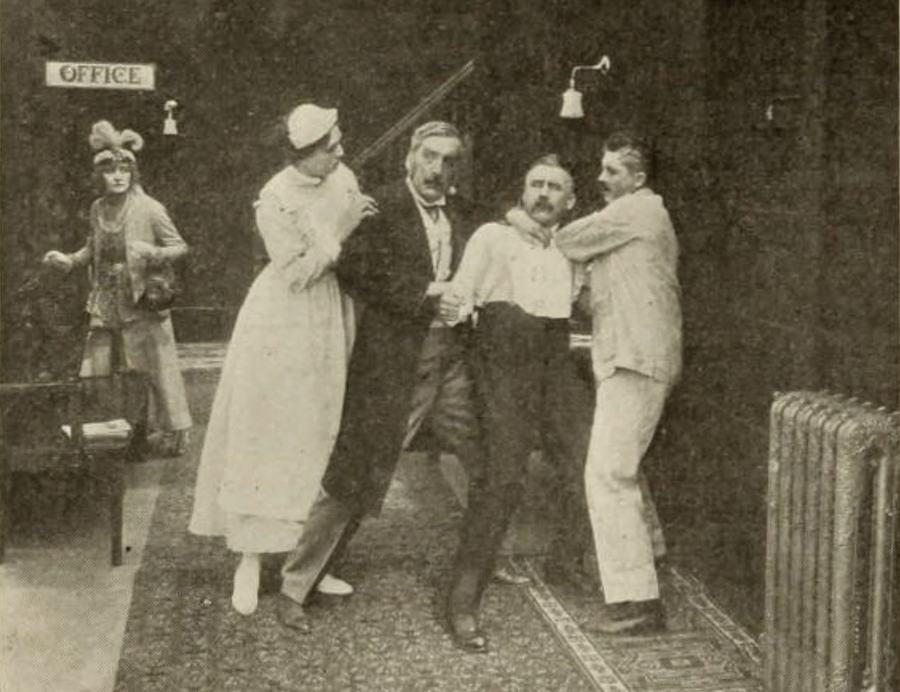
The screenplay, penned by George Bronson Howard, is particularly noteworthy. Howard was a prolific writer, often tackling themes of crime, justice, and social dynamics. His decision to center a narrative around women taking direct, aggressive action against male predators was remarkably progressive for the early 20th century. While many films of the era, such as The Cheat, explored themes of exploitation, they often focused on individual women's suffering or their eventual rescue by a benevolent male figure. Howard, in The Social Pirates, flips this script entirely, empowering women to be their own saviors and, more profoundly, the saviors of other women. This narrative choice elevates the film beyond mere entertainment, positioning it as a significant, albeit perhaps forgotten, piece of social commentary. Howard’s writing style often imbued his stories with a sense of urgency and moral clarity, characteristics that would have served this particular plot well, emphasizing the righteousness of the women's cause while navigating the inherent dangers of their chosen path. The depth of his characterizations, even within the confines of silent film's narrative economy, would have been crucial in making the audience empathize with the protagonists' extreme measures.
To fully appreciate The Social Pirates, it's essential to situate it within the broader context of silent cinema. This was a period of immense experimentation and rapid evolution in storytelling. Films like A Woman's Honor or The Shadow of Her Past frequently explored themes of female virtue, reputation, and the consequences of societal judgment. However, they rarely depicted women as proactive agents of justice in such a direct, confrontational manner. The 'pirate' motif itself, often associated with adventure and lawlessness, imbues the women’s actions with a thrilling, almost romanticized defiance. This was a time when cinema was still finding its moral compass, often oscillating between overt melodrama and attempts at social realism. The Social Pirates seems to blend these elements, using the sensationalism of vigilante justice to highlight a very real societal problem. The visual language of silent film, with its reliance on intertitles and expressive acting, would have been crucial in conveying the nuances of the women's motivations and the depravity of their targets. The film would have used dramatic lighting and camera angles to heighten tension and underscore moral distinctions, a common practice in films striving for strong emotional impact.
Furthermore, the film's title, The Social Pirates, could be seen as a direct counterpoint to the 'social bandits' or outlaws who often featured in popular narratives, like those in The Bandit of Port Avon. Here, the 'pirates' are not merely criminals; they are moral agents operating outside the established, yet failing, legal framework. This distinction is crucial to understanding the film’s underlying message. It’s not just about breaking laws, but about enforcing a higher moral code where the existing system has proven inadequate. This film also stands in stark contrast to more fantastical or historical epics of the time, such as When Rome Ruled or even the travelogues like Assisi, Italy, grounding its drama in contemporary social issues rather than distant pasts or exotic locales. The immediacy of its themes would have struck a chord with audiences, inviting them to reflect on the societal dynamics of their own lives.
The enduring appeal of The Social Pirates, even in its spectral existence, lies in its bold thematic explorations. It tackles issues of gender inequality, moral corruption, and vigilante justice with a directness that foreshadows later cinematic movements. The film interrogates the very definition of justice, asking whether legitimate means are always sufficient to address profound social wrongs. This question remains pertinent today, making the film a valuable historical artifact for understanding early cinematic attempts to grapple with complex ethical dilemmas. One might draw parallels to the existential queries posed in films like Life Without Soul, which explored the nature of humanity, albeit in a more philosophical vein. Here, the 'soul' of society is questioned, revealing its darker, predatory underbelly.
The notion of women forming a clandestine group to combat injustice also echoes the hidden lives and struggles depicted in films like La vie de Bohème, though with a distinct shift from romanticized poverty to active social reform. The 'pirates' are not merely surviving; they are fighting. Their actions, while potentially seen as morally ambiguous by some, are framed within the context of protecting the vulnerable, a theme that resonates deeply across cultures and time periods. This protective instinct, combined with a fierce determination, transforms the protagonists from mere characters into symbols of resistance. The film, in its narrative ambition, touches upon the perennial human desire for fairness, even when it must be wrested from the hands of the powerful through unconventional means. It's a testament to the power of storytelling to challenge societal norms and inspire contemplation on the nature of right and wrong, particularly when the established order fails.
The unfortunate reality for many silent films, including likely The Social Pirates, is their fragility and susceptibility to loss. Nitrate film stock, prone to degradation and even spontaneous combustion, claimed countless cinematic treasures. Yet, even in its absence, the film's concept and the scant details available allow us to reconstruct its significance. It serves as a reminder of the progressive ideas bubbling beneath the surface of early 20th-century culture, ideas that challenged conventional gender roles and advocated for greater social accountability. One can imagine the visual spectacle of the 'pirates' in action, perhaps employing disguises akin to the intrigue in The Spy or the mysterious allure of The Sphinx, creating a thrilling and morally charged adventure. The film's impact on audiences of the time, particularly women, must have been considerable, offering a powerful, albeit fictional, outlet for their own frustrations and desires for justice.
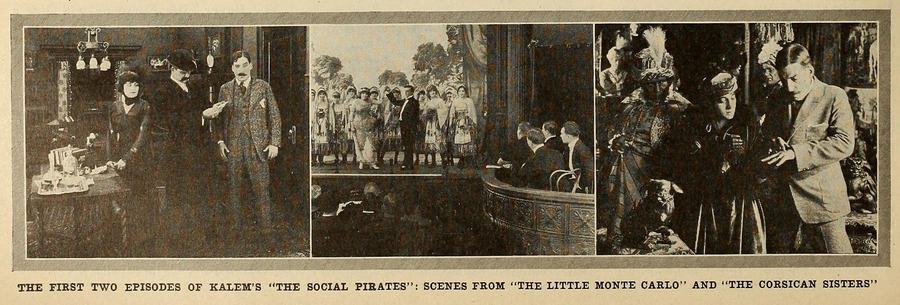
It’s a stark contrast to films focused on individual celebrity, like La Salome, or the more personal struggles depicted in The Painted Soul. Instead, The Social Pirates elevates a collective, gendered struggle into the realm of epic confrontation. The film, had it survived in its entirety, would undoubtedly be studied today not just for its entertainment value, but for its pioneering spirit in addressing social issues through the burgeoning medium of film. It speaks to the courage of filmmakers and writers like Howard to push boundaries, even when doing so might challenge prevailing societal norms. The narrative of women banding together for a common cause, particularly one so tied to fundamental justice, remains a potent and inspiring theme, making The Social Pirates a significant, if tragically lost, piece of cinematic history. Its very premise continues to spark imagination, inviting us to ponder the countless narratives that might have been, and the profound messages they carried from a distant past to our present moment.
In a cinematic landscape where heroes were predominantly male and female characters often relegated to roles of damsels in distress or moral compasses, The Social Pirates emerges as a fascinating anomaly. It’s a film that, through its very premise, demands attention and contemplation. It challenges us to consider the historical roots of female empowerment narratives and the enduring human desire for justice when conventional systems fail. While we may never fully experience the visual grandeur or the nuanced performances that Jessie Arnold, Priscilla Dean, and the rest of the cast surely delivered, the conceptual framework of The Social Pirates continues to resonate. It reminds us that even in the earliest days of cinema, storytellers were grappling with complex social issues, daring to envision worlds where the oppressed could rise, and the silent could speak through decisive action. The film's legacy, though primarily intellectual rather than visual, endures as a powerful testament to the revolutionary potential of early cinema and the timeless human quest for equity and retribution against those who abuse their power. It is a cinematic ghost, perhaps, but one whose echo still carries a potent message across the decades.

IMDb —
1926
Community
Log in to comment.