DbcultAccessing Vault...
7.3/10
Senior Film Conservator
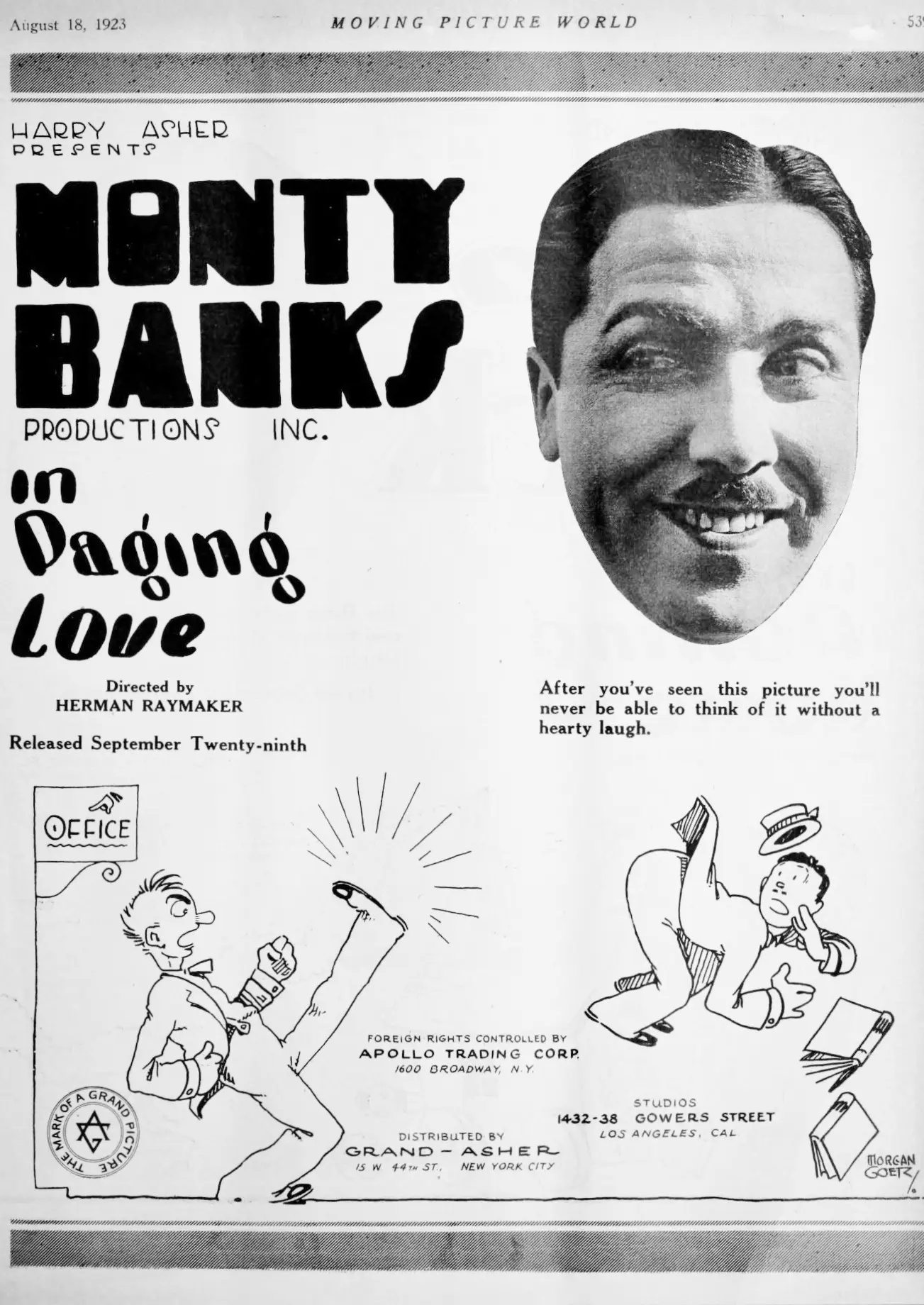
A definitive 7.3/10 rating for a film that redefined the boundaries of cult cinema. Paging Love remains a cornerstone of transgressive art.
The opening tableau of Paging Love feels like a stage‑coach scene ripped from a vaudeville sketch: a stern, moustached patriarch, his eyes narrowed with a mixture of suspicion and paternal concern, hands Monty (played with earnest slapstick by Monty Banks) a leather‑bound encyclopedia and declares, “Sell it, or you shall never earn my daughter’s hand.” The absurdity is immediate, yet the film never feels gimmicky; instead, it uses this ludicrous premise to interrogate the social contracts of marriage, commerce, and masculinity in the early twentieth century.
Lois Boyd, cast as the skeptical yet compassionate love‑interest, delivers a performance that balances dead‑pan expression with a glint of mischief. Her eyes convey a narrative arc that the intertitles merely hint at, allowing the audience to infer her internal conflict between familial duty and personal desire. Eva McKenzie, in a supporting role as the meddlesome aunt, provides a counterpoint to Boyd’s subtlety, her exaggerated gestures serving as a reminder of the film’s roots in physical comedy.
The encyclopedia, a massive tome bound in cracked leather, becomes a visual metaphor for the weight of expectations placed upon Monty. Each failed sales pitch is punctuated by a comedic tumble, a slapstick tableau that echoes the physical humor of The Janitor while simultaneously probing deeper themes of self‑validation. In contrast to the frantic energy of Fantomas: The Man in Black, where the protagonist’s confidence is unshakable, Monty’s journey is marked by a palpable vulnerability that endears him to the viewer.
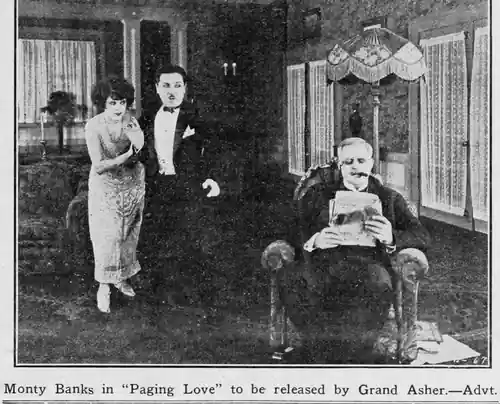
Even within the monochrome constraints of silent cinema, the film’s cinematographer employs chiaroscuro lighting to accentuate the emotional stakes. Shadows loom over Monty’s solitary figure as he trudges through rain‑slicked streets, a visual echo of the melancholy that pervades Salvation Nell. When Monty finally reaches the bustling marketplace, the camera lifts, revealing a kaleidoscope of faces that, though rendered in grayscale, feel alive through meticulous framing and dynamic movement.
The screenplay—though lacking a credited writer—exhibits a deft sense of rhythm. The film alternates between rapid‑fire chase sequences, where Monty’s encyclopedia becomes a prop for pratfalls, and slower, dialogue‑free interludes that allow the audience to absorb the characters’ inner worlds. This oscillation mirrors the structural beats of Where Is Coletti?, where comedic set‑pieces are interspersed with moments of genuine pathos.
Jack Dawn’s portrayal of the cantankerous shopkeeper provides a foil to Monty’s optimism. Dawn’s exaggerated gestures—pointed finger, exaggerated sighs—serve as a visual shorthand for the generational clash that underpins the film’s conflict. William Blaisdell, cast as the bewildered constable, offers a brief but memorable cameo, his bewildered expression echoing the absurdity of law enforcement in a world where an encyclopedia can be a weapon of social upheaval.
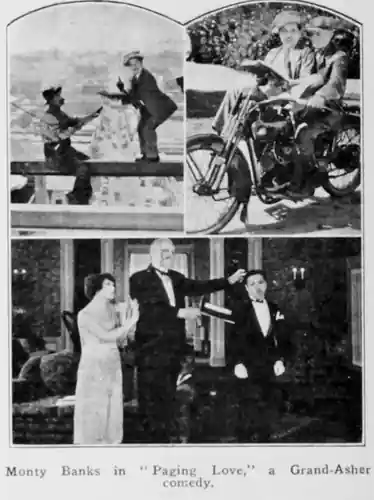
When placed beside contemporaneous works such as Don Quixote, Paging Love diverges from the grandiose epic in favor of intimate, character‑driven comedy. While Don Quixote revels in sweeping vistas and mythic quests, Paging Love confines its narrative to a single town, allowing the audience to become intimately acquainted with each quirky resident. The film’s modest scope does not diminish its ambition; rather, it underscores the director’s confidence in visual storytelling.
At its core, the film is a meditation on the intersection of love and labor. Monty’s relentless attempts to sell the encyclopedia become a proxy for proving his worth to a skeptical patriarch. The climax—when Monty finally convinces a skeptical librarian to accept the tome—transcends mere commercial success; it symbolizes the reconciliation of personal ambition with communal acceptance. This thematic thread is reminiscent of the emotional undercurrents in Peace and Quiet, where personal resolve is tested against societal expectations.
Although the film is silent, the accompanying score—performed live in many theatres—infuses each scene with a rhythmic pulse. The percussive slap of Monty’s boots on cobblestones, the exaggerated hiss of a steam kettle, and the whimsical piano motif that underscores his failed sales pitches all contribute to a layered auditory experience. These sound cues echo the meticulous sound design of Betrayed (1917), where the absence of dialogue is compensated by an evocative musical narrative.
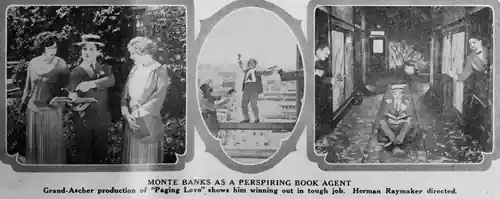
Released in the mid‑1930s, Paging Love arrived at a moment when the film industry was transitioning from silent to sound. Its commitment to visual comedy, therefore, can be read as both a homage to the silent era’s golden age and a subtle protest against the rapid commodification of cinema. The film’s emphasis on a physical, almost tactile, form of storytelling aligns it with the legacy of Chaplin and Keaton, while its satirical edge foreshadows the more dialogue‑driven comedies of the late 1930s.
Modern audiences, accustomed to rapid cuts and dialogue‑heavy scripts, may initially find the pacing of Paging Love languid. Yet, upon closer inspection, the film rewards patience with a richness of visual metaphor and a subtle critique of consumer culture that feels surprisingly contemporary. Its influence can be traced in later works that blend slapstick with social commentary, such as Someone in the House, where humor serves as a vehicle for deeper societal reflection.
In an era where cinematic excess often eclipses nuanced storytelling, Paging Love stands as a testament to the power of restraint. Its meticulously crafted visual jokes, layered performances, and earnest thematic core coalesce into a work that is both entertaining and intellectually stimulating. For scholars of early cinema, aficionados of silent comedy, or anyone seeking a film that marries humor with heart, this hidden gem offers a rewarding viewing experience that lingers long after the final frame fades to black.

IMDb —
1917
Community
Log in to comment.