DbcultAccessing Vault...
Cult Review
Senior Film Conservator
The first image is a crest bruised by moonlight: the Hohenstein griffin clutching a sword already oxidized. Richard Oswald holds that shot until the emulsion seems to sweat, as though the film strip itself were reluctant to admit us. We enter anyway—because who can resist the perfume of rot?
Oswald, fresh from the social-surgical satire of Prostitution, swaps Berlin’s bordello corridors for Carpathian granite yet keeps his scalpel sharp. The castle here is no postcard; it is a reliquary of feudal entitlement, each antlered hallway a vertebra in the spine of an ossified order. Compare it to East Lynne’s drawing-room anguish or Fatherhood’s tenement squalor—both cling to melodrama’s safety rail. Der Schloßherr instead pries loose the rail and beats the audience with it.
Rita Clermont commands the gallery of waxen busts. Her Countess Adelheid never walks; she arrives, the train of her mourning gown a black glacier scraping parquet. Watch her eyes when the bailiff reads the foreclosure decree: a micro-shudder, no protest, only the resignation of someone who has long understood that titles are merely IOUs written in calligraphy. Beside her, Ernst Ludwig’s Erich is a study in patrician decay—his cheekbones so sharp you could slice the Reichsmark he no longer possesses. Their scenes together play like a duet of cracked bells: she the retained dignity, he the squandered future.
Reinhold Schünzel, that master of velvet venom, essays the notary Würfel with a carnation in his lapel and arithmetic in his veins. Every time he clicks his briefcase shut, another ancestral portrait sags on its wire. Meanwhile, Albert Paul’s steward, Klesel, anticipates According to the Code’s fanatical factotum—except here the loyalty is laced with proto-fascist Realpolitik; he already rehearses the Heil before the swastika has been drawn.
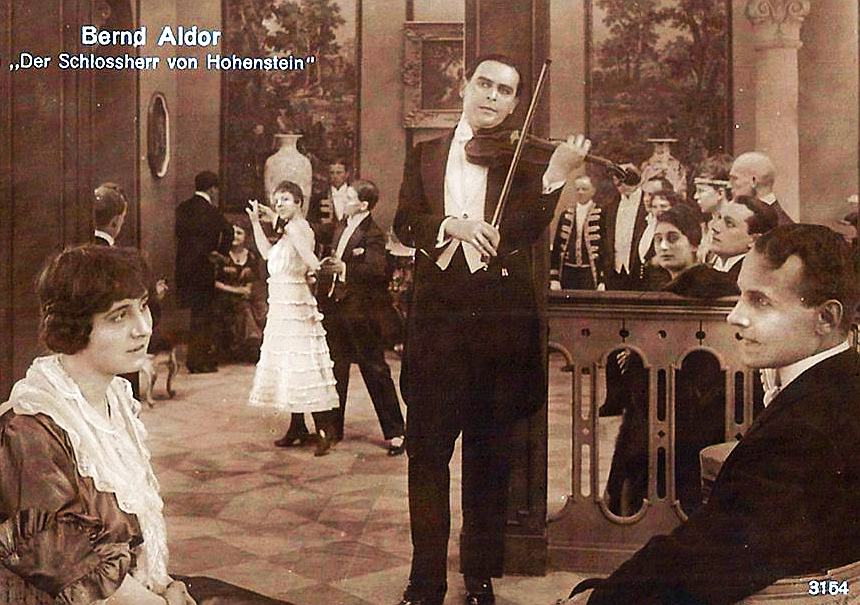
Enter Paula Barra, fiddle under chin, eyes blazing with the insolence of meritocracy. The screenplay grants her no backstory—she simply materializes, as though the era itself birthed her to shred the curtain. One of the film’s most ecstatic flourishes comes when she practices a Paganini caprice in the empty banquet hall: Oswald overlays her bowing with half-transparent footage of peasant girls stitching the countess’s trousseau. Sound film is still six years away, yet you hear the loom shuttle, the horsehair, the hiss of history unraveling.
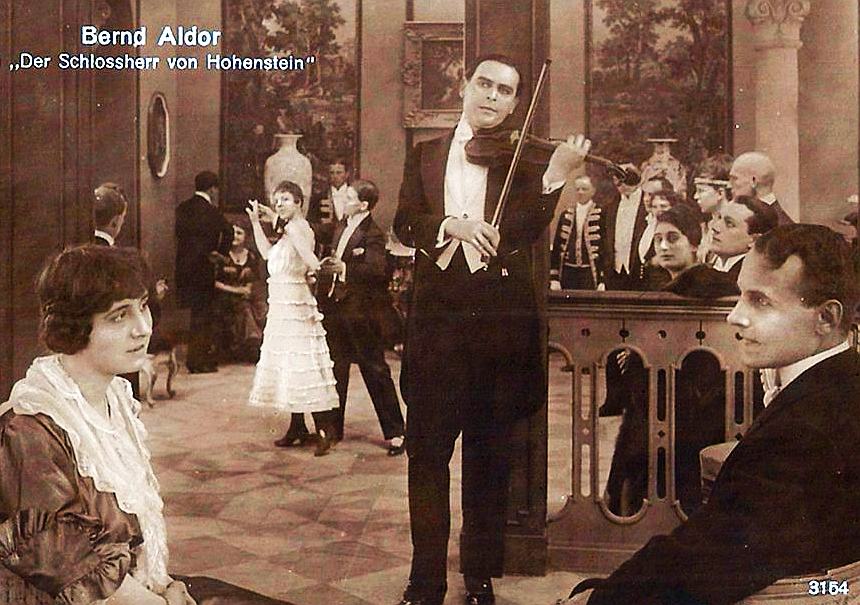
Compare her disruptive presence to the suffocated heroines of Unjustly Accused or The Bushranger’s Bride—those women must plead for moral vindication. Miliza needs no verdict; her bow prosecutes, sentences, and executes.
Curt Courant—later to flee the Nazis and photograph Renoir’s La Bête Humaine—shoots interiors through layers of veined mirrors, so that every figure appears twice: the corporeal spender and the ghost of insolvency looming behind. Exterior night scenes throb with handheld torches; the camera itself seems to breathe smoke. Notice how the castle’s ramparts are rendered in chiaroscuro so severe they resemble a woodcut by Kollwitz: ramparts not as protection but as debtor’s prison walls.
Compare such visual pessimism to the redemptive dawns of Cohen’s Luck or the pastoral symmetry of Bjørnetæmmeren. Oswald refuses catharsis; he offers foreclosure.
Octave Feuillet’s mid-19th-century source is a Bourbon-era morality tale: prodigal son returns, repents, inherits. Oswald and co-writer Lupu Pick (yes, the director also cameos as a mute falconer) eviscerate that moral spine. Here the prodigal does not repent; he gambles away the last heirloom violin. The father is already fertilizer under chapel flagstones. The estate’s salvation—Miliza’s discovered Stradivarius—turns out to be a clever forgery; the real one was sold by Erich’s great-uncle to finance a failed revolution in ’48. History itself is forged, duplicitous.
This subversion aligns Der Schloßherr more with the nihilist streak in Whom the Gods Destroy than with the tidy retributions of The Moral Code.

No original score survives; contemporary exhibitors reportedly stitched together Wagner’s Lohengrin preludes with Hungarian folk dances. Oswald hated the mash-up, but the clash inadvertently echoes the film’s cultural frisson: Teutonic myth colliding with Balkan vitality. Today’s restorations often commission new compositions; Kronos Quartet’s 2018 rendition underlines every bow scrape with electronic distortion, turning Miliza’s solos into proto-industrial shrieks. Your mileage may vary, yet the dissonance honors the movie’s anti-heritage stance.
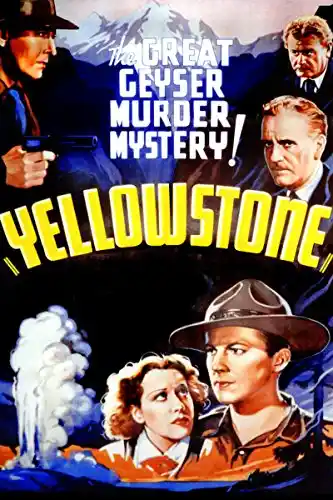
Adelheid’s final scene deserves anthologizing in every gender-studies seminar. She descends the grand staircase at dawn, creditors hammering at the door, and—instead of surrendering keys—removes her tiara, places it on a footman’s cushion, and exits through the servants’ tunnel. The camera tracks her in medium-long shot, the corridor narrowing like a birth canal in reverse. She is not abdicating; she is demoting herself to commoner, anticipating that only anonymity will survive the coming republic. Compare this to the martyred mothers of Driftwood or the sacrificial wife in A Yellow Streak—they exit in coffins or bridal veils. Adelheid walks out alive, identity amputated but pulse intact.
Shot in September 1919, months after the Treaty of Saint-Germain lopped German Austria from its ancestral empire, the film vibrates with fin-de-régime vertigo. The castle’s liquidation mirrors the Habsburgs’—the looting of Vienna palaces, the auction of the Hofsburg’s gold dinner service. Audiences of 1920 watched their own chandeliers carted away, their own titles nullified by stroke of Allied pen. No wonder the movie became a sleeper hit in Vienna despite critical sniffing from Die Stunde who labelled it “anti-patriotic pornography.”
Watch Rita Clermont’s knuckles when she fingers the foreclosure parchment: they blanch, not with rage but with relief, as though the document were a love letter from reality finally answering her decades-long correspondence. Or observe Ernst Ludwig in the gaming den: after staking the family crest, he pockets a single green chip—his gesture is not greed but the reflex of a child hoarding a seashell while the tsunami rolls in.
If you double-feature this with The Struggle you’ll see two opposing declensions of the fall: Griffith’s urban poverty vs. Oswald’s arist insolvency. Pair it with Idols and you’ll note how both films weaponize female artistry—one the violin, the other the stage—to indict male commodification. Place it beside De levende ladder and you’ll detect a shared vertiginous staircase iconography, though the Dutch film uses it for resurrection while Oswald wields it for finality.
A 4K restoration premiered at Il Cinema Ritrovato 2021, scanned from a 35 mm nitrate at the Austrian Film Archive. The tinting follows the 1920 Fräulein Anna Boll handbook: amber for interiors, viridian for nocturnes, rose for the masquerade. Streaming is scarce—occasionally surfaces on Deutsche Kinemathek’s Vimeo with burned-in German intertitles; fansubbed English SRTs circulate in the usual grey corridors. A Blu-ray is rumored from Masters of Cinema for 2025. Until then, cine-clubs with 16 mm access are your best bet.
Der Schloßherr von Hohenstein is not a museum piece; it is a shrapnel shard from the explosion that birthed modernity. It skewers every fairy-tale castle Disney later varnished, anticipates Visconti’s Leopard by four decades, and gives the lie to any nostalgic nonsense about “nobler” aristocracies. Watch it for Clermont’s glacial majesty, for Barra’s firebrand fiddling, for Courant’s shadows sharp enough to shave feudal pretense clean off the bone. Then walk home past your own mortgaged battlements—whether tenement or McMansion—and feel the chill of 1920 breathing down deedless centuries.
IMDb —
1922
Community
Log in to comment.