DbcultAccessing Vault...
6.2/10
Senior Film Conservator
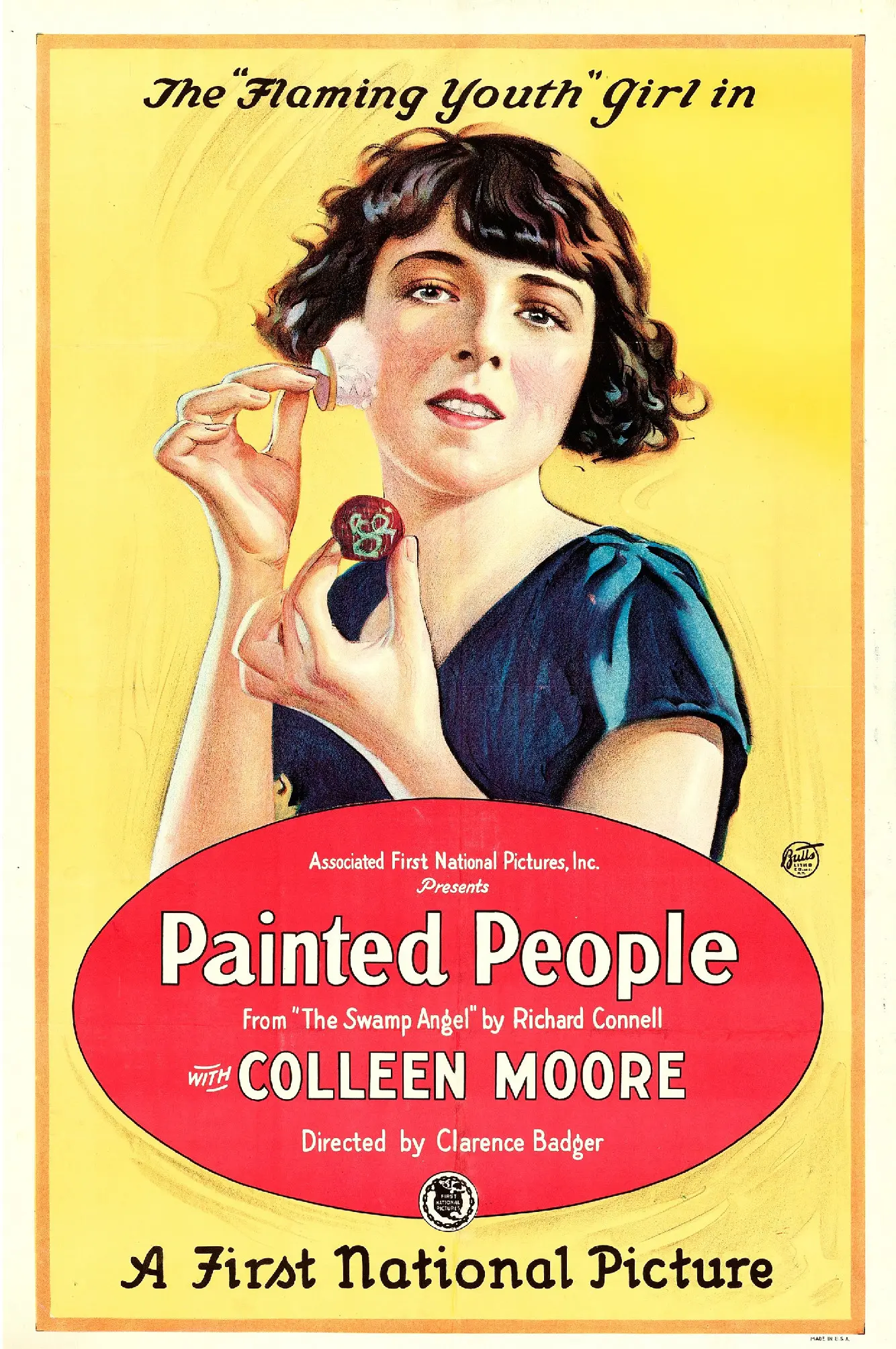
A definitive 6.2/10 rating for a film that redefined the boundaries of cult cinema. Painted People remains a cornerstone of transgressive art.
In the rich tapestry of silent cinema, Painted People (1921) stands as a testament to the enduring human spirit and the intricate social hierarchies that govern our lives. This poignant drama, directed by a visionary filmmaker, masterfully weaves together the intertwined narratives of Ellie Byrne and Don Lane as they navigate the complexities of love, ambition, and social stratification in a dilapidated factory town.
The film's narrative is expertly crafted to explore the aspirations and desires of its protagonists, as they strive to transcend their socioeconomic circumstances. Don's relentless pursuit of Stephanie Parrish, the embodiment of wealth and sophistication, serves as a catalyst for his own self-improvement, driving him to acquire an education and amass wealth. Conversely, Ellie's remarkable journey from a maid to a stage star is a testament to her inherent talent and unwavering dedication.
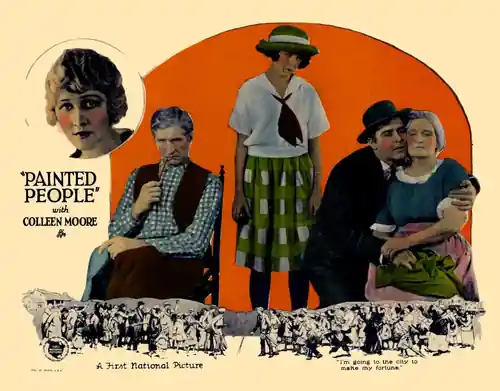
As the protagonists' careers converge, Ellie's play, based on her impoverished upbringing, becomes a vehicle for social commentary, offering a scathing critique of the social stratification that governs their world. Don's thoughtful rewriting of the play serves as a pivotal moment in the narrative, as it facilitates a deeper understanding between the protagonists and illuminates the complexities of their relationships.
The film's ensemble cast delivers pitch-perfect performances, bringing depth and nuance to their respective characters. Joseph Striker and Charlotte Merriam shine as the star-crossed lovers, Ellie and Don, while Mary Carr and Russell Simpson offer scene-stealing turns as the wise and compassionate older generation.
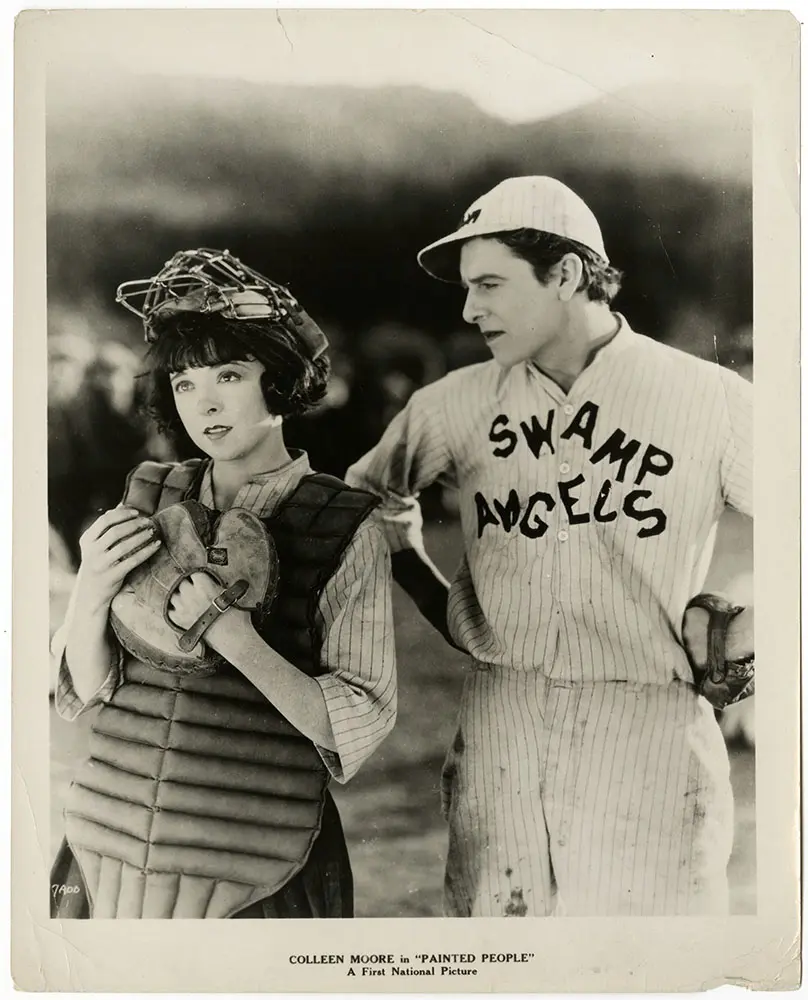
In comparison to other films of its era, Painted People shares a thematic kinship with Richelieu (1920), which also explores the intricacies of social class and the pursuit of ambition. Similarly, Dangerous Days (1920) and Solomon in Society (1920) offer thought-provoking examinations of the social conventions that govern our lives.
In conclusion, Painted People is a masterful achievement in silent cinema, offering a poignant exploration of the human condition and the enduring power of love and connection. With its expertly crafted narrative, outstanding performances, and timeless themes, this film is a must-see for cinephiles and scholars of early cinema.
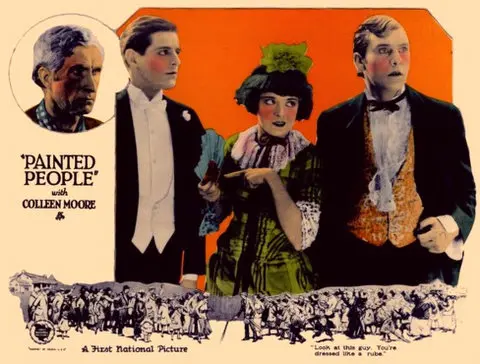
The film's technical achievements are equally impressive, with innovative cinematography and artistic editing that elevate the narrative to new heights. The accomplished screenplay, penned by Richard Connell, Adelaide Heilbron, Edward J. Montaigne, and Edward J. Montagne, demonstrates a deep understanding of the source material and the characters' inner lives.
In the pantheon of silent films, Painted People occupies a distinguished place, alongside The Silent Witness (1920), The Reed Case (1920), and North of Alaska (1922), as a seminal work that continues to captivate audiences with its enduring themes and ageless charm.
IMDb —
1916
Community
Log in to comment.