DbcultAccessing Vault...
6.8/10
Senior Film Conservator
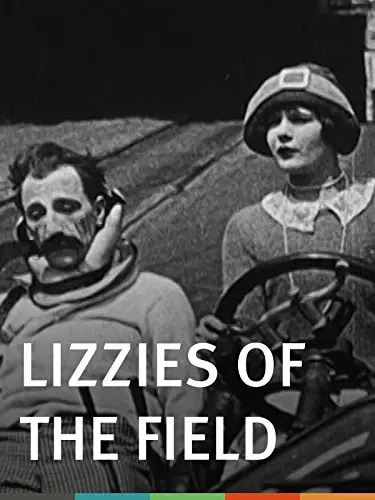
A definitive 6.8/10 rating for a film that redefined the boundaries of cult cinema. Lizzies of the Field remains a cornerstone of transgressive art.
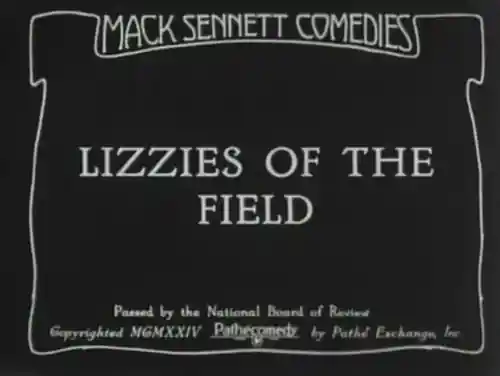
To approach a Mack Sennett production like Lizzies of the Field is to step into a world where the laws of physics are merely polite suggestions and the internal combustion engine is a malevolent trickster god. Released in 1924, this short film represents the zenith of the 'gasoline comedy,' a subgenre that flourished when the automobile was still a novel, somewhat terrifying intrusion into daily life. Unlike the more somber explorations of human frailty found in The Guilty Man, Sennett’s vision is one of pure, unadulterated kinetic energy. The film functions as a frantic documentation of mechanical entropy, where the Ford Model T—affectionately and derisively known as the 'Tin Lizzie'—is both the hero and the victim of the piece.
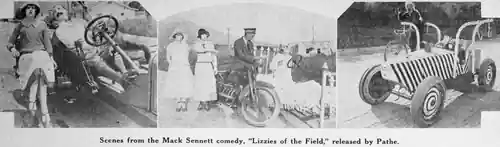
The premise is deceptively simple: two rival garage owners, played with bug-eyed intensity by the ensemble cast, decide to settle their professional grievances through a 250-mile road race. However, in the hands of writers John A. Waldron and Sennett himself, this premise is merely a skeleton upon which to hang a series of increasingly improbable and dangerous stunts. The lexical diversity of the visual gags is staggering; we see cars traversing terrain that would challenge a modern off-road vehicle, wheels detaching with the comedic timing of a vaudeville punchline, and a total disregard for the structural sanctity of the automobile. This isn't just a race; it is a ritualistic destruction of the machine, a theme that resonates deeply within the industrial anxieties of the early 20th century.
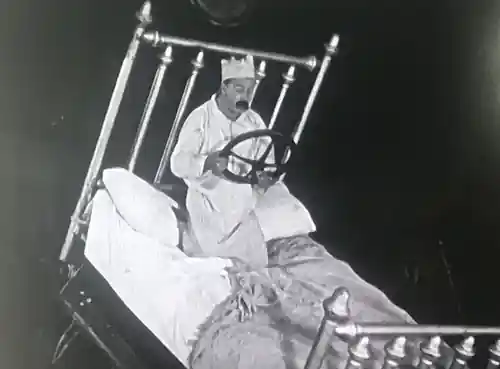
At the heart of this mechanical maelstrom is Billy Bevan, a performer whose physical comedy was as precise as a Swiss watch, even when he was covered in grime and soot. Bevan’s screen presence is anchored by his iconic, oversized mustache, which seems to have a life of its own, twitching in rhythm with the sputtering engines. In Lizzies of the Field, Bevan embodies the everyman mechanic—harried, resilient, and perpetually on the verge of a nervous breakdown. His interactions with Andy Clyde and John J. Richardson create a triumvirate of comedic timing that rivals the best work of the era. While films like Hot Dog utilized animals for their comedic leverage, Sennett here relies on the interplay between man and his recalcitrant tools.
The cast, including the luminous Hazel Williams and the versatile Thelma Hill, provides more than just window dressing. They are participants in the carnage, often subjected to the same harrowing stunts as their male counterparts. The sheer bravery of these performers cannot be overstated. In an age before CGI or sophisticated safety rigs, the sight of a car flipping over or a driver being launched into a ditch was often a captured moment of genuine peril. This authenticity lends the film a visceral edge that modern comedies often lack. When a car in Lizzies of the Field disintegrates, you can almost smell the burnt oil and hear the screech of tortured metal.
One cannot discuss Lizzies of the Field without addressing the technical wizardry of the Sennett studio. The use of 'under-cranking'—filming at a slower frame rate so that the action appears accelerated when projected—is utilized here with surgical precision. This technique transforms a standard car race into a supernatural event. The 'Lizzies' skitter across the screen like insects, their movements jerky and unpredictable. This aesthetic choice heightens the sense of chaos, making the 250-mile race feel like a fever dream. It is a stark contrast to the more deliberate, atmospheric pacing of Mystic Faces or the heavy-handed moralizing of Forget Me Not.
The editing is equally revolutionary. Sennett understood that comedy is found in the rhythm of the cut. The film jumps between the various racers with a frantic energy that mirrors the stuttering pistons of the engines. We see a close-up of a panicked driver, followed immediately by a wide shot of a car soaring through the air, followed by a reaction shot from a bewildered bystander. This rapid-fire montage keeps the audience in a state of perpetual amusement and anxiety. The film does not allow you to breathe; it demands your attention through sheer, relentless movement. It is a precursor to the modern action film, albeit one where the primary goal is a belly laugh rather than a sense of awe.
When contextualizing Lizzies of the Field within the broader landscape of 1920s cinema, its uniqueness becomes even more apparent. While Solid Concrete played with the permanence of urban structures, Sennett’s film celebrates the impermanence of the machine. There is a nihilistic joy in watching these vehicles fall apart. Unlike the romanticized vistas of Where the North Begins, the landscape in Lizzies is merely a series of obstacles—rivers to be splashed through, hills to be rolled down, and fences to be obliterated.
The film also avoids the sentimental traps that many silent comedies fell into. There is no weeping mother or orphaned child to tug at the heartstrings, as one might find in The Belle of Kenosha. Instead, the emotional core of the film is the sheer, stubborn will of the human spirit to keep driving even when the steering wheel has come off in their hands. It is a celebration of resilience through absurdity. Even when compared to international efforts like Il film rivelatore, Sennett's work stands out for its lack of pretension and its absolute commitment to the 'gag' above all else.
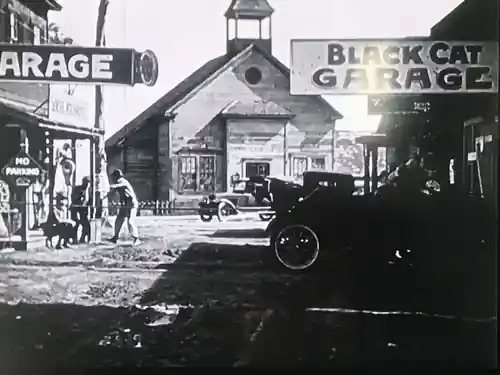
Beyond the slapstick, Lizzies of the Field offers a fascinating glimpse into the American psyche of the mid-twenties. The Ford Model T was the car that 'put the world on wheels,' but it was also a source of constant frustration and ridicule. By centering a comedy around the 'Lizzie,' Sennett was tapping into a universal experience. Every member of the audience in 1924 likely had a story about a car that wouldn't start or a tire that blew out at the worst possible moment. The film acts as a cathartic release for these frustrations. By watching Billy Bevan suffer through the ultimate mechanical nightmare, the audience could laugh at their own struggles with the burgeoning technology of the age.
This connection to the audience is what separates great slapstick from mere tumbling. There is a logic to the madness. When a car in the film miraculously reassembles itself after a crash, it isn't just a visual trick; it's a manifestation of the hope every driver felt when they turned the crank on their own temperamental vehicle. The film captures the transition from the horse-and-buggy era to the automotive age with more accuracy than many 'serious' dramas of the time, such as Hearts of the World, because it focuses on the mundane reality of mechanical failure.
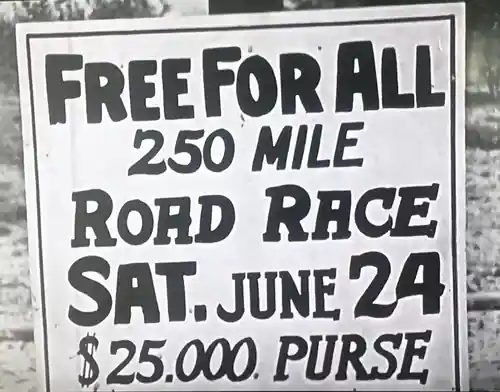
In the final analysis, Lizzies of the Field remains a towering achievement in the realm of the short subject. It lacks the sophisticated narrative layers of The Phantom or the gritty realism of Mr. Dolan of New York, but it possesses something far more elusive: a pure, unadulterated sense of fun. It is a film that understands the inherent comedy of movement and the joy of destruction. The climactic race, with its pile-ups and miraculous recoveries, serves as a blueprint for every car chase that would follow in the decades to come.
As we look back nearly a century later, the brilliance of Mack Sennett and his troupe of lunatics shines brighter than ever. They took the most advanced technology of their day and turned it into a toy, reminding us that no matter how fast we go or how sophisticated our machines become, we are always just one loose bolt away from a hilarious disaster. Lizzies of the Field is not just a relic of the silent era; it is a timeless testament to the enduring power of the well-timed pratfall and the glorious, smoke-filled chaos of the open road.
A quintessential piece of cinematic history that demands to be seen, not just for its laughs, but for its pioneering spirit in the art of the chase.
IMDb —
1925
Community
Log in to comment.