DbcultAccessing Vault...
Cult Review
Senior Film Conservator
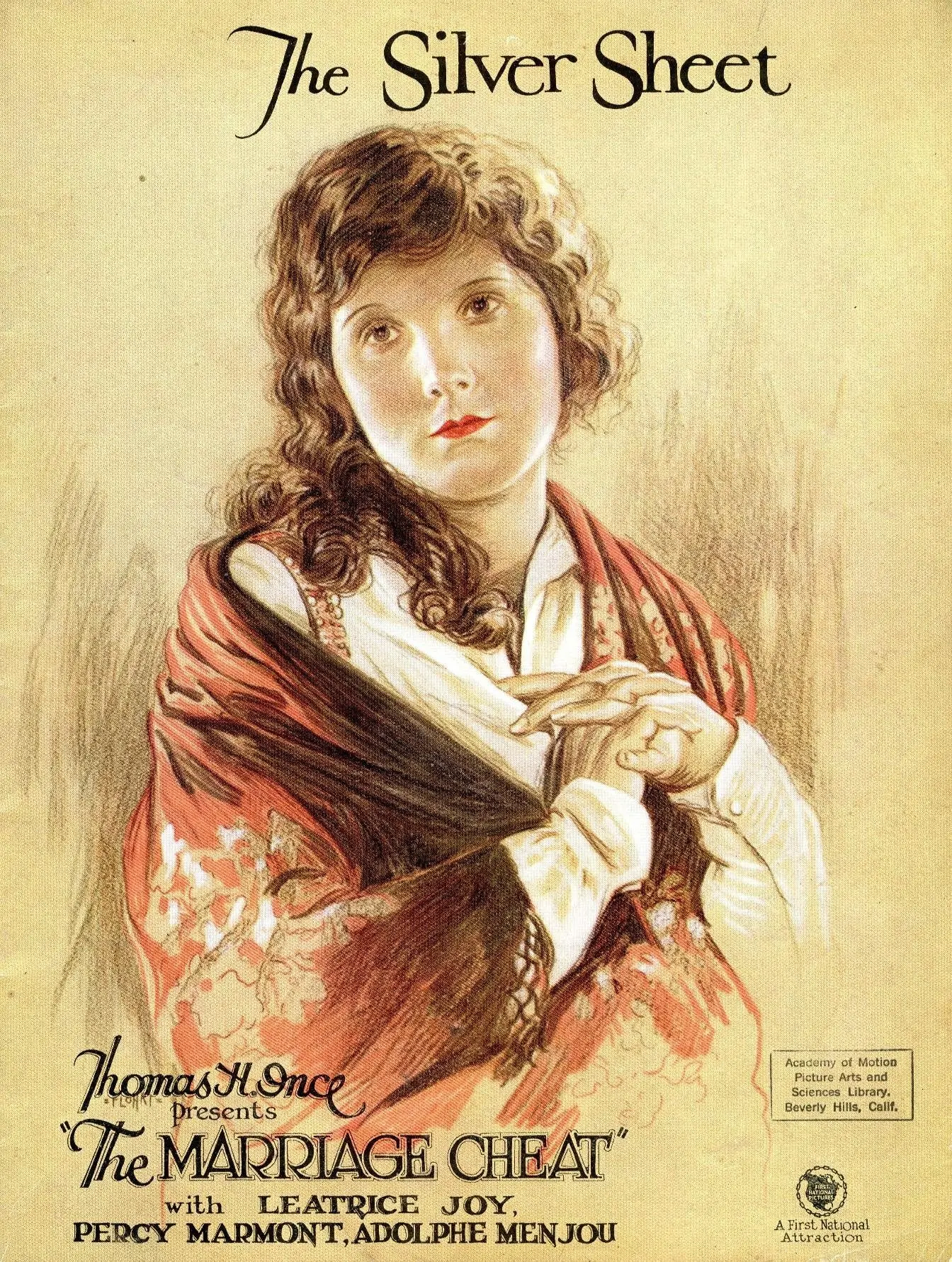
Step back into the roaring twenties, a pivotal era for cinema, and you'll find 'The Marriage Cheat' (1924) standing as a testament to the period's flair for dramatic romance and moral quandaries. This silent film, penned by the collaborative talents of Frank R. Adams and C. Gardner Sullivan, plunges us into a narrative that, while perhaps melodramatic by today's standards, perfectly encapsulated the emotional turbulence and societal anxieties of its time. It’s a compelling journey that begins with a desperate act of defiance and culminates in a resolution forged by the elements themselves, leaving an indelible mark on the viewer's consciousness.
At its core, the film explores the suffocating confines of a loveless, unfaithful marriage and the yearning for liberation. Leatrice Joy, a luminary of the silent screen, embodies Helen Canfield with a nuanced performance that speaks volumes without uttering a single word. Her initial portrayal of Helen is one of profound weariness, a woman trapped in a gilded cage, her spirit slowly eroding under the relentless tide of her husband's philandering. Adolphe Menjou, a master of sophisticated villainy, plays Canfield, the husband, with an almost casual arrogance that makes his transgressions all the more galling. He is not merely a cad; he is a symbol of the societal hypocrisy that often bound women to such misery, even amidst outward appearances of affluence and luxury. The opening scenes on the pleasure yacht are crucial, establishing the stark contrast between the glittering facade of wealth and the barren landscape of Helen's emotional life. Her spontaneous leap into the ocean is not just an act of escape, but a symbolic rebirth, a shedding of the old self in a desperate bid for existential freedom.
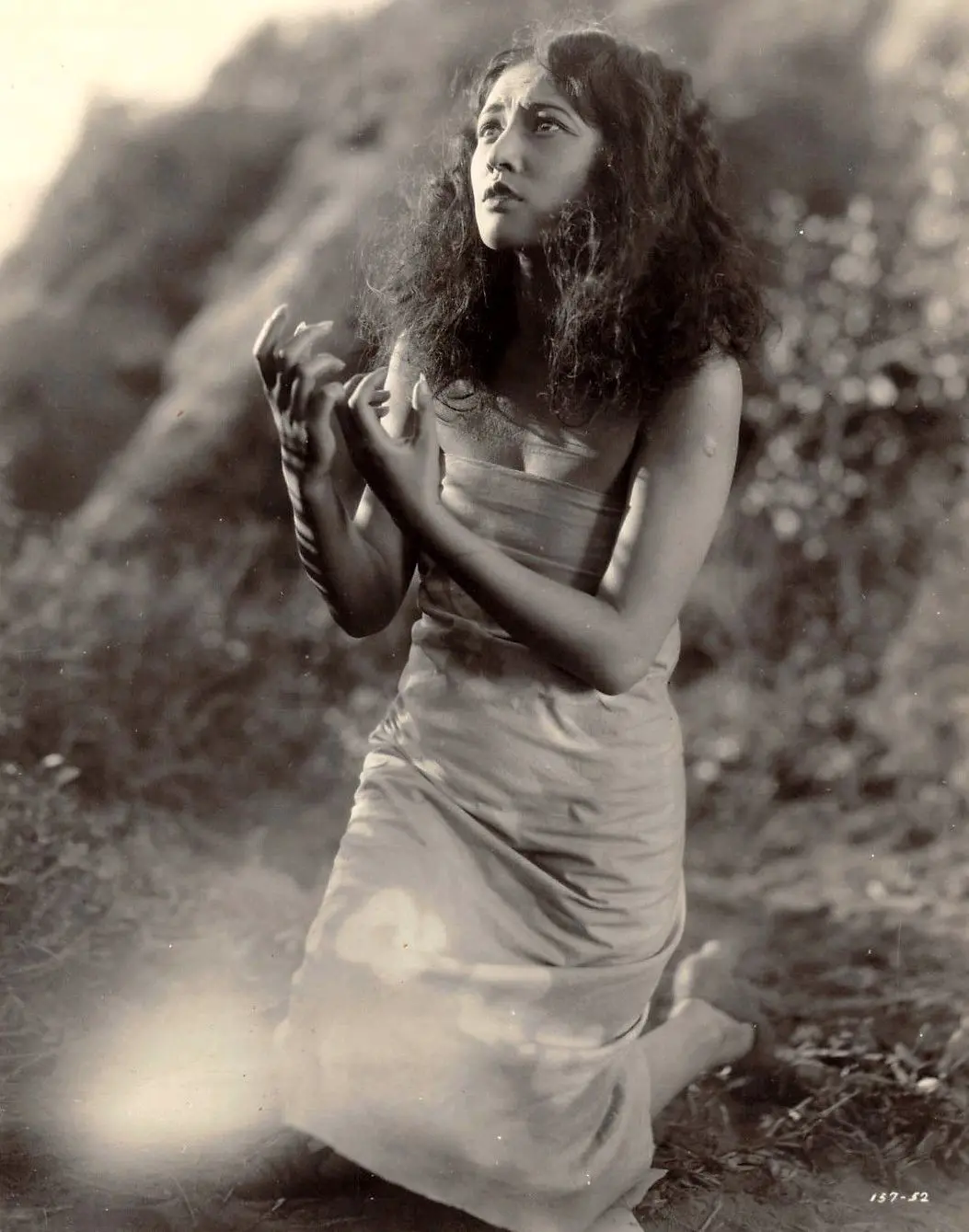
The narrative then shifts dramatically, transporting us from the artificiality of high society to the raw, untamed beauty of a South Seas island. This geographical transition is also a metaphorical one, moving Helen from a world of deceit to one of presumed purity and natural law. Here, she is rescued by indigenous natives, a common trope in early cinema, which, while potentially problematic through a modern lens, served to highlight her complete detachment from her former life. It is on this idyllic island that she encounters Paul Mayne, portrayed with earnest conviction by Percy Marmont. Marmont brings a quiet strength and moral integrity to the missionary character, creating a compelling counterpoint to Menjou's dissolute Canfield. The blossoming romance between Helen and Paul is depicted with a tender sincerity, a love born of shared vulnerability and a mutual yearning for something genuine. The island becomes a sanctuary, a place where Helen can heal and rediscover herself, free from judgment and the crushing weight of societal expectations. Their love story, unfolding against a backdrop of swaying palms and azure waters, feels both inevitable and profoundly deserved, a balm to Helen's wounded soul.
However, the film, true to its melodramatic roots, does not allow this newfound bliss to remain untroubled. The revelation of Helen's pregnancy – carrying her absent husband's child – introduces a complex layer of moral conflict. This biological link to her past acts as a constant, tangible reminder of the ties she cannot simply sever. It forces Paul, the devout missionary, to confront the clash between his spiritual tenets and his earthly desires. The film deftly explores this internal struggle, showing Paul's agony as he grapples with the implications of loving a woman who is, technically, still married and now carrying another man's child. This predicament elevates the film beyond a simple romance; it becomes a study in moral compromise and the often-unforgiving dictates of conscience.

Just as Helen and Paul begin to forge a life together, the past, in the form of Canfield, dramatically resurfaces. His return is a jarring intrusion, shattering the fragile peace they had built. Menjou’s portrayal here is particularly effective, embodying the entitlement of a man who believes he owns his wife, regardless of her feelings or experiences. The confrontation between Canfield, Helen, and Paul is fraught with tension, a silent battle of wills and moral standings. Paul, adhering to a strict code of honor and societal convention, reluctantly cedes Helen back to her husband. This act of self-sacrifice, while heartbreaking, reinforces his character's integrity, even as it plunges Helen back into despair. It's a moment that resonates with the prevailing societal norms of the era, where marital vows, however broken by one party, still held immense sway, especially over the woman.
The emotional weight of Helen's forced return is palpable. Leatrice Joy's ability to convey profound sorrow and resignation through facial expressions and body language is a testament to her acting prowess. One can almost feel the walls closing in on her again, the specter of her former life reasserting its dominance. This segment of the film is a masterclass in silent storytelling, relying heavily on the visual impact of the actors' performances and the directorial choices to convey the depth of despair and loss. It reminds one of the poignant struggles depicted in films like Poor Men's Wives, which also explored the limitations and heartbreaks faced by women within the institution of marriage, albeit from a different socioeconomic perspective. While 'The Marriage Cheat' focuses on the upper echelons, the emotional entrapment is a universal theme. The contrast between Helen's brief taste of freedom and her abrupt return to bondage underscores the film's commentary on societal expectations versus individual happiness.
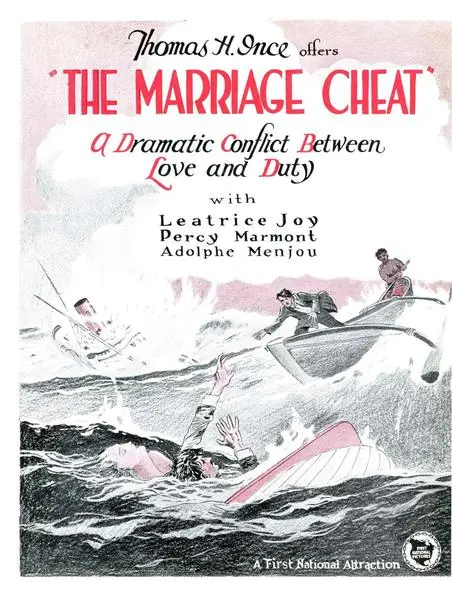
Just when all hope seems lost, the film introduces its climactic, and perhaps most convenient, plot device: a raging storm. This tempest is not merely a background element; it is an active participant in the narrative, a force of nature that mirrors the emotional turmoil of the characters. During this furious squall, Canfield is tragically drowned. This act of divine intervention, or perhaps a cinematic deus ex machina, serves to resolve the seemingly intractable moral dilemma. His death, while shocking, is presented as a necessary, almost redemptive, event, clearing the path for Helen and Paul to finally be together without the stigma of bigamy or betrayal. The storm sequences, likely achieved through then-cutting-edge special effects, would have been quite impactful for audiences of the time, adding a visceral layer of danger and excitement to the narrative.
The resolution, while tidily convenient, provides the emotional catharsis the audience craves. The lovers are reunited, their bond now sanctified not by societal decree, but by the raw, unyielding power of fate. This ending, while perhaps a bit too neat for contemporary tastes, was a common and often satisfying trope in silent era melodramas, offering a clear triumph of good over evil, and love over adversity. It speaks to a yearning for justice and happiness, even if it requires a dramatic, external force to achieve it. The film, in its final moments, suggests that true love, when tested by the crucible of hardship, will ultimately prevail, finding its rightful place even against the most formidable obstacles. This theme of ultimate triumph against overwhelming odds can be seen in other dramatic narratives of the period, albeit with different resolutions, such as Les Misérables (1917), where individual struggles against societal injustices are central, though the outcomes are often more tragic and complex.

The success of 'The Marriage Cheat' hinges significantly on its cast, particularly the nuanced performances of Leatrice Joy. Her ability to convey Helen's emotional arc – from despair to hope, love, resignation, and finally, peace – without spoken dialogue is remarkable. She uses her eyes, her posture, and subtle gestures to communicate volumes, drawing the audience deep into Helen's psyche. Adolphe Menjou, as the philandering husband, brings a suave, almost charming villainy to Canfield, making his character both detestable and, in a strange way, captivating. His performance is a masterclass in silent film antagonist portrayal, avoiding caricature in favor of a more insidious, believable arrogance. Percy Marmont, as Paul, provides the moral compass and emotional anchor for Helen, his sincerity a stark contrast to Menjou's depravity. The chemistry between Joy and Marmont, though largely unspoken, is palpable, lending credibility to their burgeoning romance.
The direction, while not explicitly attributed in the typical modern sense, navigates the shifting tones of the narrative with considerable skill. The visual storytelling is paramount, utilizing the exotic South Seas setting to its full potential, juxtaposing its natural beauty with the human drama unfolding within it. The use of intertitles is effective, providing necessary exposition and character thoughts without disrupting the flow of the visual narrative. The cinematography likely played a crucial role in establishing mood and atmosphere, from the opulent yacht scenes to the tranquil island vistas and the dramatic storm sequences. The film's overall aesthetic would have been in line with the sophisticated visual language developing in Hollywood during the mid-1920s, a period of immense innovation in cinematic technique. One can imagine the visual parallels with other contemporary silent features, such as Yolanda, in terms of grand sets and sweeping romantic gestures, though 'The Marriage Cheat' leans more into a domestic drama with exotic flair.
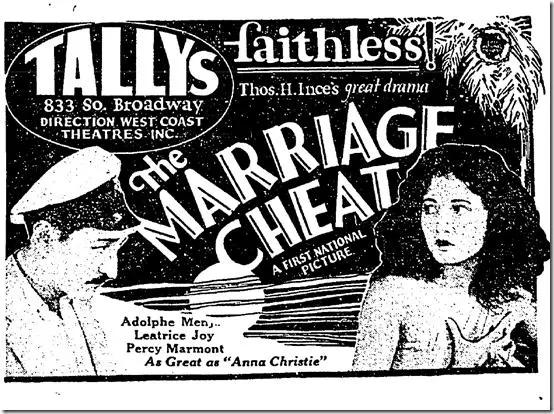
'The Marriage Cheat' is more than just a romantic melodrama; it's a reflection on societal hypocrisy, the constraints placed upon women, and the enduring human desire for genuine connection and freedom. The film's exploration of fidelity, morality, and destiny, set against a backdrop of exotic escapism, would have resonated deeply with audiences grappling with the changing social landscape of the post-World War I era. The 'flapper' generation was challenging old norms, and films like this, while seemingly traditional in their ultimate resolution, nonetheless tapped into the underlying anxieties and desires for personal autonomy. The screenplay by Frank R. Adams and C. Gardner Sullivan, while adhering to the dramatic conventions of the time, crafted a compelling emotional journey for its protagonist, ensuring that Helen's struggles felt real and her triumphs earned, even if by a stroke of fate. The writers understood the power of a good romantic entanglement, especially when spiced with moral dilemmas and exotic locales, a formula that proved successful in many films of that epoch, much like the adventurous spirit found in films such as The Galloping Kid, though obviously in very different genres.
The film's exploration of the 'cheat' in marriage is multifaceted. It's not just Canfield's infidelity; it's the societal cheat that binds Helen to a loveless union, the cheat of appearances over reality, and perhaps, the cheat of fate itself that initially separates her from true happiness. Yet, ultimately, the film delivers a message of hope: that love, in its purest form, can overcome even the most daunting obstacles, and that sometimes, the universe conspires to right the wrongs. While 'The Marriage Cheat' might not be as widely recognized today as some other silent classics, it remains a potent example of the era's storytelling prowess, its ability to evoke profound emotion through visual artistry, and its enduring appeal as a tale of love, loss, and ultimate redemption. It’s a film that reminds us of the power of cinema to transport, to challenge, and ultimately, to satisfy the human heart's deepest yearnings, proving that a compelling narrative, even without spoken words, can resonate across generations. For those who appreciate the rich tapestry of silent cinema, 'The Marriage Cheat' offers a captivating glimpse into the romantic and moral complexities that defined an unforgettable era of film history.
A dramatic voyage across treacherous waters, both literal and metaphorical, 'The Marriage Cheat' remains a fascinating study of human resilience and the unpredictable currents of destiny.
IMDb —
1925
Community
Log in to comment.