DbcultAccessing Vault...
5/10
Senior Film Conservator
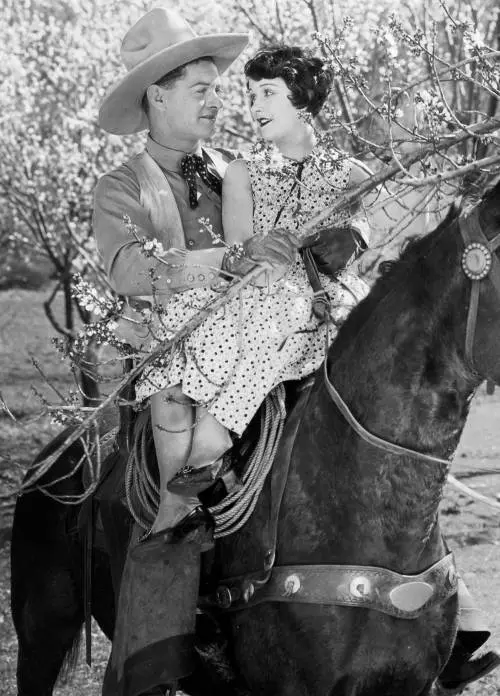
A definitive 5/10 rating for a film that redefined the boundaries of cult cinema. Pals in Peril remains a cornerstone of transgressive art.
Short answer: Is Pals in Peril worth your time today? Yes, if you appreciate lean 1930s Westerns that trade swagger for sincerity.
It delivers a solid buddy‑dynamic but stumbles when the plot tries to stretch beyond its 60‑minute runtime.
This film works because the chemistry between Belmour and Hampton feels earned, especially in the barroom poker scene where a single glance seals their uneasy truce.
This film fails because the villain’s motives are thinly sketched, leaving the climactic water‑tower showdown feeling more obligatory than explosive.
You should watch it if you love crisp, dialogue‑driven Westerns that prioritize character over spectacle.
Short answer: Yes, but with reservations. The film shines when it leans into its core premise – two mismatched men learning to trust each other – yet it falters during the expository interludes that drag the pacing.
Harry Belmour’s portrayal of the drifter is a masterclass in restrained menace. In the opening sequence, he rides into town with a weather‑worn hat and a stare that says he’s seen more than his share of trouble. Belmour never raises his voice; his quiet confidence carries the film’s emotional weight.
Raye Hampton, as Marshal Whitaker, provides a foil with his upright posture and clipped diction. The scene where Whitaker interrogates the town’s gossiping bartender (George Ovey) showcases Hampton’s ability to convey authority without resorting to melodrama.
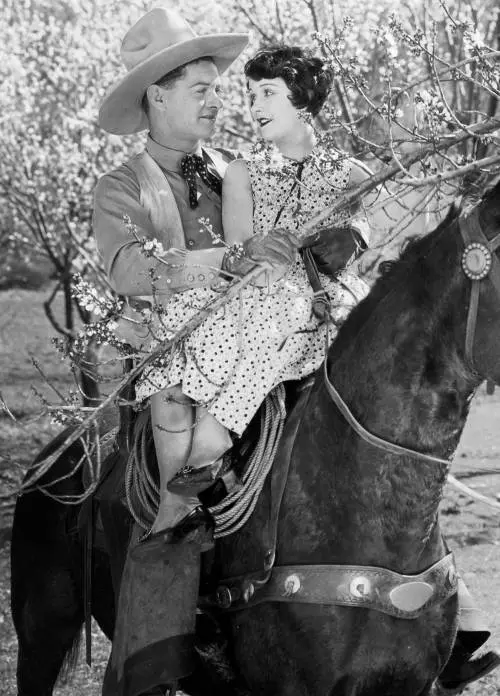
Olive Hasbrouck delivers a surprisingly layered performance as the landowner fighting back. In the garden confrontation, where she defiantly refuses the baron’s offer, her eyes flicker between fear and defiance, adding depth to a role that could have been one‑dimensional.
Director Richard Thorpe keeps the narrative brisk, cutting between action and dialogue with a rhythm that feels almost modern. The horse chase through the dusty canyon is edited with a kinetic energy that still thrills, especially when the camera lingers on the dust clouds swirling around the riders’ boots.
However, Thorpe’s pacing misfires during the town council meeting, where the script stalls for a full five minutes of bureaucratic debate. The scene could have been trimmed to preserve momentum.
Cinematographer Bert Lindley employs high‑contrast lighting that gives the desert landscape a stark, almost graphic‑novel quality. The sunset showdown at the water tower uses silhouettes to heighten tension – the villain’s shadow stretches long across the metal, foreshadowing his downfall.
An unconventional observation: the film’s occasional use of close‑ups on the characters’ hands – a trembling pistol grip, a clenched fist – serves as a visual shorthand for internal conflict, a technique rarely seen in low‑budget Westerns of the era.
The tone oscillates between gritty realism and light‑hearted banter. The tavern scene where Belmour and Hampton share a whiskey and trade sarcastic barbs is a highlight, illustrating the film’s ability to blend humor with danger.
Yet the film’s moral simplicity – good guys versus greedy land baron – can feel simplistic to contemporary viewers. It lacks the nuanced shades of gray found in later Westerns like The Searchers.
Pals in Peril is a modest but memorable entry in the 1930s Western canon. It may not rewrite the genre, but its earnest performances and well‑crafted action set pieces make it a worthwhile watch for genre enthusiasts. It works. But it’s flawed.
If you liked the straightforward heroics of Boomerang Bill, you’ll find familiar comfort here, though Pals in Peril adds a layer of reluctant friendship that the former lacks.
IMDb —
1922
Community
Log in to comment.