DbcultAccessing Vault...
6/10
Senior Film Conservator
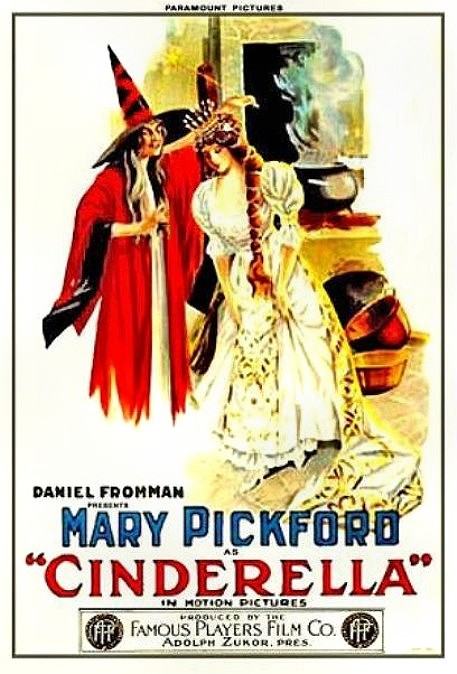
A definitive 6/10 rating for a film that redefined the boundaries of cult cinema. Cinderella remains a cornerstone of transgressive art.
When the early twentieth‑century audience first glimpsed Cinderella, they were greeted by a visual poetry that married Charles Perrault's classic narrative with the nascent language of cinema. The film, headlined by the luminous Mary Pickford, does more than recount a familiar story; it distils the mythic resonance of oppression, transformation, and redemption into a series of meticulously composed tableaux.
Mary Pickford, already celebrated as "America's Sweetheart," inhabits the titular role with a nuanced blend of fragility and steel. Her eyes, often the sole conduit for dialogue in this silent medium, convey a yearning that is both personal and archetypal. The subtle quiver of her shoulders as she kneels to scrub the hearth is a masterclass in restrained pathos.
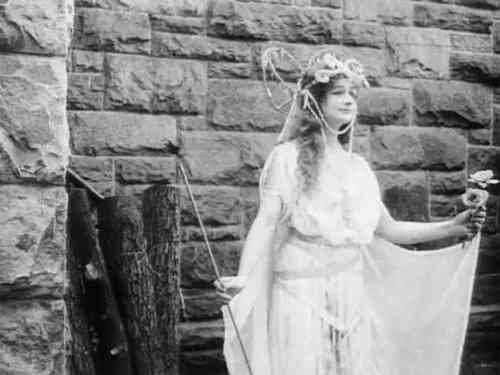
Hayward Mack, cast as the prince, offers a regal bearing that never descends into caricature. His gestures are measured, his smile restrained, allowing the audience to project their own fantasies of princely grace onto his figure. Georgia Wilson, portraying the cruel stepmother, employs exaggerated haughtiness that, while melodramatic by modern standards, perfectly aligns with the theatrical conventions of the era.
Inez Ranous and Lucille Carney, as the stepsisters, deliver performances that oscillate between comic excess and malicious intent, a duality that underscores the film's tonal elasticity. Owen Moore’s cameo as the royal herald adds a touch of gravitas, his crisp movements framing the climactic slipper trial with a ceremonial solemnity.
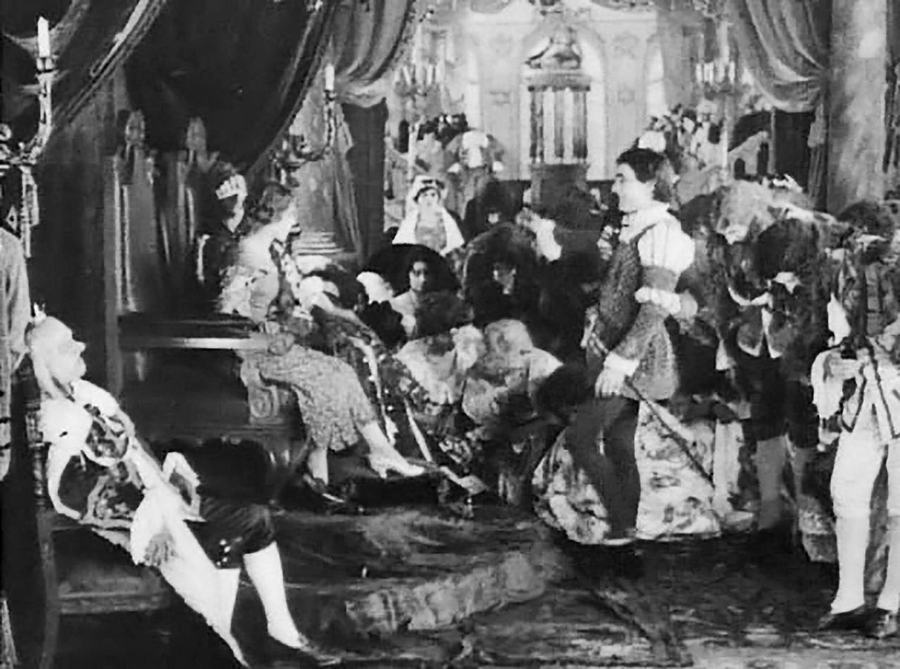
The cinematography, though constrained by the technological limits of 1914, exploits chiaroscuro to great effect. Shadows loom large over Cinderella's domestic quarters, emphasizing her subjugation, while the ballroom sequences burst into luminous frames, the camera gliding to capture the swirling gowns and glittering chandeliers. The director’s choice to juxtapose the muted greys of the kitchen with the saturated hues of the ball mirrors Cinderella’s internal metamorphosis.
One cannot overlook the film’s use of practical effects during the fairy godmother’s intervention. A clever cut, paired with a burst of sparkling powder, transforms a pumpkin into a carriage, a visual metaphor for the alchemical power of hope. This moment, though simple, reverberates with a kinetic energy that anticipates later cinematic spectacles.
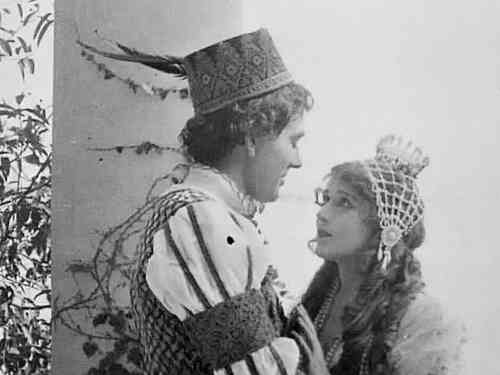
Charles Perrault's original tale provides a sturdy scaffolding, yet the screenplay expands upon peripheral characters, granting the stepsisters occasional moments of vulnerability that hint at a deeper familial dysfunction. The pacing is deliberate: each act builds upon the preceding emotional stakes, leading to the iconic glass‑slipper climax. The film’s denouement—Cinderella’s ascension to royalty—serves not merely as a happy ending but as a cultural affirmation of meritocratic ideals prevalent in post‑Victorian society.
Comparatively, the narrative rhythm of Oliver Twist shares a similar trajectory: an orphaned protagonist navigating a hostile environment, ultimately finding redemption. Both films employ visual motifs—dark alleys, bright interiors—to underscore the protagonists' journeys from obscurity to illumination.
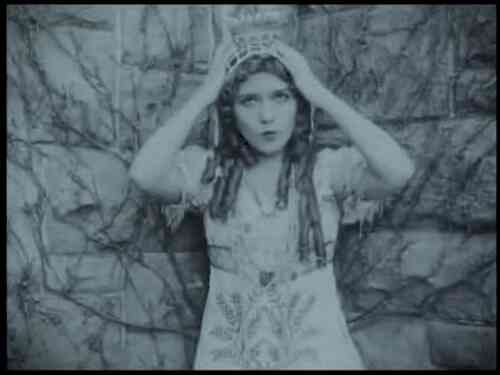
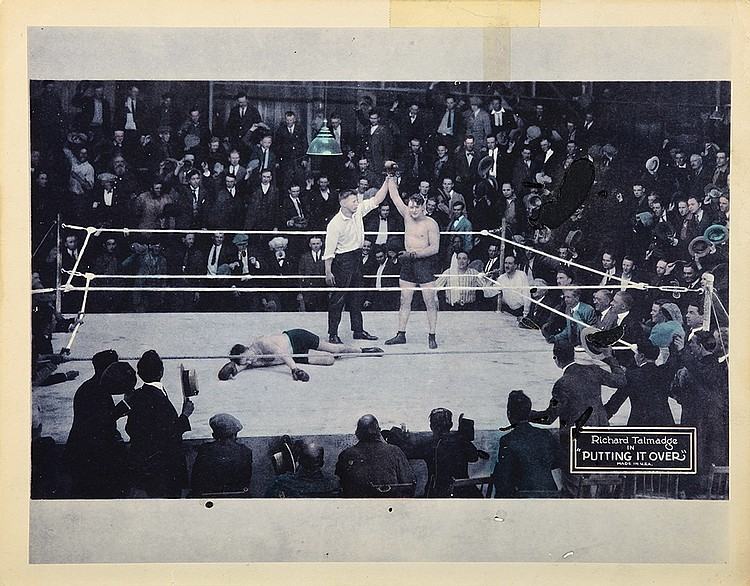
In the broader panorama of early cinema, Cinderella stands alongside works such as The Corbett‑Fitzsimmons Fight and Peril of the Plains, which illustrate the period’s fascination with spectacle, whether sporting triumphs or frontier mythos. While those titles revel in kinetic action, Cinderella offers a contemplative counterpoint, inviting viewers to linger on the emotional texture of each scene.
At its core, the film interrogates the rigid hierarchies of gender and class. Cinderella’s ascent is not merely a romantic fantasy; it is a subversive commentary on the possibility of social mobility through virtue—a notion that resonated deeply with audiences amid the rapid industrialization of the early 1900s.
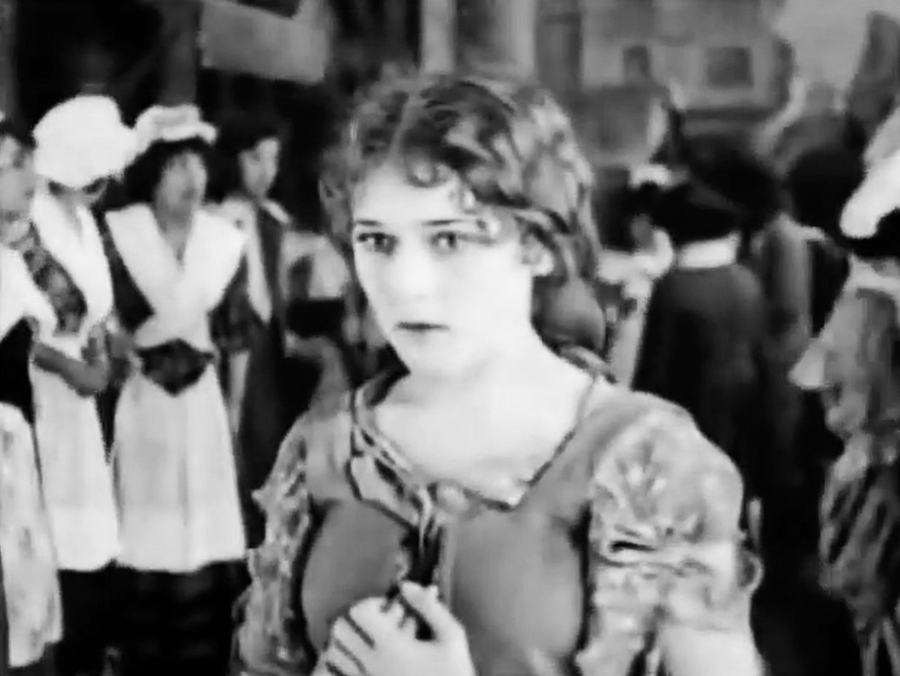
The fairy godmother, a figure of feminine power, operates outside patriarchal structures, bestowing agency upon Cinderella without the need for male intervention. This dynamic anticipates later feminist readings of the tale, positioning the film as a proto‑feminist artifact within the silent era.
When juxtaposed with Life and Passion of Christ, a contemporaneous religious epic, both films employ visual allegory to convey moral truths. While one draws upon divine salvation, the other leverages magical intervention; nevertheless, each underscores the transformative power of faith—be it spiritual or personal.
The editing rhythm is deliberately measured, allowing each tableau to breathe. Cross‑fades between the kitchen and ballroom serve as visual bridges, underscoring the stark dichotomy of Cinderella’s world. Set designers employed authentic period furnishings for the royal palace, while the domestic scenes were constructed with an eye for texture—rough wooden beams, soot‑stained walls—to heighten realism.
Costume design merits particular praise. Pickford’s rags are rendered in muted earth tones, emphasizing her lowly status, whereas the ballroom gown dazzles in a cascade of silk, its hue echoing the dark orange of royalty. The glass slipper, a prop of exquisite craftsmanship, glints with a metallic sheen that catches the light, becoming a visual anchor for the film’s climactic tension.
Upon its release, contemporary critics lauded the film’s visual splendor and Pickford’s emotive performance. Trade publications highlighted its box‑office draw, noting that families flocked to see the beloved fairy‑tale brought to life. Decades later, film scholars cite Cinderella as a pivotal work in the evolution of narrative cinema, particularly for its synthesis of literary adaptation and visual storytelling.
Its influence persists in modern retellings, from Disney’s animated classic to recent live‑action reinterpretations. The archetypal image of the glass slipper remains an indelible cultural signifier, a testament to the film’s enduring imprint on popular imagination.
In sum, Cinderella transcends its status as a simple children’s story, emerging as a sophisticated meditation on resilience, destiny, and the transformative power of kindness. Its blend of stellar performances, inventive visual effects, and thematic depth ensures its relevance for scholars and cinephiles alike. Whether viewed as a historical artifact or a timeless narrative, the film continues to sparkle—much like the glass slipper at the heart of its myth.
IMDb —
1922
Community
Log in to comment.