DbcultAccessing Vault...
5.9/10
Senior Film Conservator
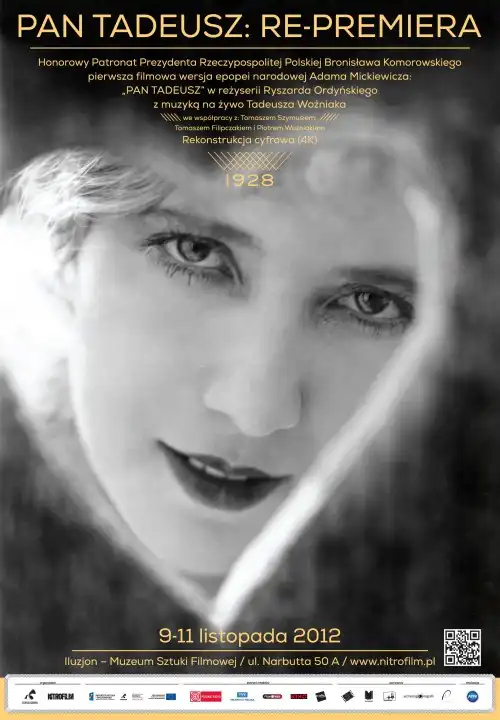
A definitive 5.9/10 rating for a film that redefined the boundaries of cult cinema. Pan Tadeusz remains a cornerstone of transgressive art.
So, you’re thinking about watching Pan Tadeusz? Well, let’s get this straight from the start: it’s a silent film from 1928. That’s a big deal. If you’re someone who loves old cinema, especially the kind that relies on pure visual storytelling and grand, almost theatrical gestures, then yes, this is absolutely worth checking out today. History buffs and anyone with a soft spot for Polish culture will find a lot to appreciate here. However, if your idea of a good time is explosions and quick cuts, you’re probably going to be a bit bored. 😬
The whole thing kicks off in Paris, which feels pretty stark and grey. Then, almost immediately, we dive into the main character’s memories. Józef Trebicki plays the emigrant, and his face, even in black and white, really sells that deep sense of longing. He’s not just recalling; he’s *feeling* every bit of that past.
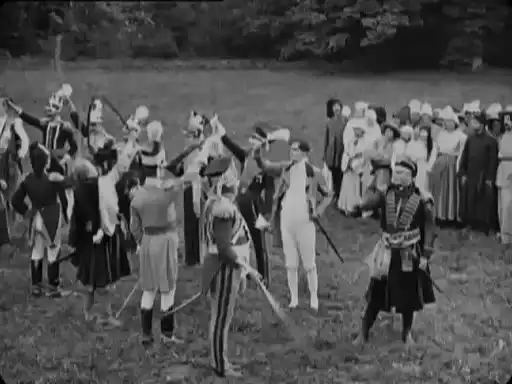
The movie is basically a series of vignettes from his youth in rural Lithuania, which was part of Poland back then. It’s all very idyllic, almost painfully so. You can practically smell the fresh air through the screen. The cinematography really tries to make the landscapes feel huge and important.
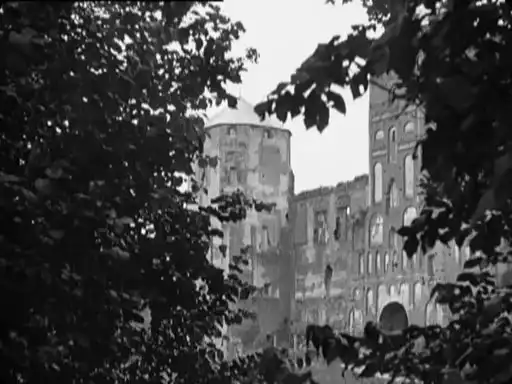
There are these long, sweeping shots of fields and forests, and you just get lost in them. It’s not just scenery; it’s like the land itself is a character in his memory, vibrant and alive. You really feel the movie trying to pull you into this *lost world*.
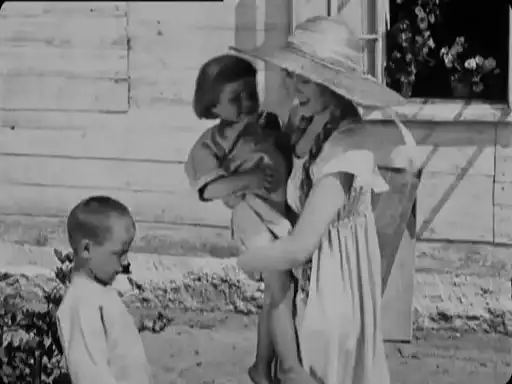
The characters are, well, *characters*. They’re not subtle, but they don't need to be. It’s silent film acting, after all. Everything is a little bigger, a little more expressive, which sometimes works brilliantly and sometimes makes you grin. Mariusz Maszynski as Jacek Soplica, for instance, has this whole dramatic arc, and you follow it just through his presence.
One scene that really stuck with me was a big gathering, maybe a feast or a formal dinner, I can’t quite remember the exact reason. But the sheer number of extras, all bustling about, gives this wonderful sense of a community. You see faces everywhere, some looking really serious, others just sort of… *there*. It felt very authentic, like a snapshot from a real, busy life.
There’s also this hunting sequence, which feels incredibly dramatic. It’s a bit over the top, sure, with everyone riding around. But it captures the energy of the event. It’s one of those moments where the film leans into its epic poem roots. You can almost hear the excitement even without sound. 🏹
The pacing is, shall we say, deliberate. It moves like a memory itself, sometimes lingering on a face or a view, then jumping to another moment. It's not a film that rushes you. The intertitles are pretty good for the most part, helping you keep track of who’s who and what’s going on, but sometimes you wish for a bit more action to explain things.
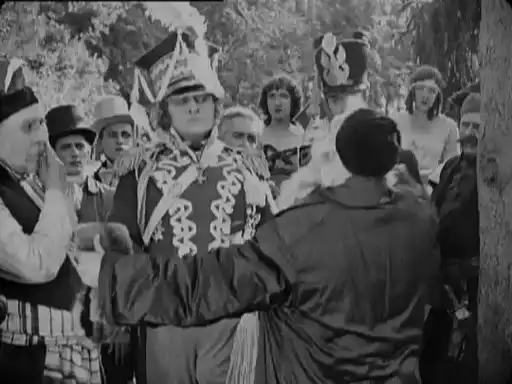
What I found interesting is how the film captures not just events, but emotions. The idea of *love* and *happiness* is portrayed through gentle glances and shared smiles, all very tender. It’s not about grand declarations, often. More the quiet moments between people.
Honestly, *Pan Tadeusz* feels less like a strict narrative and more like a beautifully animated photo album. It’s less about 'what happens next' and more about ‘what it felt like to be there’. And for a film made so long ago, that feeling still comes through quite strong. It’s a special kind of viewing experience, if you let it be. ✨
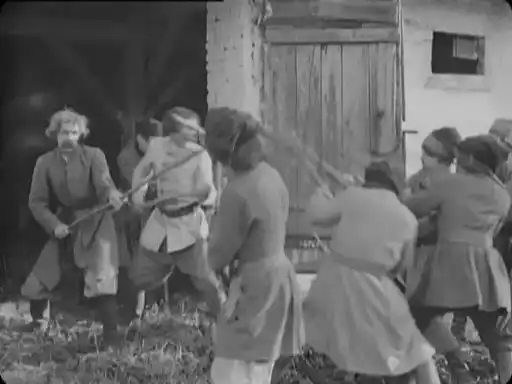
It’s not perfect, no film ever is. Some of the acting might feel a tad dated for modern eyes, a bit too melodramatic perhaps. But that’s part of the charm of silent film, I think. You learn to watch differently. You really have to engage with the visual cues, the body language. And the occasional slightly blurry shot reminds you of its age, which is kinda neat.
So, if you’re up for a patient, visually rich journey into a bygone era and don't mind a lack of dialogue, give it a shot. It's a real piece of history, and you feel that in every frame. It's a quiet film, but it *speaks* to you in its own way. Maybe not to everyone, but it’s there for those who listen. 🕰️
IMDb —
1935
Community
Log in to comment.