DbcultAccessing Vault...
Cult Review
Senior Film Conservator
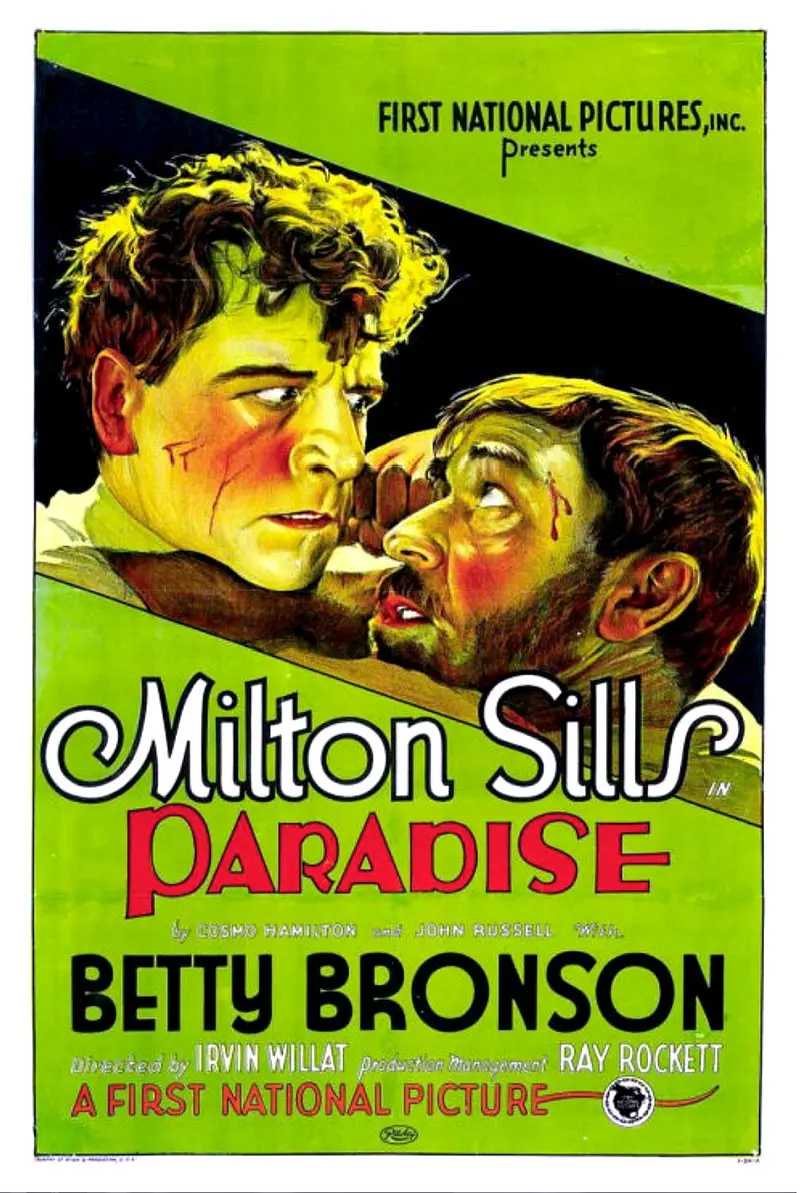
Does the silent film ‘Paradise’ warrant your attention in the bustling landscape of modern cinema? Short answer: yes, but with significant caveats that demand a specific kind of viewer.
This film is an intriguing relic for silent film enthusiasts, cultural historians, and those fascinated by early 20th-century exoticism, but it will likely alienate casual viewers accustomed to contemporary narrative pacing and sound.
“Paradise,” a silent offering from an era long past, presents a narrative premise so disarmingly simple, yet so deeply rooted in the exoticist fantasies prevalent in early Hollywood, that it almost demands a second look. It’s a film that operates on a logic entirely its own, a logic that, while quaint by today’s standards, was perhaps utterly enchanting to audiences of its time. To approach “Paradise” expecting a modern cinematic experience is to miss the point entirely. This is an archaeological dig into the foundational myths of escapism.
The film’s central conceit – a stunt pilot and his bride becoming island royalty – is less a plot and more a whimsical springboard for exploration. It’s a testament to the power of pure visual storytelling and the audience’s willingness to suspend disbelief in an era where cinema itself was still finding its voice. The charm here lies not in intricate twists, but in the sheer audacity of its premise and the earnestness with which it’s presented.
This film works because of its unique historical context and its unadulterated embrace of a romanticized, escapist fantasy that feels distinctly of its period. It offers a rare glimpse into the preoccupations and narrative conventions of silent cinema, particularly its fascination with the 'other' and the allure of untouched lands.
This film fails because its narrative simplicity and dated cultural portrayals can feel jarring and even problematic to a contemporary audience, making it a challenging watch for those not predisposed to silent film conventions.
You should watch it if you are a dedicated student of film history, possess a genuine appreciation for silent era storytelling, or are intrigued by how early cinema constructed its visions of paradise and exotic adventure. It’s a peculiar, charming piece, but not for everyone.
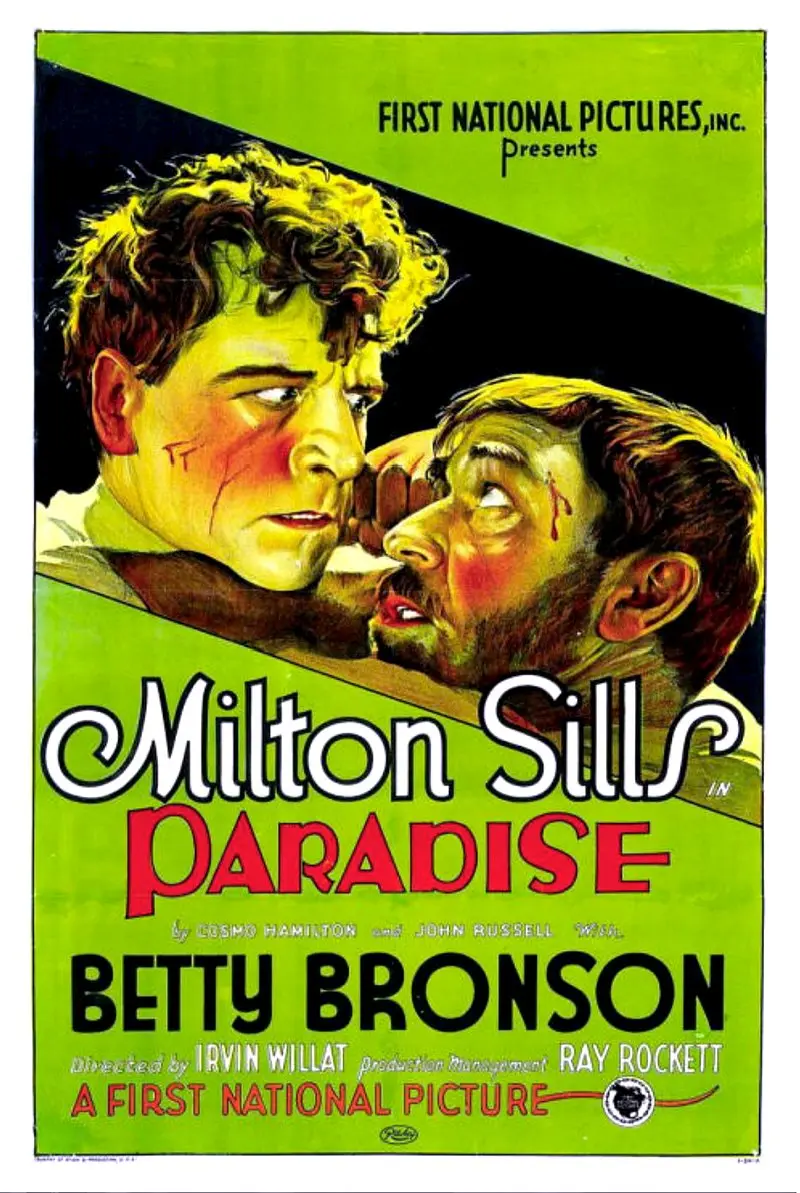
The story of Tony and Chrissie, portrayed by Charles Murray and Kate Price respectively, begins conventionally enough with their marriage. However, the film quickly pivots into the extraordinary. Their arrival on a tropical island, rather than a simple honeymoon, culminates in an unexpected coronation. This sudden elevation to royalty by the island’s native population is the narrative engine, such as it is.
The writers, including Morton Barnard and Cosmo Hamilton, crafted a scenario that leans heavily into the romanticized notion of the 'noble savage' and the untouched paradise. It’s a fantasy of unburdened existence, where societal roles are fluid and a new life can be forged on the whims of a welcoming, if somewhat simplistic, indigenous community. This reinterpretation isn't about deep character arcs; it's about the spectacle of a Western couple navigating an unfamiliar, adoring world.
The film’s strength here is its commitment to this fantasy. It doesn’t waver, even when the implications might seem ludicrous. Instead, it invites the audience to revel in the sheer escapism. The plot isn't complex, but it’s fluid, moving from the personal romance of Tony and Chrissie to their broader, symbolic role as 'King and Queen.' This shift is handled with a light touch, emphasizing wonder over realism.
One could argue that the film’s greatest strength is also its most glaring weakness. The uncritical portrayal of the native population, while typical for the era, feels unsettlingly simplistic today. They exist primarily to facilitate the protagonists' adventure, rather than as fully realized characters with their own motivations. This makes for an uncomplicated narrative, but one that skirts deeper cultural engagement, opting instead for surface-level charm.
In silent cinema, acting is a delicate balance of exaggerated gesture and nuanced facial expression. Charles Murray, as the stunt pilot Tony, brings a certain everyman charm to the role. His performance is largely physical, conveying a sense of adventurous spirit and bewilderment at his newfound status. There’s a convincing earnestness in his interactions, particularly in how he attempts to navigate the customs of his new subjects.
Kate Price, as Chrissie, complements Murray’s energy with a more demure, yet equally captivating, presence. Her expressions often carry the emotional weight, conveying both the joy of marriage and the gentle apprehension of being a queen. Together, they form a believable, if somewhat idealized, couple whose chemistry is communicated through subtle glances and shared smiles, even without dialogue.
The supporting cast, featuring names like Milton Sills and Noah Beery, often provides the necessary contrast or dramatic heft. Sills, a prominent figure of the era, likely brings a gravitas that grounds some of the more fantastical elements. While their roles might not be as central, their presence adds texture to the island community, even if their characters are broadly drawn.
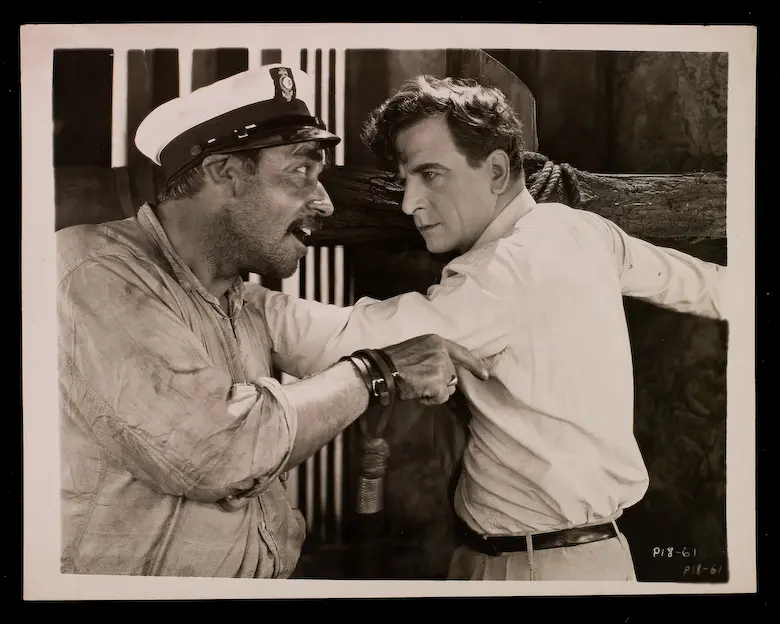
A particular moment that stands out is the coronation sequence itself. The collective expressions of awe and reverence from the native actors, juxtaposed with the slightly stunned reactions of Tony and Chrissie, create a genuinely amusing and heartwarming scene. It captures the essence of the film’s lighthearted tone, showing the actors fully committing to the whimsical premise.
The director, in this case, a collaboration of writers and perhaps an uncredited hand at the helm, faced the challenge of translating 'paradise' onto the screen without the aid of sound. The cinematography is key here. Wide shots of lush landscapes and sun-drenched beaches are employed to establish the idyllic setting, immediately transporting the viewer to this remote haven. The use of natural light would have been paramount, creating a vibrant, almost ethereal quality.
The visual storytelling relies heavily on establishing shots and clear, concise intertitles to convey information and emotion. There’s a deliberate attempt to create an atmosphere of warmth and hospitality, primarily through the depiction of the islanders’ welcoming gestures and the verdant scenery. The 'wedding' ceremony, for instance, is a visually rich sequence, filled with traditional attire and celebratory dances, all designed to immerse the audience in this exotic ritual.
While not groundbreaking in its visual techniques when compared to some of the more experimental silent films, “Paradise” employs a straightforward, effective approach. The camera largely serves to observe, allowing the natural beauty of the setting and the actors’ performances to carry the narrative. It’s a style that prioritizes clarity and charm over complex visual metaphors, making it accessible to a broad audience of its time.
The film’s aesthetic feels distinctly of its era, a time when the novelty of cinema itself was still a major draw. There’s a certain innocence to the visual presentation, an unburdened joy in simply showing beautiful people in a beautiful place. This simplicity, far from being a flaw, becomes part of its enduring appeal as a historical artifact.
The pacing of “Paradise” is undeniably a product of the silent era. It’s slower, more deliberate than what modern audiences are accustomed to. Scenes are often held longer, allowing for the full impact of an expression or a gesture to register. This can feel languid to a contemporary viewer, but it’s essential for appreciating the nuances of silent film acting and storytelling.
The tone is overwhelmingly lighthearted and romantic, with elements of gentle humor derived from the cultural misunderstandings and the sheer novelty of the situation. There’s no deep-seated conflict or dark undertones; the film largely maintains a whimsical, optimistic outlook. This consistent tone is one of its strengths, creating a cohesive and pleasant viewing experience, provided you adjust your expectations.
One might compare its light touch to other romantic comedies of the period, perhaps even something like Ruggles of Red Gap in its fish-out-of-water scenario, albeit with a far more exotic backdrop. The melodrama, a staple of silent cinema, is present but never overwhelming, serving more to heighten the emotional stakes of the romance than to create genuine tension. The film largely avoids the heavy-handed moralizing often seen in other films of the time, opting instead for pure, unadulterated escapism.
Is 'Paradise' worth watching? Yes, for a very specific audience. If you are deeply interested in the evolution of film, particularly silent cinema, or wish to explore the cultural fantasies of the early 20th century, then this film offers genuine value. It is a historical document as much as it is entertainment.
However, for the average modern viewer seeking fast-paced narrative, complex characters, or contemporary sensibilities, 'Paradise' will likely feel slow and dated. It demands patience and a willingness to engage with a different mode of storytelling. It’s a charming curio, but not a universal recommendation.
My unconventional observation is that “Paradise,” despite its seemingly innocent romantic plot, inadvertently serves as a fascinating, if problematic, mirror to the colonial mindset of its time. The ease with which the Western couple is integrated, and indeed elevated, by the native population speaks volumes about the era's assumptions regarding Western superiority and the 'benevolent' imposition of their presence. It’s a subtle undercurrent, perhaps unintentional, but undeniably present.
I'd argue that the film’s greatest legacy isn't its narrative prowess, but its sheer audacity in presenting such an uncritical, escapist fantasy. It works. But it’s flawed. This isn’t a film that challenges its audience; it’s a film that comforts them with familiar tropes, repackaged in an exotic wrapper. This comfort, for some, will be its primary draw, while for others, it will be its biggest barrier.
Another debatable opinion: the film’s lack of explicit conflict, which might be seen as a weakness by modern standards, is actually its strength. It’s a pure fantasy, unburdened by the need for dramatic tension, allowing the audience to simply exist in its idyllic world. This purity is a rare commodity in today’s cinema, where every story must have a 'hook' and a 'climax.'
“Paradise” is not a forgotten masterpiece, nor is it a cinematic revelation. It is, however, a fascinating time capsule, a peculiar and charming artifact from an era when cinema was still defining itself. Its simple story of a stunt pilot and his bride becoming island royalty is a testament to the power of pure, unadulterated escapism. While its pacing and cultural depictions are undeniably dated, its earnestness and unique premise offer a valuable glimpse into the romantic fantasies of early Hollywood. Approach it with patience and an appreciation for film history, and you might just find a quaint, if flawed, slice of silent era charm. It’s not a film to be universally recommended, but for those willing to meet it on its own terms, it offers a surprisingly sweet, if slightly unsettling, journey to an imagined Eden.
IMDb 6.4
1935
Community
Log in to comment.