DbcultAccessing Vault...
6.5/10
Senior Film Conservator
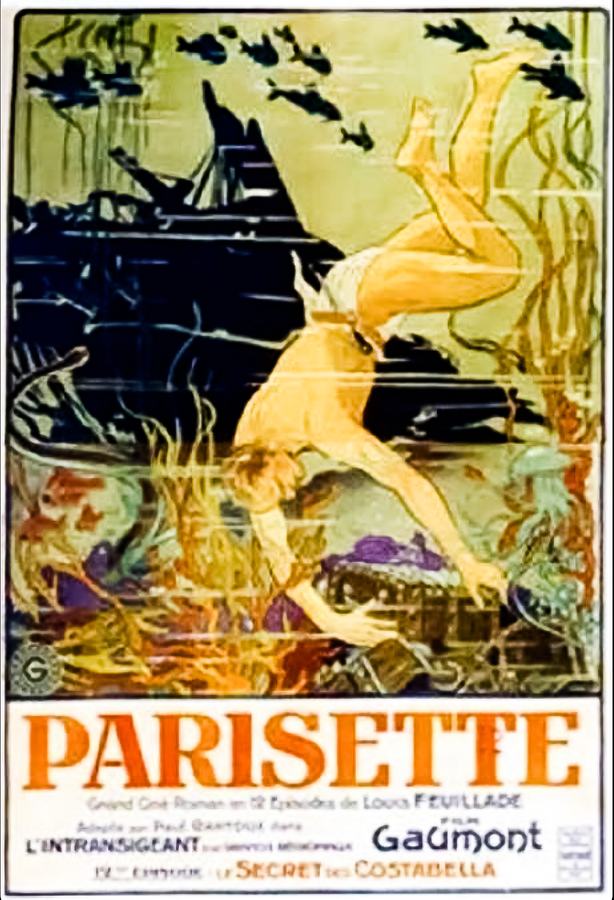
A definitive 6.5/10 rating for a film that redefined the boundaries of cult cinema. Parisette remains a cornerstone of transgressive art.
Parisette is not a film you watch; it is a reliquary you burgle.
Feuillade, fresh from the serial delirium of Les Vampires and Judex, here trades crime syndicates for the slower hemorrhage of faith. Shot on the ramshackle backlots of Nice, the picture exhales nitrate rot and incense, a palimpsest where every frame seems scraped by centuries of candle soot. The Portuguese setting is conjured through striped awnings, fado on crackling shellac, and painted cork bark doubling for cobblestones—yet the illusion holds because the director believes in it with the fervor of a boy staging a puppet Mass.
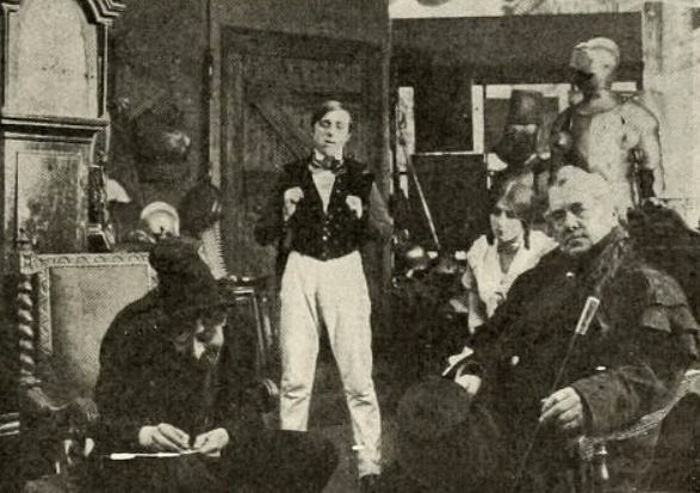
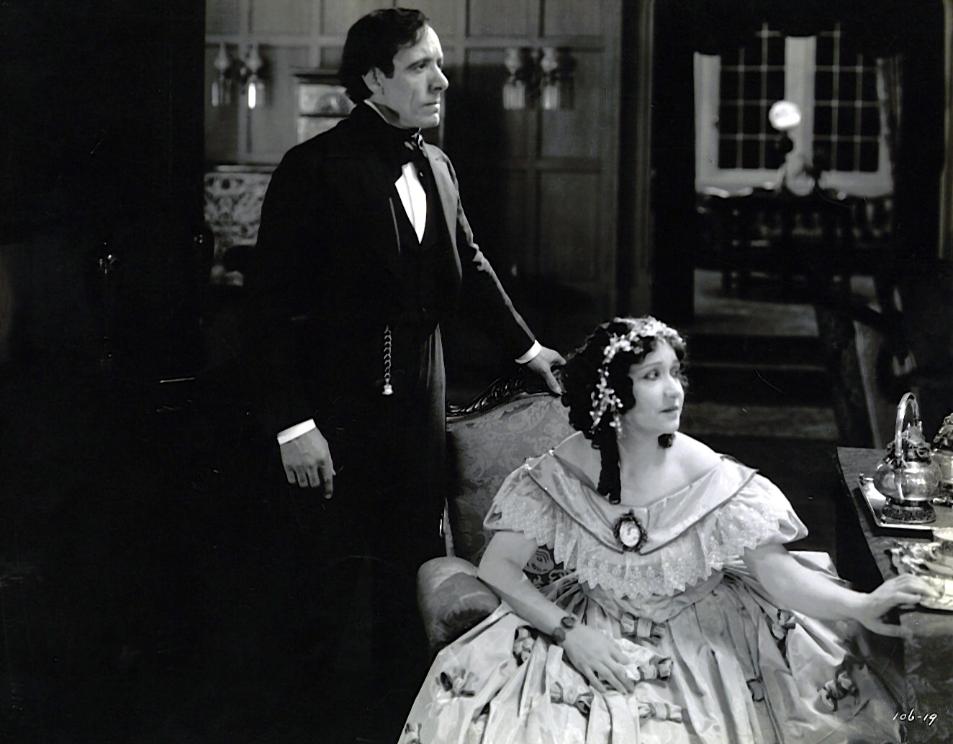
The nobleman, played by Gaston Michel with the bone-weary elegance of a portrait left underwater, arrives wearing dust like a medal. His gait is that of a man who has already died elsewhere and is simply rehearsing the motions. Opposite him, Fernand Herrmann’s Carmelite nun—Sister Conceição—moves within the iron corset of devotion, her wimple a guillotine of starched linen. Between them flits Bouboule’s urchin, unnamed, gender-ambiguous, a paper cut-out glued against cathedral marble. Feuillade refuses to clarify who mirrors whom; instead he stages a triune identity waltz: every time Michel lifts his gaze, Bouboule’s eyes return it through the lattice, and Herrmann’s lips twitch in imperfect synchronization.
Critics who pigeonhole Feuillade as a mere serialist miss the surgical finesse with which he slices the self. Recall The Hand Invisible where telepathy substitutes for montage, or Pro Patria’s patriotic ghosts. Here the doubling is not gimmick but ontology: the nobleman’s ancestral estate has been carved into rented cells; the nun’s convent is a former prison; the urchin’s body is a palimpsest of scars shaped like heraldic lions. All three are tenants in someone else’s story, and the rent is due in soul-stuff.
Cinematographer Léon Donnot treats Iberian sunlight as a corrosive acid. Midday scenes bleach faces into porcelain death-masks; twilight sequences drip cyanotype blue, turning cloisters into aquariums of ink. The camera lingers on a cracked azulejo until the cobalt glaze resembles Marian veins, then racks focus to reveal the urchin’s bare foot stepping onto the tile, the skin webbed with grout dust. You half expect the grout to pulse.
Compare this chiaroscuro to The Lash where shadows merely upholster melodrama, or Easy Money’s gaslit noir. Feuillade’s darkness is sacramental: it eats sin, then regurgitates it as gilt flicker.
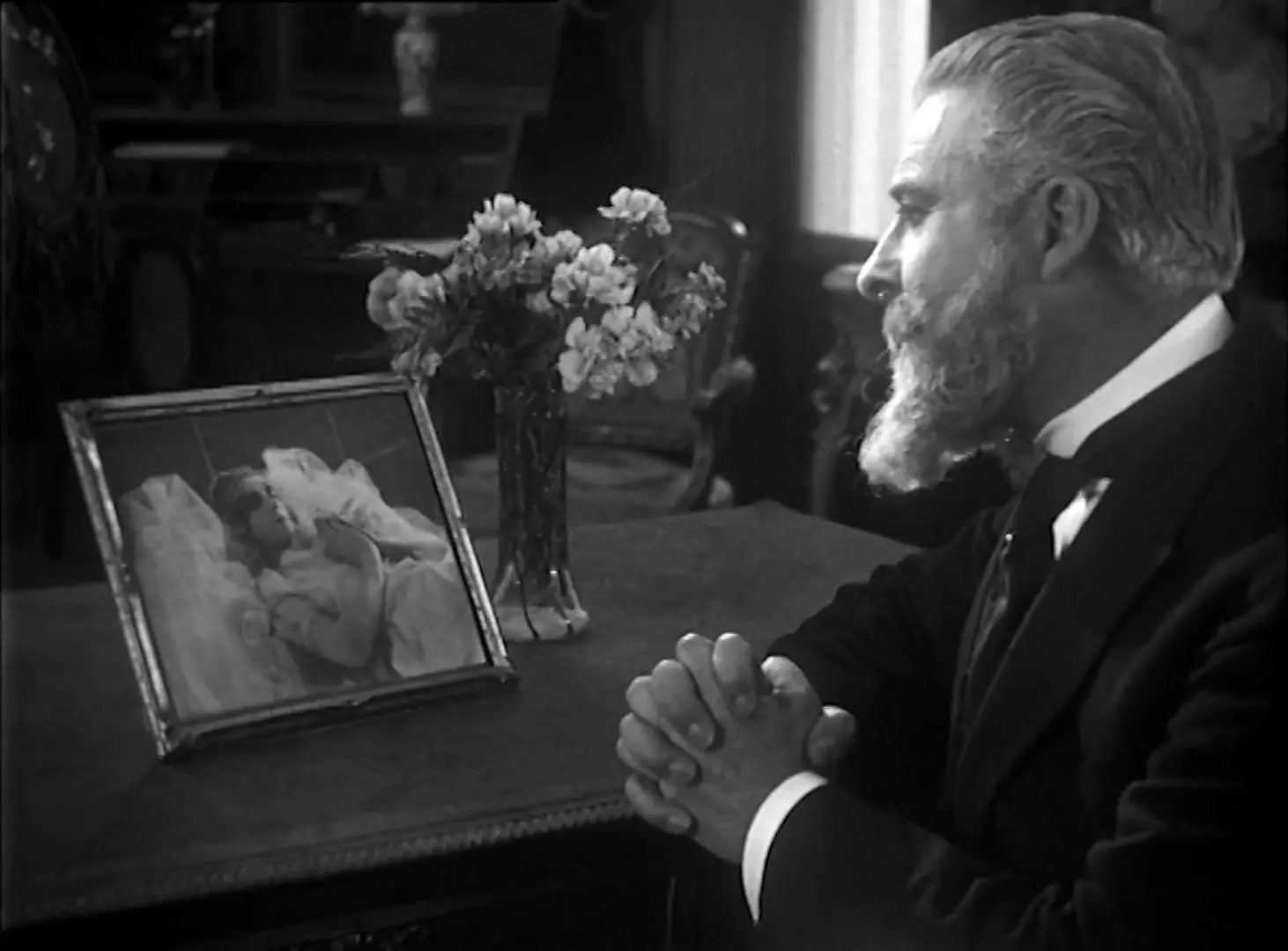
The surviving print is silent, yet the intertitles behave like choirboys caught smoking. They interrupt mid-scene, sometimes upside-down, sometimes backwards, forcing the eye to pirouette. One card reads: “The bell tolls thrice for what was never born.” Another simply repeats the word LISBOA until the letters clot into a topographical map of loss. Contemporary reports claim Feuillade intended to overlay a soundtrack of recorded fado slowed to 16 rpm—an idea scrapped when the war requisitioned shellac. The absence is deafening; you hear the nun’s beads hit stone like distant artillery.
Gaston Michel’s nobleman ages decades within a single match-cut: he strikes a sulfur match, the flare whites out the frame, and when vision returns his hair has silvered, his cravat frayed into hemp. The performance is less portrayal than weathering. Fernand Herrmann, corseted beneath wool and theology, communicates via the micro-tremor of a left eyelid—an Morse code of doubt. Bouboule, allegedly discovered while selling chestnuts outside Gaumont, possesses the androgynous magnetism of a medieval page. The camera adores the triangular hollow beneath the boy’s clavicle, turning it into a sanctuary where light and guilt cohabitate.
Among supporting souls, Sandra Milovanoff flits as a penitent whose penance is to knit the same shroud daily; the garment grows longer than the nave, trailing out into the Tagus where fishermen mistake it for a bridal train. René Clair cameos as a sacristan who counts coins with the languid eroticism of a cat licking cream—an early glimmer of the comic precision he would later unleash in Under the Roofs of Paris.
Trying to synopsize Parisette is like threading rosary beads through a keyhole. Acts bleed into one another; chapter headings mislead. Episode 3 is labeled “The Miracle of the Sardines” yet contains only a static shot of empty barrels. Episode 7 promises a bullfight and delivers instead a five-minute close-up of a moth chewing lace. Feuillade understood that mystery is not withheld information but surplus information—an avalanche of signs that drowns meaning until the viewer becomes co-author.
This narrative excess finds cousinly echo in Lilith and Ly’s occult digressions, yet where that film solaces with erotic pulse, Parisette mortifies the flesh.
Beneath its Catholic veneer, the film vibrates with the repressed hum of empire. The nobleman’s exile was decreed after he penned pamphlets denouncing the forced conversion of Goan widows. The nun’s dowry derived from Brazilian sugar stained with Tupi blood. The urchin sings a creole lullaby whose lyrics translate to: “The ship eats the sea, the sea eats the sailor, the sailor eats my mother, my mother eats me.” Feuillade never shows the colonies; he doesn’t need to. Guilt pools in the negative space, like damp that blisters frescoes from behind.
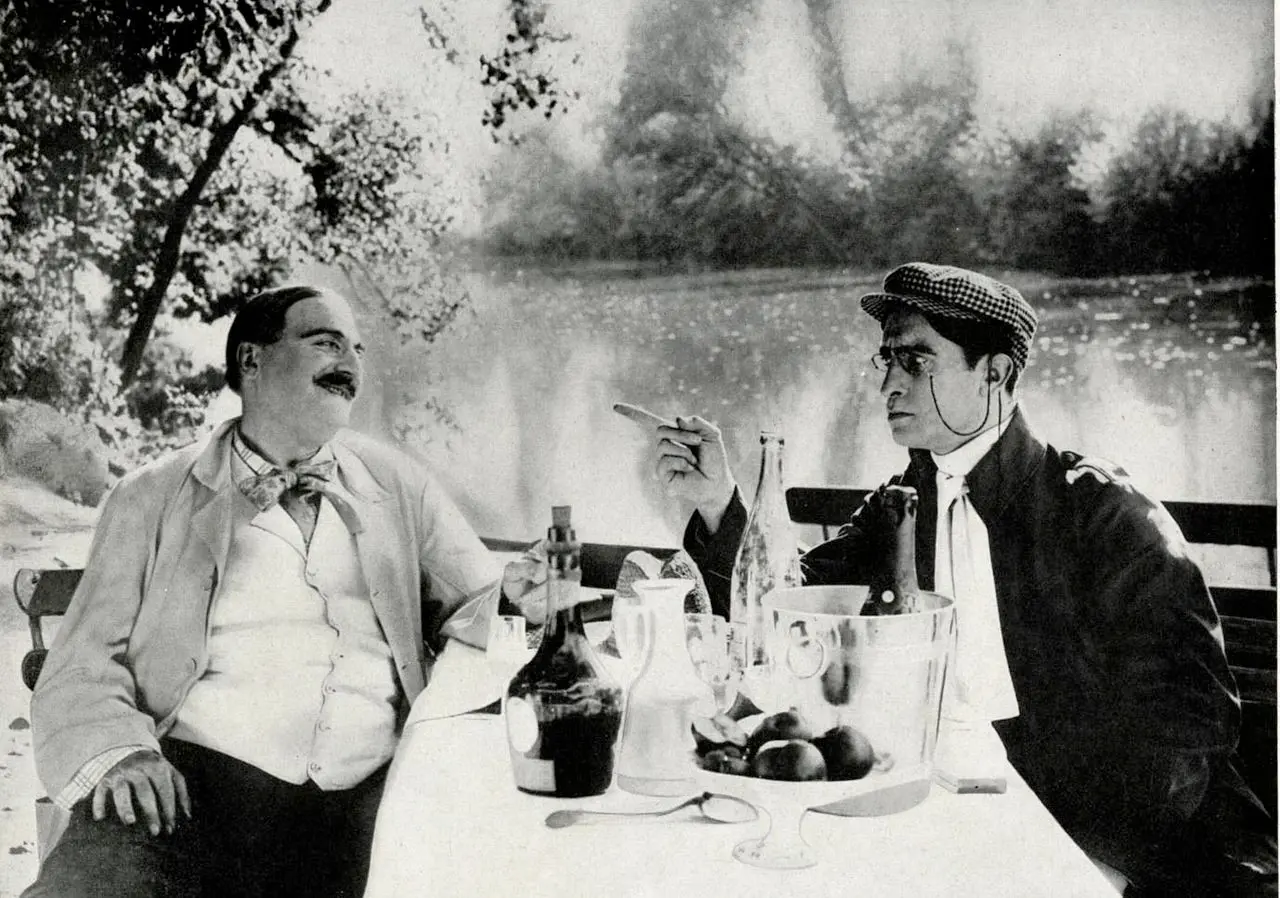
This post-colonial ghosting anticipates the more overt critique in Beating Back, though Parisette prefers penance over restitution.
Archivists at Cinémathèque Française discovered that Reel 5 was deliberately excised in 1923 by a censor who claimed its imagery of transubstantiation would “turn the faithful into anarchists.” The cut occurs at the moment the urchin receives communion wafer on the tongue; the subsequent jump shows the boy spitting what appears to be seawater into a chalice. The missing twenty-three minutes survive only in a Portuguese censorship card that reads: “Scene: boy’s mouth opens, interior transforms into a caravel sailing toward an uncharted moon.” Thus the heart of the film is literally absent, a lacuna that converts the entire narrative into Stations of the Cross without a resurrection.
Restorationists in 2017 applied digital tinting based on Feuillade’s handwritten notes found inside a first-edition breviary. Scenes of sin glow sulphur-orange, moments of grace are drenched in sea-blue, and the penultimate epiphany flickers golden. The scheme risks didacticism, yet the colors throb like bruises rather than heraldry. When the nun’s wimple is stained amber by candle drip, the hue seems less applied than confessed.
Currently the only accessible print streams on Cinémathèque’s Vimeo channel at 2K, French intertitles, no subtitles, which is fitting—language here is another veil. Watch after midnight, volume muted, windows open so urban sirens can mingle with the film’s cathedral acoustics. Keep a glass of tawny port nearby; let its sediment mirror the swirl of incense onscreen. When the final iris closes on the urchin’s eye that is also the nobleman’s that is also the nun’s, swallow the dregs and notice how the mouth feels suddenly full of seawater and bells.
Parisette will not please those who demand closure, nor those who treat cinema as comfort. It is a bruised knee genuflection, a love letter written in lemon juice on prison walls—visible only when the building burns. Yet in that clandestine visibility lies its ferocious mercy: the recognition that identity is not a fortress but a corridor of rented mirrors, and salvation may come disguised as a pickpocket who leaves behind, instead of stolen goods, the shimmer of your own face—cracked, gilt, and utterly unrecognizable.
—for Margarida, who never returned from the cloister, and for the boy counting chestnuts in the dark.
IMDb 7
1922
Community
Log in to comment.