DbcultAccessing Vault...
7.2/10
Senior Film Conservator
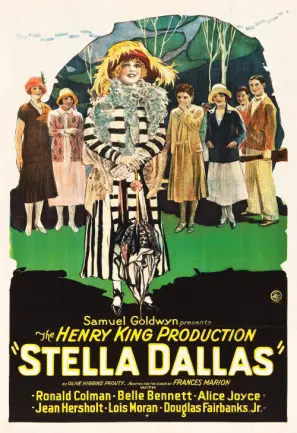
A definitive 7.2/10 rating for a film that redefined the boundaries of cult cinema. Stella Dallas remains a cornerstone of transgressive art.
To witness the 1925 iteration of Stella Dallas is to observe the silent screen’s capacity for emotional devastation at its most surgical. Long before the Technicolor histrionics of the 1937 remake, Henry King’s direction and Belle Bennett’s transformative performance carved a permanent scar into the landscape of American melodrama.
The narrative of Stella Dallas is frequently dismissed by the cynical as a mere 'tear-jerker,' but such a reductive label ignores the film's lacerating critique of the American class structure. Stella is not merely a woman who 'marries up'; she is a disruption in the social fabric. Unlike the characters in The Majesty of the Law, who navigate legalistic moralities, Stella navigates the unwritten codes of the parlor and the country club. The film posits that while money can be lost and found, 'taste' is a biological imperative that Stella simply does not possess.
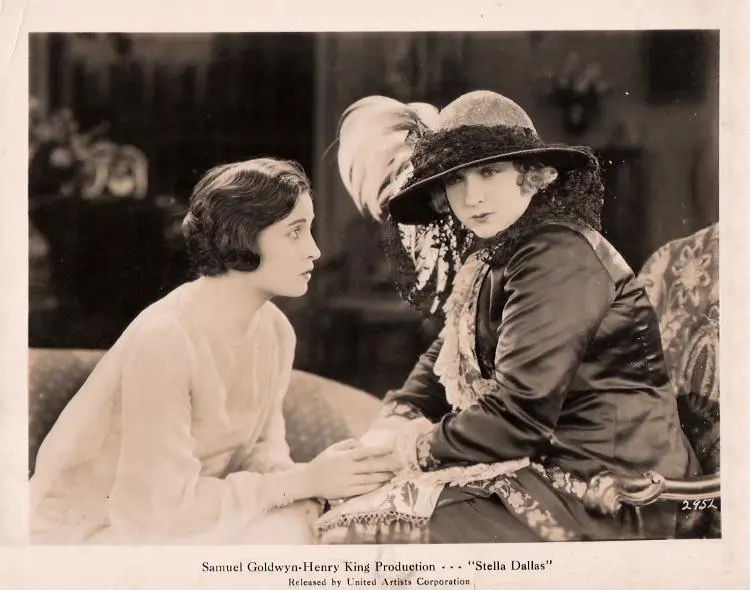
Stephen Dallas, played with a weary, patrician grace by Ronald Colman, represents a fading lineage. His tragedy is his inability to bridge the gap between his refined expectations and the raw, unpolished reality of the woman he married in a moment of existential despair. Their domesticity is a series of quiet horrors—misplaced adjectives, overly bright ribbons, and the crushing silence of a dinner table where two different languages are being spoken. This linguistic and cultural divide is handled with far more nuance here than in the later talkies, relying on visual cues that recall the thematic weight of Eyes of Youth.
The soul of the film resides entirely within Belle Bennett. Her portrayal of Stella is a masterclass in aging and psychological erosion. We see her first as a blooming, albeit desperate, small-town girl, and we watch as she curdles into a caricature of herself. It is a brave performance; Bennett does not shy away from Stella's vulgarity. She wears her over-decorated hats like armor, unaware that they are actually targets for the derision of the elite.
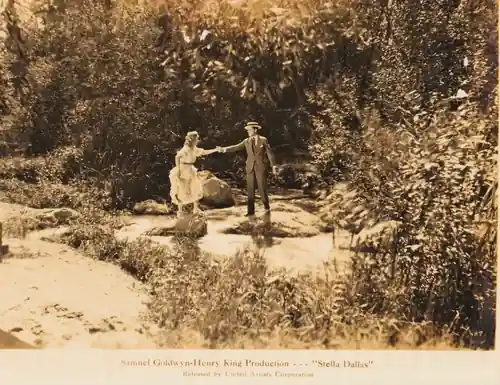
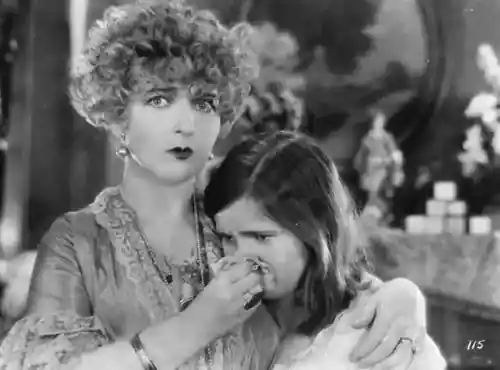
In one of the film's most agonizing sequences—the birthday party that no one attends—Bennett’s face becomes a map of crumbling hope. It is a moment of pure cinematic pathos that rivals the emotional depth found in The Little Girl That He Forgot. The realization that her social standing is not just low, but infectious, is the catalyst for her ultimate sacrifice. She understands that to love Laurel is to leave her.
Henry King’s direction utilizes the frame to emphasize Stella’s isolation. Frequently, she is framed through doorways, windows, or behind physical barriers, suggesting a woman who is perpetually 'looking in' on a life she cannot truly inhabit. This motif reaches its zenith in the final scene, a sequence so iconic it has been etched into the pantheon of film history. The contrast between the warm, luminescent wedding ceremony inside and the cold, torrential rain outside is a stark binary of belonging versus exile.
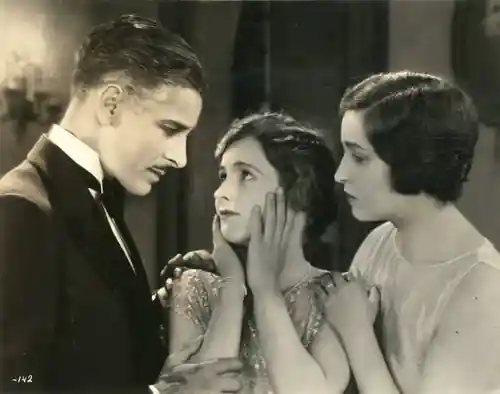
The cinematography captures the textures of the era with a clarity that feels almost documentary-like. From the gritty industrialism of the opening scenes to the polished mahogany of the Dallas estate, the set design reinforces the class conflict. It lacks the whimsical artifice of The Seven Swans, opting instead for a grounded realism that makes Stella's 'tacky' choices feel all the more tragic because they are so palpably real.
Frances Marion’s screenplay is a marvel of structural efficiency. Every beat of Stella’s descent is motivated by a perverted sense of altruism. When she decides to marry the boozy Ed Munn, it isn't out of desire, but a calculated move to prove her 'unfitness' to Laurel. This psychological complexity is far more sophisticated than the contemporary offerings like Charge It to Me or the more straightforward narratives of The West~Bound Limited.
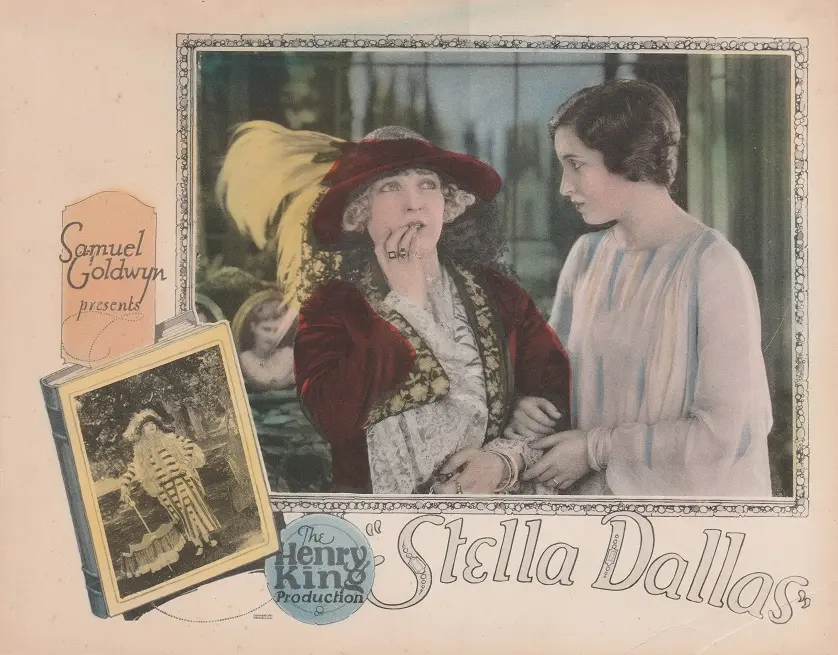
The film also benefits from a strong supporting cast. Douglas Fairbanks Jr. brings a youthful, unforced charm to the role of Richard Grosvenor, providing the necessary contrast to the stifling tragedy of the Dallas household. Even the smaller roles, such as those seen in the ensemble of Little Italy, are handled here with a sense of purpose that ensures the world of the film feels inhabited and lived-in.
Why does this 1925 version persist in the memory? Perhaps because it captures the 'Great American Disconnect' with such unforgiving clarity. Stella is a woman who believed in the promise of mobility but was crushed by the reality of social stratification. Her story is a precursor to the modern 'prestige' drama, yet it possesses a raw, silent power that few modern films can replicate. It shares a certain thematic DNA with Whispers, dealing with the intangible rumors and perceptions that can destroy a life.
As we look back at the filmography of the era, including works like Naked Hearts or the international intrigue of A kuruzsló, Stella Dallas stands out as a uniquely American tragedy. It is a film about the cost of the 'better life' and the heavy toll of maternal love when it is forced to choose between presence and potential.
Stella Dallas (1925) is an essential viewing for anyone seeking to understand the evolution of cinematic storytelling. It is a harrowing, beautifully executed exploration of class, motherhood, and the brutal necessity of self-sacrifice. Belle Bennett’s final smile—a mixture of agonizing heartbreak and triumphant maternal pride—remains one of the most haunting images in the history of the medium. It is a film that demands to be seen, felt, and remembered, far surpassing the melodramatic limitations of its contemporaries like The Danger Line or The Brand of Lopez. A towering achievement of the silent era.
IMDb 5
1931
Community
Log in to comment.