DbcultAccessing Vault...
Cult Review
Senior Film Conservator
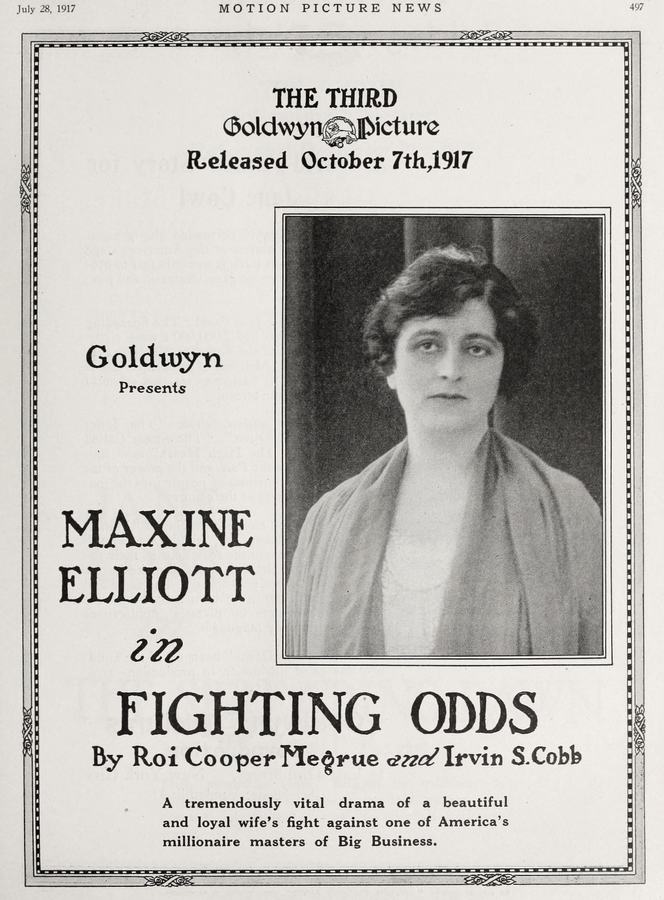
The celluloid reels of Fighting Odds—a 1917 curiosity only recently reconstructed from two battered American prints and one Norwegian nitrate—unspool like soot-smeared letters from a forgotten war. There is, at first glance, the familiar silhouette of marital martyrdom: a husband clapped in stripes for embezzlement he never birthed, a wife left to sculpt salvation from thin air. Yet director George Benjamin O’Dell, ever allergic to the maudlin, refuses the candle-lit swoon of self-pity. Instead he forges a proto-noir where chiaroscuro is not atmosphere but argument, where every guttering streetlamp becomes a hanging judge.
The camera stalks Regan Hughston’s Evelyn Alden as though it were her accomplice, tilting up from the hem of her skirt—still demure by Jazz-Age standards—into the hard glint of a mind recalculating the geometry of loyalty. She does not collapse; she conspires. The plot, spun by playwright Roi Cooper Megrue and yarn-spinner Irvin S. Cobb, is a Rube Goldberg of suspicion: a forged check, a vanished ledger sheet, and a boardroom of men who oil their moustaches with moral turpitude. When the gavel lands on husband Walter (Henry Clive), the film’s palette seems to drain to slate and pewter, a visual cue that guilt is merely a matter of lighting.
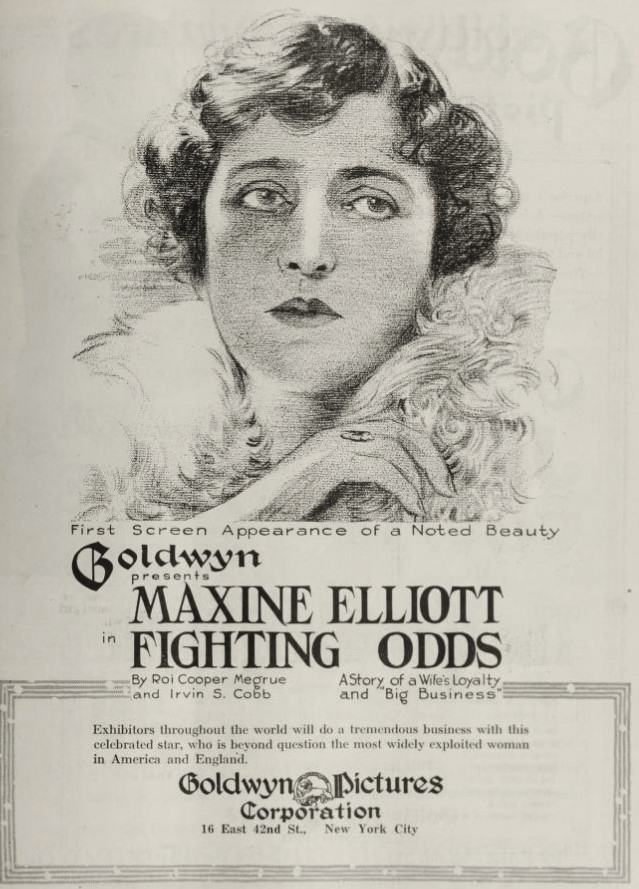
Once Walter disappears behind stone and shadow, Evelyn’s metamorphosis begins. The film’s midpoint pivots on a match-cut so elegant it could slice bread: from the clang of a prison gate to the crystalline clink of champagne flutes inside a rooftop salon. Here she dons the armor of silk and subtext, courting Charles Dalton’s reptilian banker Sheldon, a man who signs documents with the languid cruelty of a Roman emperor. The suspense tightens not through gunplay but through paperwork—ink becomes blood, signatures become scars. In a bravura sequence lit only by the magnesium flare of press cameras, Evelyn engineers a forged contract that blooms like nightshade beneath Sheldon’s gloating grin.
O’Dell’s visual grammar borrows from German Expressionism yet strips it of its clammy mysticism. Staircases skew into trapezoids, but the dread is bureaucratic—every diagonal implies a clause that could kill. Watch how Eric Hudson’s cinematographer frames Evelyn through half-shut Venetian blinds: the shadows slice her face into verdicts, half guilty, half absolved. The film understands, decades before Foucault, that modern power is optical; surveillance is not an apparatus but a courtship. When Sheldon finally traps Evelyn in his mahogany office, the camera performs a slow 360-degree pan that turns the space into a coliseum of ledgers. It is here that Maxine Elliott’s cameo—an icily polite stenographer—delivers the film’s most lacerating line via title card: “A woman’s word is collateral, but a woman’s silence is compound interest.”
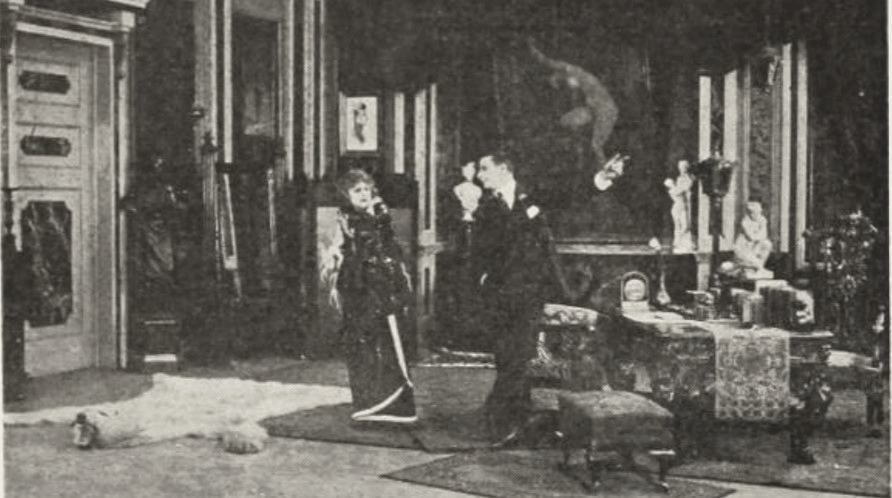
The final act, rumored to be reshot after test audiences rioted for blood, stages its showdown not on a cliff but on a trading floor. Walter, freed on bail by Evelyn’s machinations, storms in wielding not a pistol but a notarized affidavit. The crowd of investors—extras culled from actual Wall Street clerks—jeer, cheer, then freeze as the document’s wax seal cracks open like a broken heart. In a breath-taking flourish, O’Dell superimposes the seal’s emblematic eagle over Sheldon’s face, a visual verdict that brands him both patriot and pariah. The stock ticker, ticking like a metronome of doom, slows to a crawl until each digit feels like a noose knot.
Performances oscillate between the stagily rhetorical and the startlingly intimate. Hughston, a Broadway import, lets modernity flicker beneath melodrama; her eyes telegraph calculus when her mouth must recite Victorian piety. Clive, often saddled with thankless ingénue roles, here weaponizes vulnerability—his prison pallor is not cosmetic but existential. Dalton, meanwhile, exudes a silk-hatted menace that prefigures the urbane sociopath of The Raven. Their triangulation of desire, guilt, and revenge recalls the fatalistic geometry in Fedora (1916), yet Fighting Odds refuses the comfort of a femme fatale; Evelyn is both siren and savior, Circe and counsel for the defense.
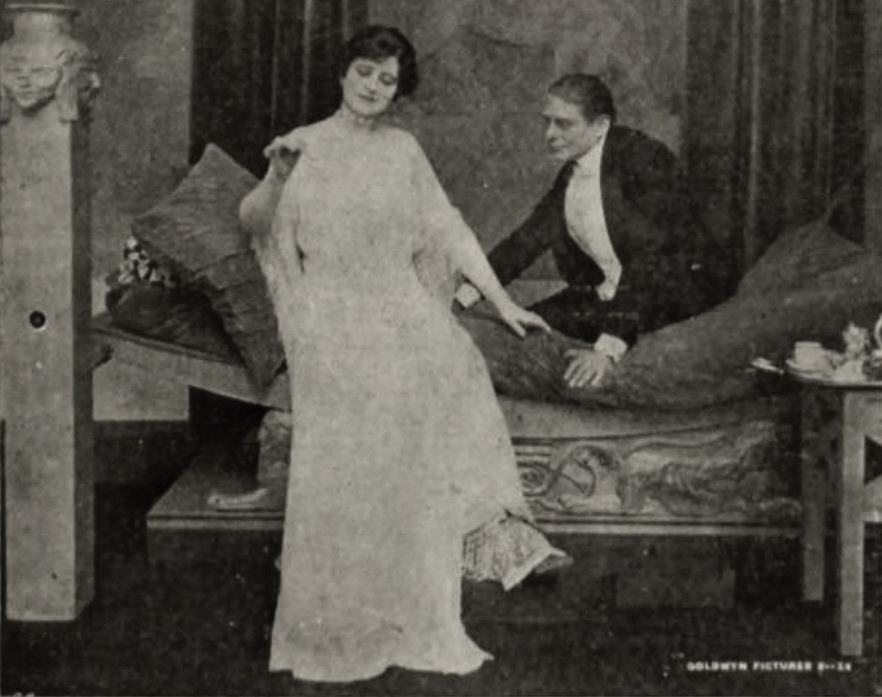
Comparative context sharpens the film’s edge. Where When It Strikes Home domesticates suspense within parlors and pianos, Fighting Odds drags it into the asphalt bloodstream of commerce. It lacks the pastoral fatalism of The Lonesome Chap or the colonial swagger of Captain of the Gray Horse Troop; instead it anticipates the bureaucratic nightmares of Perils of the Secret Service. The picture’s obsession with forged documents feels eerily of-the-moment in our age of deepfakes and NFT fraud; its conviction that truth is merely the most persuasive narrative is downright post-truth.
Yet for all its prescience, the film is no thesis. Its heartbeat is pulp: quick, lurid, ecstatic. The editing—handled by an uncredited William T. Carleton, who appears onscreen as a twitchy accountant—deploys Soviet-style montage during a ticker-tape riot: close-ups of ticker paper, a woman’s shoe snapping a champagne glass, a monocle reflecting a collapsing stock graph. The sequence lasts maybe forty seconds but burns itself into the optic nerve. One leaves the screening convinced that high finance is only one re-edit away from high treason.
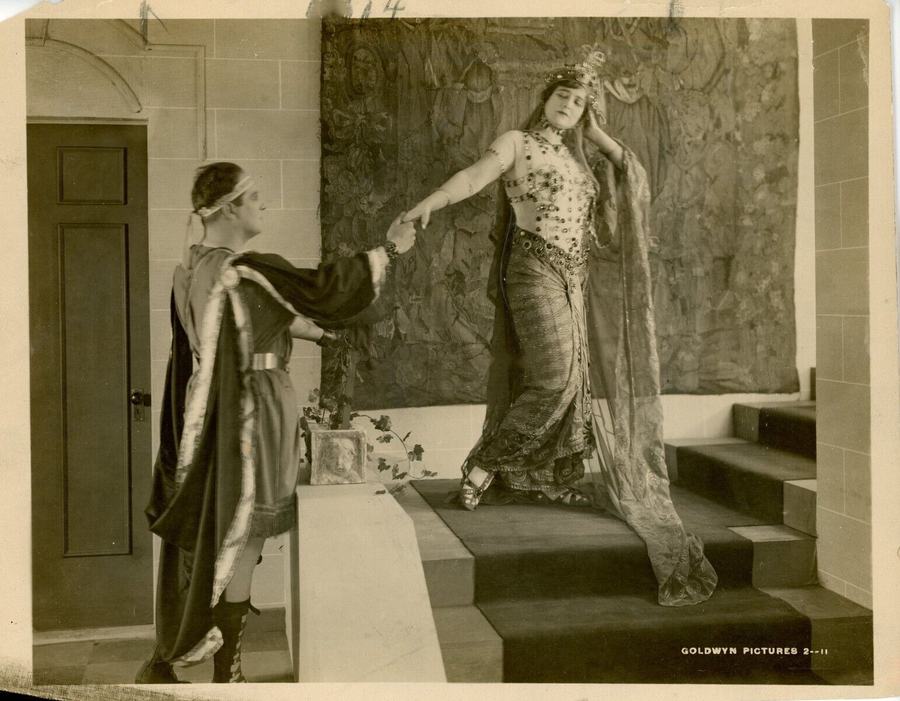
Restoration efforts by the Library of Congress and EYE Filmmuseum stitched together fragments with English and Scandinavian intertitles, yielding a hybrid text that flickers between languages like a spy’s cipher. The tinting—amber for interiors, viridian for exteriors, rose for intimacies—reconstructs not historical accuracy but emotional chromatics. A new score by Mona Mur and Enno Poppe replaces the original cue sheets lost in the 1933 Fox vault fire. Their discordant waltzes and spectral strings conjure an atmosphere where love letters sound like ransom notes.
Flaws? Certainly. A comic-relief janitor (played by a bumbling Hudson in dual role) belongs in vaudeville, not this cathedral of deceit. A late flashback—meant to clarify the check-forgery logistics—clobbers the pacing like a drunk in church. And the film’s gender politics, progressive for 1917, still frame female agency as reactive rather than sovereign; Evelyn’s triumph is to restore patriarchal order, not to topple it. Yet these quibbles evaporate in the furnace of the final shot: the reunited couple walking toward a sunrise that looks suspiciously like a conflagration, their silhouettes swallowed by a superimposed stock ticker that refuses to cease.
Cinephiles who revere the shadow-latticed revenge of Draft 258 or the existential marooning of Robinson Crusoe will find Fighting Odds a missing link, a film that grafts the moral ambiguities of post-war Europe onto the robber-baron optimism of America. It is both artifact and oracle, a brittle reminder that the most lethal weapon in any era is not the gun but the pen—provided the ink flows from a woman scorned.
Verdict: essential viewing for anyone who believes that silent cinema whispered more loudly than talkies ever screamed. Watch it, then spend the night listening for the scratch of pens across paper; you’ll never hear signatures the same way again.
IMDb 5.8
1923
Community
Log in to comment.