DbcultAccessing Vault...
6.3/10
Senior Film Conservator
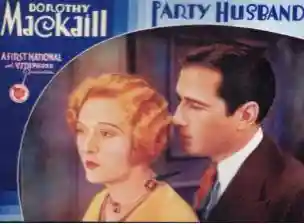
A definitive 6.3/10 rating for a film that redefined the boundaries of cult cinema. Party Husband remains a cornerstone of transgressive art.
The title, Party Husband, already gives you a hint of the kind of flick this is. It’s about a couple, Laura and Joe, who are all about being *modern*. They don’t want boring, old-fashioned marriage. Nope. They believe in total freedom, which means separate lives, separate friends, and lots of separate parties. Sounds like a recipe for disaster, doesn’t it? 😬
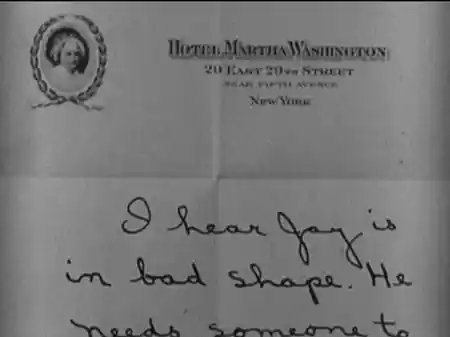
And oh boy, does it deliver. Laura, played by Dorothy Mackaill, is supposed to be this vivacious, independent woman. But she mostly just *really* loves to dance and stay out late. Joe, her husband, portrayed by Donald Cook, tries to keep up. He’s more the "let's have a quiet night in" type, trying to force himself into the "wild socialite" mold. You can tell he’s just *trying* too hard, and it’s a bit sad to watch, actually.
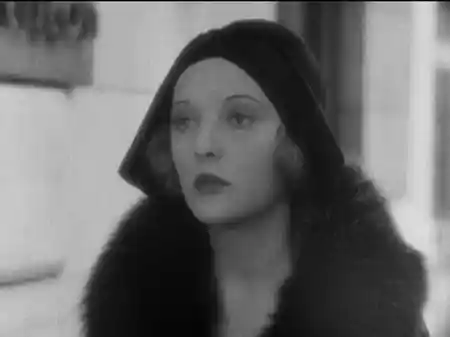
There’s this one scene where Laura is just twirling around a ballroom, absolutely oblivious to Joe looking on, clearly miserable. She’s in a rather flashy dress, all sparkles, and he’s just… standing there. It feels like the camera lingers on his face just long enough for you to really feel his discomfort. Or maybe he just had a bad day at the office. Who knows.
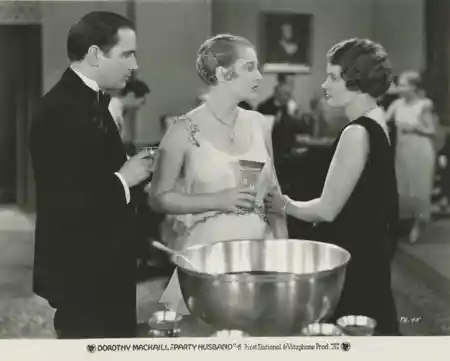
The film has this interesting energy that shifts. One minute it’s very serious about the sanctity of marriage, the next it has these almost goofy moments. Like when Joe gets involved with another woman, Kay, who's played by Mary Doran. She's meant to be the sensible contrast to Laura. But honestly, Kay feels a bit like a cardboard cutout. She exists to make Laura look bad, which is a shame, because you want *some* real tension there.
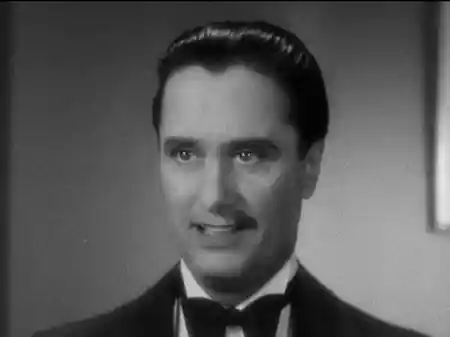
One thing that really stood out, though, was Louise Beavers as the maid, Martha. She doesn’t have a huge role, but every time she’s on screen, she brings this quiet dignity. There's a moment where she just shakes her head after one of Laura's dramatic pronouncements, and it says more than any line of dialogue. It’s a tiny thing, but *very* effective. That little head shake? Priceless. You just know she’s seen it all.
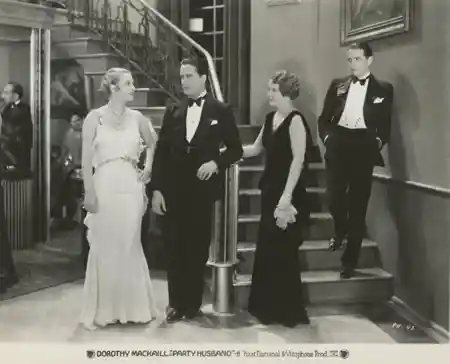
The pacing is a bit all over the place, I gotta say. Sometimes scenes just linger, like a fancy dinner party where not much is happening, and other times, major plot points feel super rushed. It’s like they knew they had a certain runtime but weren't quite sure how to fill it evenly. The dialogue, too, can be a little clunky. People talk about their "modern ideas" with such earnestness that it almost sounds like they're reading from a pamphlet on how to be "liberated."
There's a whole subplot involving Joe’s work, but it feels like an afterthought. Just a few office scenes that don't really *do* anything for the main story, except give him an excuse to meet Kay. And the parties! So many parties, but they all sort of blend together after a while. Lots of people in suits and fancy dresses, but no one really stands out in the crowd scenes. It’s almost like the extras were told to just… *be there*.
You know, for a movie that’s supposedly about a "liberated" couple, it spends a lot of time showing how miserable their choices make them. It almost feels like a cautionary tale, disguised as a modern romance. The ending, without giving anything away, feels a little too neat. Like, they had to put a bow on it, even if the bow didn’t quite fit the package. The film *really* wants you to know that traditional values are probably best, despite all the talk of freedom.
Is it worth digging up? If you’re a film historian or just curious about pre-Code era societal views on marriage, then yeah, maybe. It’s a window into a specific time. But don't expect a masterpiece. It's more of a *curiosity*. A slightly messy, sometimes charming curiosity. Like finding an old photo album in the attic – interesting to flip through, but you might not frame every picture. 🖼️
And also, Joe’s perpetually worried expression throughout the film? That was a choice. A *strong* choice. It’s almost a character unto itself. Poor guy.
IMDb 5.9
1936
Community
Log in to comment.