DbcultAccessing Vault...
4.2/10
Senior Film Conservator
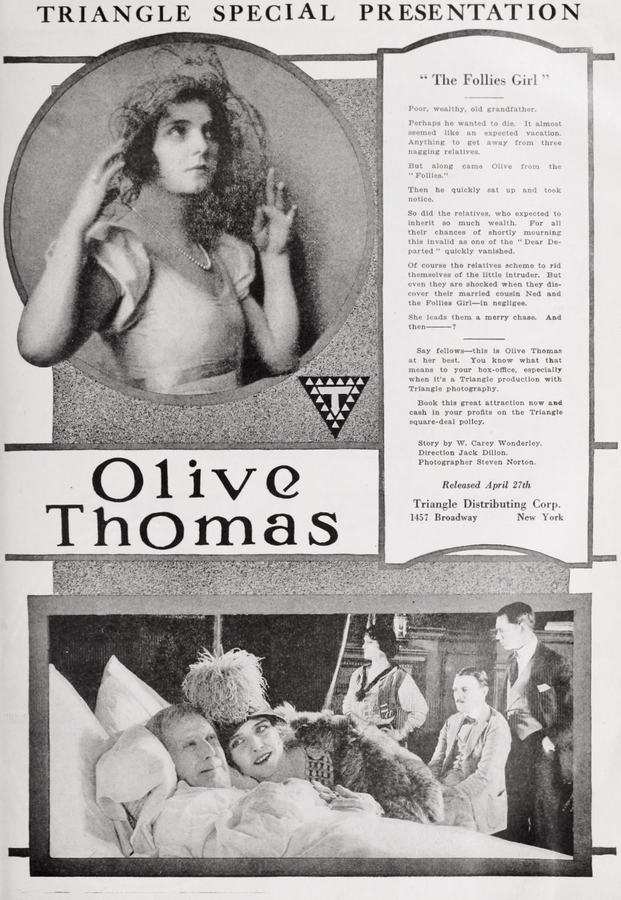
A definitive 4.2/10 rating for a film that redefined the boundaries of cult cinema. The Follies Girl remains a cornerstone of transgressive art.
Stepping back into the silent era, one often discovers cinematic treasures that, despite their age, possess a narrative sophistication and emotional resonance that rivals contemporary storytelling. Such is the case with The Follies Girl, a 1919 feature that masterfully weaves a tapestry of familial intrigue, romantic entanglement, and the surprising redemptive power of genuine human connection. Directed with a keen eye for dramatic pacing and character development, this film, penned by Charles Mortimer Peck and W. Carey Wonderly, transcends its seemingly straightforward premise to deliver a poignant exploration of avarice, class distinctions, and the unexpected paths to happiness. It’s a compelling snapshot of early 20th-century sensibilities, offering both escapist entertainment and a subtle critique of societal norms.
At its heart, The Follies Girl is a morality play disguised as a romantic drama. The narrative thrust begins with the ailing patriarch, Edward Woodruff, whose imminent demise ignites a fervent, almost predatory, scramble among his grasping relatives. Nina Leffingwell, portrayed with a calculating coolness by Lillian Langdon, emerges as the chief orchestrator of this scheme, aided by her brother Frederic and her intended, Basil. Their collective ambition is singular: to secure Woodruff’s vast fortune. The crux of their plot hinges on Woodruff’s persistent, melancholic calls for an imagined granddaughter, the offspring of a daughter with whom he had a bitter, unreconciled quarrel before her untimely death. This emotional vulnerability becomes their weapon. Nina’s solution is both audacious and cynical: hire Doll, a vivacious Follies girl, to impersonate this longed-for granddaughter. The agreement is simple – Doll will charm her way into Woodruff’s will, receive a modest payout, and the bulk of the inheritance will revert to the scheming trio. This initial setup immediately establishes a fascinating dynamic, pitting the artifice of performance against the deep-seated human need for connection.
However, the film’s brilliance lies in its subversion of this initial premise. What begins as a cold, calculated deception soon takes an unforeseen turn. Doll, far from being a mere mercenary, possesses an innate kindness and genuine warmth. Her ministrations to the ailing Woodruff, initially feigned, gradually become sincere. This authentic affection, coupled with her vibrant spirit, works a miracle: Woodruff, portrayed with touching vulnerability and later, resurgent vitality by William V. Mong, begins to recover. His health improves dramatically, throwing Nina’s meticulously crafted plans into utter disarray. The unexpected recovery transforms the narrative from a simple inheritance scheme into a more complex exploration of the human heart’s capacity for healing and forgiveness. The stakes are raised; the game has changed. The relatives are now faced with a living, breathing patriarch who, thanks to their own machinations, has found a new lease on life, potentially jeopardizing their illicit gains. This pivotal twist is where the film truly begins to soar, demonstrating a narrative dexterity that keeps the audience captivated and invested in the unfolding drama.
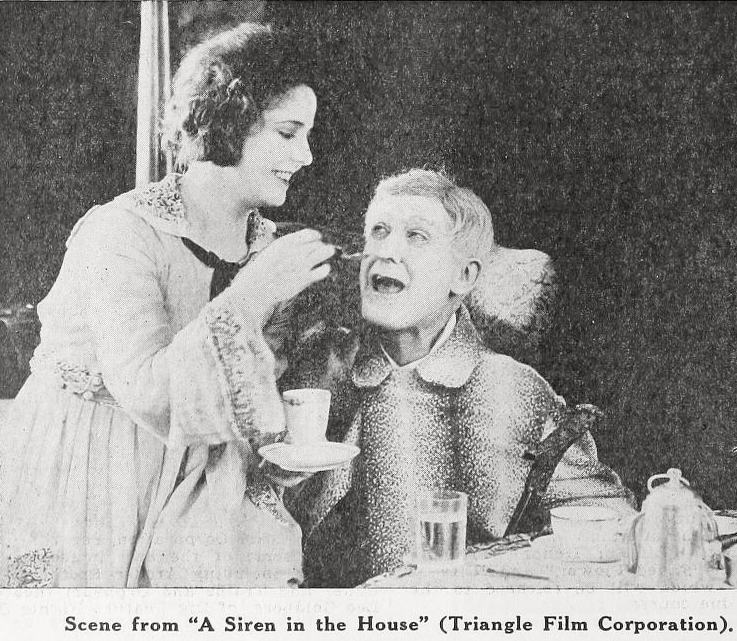
The success of The Follies Girl hinges significantly on the radiant performance of Olive Thomas as Doll. Thomas, a prominent Ziegfeld Follies star who transitioned to silent film, brings an undeniable charisma and nuanced depth to a role that could easily have devolved into caricature. She imbues Doll with a blend of worldly experience and an underlying innocence, making her character’s transformation from a hired impostor to a genuinely caring individual utterly believable. We witness her initial apprehension, her gradual empathy for Woodruff, and her burgeoning affection for Ned with a clarity that transcends the silent medium. Her expressive eyes and subtle gestures convey a wealth of emotion, allowing the audience to connect with her journey on a profound level. Thomas’s portrayal is a masterclass in silent acting, demonstrating her command of physical comedy, dramatic pathos, and romantic allure. It’s a performance that solidifies her status as a significant figure in early cinema, showcasing a talent that was sadly cut short. The chemistry she shares with Raymond Griffith, who plays Ned, is palpable, adding another layer of authenticity to their unexpected romance. Their interactions feel organic and heartfelt, providing a compelling counterpoint to the calculating machinations of Nina and her cohorts.
With Woodruff’s recovery, Nina’s desperation escalates. Her new strategy involves summoning Woodruff’s disowned grandson, Ned, played with a charming earnestness by Raymond Griffith. Ned had been cast out by his grandfather for marrying beneath his station, a detail that highlights the rigid class consciousness of the era. Nina’s hope is that Ned, with his presumed disdain for imposters, will expose Doll and send her packing, thereby clearing the path for the original inheritance scheme. This introduces a fresh layer of dramatic irony, as Nina inadvertently brings together the two people destined to truly bring joy and completion to Woodruff’s life. Predictably, Ned and Doll find themselves drawn to each other, their shared circumstances and genuine natures forging a powerful bond. Their romance blossoms amidst the backdrop of deceit, providing a beacon of sincerity in a world tainted by greed. This development further complicates Nina’s plans, as the burgeoning love between Ned and Doll threatens to dismantle her carefully constructed house of cards entirely. The film cleverly uses these romantic interludes not just for sentimental value, but as a driving force for the plot, pushing the narrative towards its inevitable, heartwarming conclusion.
The climax is a masterstroke of dramatic revelation. Consumed by jealousy and fear of losing the inheritance, Nina informs Woodruff that Ned and Doll are secretly meeting in the estate lodge, hoping to paint their relationship as scandalous and manipulative. Woodruff, spurred by a mix of suspicion and a rekindled paternal curiosity, investigates. What he discovers, however, is far from Nina’s malicious fabrication. Instead, he finds Doll and Ned not merely engaged in a secret liaison, but as a married couple, tenderly cradling their baby boy. This revelation is profoundly impactful, shattering Nina’s lies and exposing the depth of her villainy while simultaneously bringing an unexpected, joyous resolution. Woodruff’s initial shock gives way to overwhelming delight. The estranged grandson, the Follies girl, and now a great-grandson – a new, legitimate family unit has unexpectedly formed, fulfilling his deepest, unspoken desires for connection and legacy. The film culminates in a powerful moment of forgiveness and reconciliation, as Woodruff, his heart softened and expanded, welcomes Ned, Doll, and their child into his life, thereby affirming the triumph of love and genuine affection over cynical ambition.
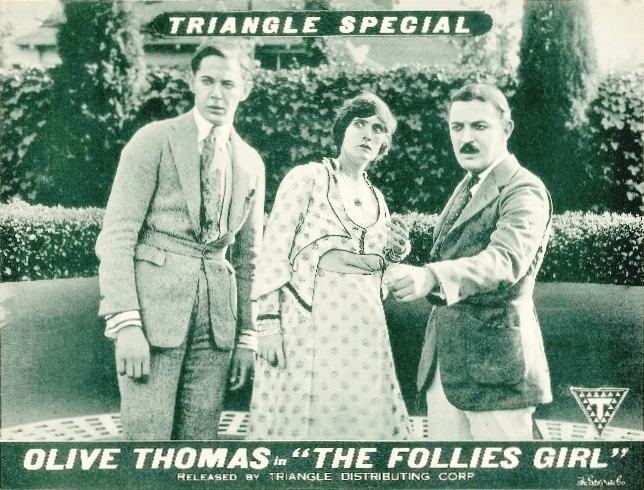
The themes explored in The Follies Girl—inheritance, deception, class struggle, and familial reconciliation—were prevalent in silent cinema, reflecting societal anxieties and aspirations of the era. The intricate plotting around a will and the machinations of avaricious relatives bear a resemblance to the narrative drive found in films like Melting Millions, where vast sums of money often serve as the central catalyst for conflict and moral quandaries. Similarly, the idea of a seemingly unworthy individual bringing unexpected joy and truth to a jaded or ailing patriarch can be seen in the thematic veins of films such as The Greatest Gift, which often explored the profound impact of simple kindness and genuine affection. While The Follies Girl distinguishes itself through its specific 'Follies girl' premise, the underlying human drama of finding authentic connection amidst a world of superficiality and greed resonates across many silent-era narratives. The film successfully navigates these familiar tropes, injecting them with fresh energy through its compelling characters and well-executed twists, ensuring its place as a memorable entry in the silent film canon.
Beyond its captivating plot and stellar performances, The Follies Girl offers valuable insights into the social fabric of its time. It subtly critiques the rigid class divisions that led Woodruff to disown his grandson, and the mercenary attitudes of relatives who prioritize wealth over familial bonds. The film champions the virtues of authenticity, love, and forgiveness, demonstrating how these qualities can mend fractured relationships and bring true happiness, far surpassing the fleeting allure of material gain. The narrative's ability to transform a cynical plot into a heartwarming tale of unexpected family and redemption is a testament to the skill of its creators. The visual storytelling, characteristic of the era, relies heavily on expressive acting, well-placed intertitles, and carefully composed shots to convey emotion and advance the plot without the aid of spoken dialogue. This reliance on visual cues makes the performances of actors like Olive Thomas and William V. Mong all the more remarkable, as they communicate complex feelings and motivations through their physicality and facial expressions. The film’s pacing is deliberate, allowing the audience to fully immerse themselves in the unfolding drama and the emotional arcs of its characters.
In conclusion, The Follies Girl stands as a vibrant example of silent cinema’s enduring power. It’s a film that manages to be both a thrilling drama of deception and a tender romance, all while delivering a powerful message about the true meaning of family. Its rich characterizations, unexpected plot twists, and ultimately optimistic resolution leave a lasting impression. For anyone interested in the evolution of film, the artistry of silent era performances, or simply a compelling story well told, The Follies Girl is an essential viewing. It reminds us that even in the absence of sound, the human heart’s complexities and triumphs can be conveyed with profound clarity and emotional depth, proving that a truly great story transcends the technical limitations of its medium and continues to resonate with audiences across generations.
IMDb 4
1918
Community
Log in to comment.