DbcultAccessing Vault...
Cult Review
Senior Film Conservator
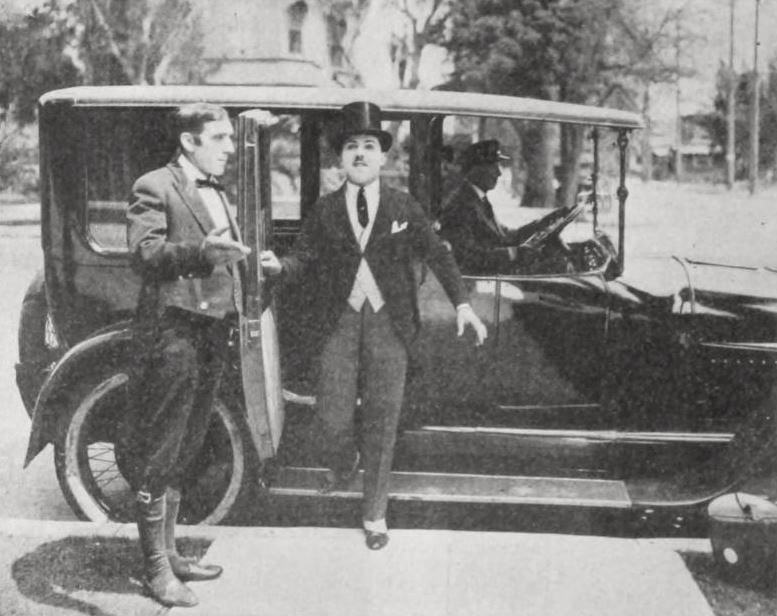
Somewhere between the last gasp of ragtime and the first roar of jazz, Nearly Married materializes like a champagne bottle uncorked at 3 a.m.—effervescent, reckless, impossible to re-cork. The film is a mosaic of panic and petticoats, a frenzied waltz through the sanctimonious minefield of matrimony. Director who-shall-not-be-credited lets the camera loiter in hallways where doors slam in perpetuity, permitting every frame to feel like a custard pie still mid-air.
Max Asher, that bulldog of silent-era indignation, stomps through scenes with the gravitational pull of a small planet. His eyebrows alone deserve separate billing—two bushy exclamation points forever announcing comic catastrophe. Opposite him, Babe London inflates the screen with a presence so statuesque she seems carved from the same marble as the courthouse steps; yet her comic timing is surgical, a tightrope strut between dainty and disastrous.
Cliff Bowes, meanwhile, is the human embodiment of a frayed cuff—nervous, fraying, always one shrug away from unraveling. Watch how he fondles the pawn ticket for the engagement ring as if it were a love letter dipped in anthrax. His darting gaze becomes the film’s metronome, ticking toward inevitable humiliation.
The first act detonates inside a license bureau that might as well be a carnival funhouse. Papers multiply like rabbits; rubber stamps hammer down like hail on a tin roof. In a single take, the camera pirouettes 360 degrees, revealing a line of grooms fidgeting like schoolboys outside the principal’s office. It’s bureaucracy as burlesque, and the gag still stings a century later.
From there we rocket to a haberdashery where Bowes must trade his only suit for a tux two sizes too small. The ensuing strut down Main Street is a masterclass in costume-as-character: sleeves ending just below the elbow, pant legs hovering somewhere around mid-calf. Every passer-by becomes a Greek chorus of side-eye, and the intertitle cards squeeze lemon-juice shame into the wound: "Even his reflection filed for divorce."
Babe London’s bridal gown—an acre of tulle and sabotage—turns the final reel into a slapstick Götterdämmerung. Veil snagging on trolley wires, train tripping motorcycle cops, she emerges like a Valkyrie who has swallowed a firecracker.
While the plot somersaults, Nearly Married slyly interrogates the era’s sexual economics. London’s character owns her appetites—she demands a ring, a honeymoon, and a motorcar with the same unapologetic bravado that male characters demand respect. The film refuses to paint her as conniving; instead, she’s a titan of self-interest in a world where self-interest is the only currency not routinely devalued.
Compare this to Her Temptation, where the heroine’s desire is framed as moral contagion. Here desire is simply the engine, and everyone’s riding shotgun. Even Geraldine Karma’s vampy confidante, ostensibly a side dish, wields gossip like a stock trader with inside information, upending patriarchal certainties with every whispered rumor.
Class tension bubbles up via wardrobe economics. Bowes’s frayed collar is filmed in claustrophobic close-up, each loose thread a reminder that love, like fabric, wears thin when overstretched. Meanwhile Asher’s top-hat never slips, even when he’s sprawled on the pavement—a sly nod to wealth’s adhesive properties.
The picture’s comic grammar is remarkably modern. A split-screen sequence shows the bride and groom racing in opposite directions—she toward the altar, he toward the pawnshop—while a shared intertitle counts down the hours. It’s the 1920 equivalent of a cross-cut thriller sequence, proving that suspense and slapstick share a pacemaker.
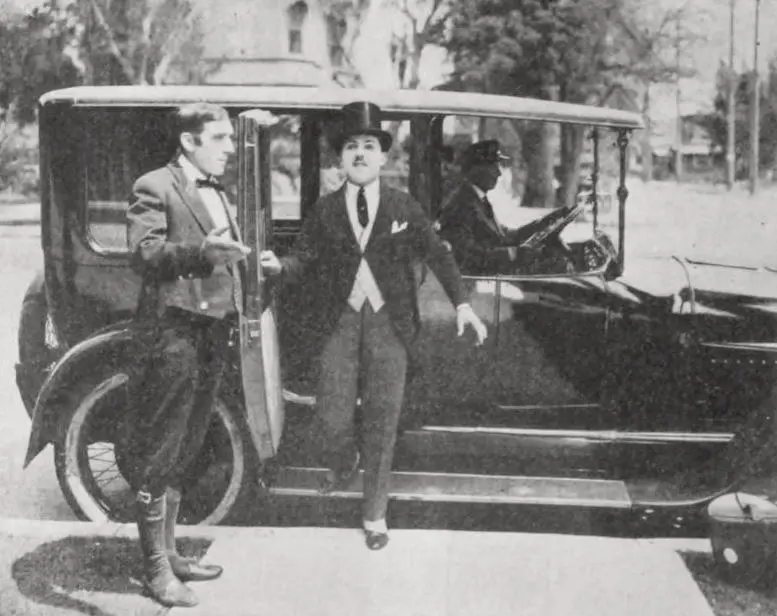
Depth staging, too, is weaponized for laughs. In one salon scene, a mirror in the background reflects a horse barging through the doorway behind the characters, yet the actors remain oblivious. The audience becomes co-conspirator, savoring the impending collision before the characters do—a tension device still lifted by sitcoms a hundred years later.
Monty Banks, often relegated to second-banana status, here operates like a Swiss watch stuffed with dynamite. His elevator gag—stepping into a lift that never arrives, sending him crashing through the shaft into a wedding cake—deserves canonical status alongside Keaton’s house-front façade and Lloyd’s clock-tower dangle.
Yet the film’s emotional fulcrum is London’s surprising vulnerability. Beneath the Amazonian bravado flickers a terror of spinsterhood, a dread that the narrative neither mocks nor resolves, but simply acknowledges with a rare, lingering close-up: her eyes shimmering like wet pavement under streetlamps. In that instant, slapstick bends toward pathos without snapping the tone.
Stack Nearly Married beside Her Whirlwind Wedding and you’ll notice how both weaponize velocity, yet the former trades romance for anarchy, while the latter still genuflects to sentimental resolution. Contrast it with The Little Gypsy, whose ethnic caricature has aged like milk, and you appreciate how Nearly Married bypasses racial burlesque, preferring class and gender as its comic whetstones.
Even Shot in the Dumbwaiter—its title a kindred spirit—relies on claustrophobia, whereas this film sprawls, chasing its characters across boulevards, ballrooms, and jail corridors. The result is a comedy that breathes, that lets the audience gallop alongside rather than simply spectate.
Surviving prints, cobbled from European archives, retain a sepia patina that occasionally blossoms into chemical purple where nitrate decay has crept in. Rather than mourn these blemishes, lean into them—they feel like bruises on a peach, reminders of the film’s fragile mortality. Several streaming venues offer a 4K scan with a jaunty electro-jazz score; purists may prefer the quieter piano accompaniment that lets the creak of the projector mingle with the on-screen chaos.
Warning: most online versions truncate the final gag reel featuring a reprise of the elevator catastrophe. Hunt down the 68-minute Library of Congress assembly if you crave the full payload.
Because matrimony remains society’s favorite contact sport, and this film hands every player a banana peel. Because gender roles, though redrawn, still box us into corners the film gleefully dynamites. Because silent comedy at its best is a universal language, and Nearly Married speaks in fluent anarchy.
In an age when rom-coms endlessly recycle meet-cutes and third-act airport dashes, here is a relic that finds fresh absurdity in the very institution it ridicules. It reminds us that love is not the opposite of chaos—it is chaos wearing a corsage, staggering up the aisle, and saying "I do" just before the floor collapses.
Seek it out. Let the bride fall on you. Let the cake explode in your face. And when the dust settles, notice how the ring—cheap, pawned, dented—still catches the light.
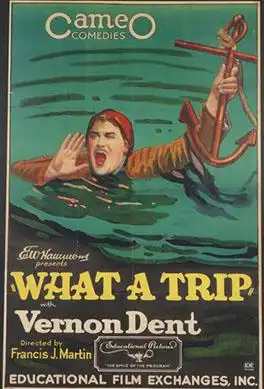
IMDb —
1929
Community
Log in to comment.