DbcultAccessing Vault...
6.1/10
Senior Film Conservator
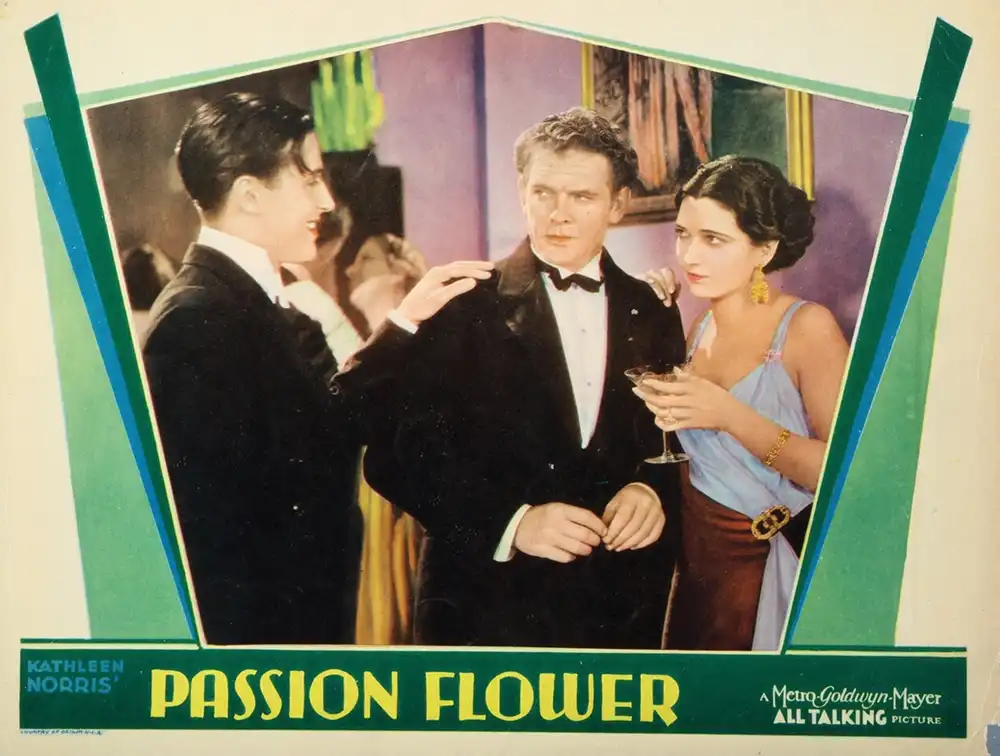
A definitive 6.1/10 rating for a film that redefined the boundaries of cult cinema. Passion Flower remains a cornerstone of transgressive art.
If you like old movies where people make terrible life choices just because they are bored, you will probably have a good time with this. It is a solid pick for a rainy Sunday if you enjoy early sound films that feel a bit like a stage play.
Action junkies or people who hate slow, talky dramas should definitely stay away. This is all about stares, sighs, and social ruin.
Passion Flower is one of those movies that reminds you how weird the transition to sound was in Hollywood. The actors sometimes talk like they are afraid the microphone is going to bite them. 🎙️
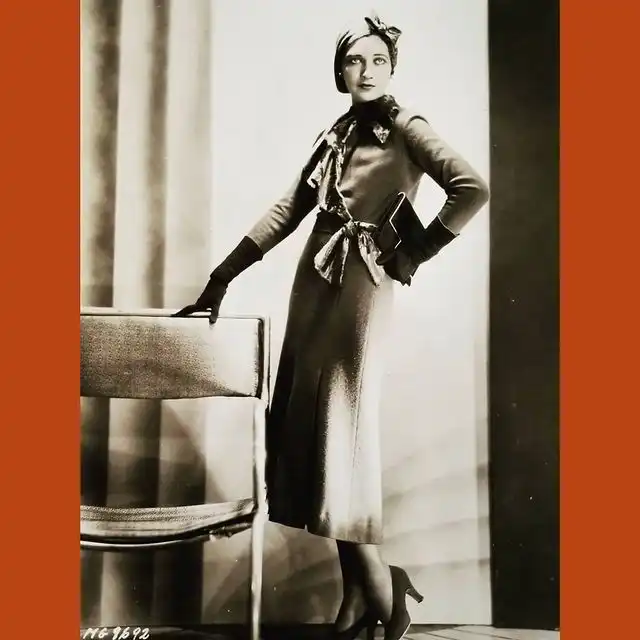
Kay Francis plays Cassy, and she is just so good at looking elegantly miserable. She has this voice that sounds like velvet, even when she is saying something completely ridiculous.
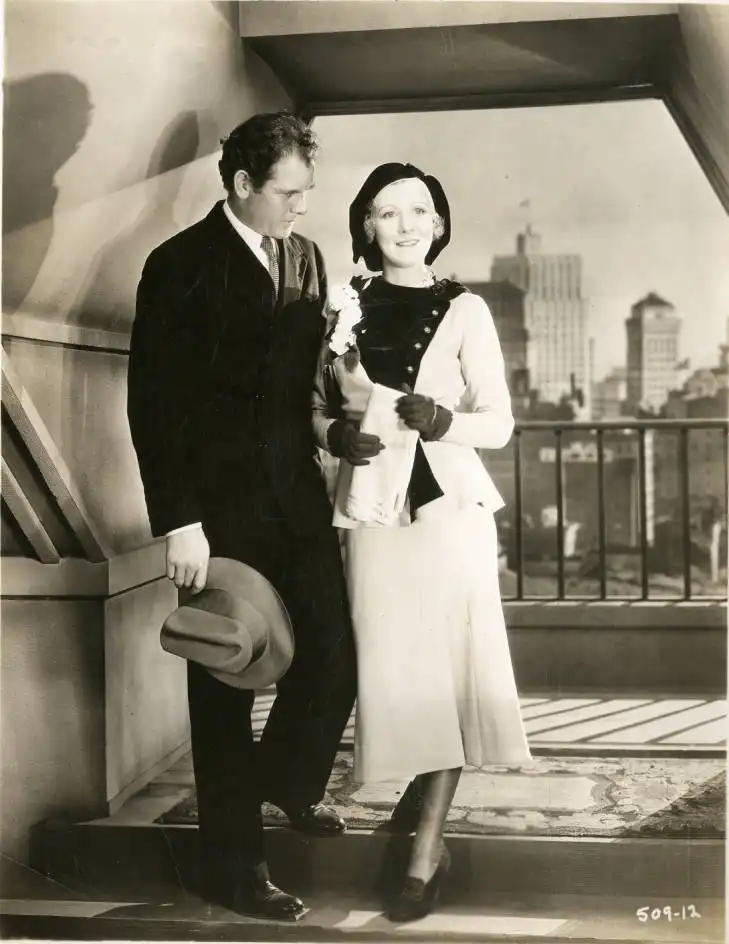
The plot is basically a 1930s version of a tabloid headline. Rich girl wants the driver. Driver happens to be married to her cousin, Pussy (yes, that is the name Zasu Pitts goes by here).
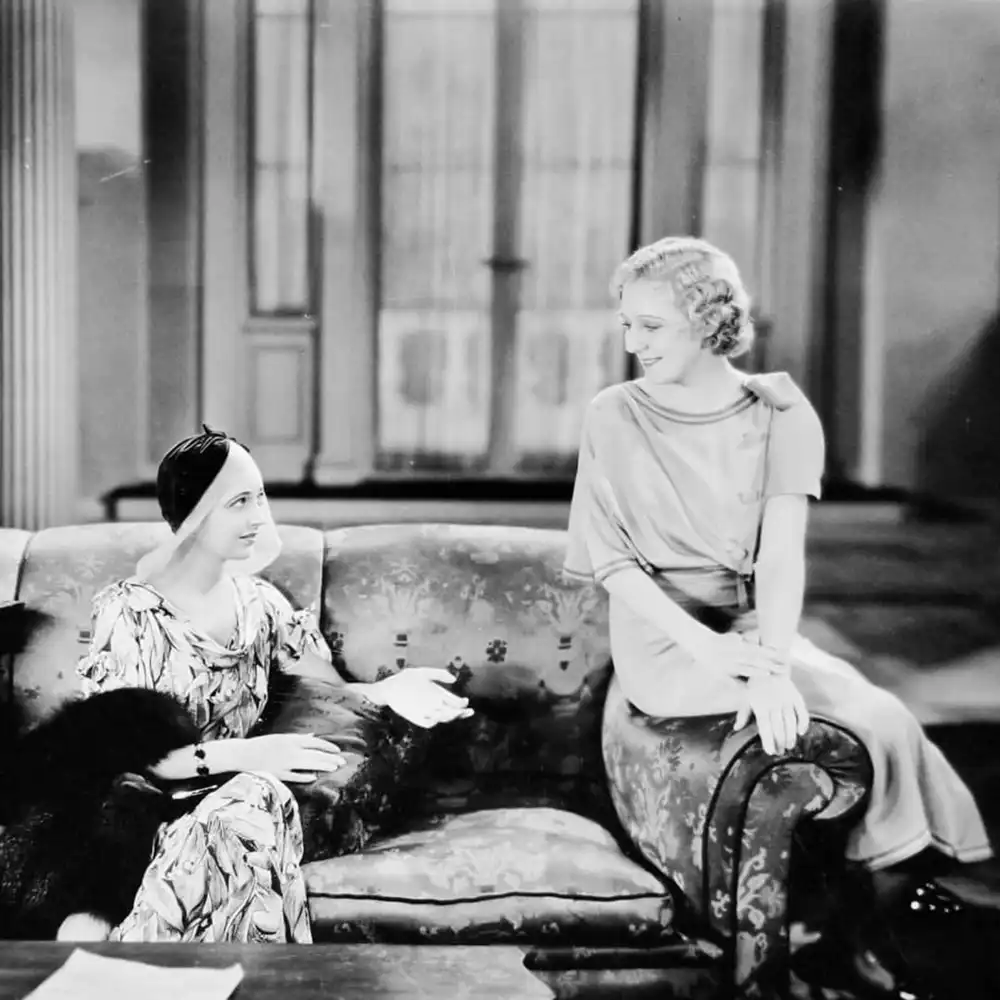
Speaking of Zasu Pitts, she is the best part of the movie, honestly. She has these nervous hands that never stop moving, and her face always looks like she just realized she left the stove on. 🦋
Charles Bickford plays Dan, the chauffeur. He looks like he was carved out of a piece of granite. He is very stiff and very grumpy, which makes it hard to see why two different women are fighting over him.
There is a scene early on where they are all at a fancy party, and the way the camera lingers on the jewelry is almost funny. It is like the movie is trying to remind you how much Cassy has to lose before she throws it all away.
I found myself thinking about East Lynne while watching this. Both movies have that vibe of "woman suffers greatly for her sins," which was a big deal back then.
Once the scandal hits, the movie shifts from big mansions to a farm. The change in scenery is jarring. One minute they are drinking champagne, and the next, they are dealing with literal dirt and crying over sick kids.
The farm scenes feel very heavy. You can almost smell the dampness in the air through the screen. 🌧️
I noticed a small detail in the kitchen—the pots and pans look actually used, not like shiny props. It’s a tiny thing, but it made the struggle feel a bit more real.
There is a kid in this, Dickie Moore, who is actually pretty cute and not too annoying. Usually, kids in these old movies are a bit much, but he just mostly looks confused by all the adult drama.
The pacing is sort of lumpy. It spends a lot of time on people sitting in rooms talking about their feelings, then suddenly BAM, a huge plot point happens in ten seconds.
It’s not quite as intense as something like The Unknown, which has that real silent-era grit. Passion Flower feels more like a bridge between the old world and the new talkies.
I liked the way Kay Francis wears her clothes, even when she is supposed to be poor. She still has that "movie star" glow that doesn't quite fit a dusty farm house. It’s a bit distracting but also part of the charm.
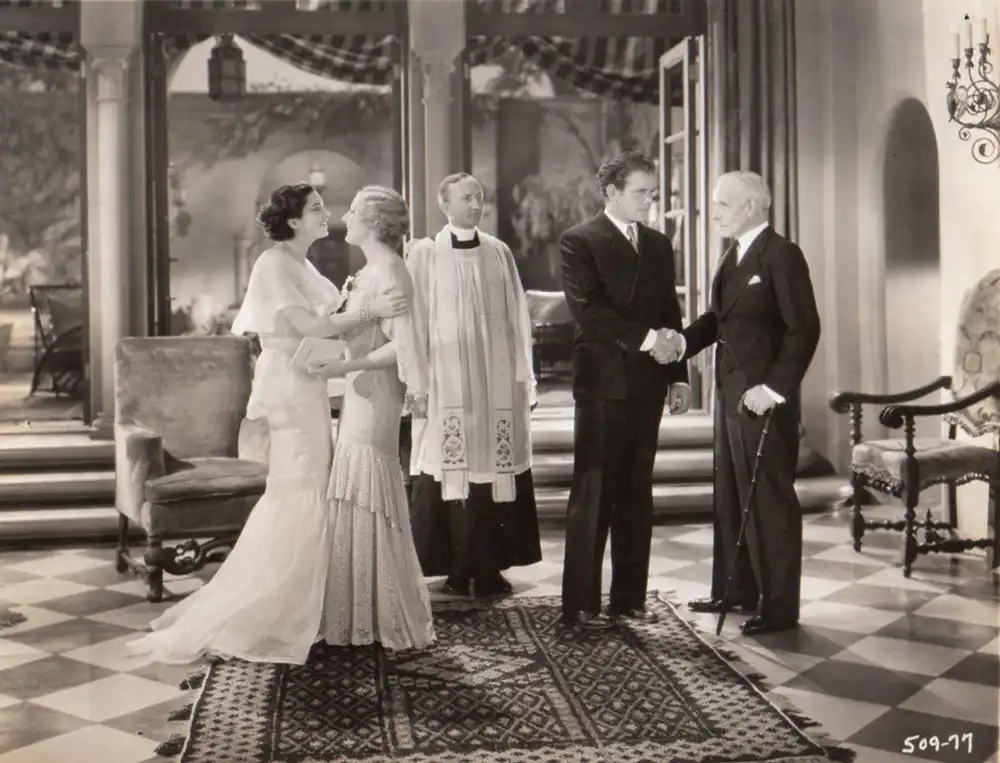
There is a moment where a letter is being read, and the camera just stays on the paper for way too long. I think I had enough time to read the letter three times before they cut away. ✉️
Charles Bickford has this one expression he uses for everything. Sad? Grumpy face. Happy? Grumpy face. In love? Slightly less grumpy face.
The ending feels like the writers ran out of paper. It wraps up so fast that you might miss it if you blink. It doesn't really solve the problems it spent an hour building up.
I don't think this is a masterpiece or anything. But it is a very human movie. It shows how people can be selfish and stupid and still expect things to work out.
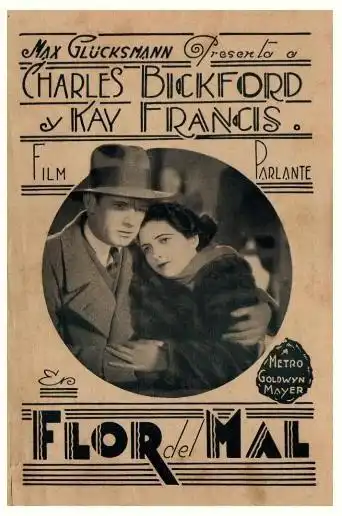
If you’ve seen The Americano, you know how these older stories love their clear-cut morality. But Passion Flower is a little messier than that, which I liked.
It’s a movie about the consequences of being bored. And honestly, isn’t that what half of our modern problems are too? 🥀
The lighting in the final scenes is actually really beautiful. Lots of shadows that make everything feel more serious than it probably is.
I’d say give it a watch if you want to see Kay Francis before she became a massive superstar. She has a spark here that’s hard to ignore, even when the script is being a bit silly.
Just don't expect a happy ending where everyone gets what they want. That’s not how these 1930 melodramas work.
IMDb —
1919
Community
Log in to comment.