DbcultAccessing Vault...
5.9/10
Senior Film Conservator
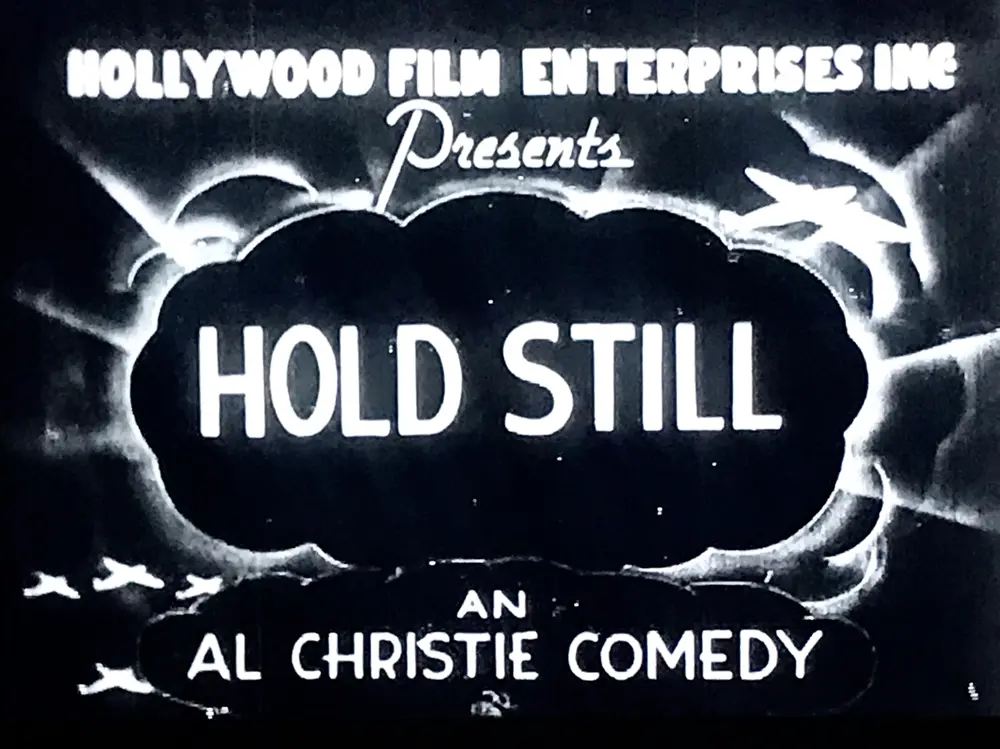
A definitive 5.9/10 rating for a film that redefined the boundaries of cult cinema. Hold Still remains a cornerstone of transgressive art.
Short answer: Only if you are a dedicated student of silent-era gender roles or a completionist for the works of Sig Herzig. For the modern viewer, the film is a fascinating but ultimately frustrating relic that showcases a woman's brilliance only to extinguish it in the final frame.
It is a film for those who appreciate the physical language of 1920s slapstick, yet it will likely irritate anyone looking for a protagonist who stands her ground. It is definitely NOT for those who want a progressive resolution to a career-focused narrative.
1) This film works because Anne Cornwall delivers a high-energy performance that bridges the gap between traditional damsel and modern go-getter.
2) This film fails because its resolution feels like a betrayal of the character's established ambition and competence.
3) You should watch it if you want to understand how early Hollywood used comedy to domesticate the threat of the professional woman.
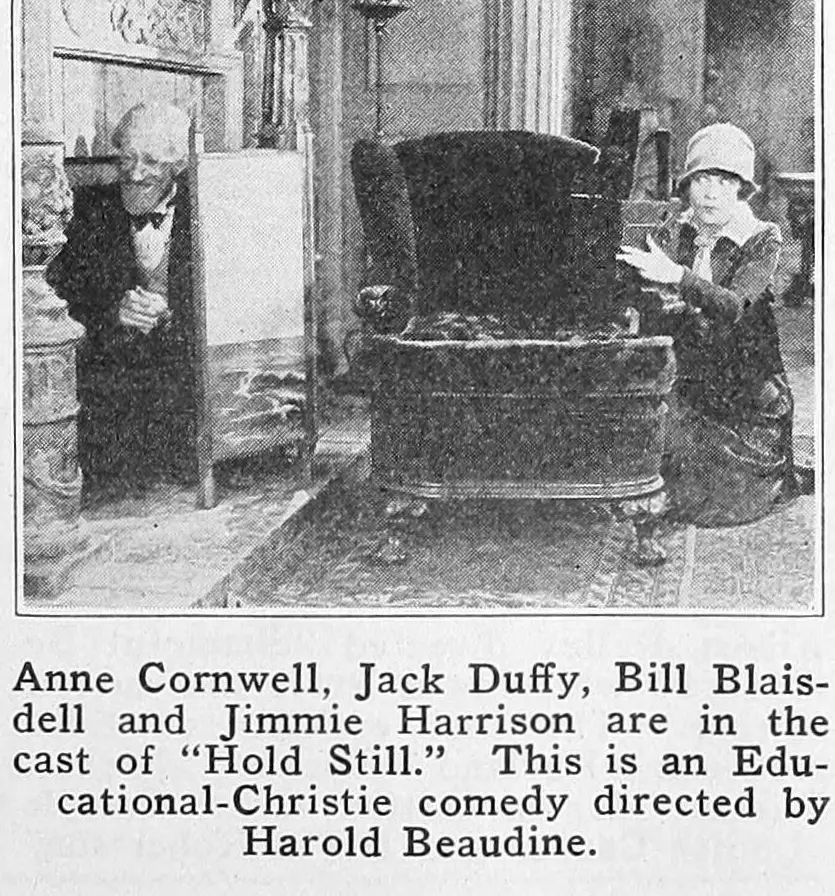
The opening of Hold Still is remarkably grounded. We see Anne in a space that feels lived-in and hostile. The city editor’s office is a bastion of mid-20s machismo, where the idea of a woman reporter is treated as a punchline. This setup is familiar to those who have seen Just a Woman, where the struggle for female agency is the core conflict.
Anne’s desperation isn't just about a job; it’s about proving a point. When she accepts the challenge to photograph Senator Hangnail, the stakes are clearly defined. The camera is not just a tool; it is her ticket out of the secretarial pool. The film establishes her as an underdog, and the audience is immediately tethered to her success.
The pacing in these early scenes is brisk. There is a rhythmic quality to the way the editor dismisses her, a sharp contrast to the chaotic energy that follows. It sets a tone of 'woman against the world' that feels surprisingly modern for a 1926 short.
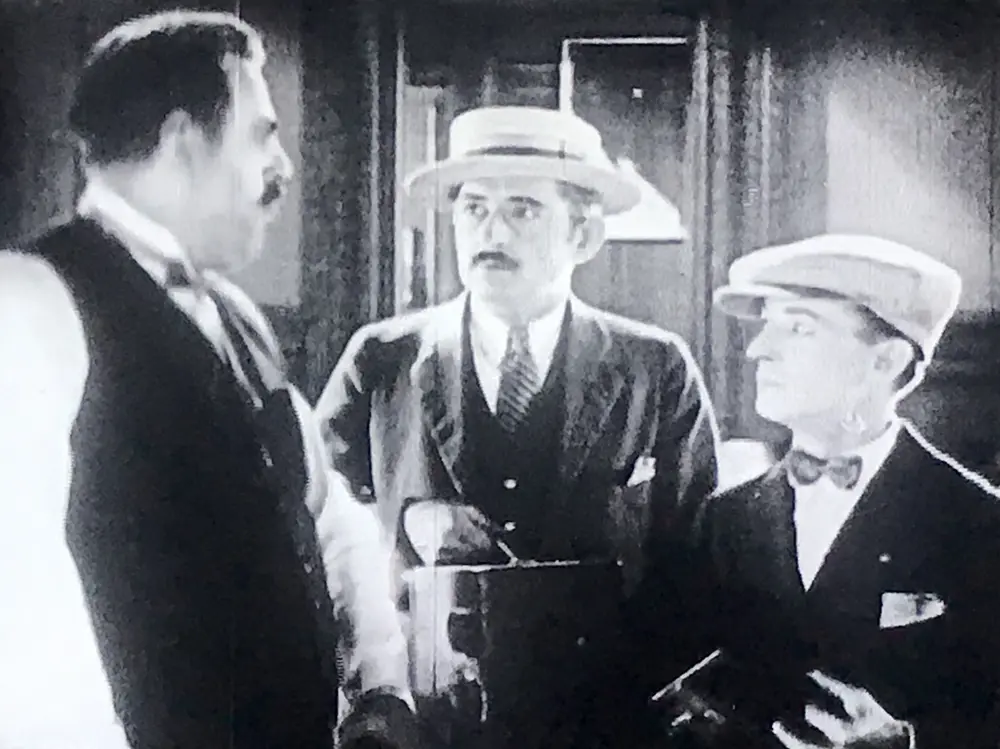
Once Anne enters the Senator’s house, the film shifts into high-gear slapstick. The sequence where she is mistaken for a 'Black Hand' terrorist is a fascinating cultural artifact. It reflects the era's anxieties about secret societies and anarchist threats, themes also touched upon in A Debtor to the Law.
The physical comedy here is top-notch. Cornwall’s ability to navigate the Senator’s mansion while dodging bodyguards is a masterclass in silent movement. There is a specific moment where she hides behind a curtain, and her eyes tell a story of both terror and professional determination. It is a nuanced performance hidden inside a broad comedy.
However, the real genius of the middle act is the 'missing face' gag. After escaping the house, Anne develops her film only to find she has photographed the Senator’s shoes, his torso, and his hat—but never his face. This is a brilliant metaphor for the elusive nature of power and the frustration of the creative process.
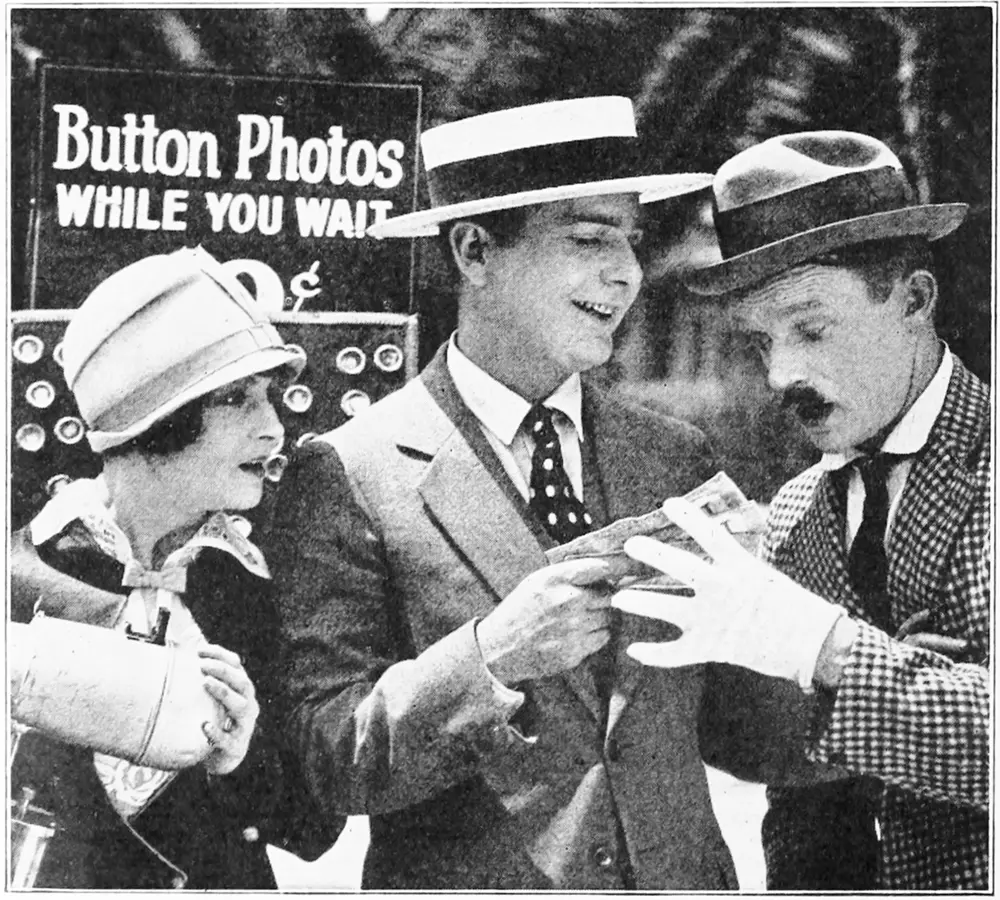
Directorially, the film is competent but rarely experimental. The cinematography by the uncredited crew follows the standard visual grammar of the time: wide shots for action, medium shots for character reaction. It lacks the dreamlike quality of The Dream Cheater, opting instead for a flat, functional realism that suits the journalistic theme.
The pacing is where the film shines. Silent shorts often suffer from 'gag fatigue,' but Hold Still keeps the narrative moving. The transition from the Senator’s house to the café feels organic. The café sequence, in particular, uses the confined space to build tension. Anne, disguised as a waitress, has to balance the physical demands of service with the technical demands of her camera.
The lighting in the café scene is notably better than the rest of the film. There is a sense of depth in the background, with other patrons moving in a way that makes the world feel larger than just a film set. It creates a sense of 'the hunt' that is essential for a story about paparazzi-style journalism.
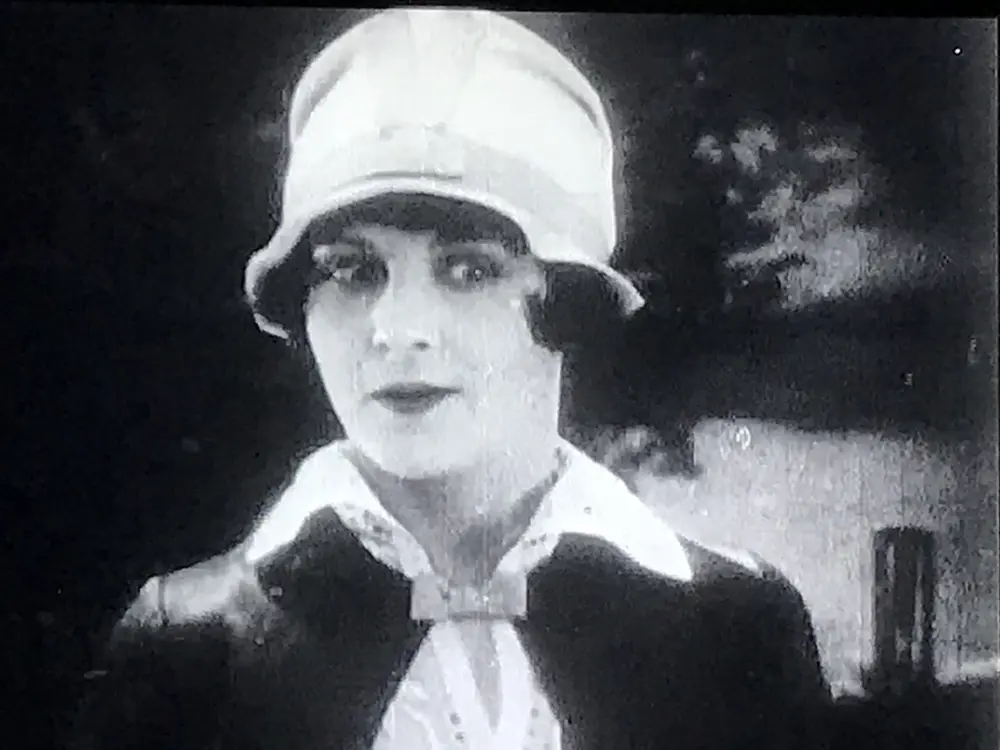
Here is where the film takes a hard turn into controversy. After succeeding where every man failed, Anne is offered the job. She has won. She has the photograph. She has the respect of the editor. Then comes Jimmie Adams. Her boyfriend’s ultimatum—that he will find another wife if she takes the job—is a brutal reminder of the era's social limitations.
Anne turns down the job. It works as a 'happy ending' for a 1926 audience, but for a modern viewer, it feels like a tragedy. The character we spent 20 minutes rooting for simply gives up. It is a jarring shift that undermines everything that came before. It makes the film feel less like a triumph and more like a cautionary tale about the 'dangers' of female ambition.
Compared to the grit of The Waif, where survival is the only goal, Hold Still suggests that for a woman, professional survival is secondary to domestic harmony. It is a bitter pill to swallow. The film ends on a joke, but the punchline is Anne's future.
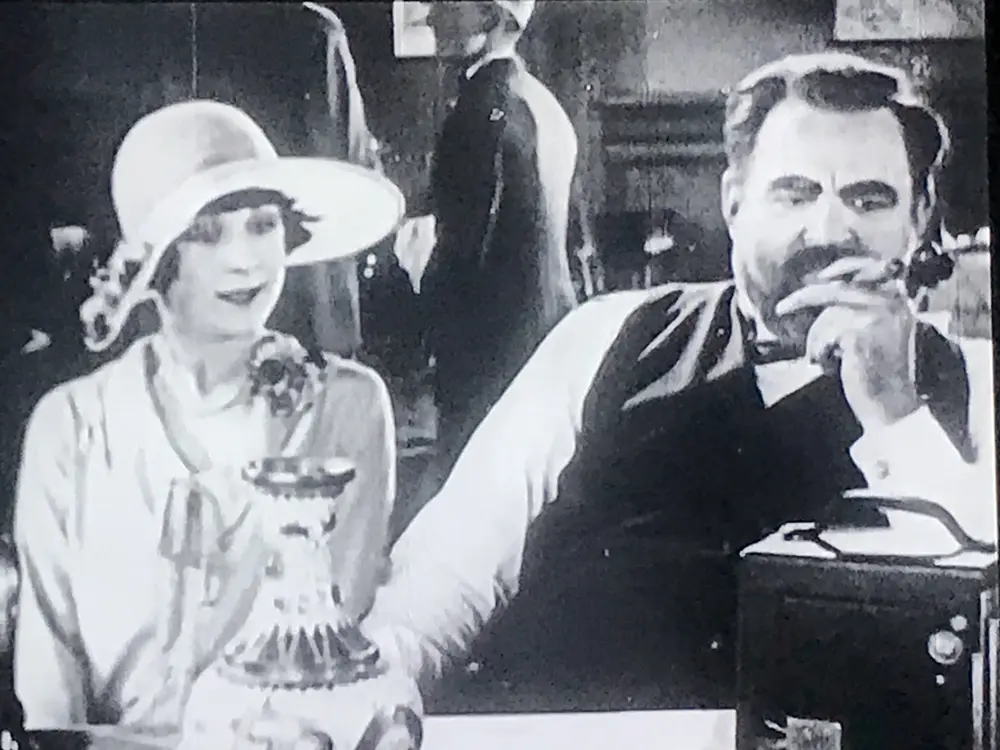
Despite my grievances with the ending, the film is a vital piece of the silent era's puzzle. It showcases the immense talent of Anne Cornwall, who often lived in the shadow of bigger stars. Her comedic timing is impeccable, and her ability to sell the frustration of the 'near-miss' photography gag is genuinely funny.
If you can view it through a historical lens, the film offers a lot of value. It’s a snapshot of a time when the boundaries of what a woman could do on screen were being tested and then quickly re-established. It’s a short, punchy watch that doesn’t overstay its welcome, even if its conclusion leaves a sour taste.
Pros: The film is exceptionally well-paced, avoiding the mid-reel slump common in many shorts of this era. Anne Cornwall is a delight to watch, bringing a physical intensity that rivals her male contemporaries. The 'Senator Hangnail' character is a great silent-era caricature of the untouchable politician.
Cons: The 'Black Hand' subplot feels dated and leans on xenophobic tropes common in the 1920s. Jimmie Adams' character is unlikable by modern standards, making the romantic conclusion feel unearned. The film ultimately lacks a cohesive thematic message, oscillating between empowerment and submission.
Hold Still is a fascinating failure. It succeeds as a comedy but fails as a narrative. It showcases a woman who is smarter, faster, and more capable than the men around her, only to have her 'reward' be the removal of her agency. It works. But it’s flawed. Watch it for Cornwall's performance, but be prepared for the 1920s to slap you in the face in the final three minutes.
IMDb —
1921
Community
Log in to comment.