DbcultAccessing Vault...
Cult Review
Senior Film Conservator
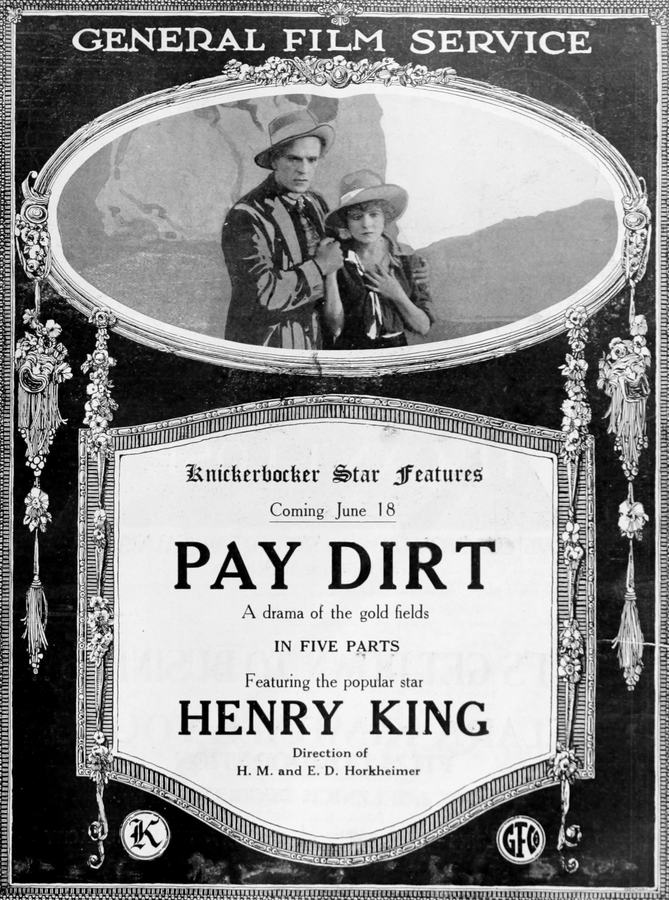
Step into the dust-choked, sun-baked world of the early 20th-century gold rush, a landscape where dreams were forged in the crucible of hard labor and shattered by the fickle hand of fate. In this raw, untamed frontier, the silent film Pay Dirt (1916) unfolds a narrative as rich and unpredictable as the veins of gold its characters tirelessly pursue. This isn't just a story of wealth; it's a profound exploration of human frailty, the siren call of addiction, the enduring power of familial bonds, and the slow, inexorable grind of justice. Directed with an eye for dramatic tension and featuring a cast that brings surprising depth to their roles, Pay Dirt transcends its era to deliver a timeless tale of struggle and redemption.
At the heart of this cinematic crucible is "The Easterner," a young miner portrayed with a compelling blend of ambition and self-destructive tendencies by Philo McCullough. His days are a relentless cycle of back-breaking toil, sifting through the earth for its golden bounty. Yet, by night, he succumbs to the intoxicating allure of the gambling hall, a den of false hopes and shattered dreams. This dichotomy forms the central conflict of the film, painting a vivid portrait of a man caught between the promise of a prosperous future and the immediate, fleeting thrill of the wager. It's a struggle that resonates deeply, akin to the internal battles depicted in films like Beating Back, where characters grapple with their personal demons against a backdrop of societal challenges.
Enter Moll, a woman of the camps whose very presence exudes a quiet strength and an unspoken wisdom. Portrayed by Ruth White, Moll initially observes The Easterner's spiraling addiction with a detached concern that soon transforms into a fierce determination to save him. Her efforts to break him of his ruinous habit are met with the dismissive laughter of a man convinced he controls his own fate. However, a pivotal moment arrives when Moll, with courageous swiftness, saves his life from an unseen peril. This act of selfless heroism shatters The Easterner’s complacency, compelling him to make a solemn vow: he will abandon the gambling tables for good. This early dynamic sets a powerful precedent, highlighting the profound impact one individual can have on another's trajectory, a theme often explored in narratives of redemption.
As if the internal battle against addiction weren't enough, The Easterner finds himself ensnared in a complex web of romantic attachments and simmering animosities. Kate Gardner, brought to life by the nuanced performance of Marguerite Nichols, embodies the steadfast devotion of a frontier woman. She harbors a deep affection for The Easterner, her loyalty a beacon in the often-harsh environment of the gold camp. Yet, her heart is pursued by Bill Turner, a fellow miner whose love for Kate is unfortunately overshadowed by a virulent jealousy towards The Easterner. This classic love triangle, a staple of cinematic storytelling, takes a darker turn as Turner, consumed by envy, unearths a past engagement between The Easterner and Doris Wendell, the daughter of a wealthy landowner. This revelation serves not to win Kate's affection but to fuel the flames of resentment, escalating the tension to a boiling point.
Turner’s jealousy culminates in a terrifying display of frontier justice gone awry: he incites a mob, intent on lynching The Easterner. The raw, visceral depiction of this scene, a common trope in Westerns of the era, underscores the precariousness of life and law in the gold camps. It’s a moment of intense suspense, showcasing the film's ability to build palpable dread. Yet, in a testament to the strength and courage of its female characters, both Kate and Moll intervene with remarkable bravery, orchestrating a dramatic rescue that snatches The Easterner from the jaws of certain death. This sequence highlights the film's progressive leanings, granting significant agency to its female protagonists, reminiscent of the resilient women often found in films like Nanette of the Wilds, who navigate perilous landscapes with unwavering spirit.
The narrative of Pay Dirt is not content to merely explore personal struggles; it delves into the darker underbelly of greed and manipulation that often accompanied the promise of gold. Peter Gardner, Kate's father, portrayed with a calculating menace by Daniel Gilfether, emerges as a figure driven by avarice. Coveting The Easterner’s lucrative claim, Gardner conspires with Dick Weed, the unscrupulous proprietor of the gambling house (played by Gordon Sackville). Their scheme is simple yet insidious: to lure The Easterner back to the tables and strip him of his valuable property. This plot device effectively raises the stakes, transforming The Easterner’s personal battle into a fight for his very livelihood.
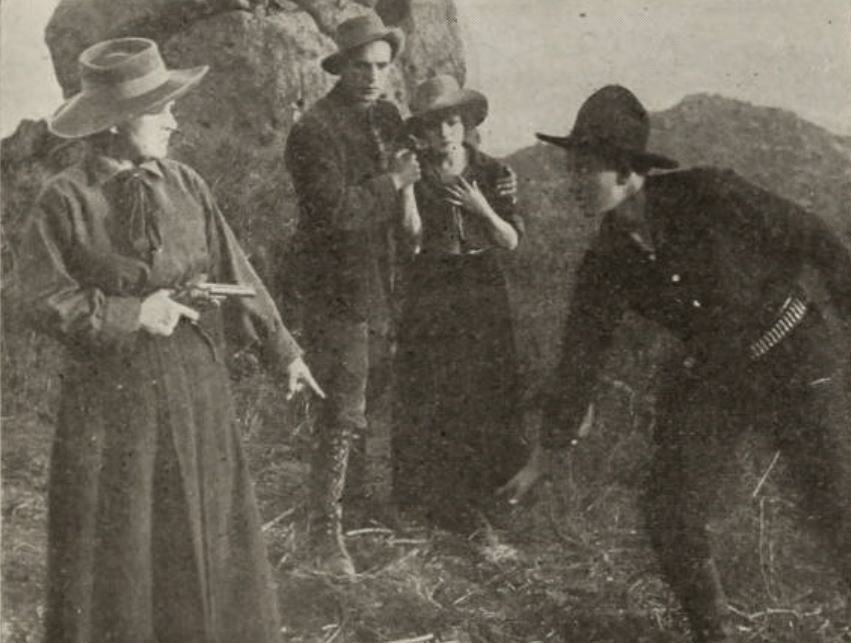
Remarkably, The Easterner, true to his promise to Moll, resists their provocations. His newfound resolve holds firm, demonstrating a powerful commitment to change. This period of steadfastness provides a momentary respite, a glimmer of hope for a future free from the shackles of addiction. However, the film then delivers one of its most potent and surprising revelations: Moll confesses that she is, in fact, The Easterner's mother, and that his intense passion for gambling is an inherited trait, a legacy passed down from her own past struggles. This twist adds a layer of tragic inevitability to The Easterner’s plight, transforming his addiction from a personal failing into a deeply ingrained part of his identity. It’s a compelling exploration of nature versus nurture, and the inescapable echoes of family history, a theme that lends a profound weight to the drama, much like the hidden family secrets that drive the plot of films such as The Banker's Daughter.
This revelation, while shocking, comes with immediate and painful consequences. Doris Wendell, unable to reconcile herself with The Easterner's refusal to disown his mother – a testament to his newfound moral compass – breaks off their engagement. Faced with societal scorn and personal heartbreak, Moll and her son attempt to forge a respectable life, far from the temptations of the gambling hall. Yet, the insidious pull of the inherited vice proves too strong. In a moment of weakness, Moll succumbs, rushing back to the Hall of Chance, drawn by the irresistible siren call of the game. Her son, despite his earlier triumph over temptation, is once again inveigled by Weed and Gardner into a high-stakes bet, wagering his precious claim on the turn of a card. The cyclical nature of addiction, the relentless struggle against an internal foe, is portrayed with a stark realism that transcends the silent film era.
As The Easterner’s fortune dwindles and his claim hangs precariously in the balance, the film introduces another enigmatic figure: Oby, the half-wit, portrayed by Charles Dudley. Oby is a spectral presence, haunting the fringes of the gold camp, his fragmented mind a tragic consequence of past trauma. In a moment of high drama, as The Easterner faces ruin, Oby dramatically snatches away the tablecloth, scattering the cards and disrupting the rigged game. Enraged by this unexpected interference, Gardner, his villainy now fully unmasked, strikes Oby down. This brutal act, however, serves as a catalyst, a shock to Oby’s system that shatters the amnesiac fog enveloping his mind. His memory returns in a flash, revealing a long-buried truth: Gardner is the man who robbed him years ago, leaving him a broken shell of his former self. The slow burn of injustice finally ignites, culminating in Oby exacting a swift, fatal retribution.
In his dying breaths, Gardner, his power and schemes crumbling around him, utters a final, startling confession: Kate is Oby’s daughter. This revelation adds another layer of tragic irony and profound connection to the already intricate narrative. The quiet, steadfast woman who loved The Easterner is suddenly reunited with a father she thought lost, a father whose justice came at the cost of his own long-suffering. It’s a moment of bittersweet catharsis, demonstrating how the threads of fate, though seemingly disparate, are often woven together by unseen forces. The film deftly handles this complex resolution, bringing together long-separated family members and delivering a form of frontier justice that, while violent, feels earned within the context of the story.
Pay Dirt culminates in a resolution that, while perhaps conventional for its era, feels deeply satisfying after the tumultuous journey. Reunited with her father, Kate finds her true path, ultimately marrying The Easterner. This union symbolizes not just romantic love, but a triumph over adversity, a future built on honesty, resilience, and the hard-won wisdom gained through profound struggle. The film, despite its age, offers a compelling examination of themes that remain eternally relevant: the destructive nature of addiction, the complexities of familial legacy, the pursuit of justice, and the transformative power of love and forgiveness. The performances, particularly from Ruth White as Moll and Philo McCullough as The Easterner, provide an emotional anchor to the unfolding drama, conveying a wide range of human experience through the expressive language of silent cinema.
"Pay Dirt is more than just a frontier melodrama; it's a profound character study, a testament to the enduring human spirit in the face of overwhelming odds, and a powerful reminder that the richest veins are often found not in the earth, but within ourselves."
While some might draw parallels to other silent era dramas exploring social ills or personal battles, such as Alone in London with its focus on moral struggles, Pay Dirt distinguishes itself through its intricate plot, its surprising twists, and its layered character development. The film’s ability to weave together so many disparate elements – romance, crime, addiction, and family drama – into a coherent and engaging narrative is a testament to its skillful direction and writing (even without specific writers credited, the narrative structure speaks volumes). It stands as a fascinating artifact of early cinema, offering not just entertainment, but a window into the moral and social landscapes of a bygone era. For those interested in the foundational narratives of American cinema and the enduring power of human drama, Pay Dirt remains a compelling and surprisingly resonant viewing experience. It reminds us that while the gold camps may have faded into history, the human struggles they encapsulated are as timeless as the mountains themselves.
IMDb —
1932
Community
Log in to comment.