DbcultAccessing Vault...
Cult Review
Senior Film Conservator
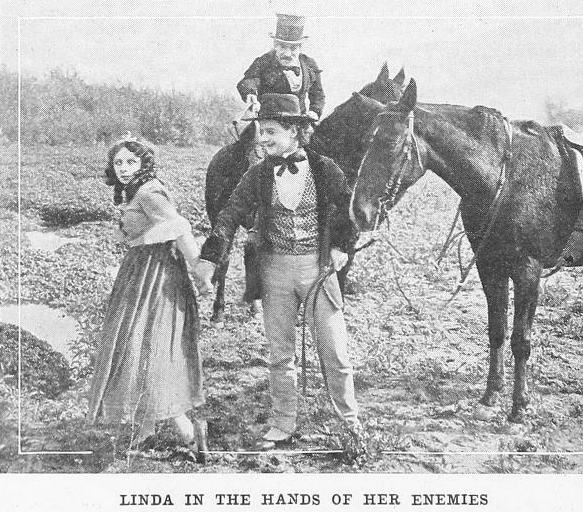
Stepping back into the annals of early cinema, one occasionally unearths a gem that, despite its age and the inherent limitations of its era, still manages to resonate with a surprising intensity. The Grip of Jealousy, a silent-era melodrama penned by Ida May Park, is precisely such a find. Released in the nascent stages of cinematic storytelling, this picture delves into themes that remain evergreen: betrayal, societal judgment, the corrosive power of jealousy, and the enduring human struggle against imposed destinies. Its narrative, set against the tumultuous backdrop of pre-Civil War America, offers not just a glimpse into historical mores but a profound meditation on the devastating consequences of a single, heartless decision.
The film opens with a scene steeped in tragedy, a woman succumbing to the rigors of childbirth. This somber beginning immediately establishes a tone of pathos, preparing the audience for the emotional maelstrom that is to follow. However, it is the reaction of her sister that truly ignites the film's central conflict. Convinced, perhaps by rumor or her own deeply ingrained prejudices, that the newborn is the product of an illegitimate union, she makes a choice that is both shocking and pivotal: she abandons the infant, entrusting its care to one of her sister's enslaved individuals. This act, born of a chilling blend of moral condemnation and what the title suggests is a profound jealousy, is the linchpin around which the entire dramatic edifice of the film is constructed. It’s a stark illustration of how easily human compassion can be eclipsed by rigid social constructs and personal animosity, particularly within the hierarchical and morally complex society of the antebellum South.
Ida May Park’s screenplay, while adhering to the dramatic conventions of its time, skillfully lays the groundwork for a multi-generational saga of hidden truths and eventual reckoning. The immediate aftermath of the abandonment is fraught with unspoken tension and the quiet suffering of those left to pick up the pieces. The film, through its visual storytelling – a necessity in the silent era – must convey the emotional weight of this decision without the aid of dialogue. This demands a nuanced approach from the actors, particularly in their use of facial expressions and body language. Lon Chaney, a master of physical transformation and emotional conveyance, likely brought an unparalleled depth to his role, even if it was a supporting one. His presence alone often lent an intensity to any scene he graced, turning what might have been a stock character into a memorable figure of either menace or profound pathos.
The casting choices for The Grip of Jealousy are intriguing, featuring a mix of prominent actors of the period. Louise Lovely, a captivating presence, would have been tasked with embodying the emotional core of the narrative, whether as the tragic mother or perhaps the abandoned child grown to adulthood, grappling with her mysterious origins. Her ability to project vulnerability and strength simultaneously would have been crucial in drawing the audience into the protagonist’s plight. Jay Belasco and Walter Belasco, possibly playing figures entangled in the paternity mystery or later generations affected by the initial act of abandonment, would have had to convey complex familial dynamics. The very premise of a child’s true parentage being concealed and the societal stigma attached to illegitimacy was a potent dramatic device in early 20th-century cinema, echoing similar themes found in films like The Sacrifice of Pauline, where hidden identities and moral dilemmas drive the narrative.
The film's setting in pre-Civil War days is not merely a backdrop; it is an integral component of its thematic fabric. This era was defined by rigid social hierarchies, profound moralistic judgments, and the institution of slavery, all of which would have amplified the dramatic stakes of the plot. The act of leaving a child in the care of an enslaved person speaks volumes about the societal position of both the child and the caregiver, and the casual cruelty that could be exercised by those in power. It hints at a deeper critique of the period's injustices, even if subtly woven into a melodrama. This social commentary, albeit implicit, distinguishes The Grip of Jealousy from simpler narratives of personal vendetta, elevating it to a more poignant exploration of systemic issues. One might draw parallels to the stark social realism, however nascent, found in works like Anfisa, which, though from a different cultural context, also explored the harsh realities faced by individuals caught in unforgiving social structures.
The central theme of jealousy, as the title boldly proclaims, is explored not just as a fleeting emotion but as a destructive force capable of reshaping lives across generations. It's a jealousy that transcends mere romantic rivalry, morphing into a bitter resentment of perceived moral failing or social disgrace. This kind of deep-seated envy can fester, leading to acts of profound cruelty, as demonstrated by the sister’s decision. The film, in its silent grandeur, would have relied on powerful visual metaphors and intense performances to convey the psychological torment inflicted by such emotions. The audience would have been left to ponder the true cost of such a corrosive sentiment, watching as characters navigate a labyrinth of secrets and half-truths, always shadowed by the initial act of abandonment.
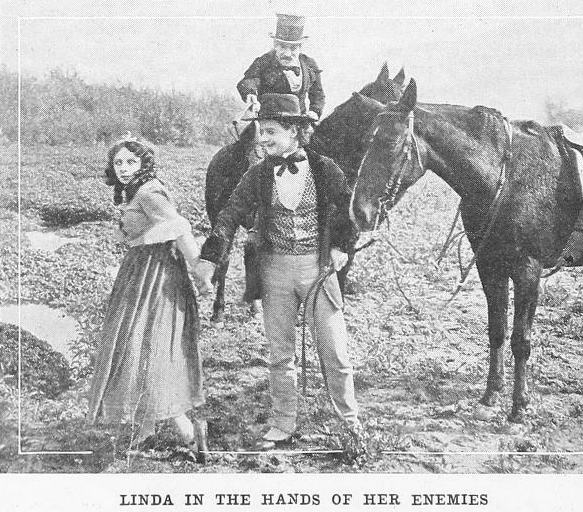
The artistry of silent film, particularly in its capacity for expressive acting and evocative cinematography, is paramount in a production like The Grip of Jealousy. Without spoken dialogue, every gesture, every tilt of the head, every lingering gaze becomes a vital piece of information. The director, likely working closely with Ida May Park, would have orchestrated these visual cues to build suspense, elicit empathy, and communicate the complex emotional states of the characters. Imagine the close-ups on the faces of Louise Lovely or Lon Chaney, conveying despair, defiance, or cunning with just the slightest shift of expression. This demands a level of performance that transcends modern acting, requiring a unique blend of theatricality and subtlety.
The narrative structure, while not explicitly detailed in the plot summary, almost certainly unfolds with revelations and confrontations that bring the truth to light. Such melodramas typically build towards a dramatic climax where the long-hidden secrets are exposed, and the characters must grapple with the consequences. The discovery of one's true parentage, especially when it involves illegitimacy and abandonment, is a powerful dramatic engine, capable of generating immense emotional turmoil. Think of the intricate web of deceit and revelation in Sangue blu, where aristocratic secrets dictate tragic fates. The potential for a powerful, cathartic ending, where justice or at least understanding is achieved, would have been a hallmark of such a film. The resolution would not necessarily be a simplistic happy ending, but rather a profound coming to terms with the past.
The contribution of actors like Grace Thompson, Dixie Carr, Colin Chase, Harry Ham, Marcia Moore, and Mr. Neff, though perhaps in less prominent roles, would have been crucial in populating this world and giving it texture. Each character, no matter how small, adds a layer to the social tapestry, reinforcing the film's themes and contributing to the overall dramatic tension. A strong ensemble cast, even in supporting capacities, can elevate a film from a simple story to a rich, immersive experience. The interplay between these characters, their reactions to the central drama, and their own personal struggles would have painted a fuller picture of the societal impact of the initial act of cruelty.
In considering the historical context, The Grip of Jealousy stands as a testament to the concerns and moral frameworks of its time. The emphasis on legitimacy, the stigma of out-of-wedlock birth, and the stark social divisions (exacerbated by the presence of slavery) were all deeply entrenched societal anxieties. Films of this period often served as moral parables, reflecting and sometimes subtly critiquing these societal norms. While it may not have been an overt protest film, the very act of depicting the abandonment and its consequences offers a commentary on the harshness of judgment and the vulnerability of the innocent. It shares a thematic kinship with other films of social observation, such as The Failure, which also explored the devastating impact of societal expectations and personal shortcomings.
The title itself, "The Grip of Jealousy," is remarkably telling. It doesn't merely suggest jealousy as a fleeting emotion but as a powerful, almost physical force that holds individuals captive, dictating their actions and twisting their perspectives. This personification of jealousy imbues the film with a sense of inevitability, implying that once this emotion takes hold, its consequences are almost predestined. It's a potent title that promises a deep dive into the psychological landscape of its characters, exploring how such a dark emotion can lead to irreparable harm and lasting regret. This focus on psychological torment, even in the absence of dialogue, would have been a hallmark of its dramatic impact.
Examining the film through a modern lens, one might initially find its melodramatic flourishes or the absence of sound a barrier. However, to do so would be to miss the profound artistry and emotional power that these early works possess. The Grip of Jealousy, like many silent films, demands a different kind of engagement from its audience – one that relies on visual literacy, empathy, and an appreciation for the raw power of unadorned human emotion. It's a reminder that compelling storytelling doesn't require complex special effects or intricate sound design; it requires a compelling narrative, strong characters, and universal themes. The film's ability to communicate profound human drama through gestures and expressions alone is a testament to the skill of its creators and performers.
Ultimately, The Grip of Jealousy appears to be more than just a historical curiosity. It’s a compelling piece of cinematic heritage that speaks to the enduring power of human drama. Ida May Park's vision, brought to life by a dedicated cast including the formidable Lon Chaney and the luminous Louise Lovely, offers a poignant reflection on the destructive potential of judgment, the resilience of the human spirit, and the long shadow cast by secrets. For those willing to immerse themselves in its silent world, it promises a rich, emotionally charged experience that transcends the limitations of its era, proving that the most powerful stories are often those that delve into the darkest corners of the human heart. Its exploration of moral quandaries and the weight of historical context positions it as a significant, albeit perhaps underappreciated, work in the tapestry of early American cinema.
IMDb —
1921
Community
Log in to comment.