DbcultAccessing Vault...
Cult Review
Senior Film Conservator
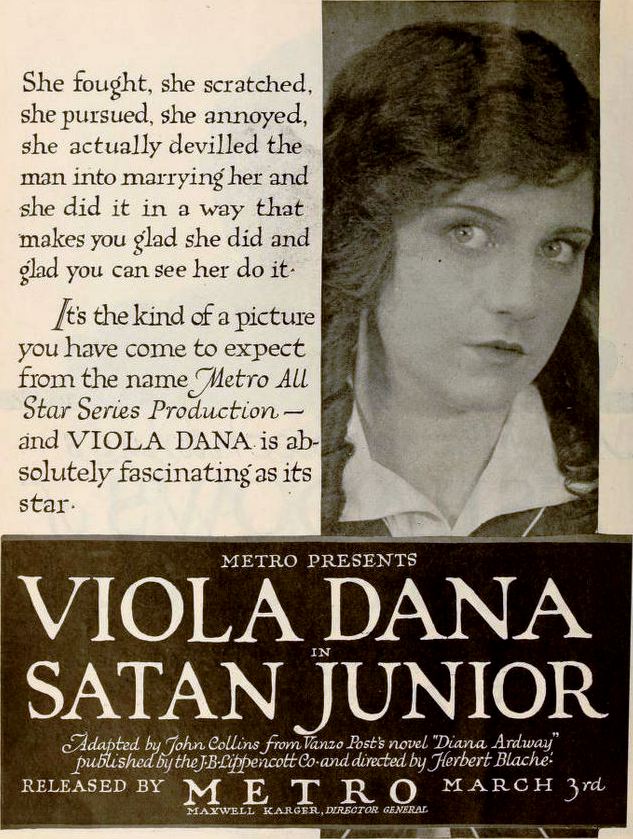
Stepping into the world of Satan Junior is akin to unearthing a forgotten time capsule, one that pulsates with the raw, untamed energies of early cinema. This 1919 production, a fascinating relic from a bygone era, doesn't merely tell a story; it plunges the viewer into a maelstrom of obsession, manipulation, and a love that blossoms from the most unconventional and, frankly, disturbing of seeds. In an age often mischaracterized by quaint innocence, Satan Junior stands as a stark reminder of the potent, often dark, psychological dramas that captivated audiences long before the advent of synchronized sound.
The narrative, penned by the formidable writing team of June Mathis, John H. Collins, and Van Zo Post, centers on Paul Worden, a renowned playwright portrayed with a nuanced blend of intellectual gravitas and exasperated vulnerability by Milton Sills. Worden seeks refuge in a tranquil country bungalow, a sanctuary where he intends to conjure his next theatrical masterpiece, accompanied by his leading lady, Marjorie Sinclair (Alice Knowland), whose proximity hints at a conventional, if understated, romantic dynamic. This carefully constructed world of artistic endeavor and polite society is violently disrupted, however, by the arrival of Diana Ardway, a character so electrifyingly portrayed by Viola Dana that she single-handedly elevates the film from a mere melodrama to a compelling study of human desire run amok.
Diana Ardway is not just a character; she is a force of nature. The spoiled, teenage daughter of a steel magnate, she embodies a rebellious spirit that chafes against the genteel expectations of her social standing. Her initial encounter with Paul Worden, wherein he assists her after her horse bolts, is a masterclass in establishing her volatile temperament. Her immediate insult at his interference, swiftly followed by an intense, almost predatory fascination, paints a portrait of a young woman unburdened by societal norms or conventional morality. Viola Dana, with her expressive eyes and dynamic physicality, imbues Diana with an almost feral energy, a magnetism that is both terrifying and undeniably captivating. It’s a performance that echoes the dangerous allure of characters found in films like Vampyrdanserinden, where female protagonists wield their power with a potent, often destructive, charm.
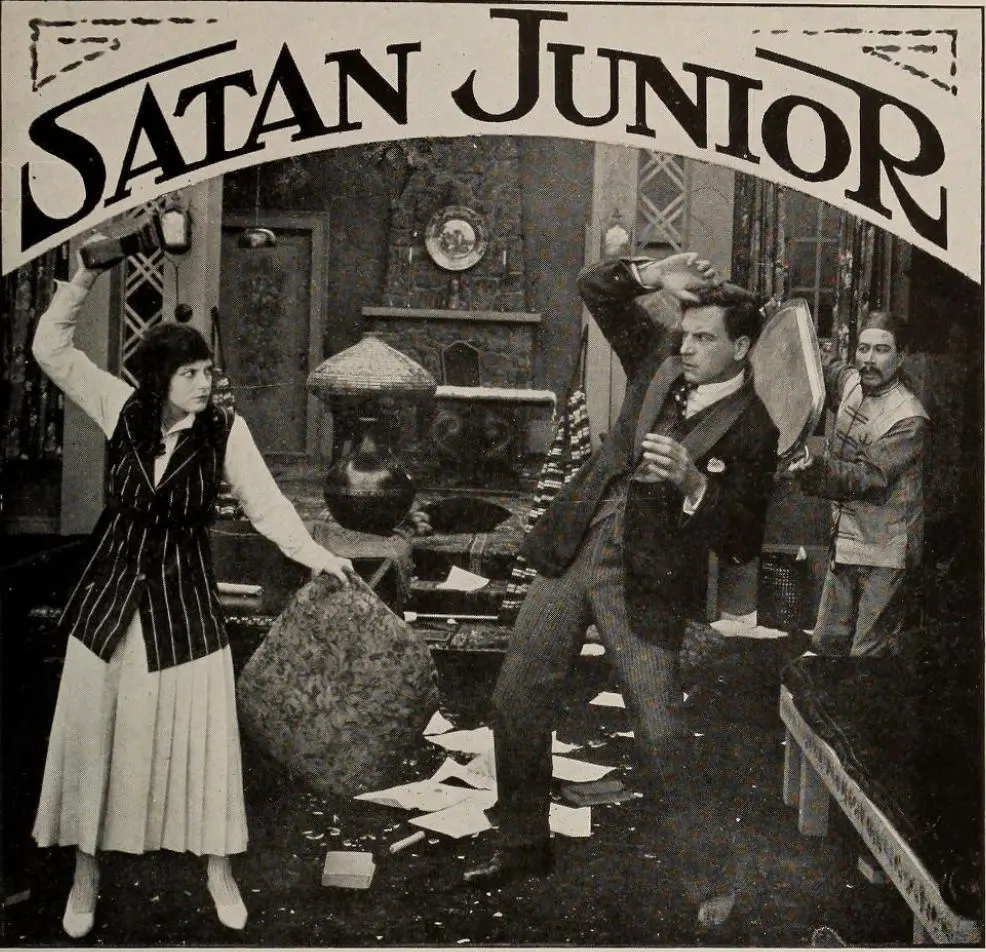
Diana's obsession with Worden is not a gentle infatuation; it is a relentless campaign of psychological warfare. She spies on him, her youthful curiosity rapidly transforming into an invasive fixation. Her jealousy erupts in a visceral, almost shocking, hair-pulling altercation with Marjorie Sinclair—a scene that must have resonated deeply with audiences of the time, highlighting the raw, unfiltered emotions that silent cinema could convey. When Worden, exasperated, treats her like a child, her response is a destructive rampage through his room, a primal scream of frustration and unfulfilled desire. This isn't merely petulance; it's a symbolic dismantling of the order Worden represents, a foreshadowing of the complete upheaval she intends for his life.
Paul Worden, initially a figure of intellectual calm, finds himself utterly outmatched by Diana's relentless intensity. His attempts to deflect her, including summoning his brother Tad (Lloyd Hughes), a man renowned for his romantic conquests, only serve to underscore Diana's singular focus. Tad, the archetypal charmer, is summarily rejected, highlighting the fact that Diana's interest in Paul is not a fleeting fancy for any man, but a specific, targeted obsession. This sequence is particularly telling; it demonstrates that Diana's actions are not born of a general capriciousness, but a profound, albeit twisted, conviction regarding her desired outcome.
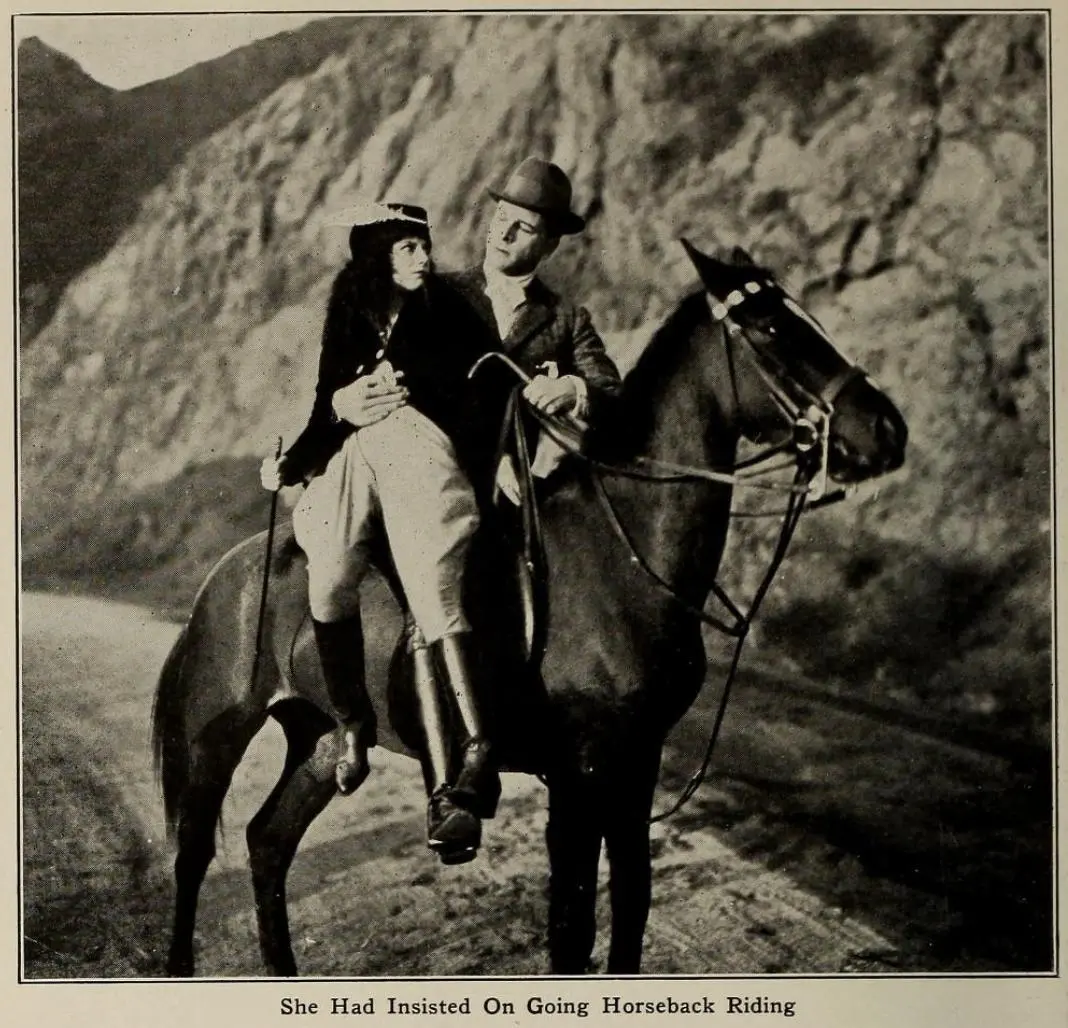
The escalating nature of Diana's machinations reaches its zenith with her audacious plan to announce her engagement to Worden via the Associated Press and subsequently kidnap him. This act, calculated to engineer a situation where Paul is perceived to have compromised her, is a brilliant stroke of villainy, demonstrating her cunning and ruthless determination. It’s a narrative twist that pushes the boundaries of conventional romance, forcing the audience to grapple with the ethics of desire and the blurred lines between passion and coercion. One might draw parallels to the destructive passions seen in literary adaptations like Anna Karenina, where personal desires clash violently with societal expectations, leading to inevitable turmoil.
The film's most intriguing, and perhaps most unsettling, development occurs after Diana's father returns. Paul, having been thoroughly 'beaten' – a phrase that suggests not just physical duress but a profound psychological weariness and capitulation – experiences a startling revelation. He realizes his love for Diana and accepts his fate. This is where Satan Junior transcends simple melodrama and delves into the complex, often contradictory nature of human emotion. Is it Stockholm Syndrome? A recognition of a kindred wildness? Or a profound, albeit twisted, attraction to a woman who dared to claim him so completely? The film leaves this ambiguity hanging, a testament to its daring narrative choices.
This transformation in Paul is crucial. It challenges the conventional understanding of romance, suggesting that love can emerge from coercion, that submission can lead to acceptance, and that the boundaries of desire are far more fluid than polite society cares to admit. It evokes the dark, psychological undercurrents found in stories like The Beetle, where characters are drawn into strange and inescapable circumstances, often against their initial will, only to find themselves irrevocably changed. The film asks us to consider whether Paul's 'love' is genuine, a coping mechanism, or simply the ultimate surrender to an overwhelming force. The genius lies in its refusal to offer easy answers.
As a silent film, Satan Junior relies heavily on visual storytelling, exaggerated gestures, and the power of its performers' expressions. Viola Dana, in particular, carries the film with her magnetic presence. Her shifts from petulance to cunning, from fiery anger to determined resolve, are conveyed with an intensity that transcends the lack of dialogue. Milton Sills, too, portrays Worden's journey from intellectual detachment to bewildered surrender with remarkable subtlety, communicating his character's internal turmoil through posture and gaze. The direction, while adhering to the stylistic conventions of the era, effectively builds tension and showcases the escalating stakes of Diana's relentless pursuit. The use of close-ups to capture emotional nuances would have been particularly effective in conveying the psychological depth of the characters.
The film’s exploration of class dynamics, with Diana as the privileged daughter of a steel magnate and Paul as the artistic intellectual, also adds a layer of social commentary. Diana's ability to manipulate the press and orchestrate elaborate schemes speaks to the unchecked power of the wealthy, a theme that resonates across different cinematic eras. It’s a fascinating look at how social standing can enable certain behaviors, allowing Diana to act with a degree of impunity that a less privileged character might not possess. This dynamic echoes the societal clashes often depicted in films like Each to His Kind, where personal relationships are complicated by external social structures.
It’s impossible to discuss Satan Junior without acknowledging the significant contribution of June Mathis, one of the most powerful and prolific screenwriters of the early Hollywood era. Mathis was known for her intricate plots and her ability to craft compelling, often morally ambiguous, characters. Her influence on the narrative structure of films like this cannot be overstated. She understood the visual language of silent film and how to build dramatic tension through a series of escalating actions rather than relying on dialogue. The film's audacious plot, culminating in Paul's forced engagement and subsequent emotional transformation, bears the hallmarks of Mathis's willingness to push boundaries and explore complex human psychology.
The film also serves as a testament to the collaborative nature of early filmmaking. While Mathis is credited, the contributions of John H. Collins and Van Zo Post would have been integral to shaping the final product. The sheer originality of Diana’s character and her relentless pursuit of Paul suggests a boldness in storytelling that was characteristic of the silent era's willingness to experiment and shock. This wasn't just about simple good versus evil; it was about exploring the darker, more irrational corners of the human heart. The film's unapologetic depiction of manipulation and obsession, leading to an unexpected romantic conclusion, makes it a fascinating case study in early cinematic morality.
Despite its age, Satan Junior offers a surprisingly modern take on themes of obsession, control, and the blurry lines of consent. Diana Ardway, as a character, remains remarkably compelling; she is a proto-femme fatale, a woman who wields her desires as weapons and reshapes her reality through sheer force of will. Her actions, while morally questionable, are undeniably effective, leading to a conclusion that is both disturbing and, in its own strange way, romantically profound. The film challenges viewers to question what constitutes 'love' and how far one can, or should, go to attain it. It's a narrative that delves into the desperate acts people will commit for what they believe they deserve, reminiscent of the intense emotional struggles depicted in Souls in Pawn.
The film's exploration of psychological transformation, particularly Paul's journey from victim to willing participant, is a testament to the sophistication of silent era storytelling. It doesn't shy away from depicting uncomfortable truths about human nature and the strange ways in which individuals can adapt to, or even embrace, their circumstances. This complex resolution elevates Satan Junior beyond a simple tale of pursuit and into a fascinating character study. It's a film that lingers in the mind, prompting reflection on the power dynamics within relationships and the unsettling beauty of an unconventional, hard-won affection.
For silent film aficionados, or anyone interested in the evolution of cinematic storytelling, Satan Junior is a must-see. It's a vibrant, audacious piece of cinema that proves the silent era was anything but quiet. It roars with passion, crackles with tension, and leaves an indelible mark, reminding us that the most compelling stories are often those that dare to venture into the morally ambiguous and emotionally turbulent territories of the human heart.
IMDb —
1917
Community
Log in to comment.