Summary
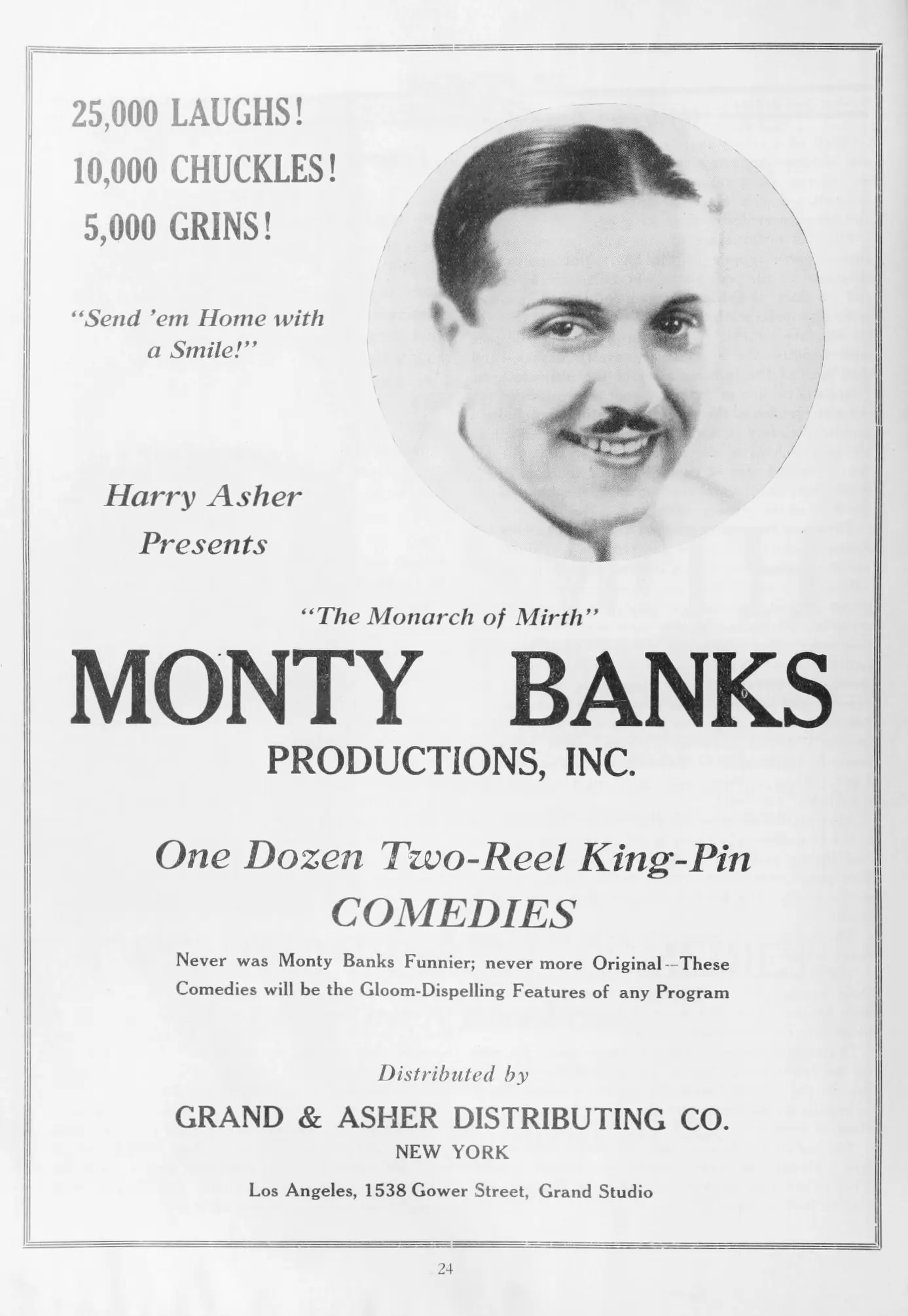
In the bustling, anachronistic metropolis, Algernon "Algy" Piffle, portrayed with an endearing blend of physical comedy and earnest aspiration by Monty Banks, finds himself ensnared in the perennial plight of the struggling artist. His abode, a quaint but crumbling attic sanctuary, is not merely a dwelling but a workshop for his latest, often ludicrous, contraptions – a self-stirring soup spoon among them, promising innovation yet delivering no immediate solvency. Looming over his precarious existence is the monolithic figure of Mr. Grumbles (William Blaisdell), the building's landlord, a veritable caricature of avarice whose every gesture exudes a chilling demand: "Pay or Move!" Grumbles' heart, it seems, is forged from the same unforgiving ledger he incessantly consults. Yet, a delicate counterpoint to this looming eviction notice is struck by Lily Grumbles (Ena Gregory), the landlord's niece, a beacon of compassion whose clandestine admiration for Algy’s eccentric genius directly contravenes her uncle’s mercenary temperament. As the final hour approaches, Algy's frantic, often farcical, endeavors to secure the requisite funds plunge him into a maelstrom of comedic misadventures, from a calamitous street performance to an unwitting entanglement with the city’s underworld. Lily, meanwhile, orchestrates subtle acts of defiance against her uncle, her glances a silent testament to her burgeoning affection for Algy. The narrative culminates in a climactic confrontation where Grumbles' unyielding resolve to cast Algy out inadvertently triggers the revelation of his own illicit machinations, unearthed by one of Algy's forgotten inventions. This serendipitous unraveling of the landlord’s scheme not only salvages Algy's tenancy but elevates him to an unexpected hero, securing his financial future, his beloved Lily's hand, and validating his idiosyncratic genius.
Review Excerpt
"
The Enduring Charm of 'Pay or Move': A Silent Comedy's Resonant Echo
Stepping back into the raucous, yet curiously intimate, world of early 20th-century cinema, one encounters a cinematic landscape brimming with both nascent experimentation and a profound understanding of universal human predicaments. Among these often-overlooked treasures is Pay or Move, a film that, despite its age and the inherent limitations of its medium, transcends mere historical artifact status to offer a vibran..."