DbcultAccessing Vault...
Cult Review
Senior Film Conservator
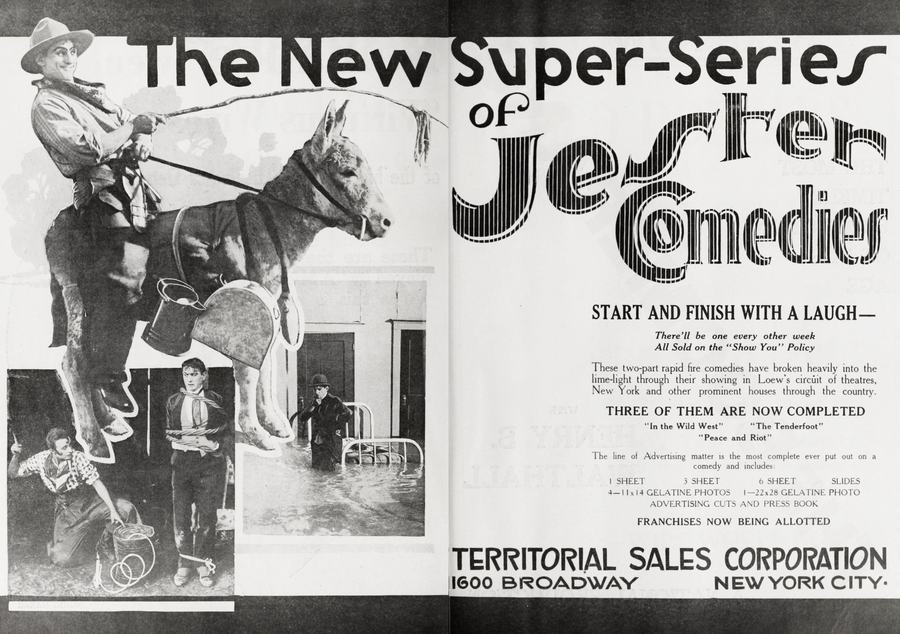
In the annals of silent cinema, few names resonate with the unique blend of physical prowess, comedic timing, and narrative ingenuity quite like Marcel Perez. His magnum opus, the aptly titled Peace and Riot, stands as a towering testament to his multifaceted talents, not merely as an actor but as a visionary director and a shrewd observer of human folly. This film, a veritable whirlwind of meticulously choreographed chaos, transcends the simplistic categorization of slapstick, evolving into a profound, albeit uproarious, commentary on the delicate equilibrium between societal order and inherent human unpredictability. It’s a cinematic experience that, even a century removed from its genesis, pulsates with an electrifying vitality, compelling audiences to ponder the very nature of community, conflict, and conciliation, all while navigating a relentless barrage of comedic set pieces.
The narrative architecture of Peace and Riot, penned by the collaborative genius of Marcel Perez himself and Aubrey M. Kennedy, is deceptively simple yet profoundly effective. It commences with the bucolic charm of a town preparing for its annual grand fair, an event designed to embody the zenith of civic harmony. Perez, cast in his familiar role as the well-meaning but ultimately disastrous orchestrator, is tasked with ensuring the smooth unfolding of the day’s festivities. His character, imbued with an earnestness that makes his eventual blunders all the more poignant, embodies the collective aspirations for an unblemished celebration. However, the film quickly pivots from this serene overture into a crescendo of escalating comedic calamity. A series of seemingly innocuous missteps—a prize pig inadvertently set loose, a pie-eating contest devolving into a flour-and-cream melee, and a critical parade float becoming inextricably tangled with a rival’s—ignite a chain reaction of public mishaps. These initial sparks rapidly morph into a full-blown conflagration of pandemonium, transforming the meticulously planned procession into a chaotic stampede and the harmonious town band into a cacophony of shattered brass. The fairground, initially a symbol of communal unity, becomes a swirling vortex of joyous, yet utterly uncontrolled, bedlam.
What truly distinguishes Peace and Riot from its contemporaries is not merely the presence of chaos, but its masterful escalation and eventual, unconventional resolution. Unlike the more episodic gags found in some contemporary shorts, Perez and Kennedy craft a narrative where each comedic beat organically feeds into the next, building momentum until the entire town is swept up in a tidal wave of delightful disorder. This sophisticated layering of gags elevates the film beyond mere visual comedy, imbuing it with a sense of inevitability that is both hilarious and strangely profound. The riot, far from being a destructive force, becomes a crucible through which the community’s true spirit is forged, highlighting an inherent resilience often obscured by the veneer of polite society.
Marcel Perez, in his dual role as lead actor and director, is the undeniable centrifugal force of Peace and Riot. His performance is a masterclass in physical comedy, characterized by an astonishing elasticity and an expressive range that transcends the limitations of the silent medium. Perez’s character is not simply a clown; he is a fully realized individual whose earnest intentions are perpetually undermined by circumstance and his own endearing ineptitude. His facial expressions, from wide-eyed optimism to bewildered despair, convey a wealth of emotion, making his character relatable despite the outlandish scenarios he navigates. His movements are precise, yet appear utterly spontaneous, a hallmark of true comedic genius. He embodies the paradox of a man striving for order while inadvertently sowing the seeds of chaos, a comedic trope he elevates to an art form.
As a director, Perez demonstrates an acute understanding of pacing and visual storytelling. The camera work, while seemingly straightforward, is expertly utilized to capture the breadth of the chaos, often employing wide shots to emphasize the scale of the riot and closer framing to highlight Perez’s reactions. The editing is crisp, allowing each gag to land with maximum impact without lingering unnecessarily. Perez’s directorial vision ensures that the film never descends into incoherent pandemonium; rather, it maintains a structured chaos, a testament to his meticulous planning. His ability to manage large ensemble scenes, orchestrating dozens of extras in various states of comedic disarray, is particularly commendable. This is a far cry from the more intimate, character-driven comedies such as Be a Little Sport, where the focus remains tightly on the central figure's individual predicaments. Instead, Perez expands the canvas, creating a communal comedy that resonates with broader social implications.
While Perez’s performance is undeniably central, the structural integrity and cleverness of Peace and Riot owe a significant debt to the writing collaboration with Aubrey M. Kennedy. The screenplay is a marvel of escalating situations, where each minor incident serves as a catalyst for a grander, more elaborate spectacle of comedic misfortune. Kennedy’s influence likely brought a layer of narrative sophistication, ensuring that the gags were not merely isolated humorous moments but interconnected threads in a larger tapestry of societal satire. The writers masterfully explore the inherent tension between human aspiration for order and the unpredictable forces of nature and human error. This is a common thread in many silent comedies, but here it is executed with a particular finesse, making the progression from 'peace' to 'riot' feel both inevitable and hilariously earned. The characterizations, though broad, are drawn with enough specificity to make the townsfolk feel like genuine, if comically exaggerated, individuals rather than mere props for the gags. This attention to detail in the script is what allows the film to transcend simple slapstick and approach the realm of social commentary, much like the subtle criticisms of urban life found in films such as Hick Manhattan, albeit through a more overtly farcical lens.
Beneath the surface of uproarious laughter, Peace and Riot offers a surprisingly poignant meditation on the human condition. The film’s title itself is a thesis statement, exploring the fragile boundary between order and chaos, and suggesting that true peace might sometimes emerge from the ashes of spectacular disarray. Perez’s character, initially a figure of authority, becomes the unwitting conduit through which the town sheds its pretensions and embraces its inherent, messy vitality. The riot, rather than being destructive, ultimately becomes a communal experience, binding the townsfolk together through shared absurdity and collective effort to restore some semblance of normalcy. This shared experience, born of chaos, ultimately fosters a more authentic form of unity than the meticulously planned, artificial peace that preceded it.
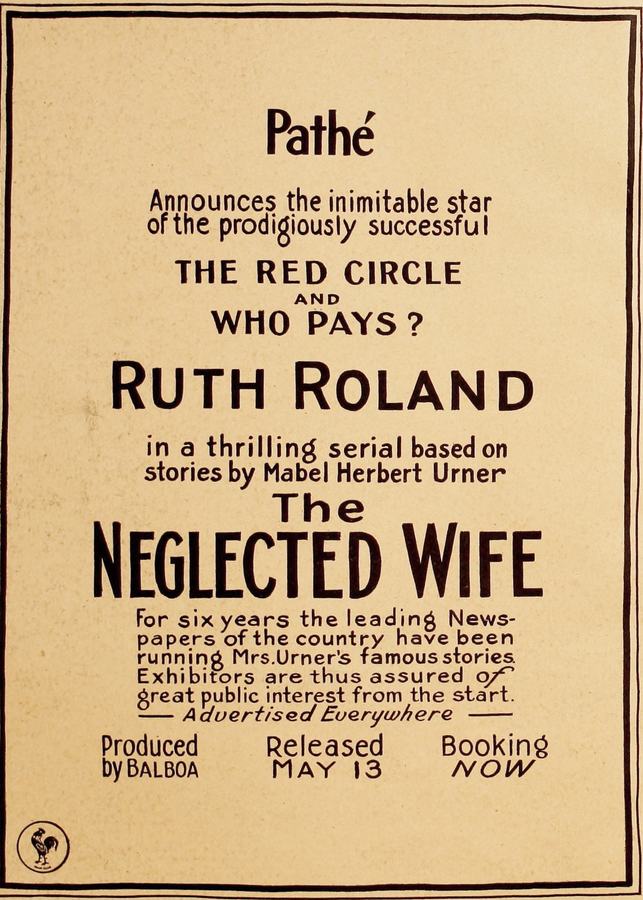
The film subtly critiques the often-fragile nature of societal constructs and the inherent human tendency towards both cooperation and conflict. It suggests that perhaps true community is not about the absence of discord, but the ability to navigate it with resilience and, crucially, a sense of humor. This thematic depth sets Peace and Riot apart from many of its contemporaries, which often prioritized pure escapism. While films like The Tigress or The Neglected Wife delved into personal dramas and social injustices with stark seriousness, Perez and Kennedy chose the path of comedy to explore similar underlying truths about human relationships and societal pressures. Their approach is no less insightful, merely delivered with a lighter, yet equally impactful, touch.
The visual language of Peace and Riot is a masterclass in early cinematic craftsmanship. Despite the technical limitations of the era, the film achieves a remarkable sense of scale and dynamism. The use of practical effects for the various mishaps—collapsing structures, flying pies, and runaway vehicles—is executed with a convincing realism that enhances the comedic impact. The cinematography, while not overtly flashy, is highly effective in conveying both the grand scope of the riot and the intricate details of individual gags. The film’s sets, though simple, are utilized to their fullest potential, providing ample opportunities for physical comedy and chase sequences. One particular scene, involving a multi-level structure that progressively disintegrates, showcases an impressive feat of set design and stunt coordination, rivalling the grand spectacles seen in adventure serials like Perils of Thunder Mountain, but repurposed for comedic rather than dramatic effect.
The kinetic energy of the film is palpable, a testament to the meticulous planning behind the apparent spontaneity. Every frame is packed with activity, ensuring that the audience’s attention is constantly engaged. The visual gags are clear and concise, requiring no elaborate intertitles to convey their humor. This reliance on purely visual storytelling is a hallmark of the finest silent comedies, and Peace and Riot exemplifies this principle with effortless grace. The vibrant, almost frantic pacing of the riotous scenes is skillfully contrasted with the initial, slower build-up, creating a dynamic rhythm that keeps the audience enthralled from start to finish.
The lasting legacy of Peace and Riot is undeniable. It stands as a pivotal work in Marcel Perez’s illustrious career, showcasing his complete command of the silent comedy form. The film’s influence can be seen in subsequent generations of physical comedians and filmmakers who sought to blend intricate plotting with broad humor. Its capacity to elicit genuine laughter, even in contemporary audiences, speaks volumes about its timeless appeal and the universal nature of its comedic observations. The themes of community, the delicate balance of order and chaos, and the redemptive power of shared experience are as relevant today as they were upon its initial release. Unlike more niche historical pieces such as One Hundred Years of Mormonism or travelogues like Kaieteur, the Perfect Cataract, which offer specific historical or geographical insights, Peace and Riot taps into fundamental human experiences that transcend time and culture. It is a film that reminds us that even in our most earnest attempts at creating perfection, humanity's delightful imperfections will always find a way to shine through, often with hilarious and ultimately unifying results.
The unique brand of humor found in Peace and Riot—a blend of sophisticated narrative construction and exuberant physical comedy—ensures its place among the pantheon of silent film classics. It's a film that not only entertains but also subtly provokes thought, a rare and commendable achievement in any genre, let alone one often dismissed as mere light entertainment. For cinephiles and casual viewers alike, revisiting Peace and Riot is a profoundly rewarding experience, offering both exhilarating laughter and a deeper appreciation for the artistry of early cinema. It remains a vibrant, effervescent reminder that sometimes, from the most spectacular of riots, a truer, more robust peace can emerge.
IMDb —
1917
Community
Log in to comment.