DbcultAccessing Vault...
Cult Review
Senior Film Conservator
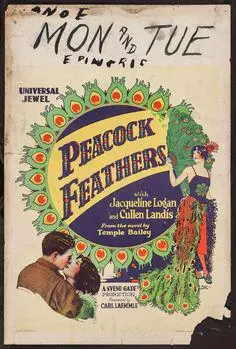
The opening scenes of 'Peacock Feathers' are a masterclass in atmospheric cinematography, capturing the golden hues of the American West under a vast, indifferent sky. Mimi Le Brun, portrayed with regal yet brittle grace by Aggie Herring, emerges as the embodiment of luxury and dreams that have been deferred. She is a woman accustomed to comfort and indulgence, a stark contrast to the rugged and ambitious Jerry Chandler, played by the versatile Ward Crane.
At first, their love seems to be a perfect match, a dream come true for Jerry and a temporary escape for Mimi. However, the reality of their situation soon sets in. Jerry's inheritance of a ranch in the wilds of the West is illusory at best, a land neither comfortable nor profitable. The couple's initial excitement fades into disappointment, and this disillusionment serves as the backbone of the narrative's emotional depth.
The film's pacing is deliberate, allowing ample time for character development and the exploration of the couple's inner lives. Mimi's character arc is particularly nuanced, as she grapples with the guilt of her actions and the reality of her choices. Her decision to leave Jerry for Andy Fuller, a wealthy oil tycoon, is a pivotal moment in the film, one that sets in motion the series of events that will test the true depth of their love.
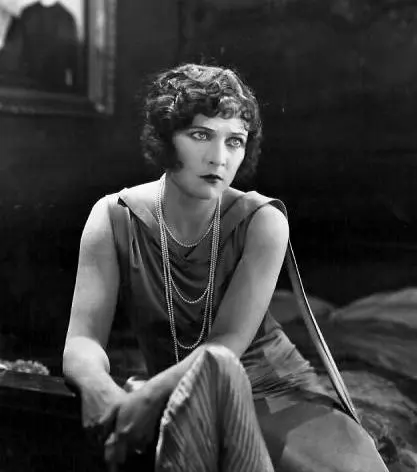
The reunion between Mimi and Jerry at the ranch is a poignant and emotionally charged scene. Jerry, played with a mix of vulnerability and determination by Ward Crane, goes into the hills to retrieve a Christmas tree. While he is away, Mimi, portrayed by the talented Jacqueline Logan, faces a moral dilemma. She is torn between her love for Jerry and her desire for a more secure future with Andy. The decision she makes, one that ultimately saves Jerry's life, is a testament to the strength and complexity of her character. This moment of self-sacrifice is a turning point, one that cements the couple's bond and sets the stage for a more genuine and heartfelt reunion.
The cinematography in 'Peacock Feathers' is nothing short of stunning. The vast, open landscapes of the West are captured with a sense of awe and melancholy, mirroring the emotional journey of the characters. The use of natural light and the stark contrast between the harsh realities of the West and the luxurious, dreamy world of Mimi's upbringing creates a visual narrative that enhances the film's themes.
The performances are uniformly strong, with Aggie Herring delivering a nuanced and layered portrayal of Mimi. Her ability to convey the character's inner turmoil and emotional depth is a highlight of the film. Ward Crane, as Jerry, brings a sense of raw authenticity to the role, capturing both the idealism and the pragmatism of the character. The supporting cast, including Emmett King and Carolyn Irwin, also contribute significantly to the film's success, adding depth and complexity to the supporting roles.
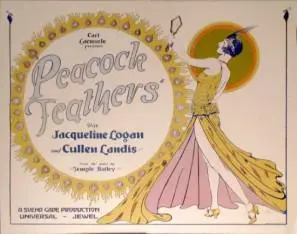
Comparatively, 'Peacock Feathers' shares thematic and narrative similarities with films like 'The Writing on the Wall', a British drama that explores the complexities of love and class. Both films delve into the challenges faced by individuals from different walks of life who find themselves in unexpected situations. However, 'Peacock Feathers' is distinctive in its setting and the emotional intensity of its characters. It stands out as a poignant exploration of love, sacrifice, and the human condition, making it a must-watch for fans of classic American cinema.
The film's score, composed by an unnamed individual, enhances the emotional resonance of key scenes. The use of classical music and traditional Western instrumentation creates a rich, layered soundscape that complements the visual narrative. The score, while not as memorable as some others, does a commendable job in supporting the film's emotional journey.
In conclusion, 'Peacock Feathers' is a captivating and emotionally rich film that explores the complexities of love, ambition, and the human spirit. It is a testament to the enduring power of cinema to capture the essence of the human experience, and it stands as a significant work in the golden age of American film. Its timeless themes, strong performances, and stunning cinematography make it a film that rewards multiple viewings and a deep dive into the complexities of its characters. It is a film that, like the peacock's feathers, is both beautiful and complex, each element contributing to a greater whole.
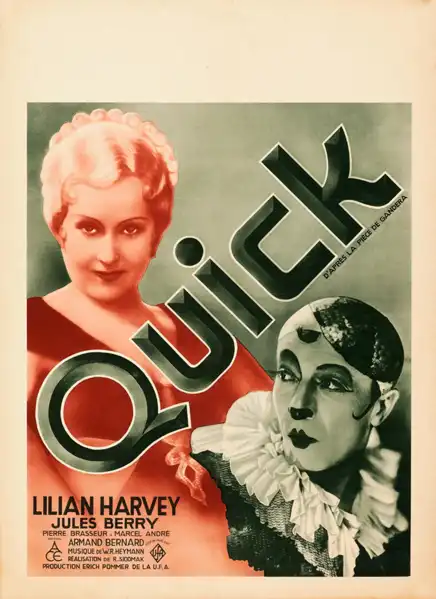
IMDb 5.6
1932
Community
Log in to comment.