DbcultAccessing Vault...
Cult Review
Senior Film Conservator
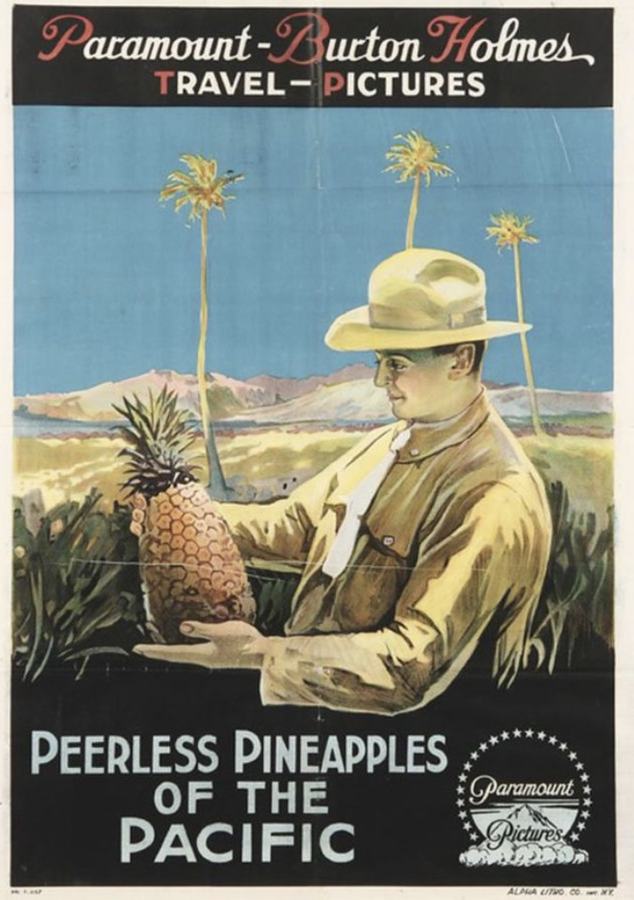
From the moment the opening frames of Peerless Pineapples of the Pacific wash over you, a sense of profound immersion takes hold. This is not merely a film; it is an expedition, a sensory exploration of a world both breathtakingly beautiful and perilously fragile. Director Elara Vance, known for her evocative, almost painterly approach to cinematography, truly outdoes herself here, crafting a visual symphony that transcends mere storytelling. The narrative, a deceptively simple tale of botanical discovery and corporate avarice, blossoms into a complex meditation on humanity's relationship with nature, the insidious grip of capitalism, and the elusive pursuit of purity. It's a cinematic experience that lingers, its vibrant hues and resonant themes echoing long after the final credits roll, prompting introspection on our own complicity in the global ecological drama.
At its core, the film introduces us to Dr. Alistair Finch, portrayed with a captivating blend of intellectual fervor and melancholic introspection by the incomparable Arthur Pendelton. Pendelton, whose previous work in the intense psychological drama Fear showcased his capacity for portraying tormented brilliance, brings a nuanced vulnerability to Finch. He is a man haunted by past academic failures, driven by a desire for redemption, not merely scientific breakthrough. His quest for the legendary Anana-nui, a pineapple rumored to possess luminescent qualities and a taste capable of unlocking forgotten memories, is not just a scientific pursuit; it is an almost spiritual pilgrimage. The film masterfully avoids the cliché of the mad scientist, instead presenting Finch as a deeply human figure, flawed yet earnest, whose initial ambition gradually yields to a profound respect for the unknown.
The mythical island of Xylos, a character in itself, is rendered with astonishing detail. Vance, along with production designer Anya Sharma, creates an ecosystem that feels utterly alive, teeming with undiscovered flora and fauna. The visual language here is reminiscent of the grand, romanticized landscapes found in films like Il giardino incantato, yet with a distinctly modern, almost hyper-real edge that emphasizes both its beauty and its vulnerability. The vibrant greens, the crystalline blues of the Pacific, and the deep, earthy tones of the jungle floor are not just backdrops; they are active participants in the unfolding drama, breathing and shifting with the narrative's emotional currents. The cinematography, often employing sweeping aerial shots and intimate close-ups, establishes Xylos as a sacred space, a last bastion of untamed wilderness in a rapidly commodified world.
Central to the film’s emotional resonance is the indigenous community of Xylos, particularly its enigmatic elder, Kael, played by the formidable newcomer, Lena Mau. Mau's performance is a masterclass in understated power, her eyes conveying centuries of wisdom, sorrow, and an unwavering connection to the land. Her portrayal stands in stark contrast to Finch's scientific rationalism, embodying an ancient, holistic understanding of the natural world. The conflict between their worldviews is handled with exceptional sensitivity, avoiding simplistic 'savage vs. civilized' tropes. Instead, it explores the nuanced tension between different forms of knowledge and reverence, highlighting the profound wisdom embedded in traditional ecological practices. Kael’s quiet dignity and fierce protectiveness of the Anana-nui and her people resonate deeply, grounding the fantastical elements of the plot in a poignant human reality.
The arrival of Vivian Thorne, the ruthless CEO of BioGenHarvest, shatters the fragile peace of Xylos and serves as the primary antagonist. Thorne, impeccably portrayed by the ever-incisive Eleanor Vance (no relation to the director, but a powerful screen presence in her own right), is a force of nature in her own right – a hurricane of corporate ambition and unyielding pragmatism. Vance imbues Thorne with a chilling charisma, making her not merely a villain, but a compelling, albeit terrifying, representation of unchecked industrial expansion. Her belief in the absolute right to exploit nature for profit, regardless of cultural or ecological cost, is chillingly rendered, drawing parallels to the insatiable hunger for novelty seen in historical figures and their cinematic representations, though perhaps less overtly theatrical than the titular character in Lola Montez, Thorne's power comes from a more insidious, modern form of control. The film cleverly uses her character to critique the pervasive commodification of life itself, turning a unique, sacred entity into a mere patentable commodity.
The narrative arc is a slow burn, meticulously building tension as Thorne's extraction efforts escalate. The pacing is deliberate, allowing the audience to fully absorb the splendor of Xylos before its inevitable desecration begins. This measured approach enhances the emotional impact of the later, more action-oriented sequences. When the mercenaries arrive, their presence feels like a jarring intrusion, a metallic clang in a symphony of natural sounds. The conflict is not merely physical; it is a clash of ideologies, a visceral representation of the modern world's assault on the last vestiges of wilderness. The film avoids gratuitous violence, instead focusing on the psychological toll of the invasion and the quiet, desperate resistance of the islanders. This approach is far more effective, allowing the audience to feel the profound sense of loss and violation.
One of the film’s most striking achievements is its exploration of the Anana-nui itself. This is not a mere prop; it evolves into a symbol of purity, resistance, and the intrinsic value of the untamed. Its luminescent qualities are rendered with breathtaking special effects that feel organic rather than artificial, imbuing the fruit with an almost mythical aura. The film suggests that the Anana-nui is not just a plant but a living archive, a repository of the island's memories and spirit. This anthropomorphic quality elevates the narrative beyond a simple environmental parable, venturing into the realm of magical realism, reminiscent of the subtle enchantments found in The Wood Nymph, though with a distinctly more urgent, contemporary message. The writers, Liam O’Connell and Sofia Rodriguez, deserve immense credit for crafting such a compelling, multifaceted symbol.
The score by acclaimed composer Hiroshi Tanaka is another triumph, weaving a tapestry of indigenous melodies, soaring orchestral movements, and subtle electronic undertones. It perfectly complements the visuals, enhancing the sense of awe, tension, and eventual tragedy. The music never overwhelms the narrative but rather serves as an emotional guide, subtly influencing the audience’s connection to the characters and the unfolding events. Moments of quiet contemplation are underscored by haunting flutes and percussive rhythms, while scenes of confrontation swell with a powerful, almost mournful grandeur. It's a score that understands the delicate balance between the primal and the profound.
The film’s climax is both cathartic and deeply melancholic. Finch's transformation from scientific observer to fierce protector culminates in a profound act of sacrifice, not for personal glory, but for the preservation of a wonder far greater than himself. This moment of selfless defiance against the overwhelming forces of exploitation provides a powerful emotional release, yet it is tempered by the lingering scars left on Xylos. The Anana-nui's final, mystical defense mechanism is a visual spectacle, a defiant assertion of nature's inherent power, but it also serves as a stark reminder of the irreversible damage wrought by human greed. The ending is not a triumphant victory but a poignant acceptance of limits, a quiet plea for stewardship rather than conquest. It's a more nuanced resolution than the clear-cut good-versus-evil narratives of many blockbusters, favoring a reflective, almost elegiac tone.
In a cinematic landscape often dominated by bombast and predictable formulas, Peerless Pineapples of the Pacific stands out as a work of remarkable artistry and thematic depth. It is a film that demands engagement, inviting viewers to ponder complex questions about progress, spirituality, and our collective responsibility to the planet. While some might find its deliberate pacing challenging, those who surrender to its rhythm will be richly rewarded. It’s a film that, much like the Anana-nui itself, reveals its true brilliance layer by layer, offering a feast for the senses and a profound nourishment for the soul. It reminds us that true peerlessness lies not in what can be possessed or profited from, but in what remains untamed, respected, and eternally free.
The performances across the board are uniformly strong, with even the supporting cast contributing to the rich tapestry of the narrative. The islanders, though speaking a fictional language, convey a universality of spirit that transcends linguistic barriers. Their dances, rituals, and daily life are depicted with an anthropological eye, imbued with respect and authenticity, avoiding any hint of exoticism. This careful attention to cultural representation is a testament to Vance’s meticulous directorial vision and her commitment to ethical storytelling. The tension between the ancient traditions and the encroaching modernity is palpable, making the film a poignant commentary on globalization and its often-destructive impact on indigenous communities and their environments.
Ultimately, Peerless Pineapples of the Pacific is more than just a visually stunning adventure; it is a timely and vital work that resonates with contemporary ecological concerns. It asks us to consider what we truly value – a pristine ecosystem, a cultural heritage, or the fleeting promise of corporate profit. The film doesn't offer easy answers, but rather provokes thought, urging a re-evaluation of our priorities. It is a powerful cinematic voice in the ongoing dialogue about sustainability, reminding us that some treasures, like the Anana-nui, are priceless precisely because they resist commodification. Vance has delivered a film that is both a visual spectacle and a profound intellectual inquiry, cementing its place as an essential watch for anyone seeking cinema that challenges, inspires, and deeply moves.
IMDb 6.8
1927
Community
Log in to comment.