Summary
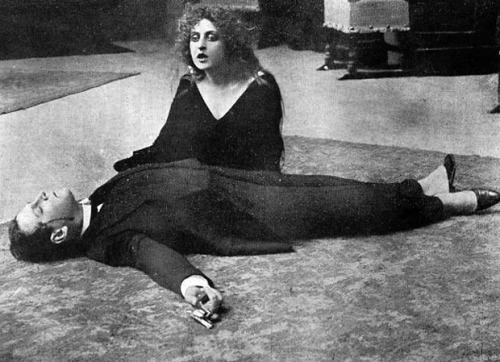
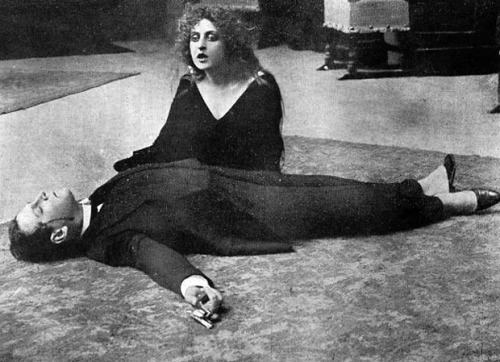
From the verdant, almost suffocating embrace of the Durest estate in Villabella, where Liana and her sister existed under the watchful, if somewhat restrictive, guardianship of their Aunt Malvina, a soul yearned for liberation. The late count's will had bequeathed them to this gilded cage, but Liana's spirit clamored for horizons beyond the meticulously manicured gardens. Into this cloistered existence strode Julian Morris, a celebrated poet-novelist, his presence a vibrant counterpoint to the quietude. Their spirits, entwined by the shared cadences of music and verse, blossomed into a love that defied Malvina's stern disapprobation. A marriage, impetuous and defiant, ensued, propelling them into a grand villa, a stage befitting their newfound status. Initially, their days were a dizzying carousel of high society revelry, a fervent indulgence in the perceived entitlements of their elevated station. Yet, the effervescent glow of their early passion soon dimmed under the harsh glare of fiscal reality. Julian's literary triumphs, while acclaimed, proved woefully inadequate to sustain their profligate lifestyle. Despite the mounting debts, he remained ensnared by the allure of this extravagant existence, constantly seeking advances for unwritten works, his creative muse supplanted by hedonistic pursuits. Recognition of his poetic prowess from the highest echelons led to an official commission: a critical study of two pivotal paintings for an upcoming exhibition, relocated to their very villa for his scholarly contemplation. But the shadow of his colossal debts lengthened, and a predatory usurer, instrumental in his financial undoing, presented documents threatening to expose his true, scandalous condition. In a moment of desperate folly, Julian bartered one of the priceless paintings as collateral for a temporary reprieve. The artist's furious discovery of this sacrilege ignited a public scandal. Unbeknownst to her husband, Liana, with a desperate resolve, sought succor from Aunt Malvina. The aged matriarch, finally assailed by genuine remorse, advanced Liana a portion of her inheritance. Armed with this belated salvation, the young woman raced against time, but the tendrils of scandal had already tightened their grip, irrevocably staining Julian's name. Unable to face his beloved wife, or perhaps the crushing weight of his shame, Julian Morris succumbed to a final, tragic act of self-annihilation, his life extinguished just as Liana arrived, the promise of redemption clutched in her hand. The film culminates in this stark realization: an unbridled pursuit of transient pleasures, an excessive wandering through the 'enchanted garden' of desire, had inexorably led him to this desolate end.
Synopsis
Situated in the picturesque surroundings of Villabella, the Durest's estate rises stately where Liana and her sister live among the flowers, under the care of their aunt Malvina, to whom the late count had entrusted them. Liana is not enjoying herself between the golden bars of her prison; her spirit asks freedom. Love appears to her in the person of the famous poet-novelist Julian Morris. Music and poetry, their souls unite and love smiles with golden wings at these young people. They marry against Aunt Malvina's wishes, and move into a villa befitting their status. The young spouses plunge passionately into the pleasures of their new state. They enjoy the parties and the life of high society that, because of their supposed status, represents normal life for them. After the initial glow of their passion, Liana and Julian realize that the income from the poet's literary successes does not cover the high costs their lifestyle requires, but he succumbs again and again to the pleasures of the mad life. He starts asking his publishers for advances on the books he promises to write, but his passion continues to occupy every moment of his life. His fame as a writer has reached the government and he receives an official assignment to write a study on two important paintings destined for an exhibition, which are transferred to their villa for that purpose. His lifestyle has forced Julian into huge debts, and the usurer who has contributed to his downfall hands him documents that will expose his true financial condition and expose him to a great scandal. Julian Morris asks for a delay and rashly hands over one of the paintings as collateral. However, Julian's levity is discovered and the painter of the canvas furiously demands reparations for such villainy. Without her husband's knowledge, Liana decides to seek support from Aunt Malvina and asks her for money to save her husband's honor. The lady, driven by the genuine remorse gnawing at her soul, gives Liana an advance on her inheritance and the young woman quickly leaves with what is meant to be the salvation for her beloved. But the scandal has become public knowledge and only death can remove the stain that henceforth indelibly marks Julians name. Without the courage to say goodbye to his beautiful wife, he commits suicide just as she arrives with the money. Excessive strolling through the lush garden of lust had brought him to such a tragic end, the film concludes.
Review Excerpt
"
Il giardino incantato: A Gilded Cage of Desire and Despair
Stepping back into the golden age of silent cinema, one encounters narratives of profound emotional resonance, often amplified by the very absence of spoken dialogue. Such is the case with Il giardino incantato (The Enchanted Garden), a film that, despite its vintage, speaks volumes about the timeless perils of unrestrained ambition and the corrosive nature of societal pressures. This isn't merely a historical artifact; it's a ..."