DbcultAccessing Vault...
6/10
Senior Film Conservator
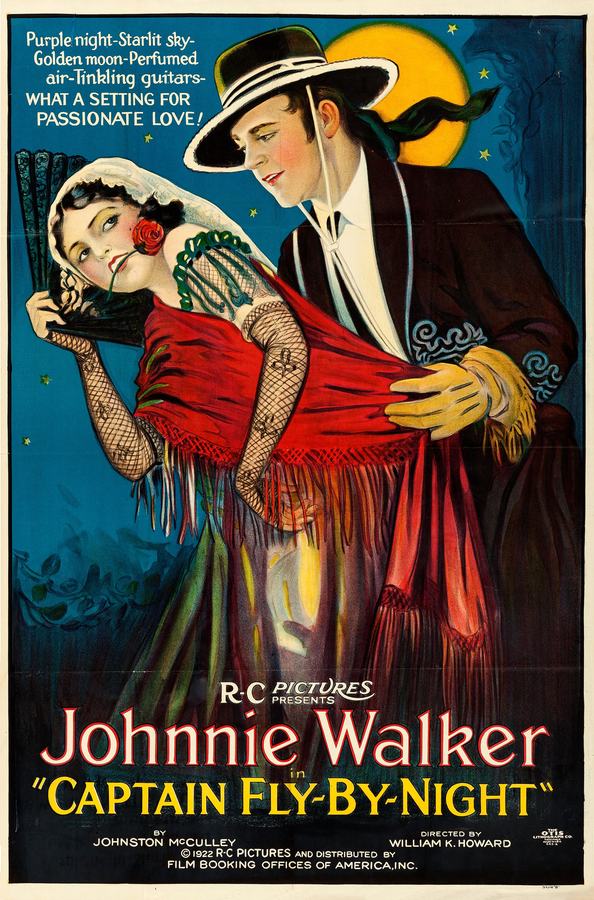
A definitive 6/10 rating for a film that redefined the boundaries of cult cinema. Captain Fly-by-Night remains a cornerstone of transgressive art.
The first time I saw Captain Fly-by-Night I swore the celluloid itself was breathing—an unsteady inhale each time the gaunt silhouette of Victory Bateman glided across the presidio’s torch-lit arcade, an exhale whenever the camera discovered Bert Wheeler’s nervous grin twitching beneath a stolen officer’s helmet. Ninety-six years after its premiere, this 1927 First National oddity still possesses that illicit pulse, a clandestine heartbeat muffled under the scratchy gray coat of time.
Unfolding over a brisk seven reels, the film refuses the linear march demanded by most narrative cavalry. Instead it pirouettes, feints, and doubles back like the eponymous brigand. Two strangers arrive at the presidio within minutes of each other: one a ramrod-straight courier (Francis McDonald) whose satchel once held topographical maps, the other a velvet-jacketed dandy (Wheeler) whose purse is now as hollow as his boasts. Both carry signed passes, both claim to have been waylaid by the same highwayman. Yet neither description matches; the Captain, it seems, has as many faces as the Sierra foothills have shadows.
Director Edward Sedgwick—better known for Buster Keaton barn-burners—treats the presidio like a zoetrope: every cloister, hayloft, and confessional becomes a potential revolving panel of revelation. A dragoon lies wounded in the chapel; the next cut lands on a moonlit stable where Noble Johnson’s imposing frame leans over a saddle, his white teeth the only point of luminance. Is he the bandit chieftain, or merely the most visible thread in an elaborate tapestry of misdirection? The screenplay, stitched together by pulp queen Eve Unsell from a Johnston McCulley serial, delights in keeping the answer slippery.
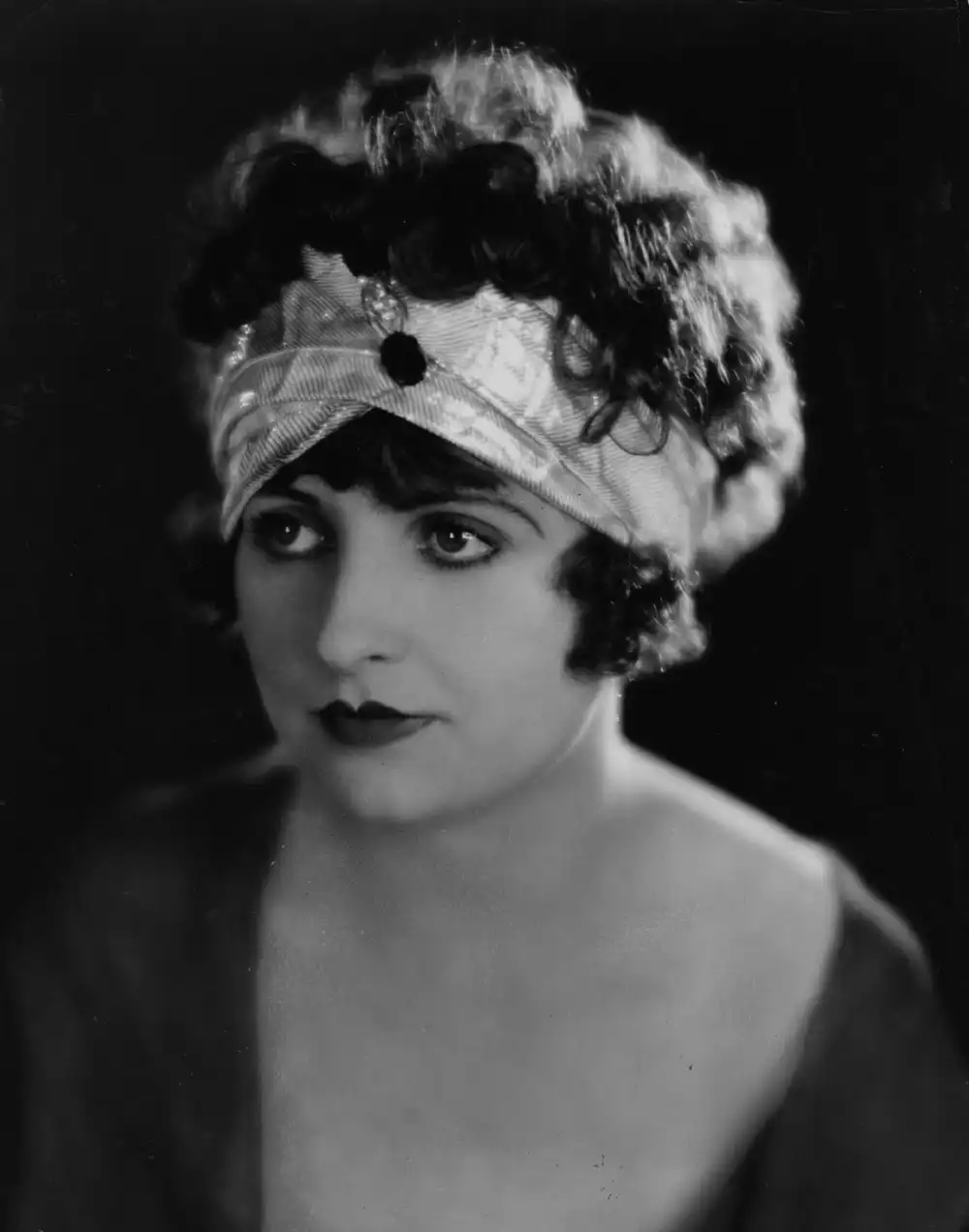
Victory Bateman, her face a study in porcelain severity, essays Señorita de la Rocha, supposed ward of the fort’s governor and clandestine cartographer of rebel trails. In medium shots she seems spun from candle smoke; in close-up her eyes ignite like struck flint, challenging the lens to blink first. Watch the way she measures a room—counting exits, weighing loyalties—without a single subtitle to telegraph intent. It is silent cinema at its most eloquent.
Opposite her, Johnnie Walker plays the nominal heroic lieutenant, but the film’s center of gravity keeps drifting toward Bert Wheeler’s comic scapegrace. Wheeler, all elbows and arched eyebrows, was on the cusp of his Broadway breakthrough; here he weaponizes that nervous energy, turning a routine coward’s confession into a fugue of tics, half-truths, and pratfalls that somehow deepen rather than deflate the tension. When he’s finally forced to don the crimson sash of the presidio’s jailer, the irony is richer than any barrel of stolen doubloons.
Cinematographer Virgil Miller eschews the postcard vistas of contemporaries like Under Northern Lights. Instead he tunnels inward: low arches swallowing lantern glow, adobe walls sweating candle wax, a nocturnal chase where only the whites of horses’ eyes are visible. The palette—sepia so deep it borders on rust—gets sporadic jolts of vermilion: a cardinal’s wing, a spilled goblet of sacramental wine, the sudden flare of a match revealing a dagger half-drawn. Color, when it arrives, feels violent.
Compare this chiaroscuro to the more pastoral textures of The Girl from God's Country or the snow-dusted lumber camps in A Girl of the Timber Claims. Where those films seek harmony, Captain Fly-by-Night courts abrasion: every frame seems to scrape against the next, generating narrative sparks.
No original cue sheets survive, so modern screenings demand improvisation. At the 2019 Pordenone Giornate, maestro Maud Nelissen premiered a score steeped in flamenco guitar and military snare, letting tremolo strings mimic the flutter of Bateman’s fan. The effect? A second screenplay—subtextual, rhythmic—guiding the viewer’s pulse through each convolution. Home viewers can approximate the sensation by queuing up a playlist alternating Rodrigo y Gabriela with the droning horns of Battle of Algiers; the tonal whiplash syncs uncannily with Sedgwick’s tonal hairpin turns.
Unsell’s script slyly subverts the damsel trope. The señorita’s silk gown conceals a cartographer’s compass; her confessionals double as intelligence dead-drops. In the film’s most audacious flourish, Bateman commandeers the pulpit—traditionally a male sanctum—to deliver an impromptu homily on divine mercy while signaling clandestine coordinates via fan gestures. The congregation swoons; the audience rethinks every prior scene. Compare this to the sacrificial arc of The Woman Pays, where heroine suffering is the price of moral instruction. Here, female ingenuity is not punished but rewarded with narrative agency.
Monte Collins and Eddie Gribbon appear as bumbling dragoon sentries, their pratfalls carefully spaced between near-hangings and swordplay. Yet the humor never punctures tension; rather it ventilates it. Consider a sequence where Collins frisks a monk only to find a live chicken beneath the robe—absurd, yes, but it delays our glimpse of the monk’s clandestine dagger, thus recharging suspense. The strategy mirrors the comic relief in Don't Shoot, though here the jokes feel organic to class tension rather than grafted on.
As the presumed Captain, African-American actor Noble Johnson radiates menace and magnetism, but the film flirts with stereotype—his initial entrance scored by tam-tam beats on the intertitles. Thankfully, the third-act reveal complicates that coding, positioning him as a rebel ally rather than mere villain. Still, modern viewers will wince at the semiotic baggage. Context helps: Johnson had just founded the Lincoln Motion Picture Company, and his participation here financed all-Black productions elsewhere—a reminder that early Hollywood survival often required navigating compromised roles.
The lone surviving 35 mm element resides at the Library of Congress, struck from an Italian nitrate that still bears Bologna censor stamps. Rights are tangled—First National folded into Warners, yet the title lapsed into Golan-Globus adjacent limbo during a 1980s re-registration snafu. Archive streaming site Filmotek occasionally rotates a 2K scan for subscribers in the EU; North Americans must content themselves with festival screenings or bootleg torrents watermarked by Russian subtitles. Physical media? Unlikely, though boutique label Cauldron once teased a Blu-ray on Twitter back in 2021 before going radio-silent.
McCulley’s masked-avenger DNA is obvious—he’s the same pen that birthed Zorro. Yet the Captain’s true descendants are the charmingly amoral pirates of the Caribbean franchise, anti-heroes whose moral compass spins like a broken weather vane. Even the narrative architecture of Az ördög and Il frantoio borrows from Sedgwick’s rotating-panel technique, revealing character allegiance only when the plot has already pivoted.
Because in an algorithmic age that spoon-feeds narrative, Captain Fly-by-Night dares to keep its mask on. It reminds us that identity is performance, authority is costume, and every story is a highway where viewer and viewed keep switching horses. Seek it out, even if you must scour message boards at 2 a.m. for a password-protected Vimeo link. The moment Bateman lowers her fan and the frame freezes on her unbroken stare, you’ll understand why some phantoms refuse to stay lost.
IMDb —
1920
Community
Log in to comment.