DbcultAccessing Vault...
Cult Review
Senior Film Conservator
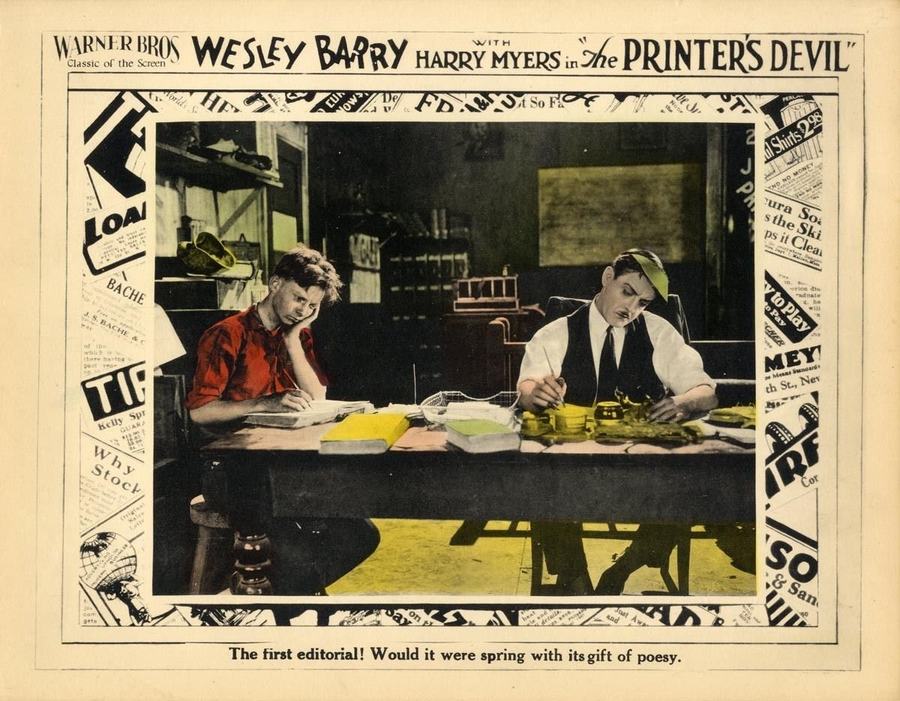
Ah, the silent era! A time when narratives unfurled with a grand theatricality, when emotions were writ large across faces, and the power of visual storytelling reigned supreme. Stepping back into this fascinating period, we encounter The Printer's Devil, a film from 1923 that, while perhaps not a household name today, offers a compelling glimpse into the societal anxieties and moral quandaries of its time. It's a tale steeped in the potent concoction of ambition, love, journalistic integrity, and the insidious nature of power, all wrapped up in a package that speaks volumes without uttering a single audible word.
At its heart, the story revolves around the earnest and somewhat impressionable Sid Fletcher, portrayed with a commendable blend of youthful idealism and burgeoning gravitas by Wesley Barry. Sid is drawn into the tumultuous world of local journalism by his friend, the titular 'printer's devil,' Brick Hubbard, played by Raymond Cannon. Cannon’s portrayal of Brick is a delightful study in cheeky opportunism; he’s the catalyst, the spark that ignites the whole dramatic conflagration. It’s Brick who sees the potential, both financial and influential, in a struggling local rag, “The Gazette,” and convinces Sid to not only invest his meager savings but also to take up the pen as its editor. This initial premise immediately sets the stage for a classic David vs. Goliath narrative, but with a nuanced twist: David isn't just fighting for justice; he's fighting for his very soul, his love, and his place in a community that can be both nurturing and ruthlessly judgmental.
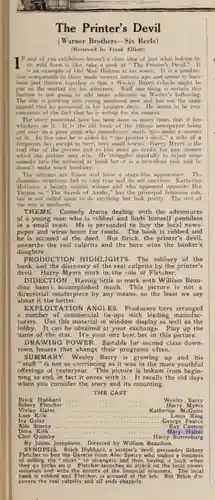
Sid, fresh to the editorial desk, quickly grasps the inherent power of the press. He doesn't shy away from using it, penning an editorial that, with the bold strokes of a crusader, directly challenges the omnipresent and often oppressive influence of Ira Gates. Gates, embodied with a chilling authoritarianism by Harry L. Rattenberry, is the town's banker, a man whose word carries more weight than any local ordinance. He is the quintessential small-town potentate, accustomed to deference and immune to criticism. Sid's editorial, therefore, isn't just ink on paper; it's a gauntlet thrown, a direct affront to the established order. This narrative thread, exploring the courage required to speak truth to power, finds intriguing echoes in other films that champion integrity against overwhelming odds, such as Veritas vincit (Truth Prevails), where the pursuit of truth often comes at a steep personal cost.
The brilliance of Julien Josephson’s screenplay lies in its ability to intertwine this socio-political drama with a deeply personal romantic entanglement. For Sid, challenging Ira Gates is not merely a professional duty; it's a perilous act, because Gates is none other than the father of Vivian, the luminous object of Sid's affections, played with an ethereal grace by Kathryn McGuire. McGuire brings a delicate strength to Vivian, portraying a woman caught between filial loyalty and a burgeoning love that transcends social standing. This creates a tantalizing dramatic irony: the very act that elevates Sid in the public eye, that asserts his moral conviction, simultaneously jeopardizes his most cherished personal aspiration. The tension between public duty and private desire is a timeless theme, one that resonates deeply within the human experience, and it's masterfully handled here, elevating the stakes far beyond a simple legal or financial dispute.
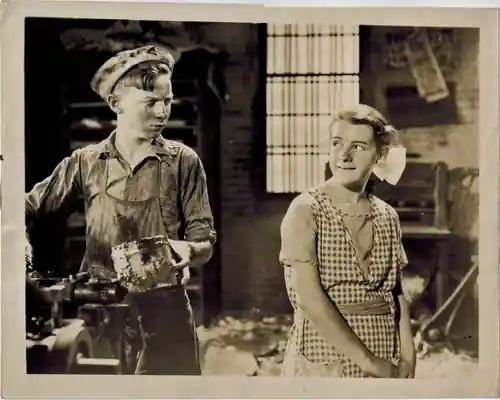
Just as the town begins to reel from Sid's journalistic audacity, the plot takes a sharp, unforgiving turn. The local bank, none other than Ira Gates's institution, is robbed. The timing is, of course, impeccable for dramatic purposes and utterly devastating for Sid. Suddenly, the crusading journalist is transformed into the prime suspect. The narrative deftly manipulates circumstantial evidence, weaving a web of suspicion around Sid that feels both plausible within the confines of the story and utterly heartbreaking for the audience. The abrupt shift from moral champion to accused criminal is a narrative device that still holds immense power today, underscoring the fragility of reputation and the ease with which public perception can be manipulated. This element of wrongful accusation and the desperate struggle to clear one's name brings to mind films like In the Bishop's Carriage, where characters find themselves embroiled in a similar fight against unjust charges, often with their very freedom or social standing on the line.
The performances, as is often the case in silent cinema, are a study in expressive physicality and nuanced facial cues. Wesley Barry, as Sid, carries the weight of his character's predicament with a youthful earnestness that makes his plight genuinely sympathetic. One can almost feel his frustration and despair as the town turns against him. Kathryn McGuire, as Vivian, is a beacon of hope and steadfastness, her silent support speaking volumes. The chemistry between Barry and McGuire is palpable, lending credence to the romantic subplot and making the audience root for their eventual reunion and vindication. Raymond Cannon’s Brick, initially the instigator, evolves beyond a mere comic relief or plot device; he becomes a loyal friend, a testament to the bonds forged in adversity. The ensemble cast, including Mary Halter, Louis King, Harry Myers, and George C. Pearce, each contribute to the rich tapestry of this small-town drama, creating a believable world fraught with both petty jealousies and genuine human connection.
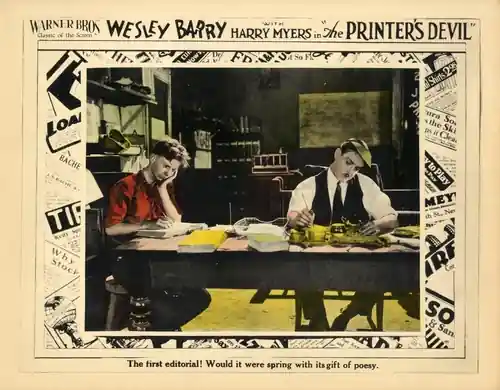
The visual language of The Printer's Devil is quintessential silent-era filmmaking. The use of dramatic lighting, carefully composed shots, and the expressive acting styles of the period all contribute to a rich, immersive experience. While we lack the benefit of a modern soundtrack, one can easily imagine the swelling orchestrations that would have accompanied Sid's moments of triumph and despair, or the ominous chords signifying Ira Gates's machinations. The intertitles, far from being mere plot exposition, often serve as a narrative voice, sometimes sardonic, sometimes empathetic, guiding the viewer through the emotional landscape of the story. The film effectively uses visual metaphors, such as the printing press itself, a symbol of truth and power, contrasted with the imposing facade of the bank, representing entrenched wealth and authority.
Thematic resonance abounds. Beyond the obvious conflict between good and evil, the film delves into the complexities of class struggle, the abuse of power, and the societal pressures that can crush an individual. Ira Gates embodies the corrupting influence of unchecked wealth, a character archetype that has found its way into countless narratives, from the feudal lords of A föld embere to the industrial magnates of later cinematic eras. The film suggests that true justice often requires an unyielding spirit and the unwavering support of those who believe in one's innocence. It's a testament to the enduring human spirit that, even when faced with overwhelming odds, some individuals will continue to fight for what is right, even if it means risking everything. This struggle against a powerful, seemingly insurmountable system for personal vindication is a theme that echoes in many tales of adversity, including films like Squandered Lives, where characters grapple with the profound consequences of societal judgment and the fight for redemption.
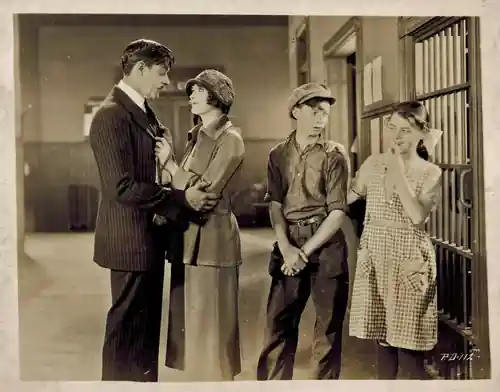
What makes The Printer's Devil particularly engaging is its commitment to a narrative arc that, while somewhat predictable by modern standards, is executed with genuine emotional heft. The moments of suspense are crafted with care, the romantic interludes are tender without being saccharine, and the eventual resolution, while anticipated, is deeply satisfying. It's a film that doesn't shy away from the darker aspects of human nature – greed, jealousy, and the readiness to condemn – but ultimately champions the virtues of loyalty, courage, and perseverance. The emotional journey of Sid Fletcher, from idealistic editor to accused criminal and back again, forms the backbone of a story that, despite its age, feels remarkably current in its exploration of truth, media influence, and the struggle for personal integrity. The film's message that standing up for what is right, even against formidable opposition, is a noble and necessary pursuit, resonates powerfully.
The character of Vivian, in particular, is more than just a damsel in distress; she is an active participant in Sid's struggle, her belief in him a constant source of strength. Her defiance of her powerful father for the sake of love and justice adds another layer of emotional depth to the narrative. This kind of unwavering support in the face of familial opposition is a trope seen across various romantic dramas, offering a powerful counterpoint to the external conflicts. Indeed, the challenges faced by lovers against an disapproving world, or the sheer force of circumstance, is a recurring motif in cinema, reminiscent of the grand romantic gestures and societal obstacles found in films such as Love at First Sight or even the intricate political and personal entanglements of The Prisoner of Zenda, albeit on a more intimate, local scale.
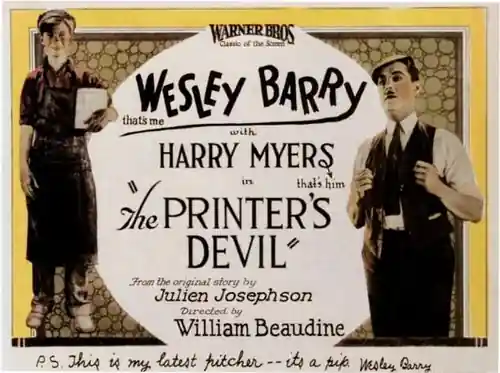
Ultimately, The Printer's Devil stands as a compelling example of early 20th-century filmmaking that successfully marries melodrama with social commentary. It's a reminder of the foundational elements of storytelling that continue to captivate audiences: compelling characters, a plot fraught with tension, and a moral compass that, however challenged, ultimately points towards justice. It invites us to ponder the enduring questions of power, truth, and the price of integrity, all while delivering a thoroughly engaging and emotionally resonant cinematic experience. For those with an appreciation for the silent era or simply a well-told story of triumph over adversity, this film is a quiet revelation, a testament to the timeless appeal of human drama unfolding on the silver screen. It reminds us that even without spoken dialogue, the human spirit's struggles and triumphs can be communicated with profound clarity and emotional impact, leaving an indelible mark long after the final frame.
The film’s portrayal of the small-town ecosystem is also noteworthy. It's a microcosm where everyone knows everyone else’s business, where reputations are painstakingly built and easily shattered. The swiftness with which public opinion turns against Sid, fueled by the whispers and the powerful influence of Ira Gates, serves as a stark warning about the dangers of mob mentality and the ease with which suspicion can morph into conviction without due process. This aspect of community dynamics and social pressure is a fascinating study, reflecting a universal truth about human societies, regardless of the era. The way the townspeople are swayed, first by Sid's bold journalism, then by the accusation, highlights the fickle nature of public support and the immense responsibility that comes with wielding influence, whether through a newspaper or a bank.
Julien Josephson’s writing ensures that while the plot is intricate, it remains accessible and emotionally grounded. The pacing is deliberate, allowing the audience to fully absorb the weight of each event and the emotional toll it takes on the characters. There’s a particular satisfaction in watching the unraveling of the truth, the slow but sure vindication of the innocent, and the comeuppance of the corrupt. This narrative structure, where justice is painstakingly achieved, provides a cathartic release that is fundamental to such dramas. It’s not just about the plot points; it’s about the emotional journey, the hope, the despair, and the ultimate restoration of order and fairness. This careful construction of a moral universe where actions have consequences, and where integrity eventually triumphs, is a hallmark of enduring storytelling, making The Printer's Devil a compelling watch for anyone interested in the foundational narratives of early cinema.
In conclusion, The Printer's Devil is more than just a historical artifact; it is a vibrant, emotionally charged drama that speaks to timeless themes. Its blend of romantic intrigue, social commentary, and a thrilling whodunit makes it a compelling piece of silent cinema. The performances are strong, the narrative is engaging, and its exploration of power, truth, and resilience remains profoundly relevant. It reminds us that some stories are universal, transcending the limitations of time and technology, continuing to resonate with the human heart. It is a film that, like a well-printed edition of 'The Gazette,' delivers its message with clarity and impact, leaving a lasting impression on its audience.

IMDb —
1917
Community
Log in to comment.