DbcultAccessing Vault...
6.2/10
Senior Film Conservator
A definitive 6.2/10 rating for a film that redefined the boundaries of cult cinema. Da hält die Welt den Atem an remains a cornerstone of transgressive art.
Is 'Da hält die Welt den Atem an' worth watching today? Short answer: yes, but with significant caveats. This German silent film, a product of 1920s melodrama, offers a fascinating, if sometimes frustrating, window into the psychological dramas of its era. It is best suited for dedicated cinephiles, historians of early cinema, and those with a genuine interest in the evolution of narrative storytelling without spoken dialogue. Casual viewers seeking modern pacing, clear-cut resolutions, or simple entertainment might find its deliberate rhythm and heightened emotionality a challenging, perhaps even alien, experience.
Early German silent cinema often grappled with complex themes, and 'Da hält die Welt den Atem an' is no exception. It works. But it’s flawed. Here's a quick breakdown:
'Da hält die Welt den Atem an' unfurls a narrative steeped in the grand traditions of silent era melodrama, yet it attempts to plumb depths rarely seen in its contemporaries. At its heart lies Bruce Wilton, a character who is at once a powerful industry magnate and a man utterly undone by his own desires. He’s not merely a villain; he’s a tragic figure whose immense wealth and influence prove utterly impotent against the simple, unyielding truth of a woman’s heart. His obsession with Ada von Ruyt, a revue star whose charisma lights up the screen, becomes a self-consuming fire, burning away his reason and integrity.
The film masterfully sets up a stark contrast between Wilton's calculated cruelty and the more innocent, burgeoning affection between Ada and Longard. Longard, a man stripped of his former standing, represents a purity of emotion that Wilton, for all his power, can never command. This love triangle, however, is merely the ignition point for a deeper exploration of human frailty and the corrosive nature of unrequited passion. Wilton’s machinations, from exiling Longard to South America to sabotaging Ada’s career, are desperate attempts to control a world that refuses to bend to his will. His dismissal of his loyal secretary, Ada’s old friend, is the final, brutal act of a man spiraling into complete moral bankruptcy, setting the stage for an inevitable, violent climax.
What truly elevates this melodrama beyond mere theatrics is its willingness to show the devastating ripple effects of one man’s ego. The secretary, an unnamed figure of quiet suffering, becomes the ultimate casualty, a symbol of the collateral damage inflicted by Wilton’s unchecked rage. Her desperate act of violence isn't just a plot device; it's the breaking point of a soul pushed too far, a testament to the film's surprisingly dark psychological undercurrents. This is a story that refuses easy answers, painting a bleak portrait of obsession’s ultimate price.
In 'Da hält die Welt den Atem an', the director, through a meticulous command of visual language, manages to build a palpable sense of tension and despair that transcends the absence of spoken dialogue. The pacing is deliberately measured, a slow burn that allows the audience to fully absorb the weight of each character’s emotional state. This isn’t a film that rushes its reveals; instead, it luxuriates in the drawn-out agony of unfulfilled desire and simmering resentment, a characteristic often found in German silent cinema, where psychological realism wrestled with expressionistic tendencies.
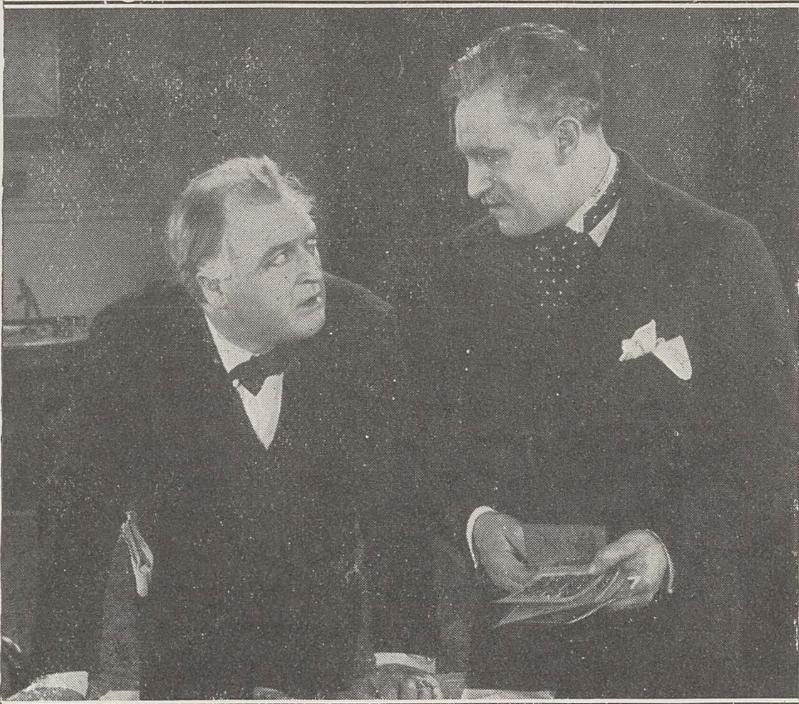
Cinematography plays a crucial role in conveying the film’s somber tone. While not overtly expressionistic in the vein of a Caligari, there are subtle uses of shadow and light that emphasize the moral murkiness of Wilton’s world. Close-ups are employed sparingly but effectively, forcing the audience to confront the raw, unfiltered emotions etched on the actors' faces. A particular moment that stands out is the framing of Wilton after each rejection; the camera often captures him isolated, dwarfed by his opulent surroundings, visually communicating his internal desolation despite his external power. This visual isolation speaks volumes about the hollowness of his existence.
The film’s reliance on gesture, intertitles, and the sheer power of the performers’ expressions is a masterclass in silent storytelling. Every movement, every glance, is imbued with meaning, creating a rich tapestry of non-verbal communication. The director understands that silence can amplify emotion, making a whispered accusation or a desperate plea resonate with greater force than any spoken word. The sequences depicting Longard’s departure and Wilton’s subsequent actions are particularly well-staged, using parallel editing to heighten the dramatic irony and underscore the tragic inevitability of the unfolding events. This approach, while slower than modern audiences might prefer, is deeply rewarding for those willing to immerse themselves in its unique rhythm.
The overall tone is one of profound tragedy, with a relentless march towards an inevitably dark conclusion. There are few moments of levity, and even the initial blossoming of love between Ada and Longard is tinged with the foreboding presence of Wilton’s jealousy. The director maintains this consistent, melancholic atmosphere throughout, ensuring that the audience remains fully invested in the characters' increasingly dire circumstances. It’s a testament to the directorial skill that a story so reliant on external drama feels so deeply internal and psychological, pulling viewers into the characters’ tormented minds.
The success of any silent film hinges almost entirely on the expressiveness and conviction of its cast, and 'Da hält die Welt den Atem an' is fortunate to feature a company capable of delivering powerful, nuanced performances without uttering a single word. Ferdinand Bonn, as the tormented producer Bruce Wilton, is the undeniable anchor of the film. His portrayal of a man consumed by unrequited love and eventually driven to madness is nothing short of captivating. Bonn doesn’t just act; he embodies Wilton’s descent, using his physicality and intense facial expressions to convey the character’s inner turmoil. We see the subtle shifts from desperate longing to simmering jealousy, then to outright vengeful rage. There’s a particular scene where Wilton, after a final rejection, clutches his chest, his eyes conveying a mix of pain and fury that is genuinely unsettling. It's a performance that makes Wilton, despite his monstrous actions, perhaps the most compelling character, his villainy tempered by an almost pitiable desperation that few contemporary antagonists achieve. His presence dominates, leaving an indelible mark.
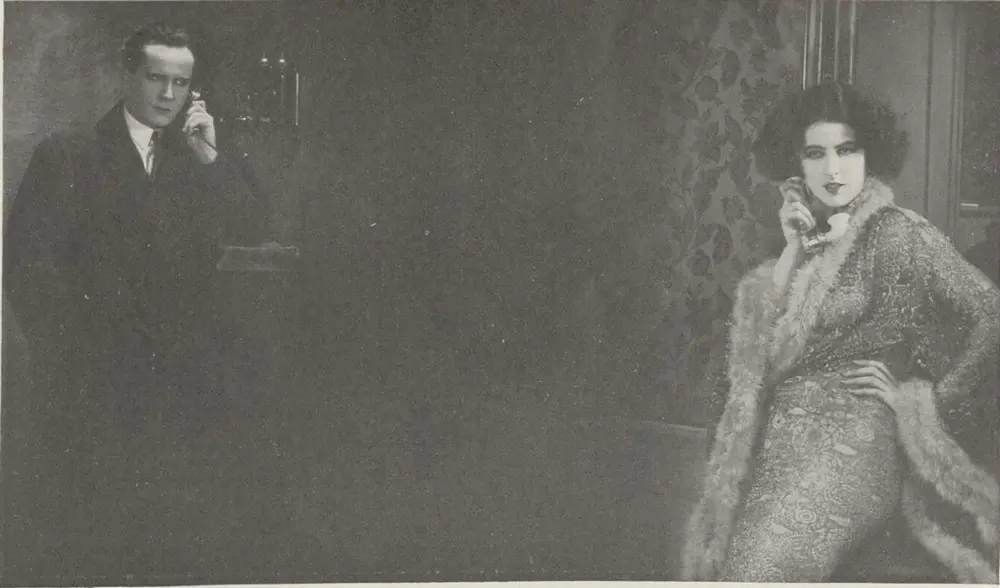
Marcella Albani, as the object of Wilton’s obsession, Ada von Ruyt, brings a compelling blend of grace and quiet strength to her role. She navigates the precarious position of a celebrated revue star, a public figure whose personal life is under scrutiny, with an understated dignity. Albani’s Ada is not a passive victim; her repeated rejections of Wilton are firm and resolute, showcasing a woman who knows her own mind, even when faced with immense pressure. Her chemistry with Charles Vanel, who plays Longard, is tender and believable, creating a stark contrast to the oppressive atmosphere surrounding Wilton. Vanel, though given less screen time, effectively conveys Longard’s initial despair, his burgeoning hope, and later, his noble, if misguided, attempt to protect Ada. His quiet suffering and ultimate self-sacrifice speak volumes through his expressive eyes.
Perhaps the most tragic and impactful performance, however, comes from the actor playing Wilton’s secretary. Though unnamed in the plot summary, their role is pivotal. This character’s arc, from loyal confidante to a woman pushed beyond her limits, is conveyed with heartbreaking authenticity. The secretary’s silent suffering, the subtle hints of loyalty mixed with growing fear and despair, are expertly portrayed. The moment of their ultimate breakdown and violent act is shocking precisely because it feels earned, the culmination of relentless emotional abuse. This performance is a testament to the power of silent acting, where every gesture and every held breath communicates a world of pain. The ensemble cast, including Rudolf Lettinger, Werner Krauss, and S.Z. Sakall in supporting roles, contribute to the film’s rich texture, each actor adding a layer of authenticity to this dark, dramatic world. Their collective efforts ensure that the emotional stakes remain incredibly high throughout the film, making the silent drama resonate long after the final frame.
For those who appreciate cinema as an evolving art form, 'Da hält die Welt den Atem an' offers invaluable lessons in visual storytelling and emotional depth. It stands as a significant piece of German film history, showcasing the narrative ambition and dramatic flair characteristic of the era. However, its value today is largely contextual. It's not a film that will appeal to everyone, nor should it be approached with the same expectations one might have for a contemporary blockbuster.
What makes a silent film relevant in the age of CGI and surround sound? It's the purity of expression, the reliance on universal human emotions conveyed through the most fundamental elements of performance and direction. This film, like other powerful silent melodramas such as Molly of the Follies, forces viewers to engage on a deeper, more interpretive level, filling in the emotional gaps with their own understanding. It provides a unique opportunity to witness the foundations of cinematic narrative before the advent of synchronized sound changed everything. For the patient and the curious, it reveals a profound artistry that still holds power.
Yes, 'Da hält die Welt den Atem an' is worth watching for its historical significance, compelling central performance, and its unflinching exploration of human obsession. It serves as an excellent case study for understanding silent film conventions and the art of visual storytelling. It is not recommended for those seeking light entertainment or fast-paced action.
The film inadvertently serves as a stark commentary on the fragility of reputation and the societal pressures on public figures, particularly women, in the nascent era of celebrity culture. Ada’s career, her very livelihood, is held hostage by Wilton’s vindictive actions, reflecting a pervasive vulnerability that still echoes today. This layer of social commentary, subtle as it may be, adds another dimension to its enduring relevance, making it more than just a period piece.
'Da hält die Welt den Atem an' is a fascinating, if imperfect, relic from the golden age of silent German cinema. It’s a film that demands patience and an open mind, but rewards those who commit to its unique rhythm with a powerful and often unsettling exploration of human obsession. While its melodramatic flourishes can sometimes feel outmoded, the sheer force of its central performances, particularly Ferdinand Bonn’s, and the director's skillful visual storytelling, ensure its place as more than just a historical curiosity. It’s a compelling character study wrapped in a dark, tragic narrative.
This isn't a casual watch; it's an experience that requires engagement and reflection. For those willing to delve into the depths of silent film artistry, 'Da hält die Welt den Atem an' offers a valuable, if somber, journey. It’s a testament to the enduring power of visual narrative, proving that even without a single spoken word, a film can leave you breathless. Highly recommended for the discerning cinephile.

IMDb —
1926
Community
Log in to comment.