DbcultAccessing Vault...
7.1/10
Senior Film Conservator
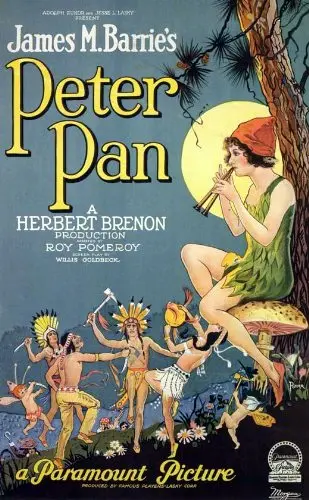
A definitive 7.1/10 rating for a film that redefined the boundaries of cult cinema. Peter Pan remains a cornerstone of transgressive art.
In the annals of cinematic history, few tales possess the enduring, almost mythical resonance of J.M. Barrie’s Peter Pan. While countless adaptations have graced screens large and small, from animated masterpieces to contemporary blockbusters, it is the silent film rendition of 1924 that holds a particularly revered, almost sacred place. Directed by Herbert Brenon and penned by Willis Goldbeck, based on Barrie's immortal play, this cinematic marvel was not merely a film; it was an audacious declaration of what the nascent art form could achieve. It transported audiences, with breathtaking ingenuity, to a realm where imagination defied gravity and childhood reigned supreme. This early cinematic flight, starring the ethereal Betty Bronson as the eponymous boy who wouldn't grow up and the formidable Ernest Torrence as the nefarious Captain Hook, remains a poignant testament to the power of visual storytelling, a silent symphony of wonder that continues to captivate nearly a century later.
The very premise of bringing Never Never Land to the silver screen in the 1920s was a colossal undertaking. Barrie’s play, renowned for its theatrical magic – the flying, the elaborate sets, the whimsical characters – presented an almost insurmountable challenge for filmmakers of the era. Yet, this production embraced those challenges with an innovative spirit that bordered on the miraculous. The special effects, while rudimentary by today’s standards, were nothing short of groundbreaking. Wires, cleverly concealed and meticulously operated, allowed Peter and the Darling children to soar through the nursery and across the London skyline, lending a genuine sense of weightless exhilaration to their aerial escapades. This pioneering spirit in visual effects can be seen as a precursor to the elaborate spectacles that would define future fantasy films, setting a benchmark for what audiences could expect from a genre still in its infancy. One might even draw a parallel to the early narrative ambitions seen in films like Drama na okhote (1900), where the very act of telling a story on film was itself a marvel, but Peter Pan pushed the boundaries into pure fantasy, demanding a new level of technical prowess.
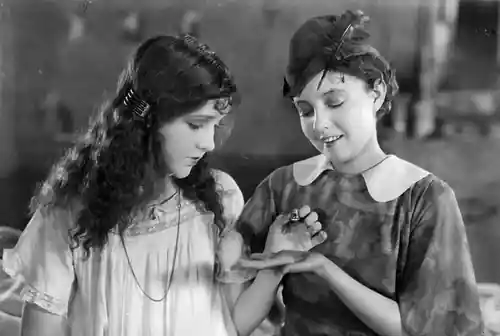
Central to the film’s enduring charm is Betty Bronson’s portrayal of Peter Pan. Her casting was a bold choice, as Barrie himself had insisted on a female playing the role, a tradition established in the stage productions. Bronson, a relatively unknown actress at the time, beat out a host of established stars for the part, including Mary Pickford. Her performance is nothing short of transcendent. She embodies Peter with a delicate balance of impish mischief and poignant vulnerability. Her movements are fluid, almost avian, conveying the untamed spirit of a boy who refuses the shackles of maturity. Bronson’s wide, expressive eyes communicate volumes without a single spoken word, capturing Peter’s fleeting moments of doubt, his fierce loyalty, and his profound, albeit unconscious, fear of abandonment. Her Peter is not just a character; he is an embodiment of childhood itself – wild, free, and utterly captivating. The choice of a female lead for such a physically demanding and symbolically rich role speaks to a certain theatricality that silent cinema often borrowed from the stage, allowing for a broader spectrum of interpretation than later, more literal adaptations.
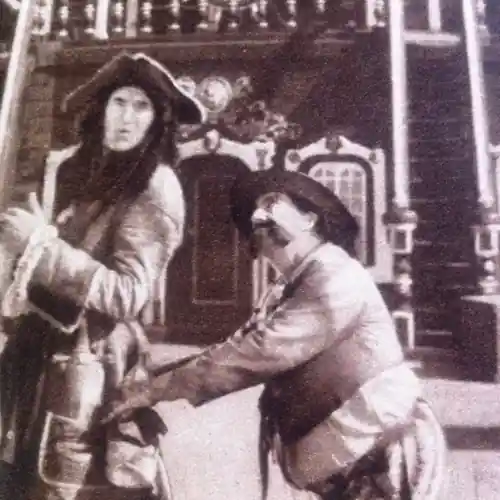
Opposite Bronson’s ethereal Peter stands Ernest Torrence as the iconic Captain Hook. Torrence, with his imposing stature and theatrical gravitas, crafts a villain who is simultaneously terrifying and hilariously self-pitying. His Hook is a masterclass in silent film villainy, every sneer, every theatrical gesture, every frustrated sigh perfectly calibrated to convey the pirate’s simmering rage and his ludicrous vanity. The visual design of Hook, from his elaborate wig to his menacing hook, is faithfully adapted from Barrie’s descriptions, making him an instantly recognizable and formidable foe. Torrence understands that Hook is not merely an antagonist but a tragic figure, consumed by his vendetta against Peter and haunted by the crocodile that stalks him. His performance adds a crucial layer of depth to the narrative, providing a tangible threat that underscores the stakes of Peter’s fantastical world. The dynamic between Bronson and Torrence is electric, a classic clash of innocence and experience, freedom and tyranny, that forms the narrative backbone of the film.
The narrative’s anchor, of course, lies with the Darling children: Wendy (Mary Brian), John (Jack Murphy), and Michael (Philippe De Lacy). Their journey from the conventional confines of their London nursery to the untamed wilderness of Never Never Land serves as the audience’s entry point into the fantasy. Wendy, in particular, becomes the surrogate mother figure, grappling with the responsibilities that Peter so vehemently rejects. Mary Brian imbues Wendy with a gentle strength and a burgeoning understanding of the complexities of growing up, contrasting beautifully with Peter’s resolute refusal to mature. The portrayal of Never Never Land itself is a triumph of set design and cinematography. From the lush Mermaid Lagoon, where enchanting sirens frolic, to the perilous Pirate Ship, the film creates a vivid, immersive world that feels both magical and dangerous. The Lost Boys, the indigenous tribe (with Anna May Wong as the striking Tiger Lily), and the myriad creatures inhabiting this realm are all brought to life with meticulous detail, contributing to the rich tapestry of Barrie’s creation. The film’s ability to conjure such an expansive, believable fantasy world without the aid of sound or advanced CGI is a testament to the ingenuity of its creators, particularly the vision of Willis Goldbeck in adapting the play for the screen.
Beyond the spectacle and the engaging performances, the 1924 Peter Pan delves deep into the profound themes that make Barrie's story eternally resonant. It is, at its core, a meditation on the fleeting nature of childhood and the bittersweet necessity of growing up. Peter Pan represents the ultimate freedom – the refusal to conform, to age, to bear the weight of responsibility. Yet, this freedom comes at a cost, a profound loneliness evident in his inability to form lasting connections or to truly understand the emotional complexities of others. The Darling children, especially Wendy, serve as the counterpoint, experiencing the allure of eternal youth but ultimately choosing the path of maturity and family. This thematic richness is conveyed through subtle gestures, facial expressions, and nuanced interactions, proving that silent cinema was far from simplistic in its emotional storytelling. The film captures the essence of childhood imagination, a theme also gently explored in films like The Primrose Ring (1917), where the inner world of a young protagonist is central to the narrative, though Peter Pan elevates it to a grand, fantastical scale.

The film’s exploration of these universal themes, particularly the poignant contrast between youthful exuberance and the melancholic acceptance of adulthood, ensures its continued relevance. It speaks to the part of all of us that yearns for a return to simpler times, to a world where adventure is boundless and consequences are fleeting. Yet, it also gently reminds us of the beauty in embracing change, in finding new forms of magic in the journey of life. The silent medium, paradoxically, enhances this emotional depth; without dialogue, the viewer is invited to project their own feelings and interpretations onto the characters, creating a deeply personal and introspective experience.
While Bronson and Torrence command the spotlight, the film benefits immensely from a robust supporting cast. The mischievous energy of the Lost Boys, the exotic allure of Anna May Wong as Tiger Lily, and the endearing clumsiness of Smee (George Ali, who also played Nana the dog and the Crocodile, a testament to the versatility required in silent film) all contribute to the vibrant tapestry of Never Never Land. Actors like Robert Milasch, Percy Barbat, and Cyril Chadwick fill out the ranks of Hook's pirate crew with memorable, often comically villainous, turns. The collective efforts of this large ensemble, including Sadie Campbell, Esther Ralston, Maurice de Canonge, and many others, bring a palpable sense of community and conflict to the fantastical setting. Each player, from the smallest fairy to the largest pirate, understands their role in weaving the intricate illusion of Barrie’s world, a testament to the meticulous direction and the collaborative spirit of silent filmmaking.

The 1924 Peter Pan is more than just a historical curiosity; it is a foundational text in the cinematic representation of fantasy. Its influence can be seen in countless subsequent adaptations, which have borrowed its visual language and thematic interpretations. The film’s pioneering use of special effects paved the way for future advancements, demonstrating that the impossible could indeed be brought to life on screen. Its meticulous attention to detail in set design and costume, combined with the expressive power of its actors, created a benchmark for immersive storytelling.
In an age dominated by sound and hyper-realistic digital effects, the silent Peter Pan offers a unique, almost meditative viewing experience. It invites the audience to engage their own imaginations, to fill in the gaps of dialogue, and to interpret the emotions conveyed through gesture and expression. This active participation fosters a deeper connection to the narrative, making the journey to Never Never Land a truly personal one. It stands as a powerful reminder of the enduring magic of cinema’s earliest days, a period when filmmakers were inventing the very language of the moving image.
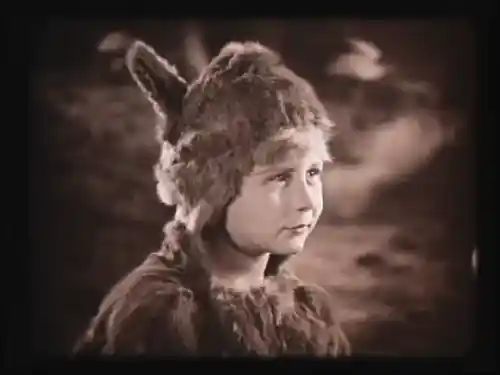
The film’s preservation and restoration have ensured that new generations can discover this silent gem, appreciating its artistry and its timeless message. It’s a film that transcends its technological limitations, speaking directly to the universal human desire for escape, adventure, and the eternal struggle between the pull of childhood and the call of maturity. Whether viewed as a historical artifact or a vibrant piece of cinematic art, the 1924 Peter Pan remains a beacon of imaginative storytelling, a testament to the boundless creativity of the silent era, and a perennial reminder that, somewhere, a boy can still fly.
From the delicate flutter of Tinker Bell's wings to the menacing tick-tock of the crocodile, every frame of this silent masterpiece is imbued with a sense of wonder and peril. It’s a compelling argument for the intrinsic power of visual narrative, demonstrating that the absence of spoken words can, paradoxically, amplify emotional impact and imaginative engagement. This is a film that doesn't just tell a story; it conjures an experience, inviting viewers to believe in fairies, to embrace the thrill of adventure, and to ponder the profound bittersweetness of growing up. It’s a cinematic journey well worth taking, a true classic that continues to sparkle with pixie dust.
IMDb —
1935
Community
Log in to comment.