DbcultAccessing Vault...
Cult Review
Senior Film Conservator
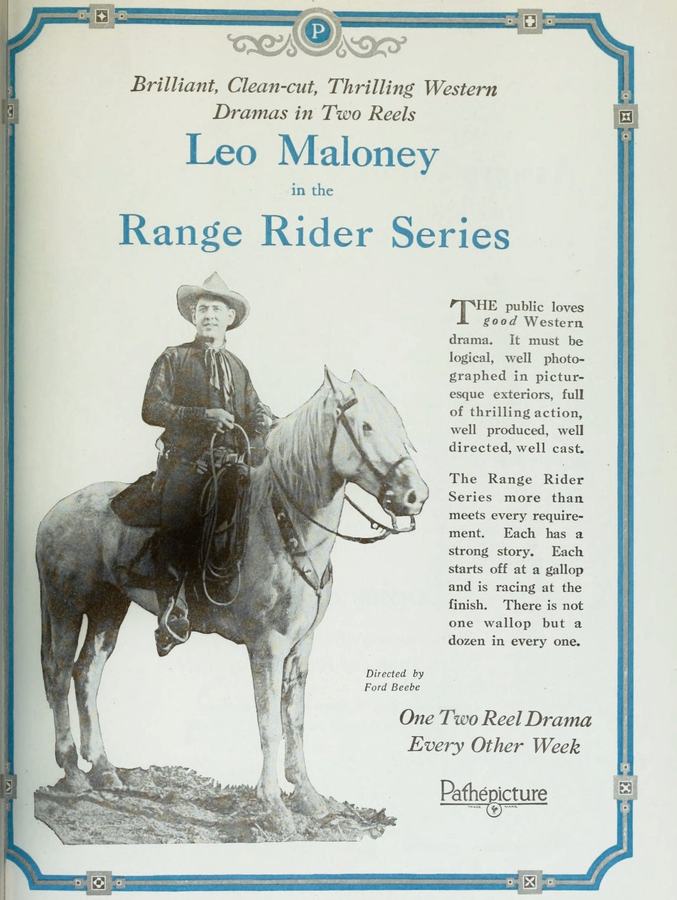
Stumbling out of 1922 like a tumbleweed possessed, The Drifter lands in the present day with the metallic taste of frontier myth. Leo D. Maloney—star, scribe, and ringmaster—understood that the true vein to mine in a gold-rush picture isn’t the ore itself but the paperwork that steals it. His film, long buried in mislabeled canisters, now surfaces as a kinetic allegory of land fraud, masculine self-redemption, and the moment when a geological survey mutates into a death warrant.
The plot is deceptively threadbare: a ragged prospector (Maloney, all cheekbones and cigarette ash) discovers his quartz shards are auriferous just as a reptilian realtor prepares to swindle a widowed homesteader and her daughter. Yet within that skeletal logline Maloney and co-writer Ford Beebe fracture the traditional western matrix. Here the gun is secondary; the assay slip is Excalibur. The villain’s ledger book drips more dread than any six-shooter, and title cards—some only four words long—land like hammer blows.
Much of the surviving print is sun-bleached to sepia, but flashes of two-strip Technicolor tinting still pulse—cyan for night, umber for lamplight, molten orange for the assay furnace. The chromatic strategy weaponizes contrast: when the widow signs the fraudulent mortgage, the parchment glows canary yellow, a premonition of the gold that will both damn and redeem her. Later, the drifter’s campfire burns sea-blue against the obsidian sky, a transient hearth that underscores his rootlessness.
Josephine Hill, as the widowed mother, performs in the school of restrained panic—every blink calculates odds of survival. Hill’s best moment arrives wordlessly: she fingers the edge of the ore vein under torchlight, her pupils dilating with the realization that the earth beneath her feet has always been her collateral. Opposite her, Maloney’s drifter never slips into the messiah template. His shoulders twitch from hunger; his swagger is compensatory. When he finally straps on a gun belt, the leather hangs loose—he’s borrowing myth, not born to it.
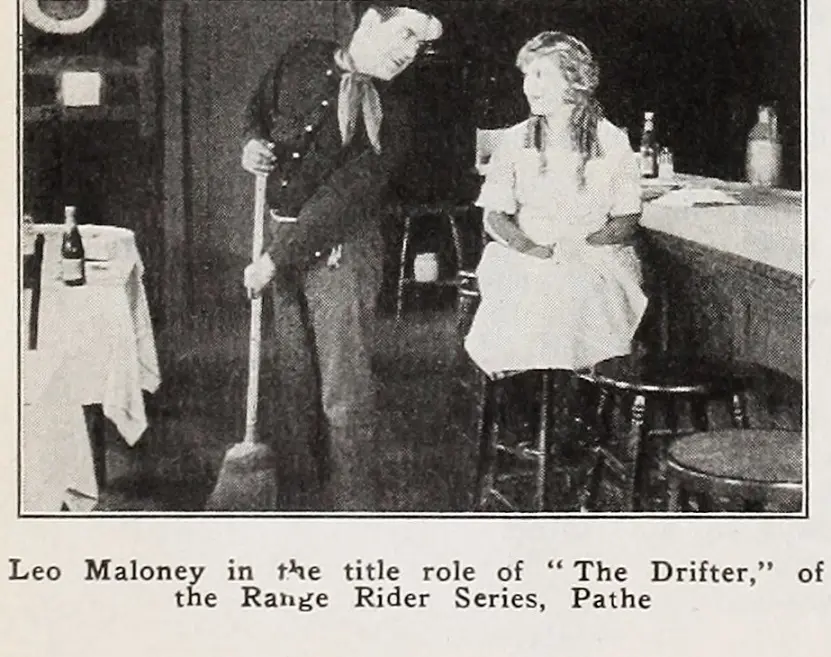
Editorial rhythms here prefigure the Soviet montage that Eisenstein will soon trumpet. A super-imposed surveyor’s chain dissolves into a noose; a close-up of ore glitter snaps to the realtor’s eye, iris reflecting identical glints. Cuts accelerate as stakes compound—average shot length shrinks from eight seconds to three, a heartbeat before the 1920s norm. The climactic siege cross-cuts between three spatial planes: the mother loading a shotgun with trembling thumbs, the daughter guarding the assay office with a coal-oil lamp, the drifter galloping across a trestle bridge that might splinter under hoof. The triangulation is proto-Griffith, yet fleeter, meaner.
Because the film is mute, every auditory association must be hallucinated by the viewer. Listen hard enough and you’ll conjure the scratch of fountain pen across deed, the insectile buzz of the gold-pan riffle, the wet thud of a body hitting alkaline clay. The absence of recorded sound transmutes objects into percussive instruments: a brass surveyor’s compass clicks like a metronome counting down widowhood; the crumple of the forged deed is a gunshot without powder.
What makes The Drifter uncannily contemporary is its grasp of bureaucratic violence. The realtor’s scheme—cloud titles, dummy corporations, back-dated liens—mirrors the robo-signed mortgages of 2008. A title card reads: "A signature extracted under duress is still legal tender in the hands of jackals." One hundred years later, the line could headline an exposé on foreclosure abuse. The film’s solution is romantic: expose the fraud at high noon, burn the counterfeit deed, let virtue ride into the sunset. History reminds us reality preferred bailouts.
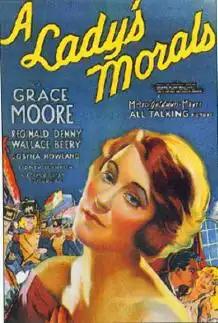
Stacked against Big Timber’s muscular lumberjack melodrama or the society-scandal fluff of Innocent, Maloney’s picture feels closer to The Eternal Grind’s proletarian despair, though swap textile mills for quartz veins. Where His Last Dollar treats poverty as comic foil, The Drifter allows hunger to hollow its hero’s cheeks. Meanwhile, The Gold Cure chases a similar metallic fever but retreats into temperance sermonizing—Maloney keeps his powder dry and his politics feral.
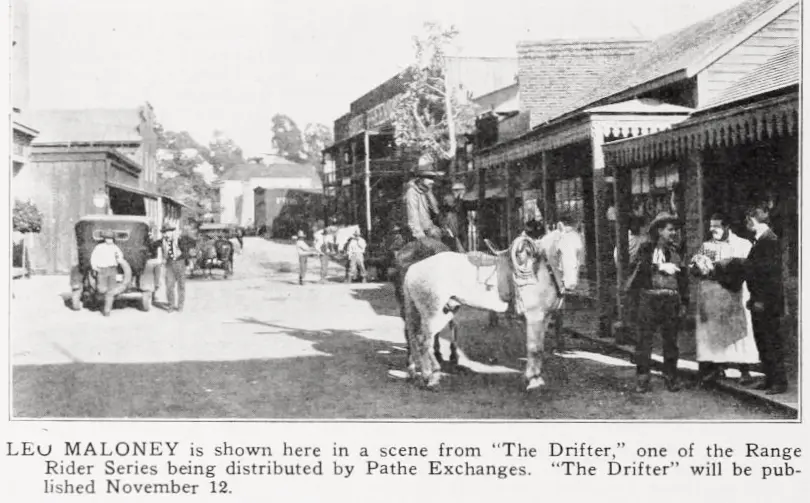
Gender dynamics refuse the era’s default damselism. The mother engineers the counter-sting: she feeds the drifter intel, rifles the realtor’s safe, and ultimately files the claim in her own name. In the penultimate shot she stands beside—not behind—her daughter, both brandishing shovels like battle-axes. Maloney frames them against a horizon no longer male-owned. For 1922, this is quietly revolutionary; even today, mainstream westerns seldom cede the last heroic gesture to women wielding paperwork and pickaxes.
Only two 35 mm nitrate reels were known to exist until a 2021 barn-find in the Yukon yielded a German intertitle copy, brittle but salvageable. The restoration team at the Eye Institute re-photographed each frame on a 4K scanner, stabilizing warps with humidity chambers. The resulting DCP keeps the gate-weave flicker—analog soul intact. Film is mortality; digital is resurrection. Together they haunt the screen like the drifter himself, alive only because someone refused to let the embers cool.
Watch John Sayles’s Lone Star or Kelly Reichardt’s Meek’s Cutoff and you’ll spot the chromosomal link: land as palimpsest, survey lines as scars, the gun merely punctuation in a longer sentence of capital. The Coen brothers cribbed the bureaucratic villainy for True Grit’s courtroom scenes; Tarantino lifted the tinting cues for The Hateful Eight’s overture snowstorm. Every time a modern western fixates on ledgers rather than Colts, it tips a Stetson to Maloney’s forgotten assay.
Minor flaws—an overlong comic relief bar sequence, a day-for-night shot too muddy to parse—cannot tarnish the luster. The Drifter is a pocket-watch that ticks in perfect sync with our present crises of deed, debt, and dispossession. It proves that the most radical special effect is moral clarity, the most explosive action a woman reclaiming her signature. See it on the largest screen possible; let the embers of 1922 scorch 2024’s apathy.
IMDb 3.9
1920
Community
Log in to comment.