DbcultAccessing Vault...
Cult Review
Senior Film Conservator
Short answer: Yes, but only if you possess a genuine curiosity for the structural roots of the American crime thriller. If you are looking for modern pacing or complex psychological shades, you will likely find this experience frustrating.
This film is for the dedicated cinephile who wants to see how the 'wronged man' trope was codified in the early 20th century. It is absolutely not for casual viewers who find silent-era melodrama to be overly theatrical or repetitive.
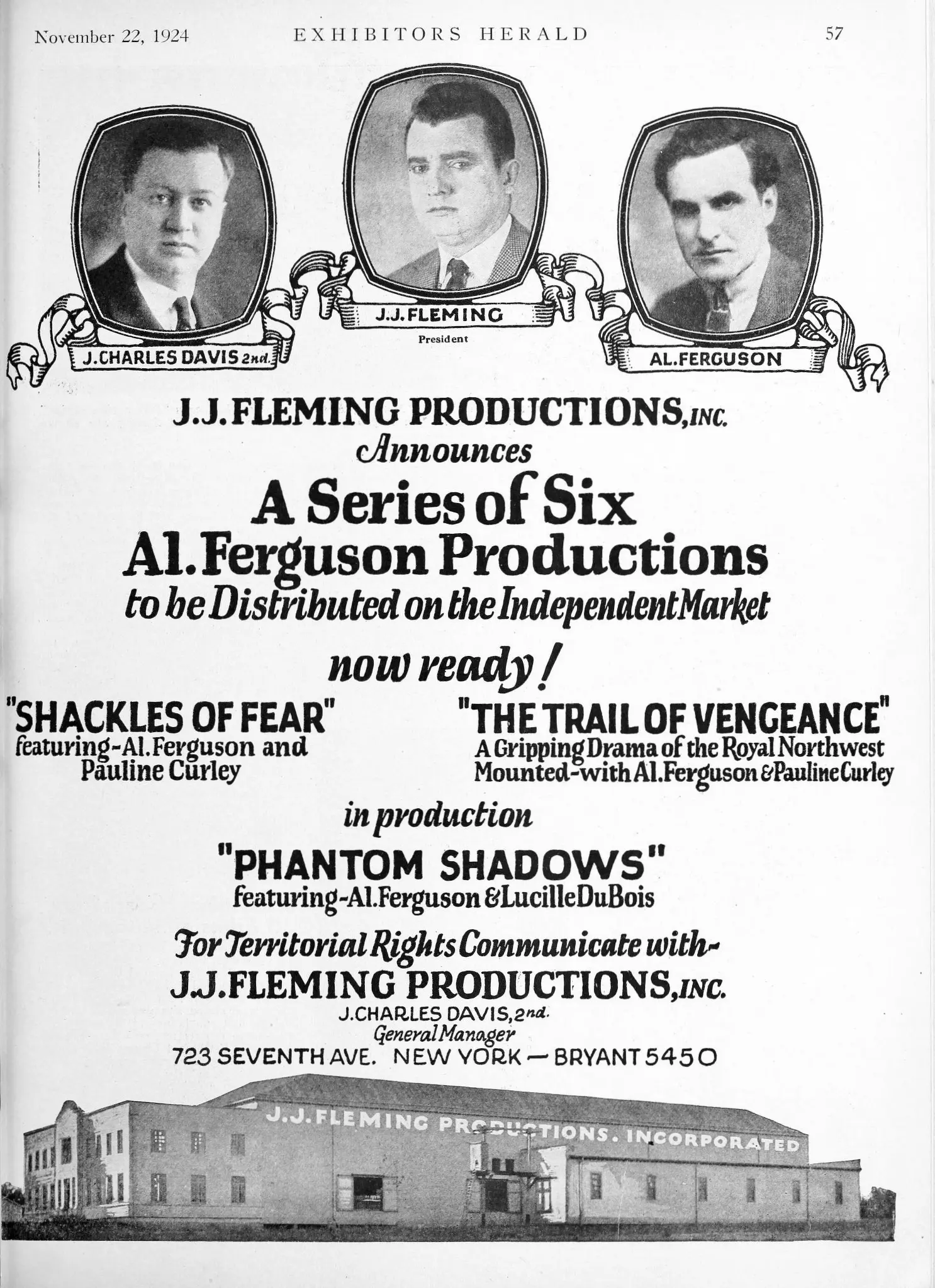
This film works because: Al Ferguson delivers a masterclass in silent-era villainy that feels genuinely threatening rather than just cartoonish.
This film fails because: The narrative relies on the hero being framed twice, which feels like a lazy way to extend the runtime even by 1916 standards.
You should watch it if: You want to see Francis J. Grandon balance the dual responsibilities of directing and starring in an early action-heavy drama.
Phantom Shadows doesn't waste time with pleasantries. It drops us into the life of a man who has already been chewed up by the justice system. The opening sequences establish a heavy, oppressive atmosphere. Our hero isn't just looking for a job; he's looking for an exit strategy.
The social stigma of the 'ex-con' is handled with a bluntness typical of the era. There is no nuance here. You are either a good man wronged or a villain in the making. Grandon plays the hero with a stiff-backed resolve that suggests a man who has forgotten how to smile.
Compare this to the lighter touch found in The Fate of a Flirt. While that film treats social standing as a game, Phantom Shadows treats it as a death sentence. The hero's desperation to leave with the heroine is palpable. It’s the only thing keeping him from sinking back into the shadows.
The gang leader, played with oily precision by Al Ferguson, is the highlight of the film. He doesn't just want money; he wants control. By holding the papers concerning the heroine's father, he effectively owns the family's future. These 'papers' are a classic MacGuffin, but they carry a weight that drives the plot forward with more urgency than many contemporary films.
There is a specific scene in the gang leader's office where the tension peaks. The way the camera lingers on the desk drawer—the physical manifestation of the hero's obstacles—is a great example of early visual storytelling. It’s simple. It’s direct. It works.
However, the hero's initial failure to secure these documents is where the film begins to drag. He falls back into the leader's power far too easily. It makes the protagonist look incompetent, which is a common flaw in scripts of this vintage. We see similar structural issues in The Teaser, where the plot relies on characters making the most illogical choices possible to keep the story moving.
Francis J. Grandon, working behind the camera as well as in front of it, shows a clear understanding of space. The fight scenes are surprisingly visceral. When the hero finally 'beats him up' and escapes, the choreography isn't the polished dance of modern cinema. It’s a messy, desperate scramble.
The pacing, however, is uneven. The middle act feels like a repetitive loop. Frame, escape, frame again. It’s a bit of a slog, honestly. You have to wonder if the writers were struggling to hit a specific reel count. The film lacks the breezy movement of something like California or Bust.
But then, the final act arrives. The kidnapping of the girl and the subsequent chase are handled with a surprising amount of energy. The hero overtaking the villain is a moment of pure catharsis. It’s the kind of payoff that silent audiences lived for, and it still carries a bit of a punch today.
The cinematography is static, as was the custom, but the lighting in the interior scenes creates a moody, noir-adjacent feel. The shadows are long and heavy, living up to the film's title. Lucille Du Bois as the heroine does what she can with a fairly limited role. She is the prize to be won rather than a character with her own agency.
Ferdinand Schumann-Heink and Paul Emery provide solid support, though their characters feel like archetypes rather than people. The acting style is broad, designed to be seen from the back of a theater, but Grandon manages to keep his performance grounded in a way that feels more modern than his contemporaries.
If you look at The Rescue, you see a similar attempt at high stakes, but Phantom Shadows feels grittier. It feels like it was filmed in rooms that actually smell like stale tobacco and desperation. That atmosphere is its greatest strength.
Why was the 'framed man' such a popular theme in 1916? It spoke to a deep-seated anxiety about the growing power of legal and corporate institutions. In Phantom Shadows, the villain isn't just a criminal; he's a man who uses 'papers'—the law, documentation, proof—to destroy lives.
This theme is also explored in The Masked Heart, but here it is tied directly to the hero's physical survival. The clearing of the father's name at the end isn't just a plot resolution; it’s a restoration of the family's place in the world. It’s a conservative ending for a film that flirts with very dark themes.
Pros:
Cons:
Phantom Shadows is a fascinating relic. It isn't a masterpiece of subtle storytelling, but it is a robust example of the early crime drama. It works. But it’s flawed. The film’s insistence on making the hero a perpetual victim of circumstance can be grating, yet the raw energy of the final confrontation saves it from being a total antique.
Compared to other films of the period like The Tigress, it lacks a bit of the stylistic flair, but it makes up for it with a grounded sense of grit. It’s a blue-collar movie for a blue-collar audience. If you can look past the theatrical gestures and the simplistic morality, there is a very real, very human story about the difficulty of starting over.
It’s a movie about the weight of the past. And in 1916, that weight was heavy indeed. Take a look if you want to see where the tropes of the modern thriller were born, but keep your expectations for the plot firmly in check.
"A gritty, if repetitive, look at the cycle of crime and redemption that proves some stories are timeless, even if their execution is dated."
IMDb —
1915
Community
Log in to comment.