DbcultAccessing Vault...
5.1/10
Senior Film Conservator
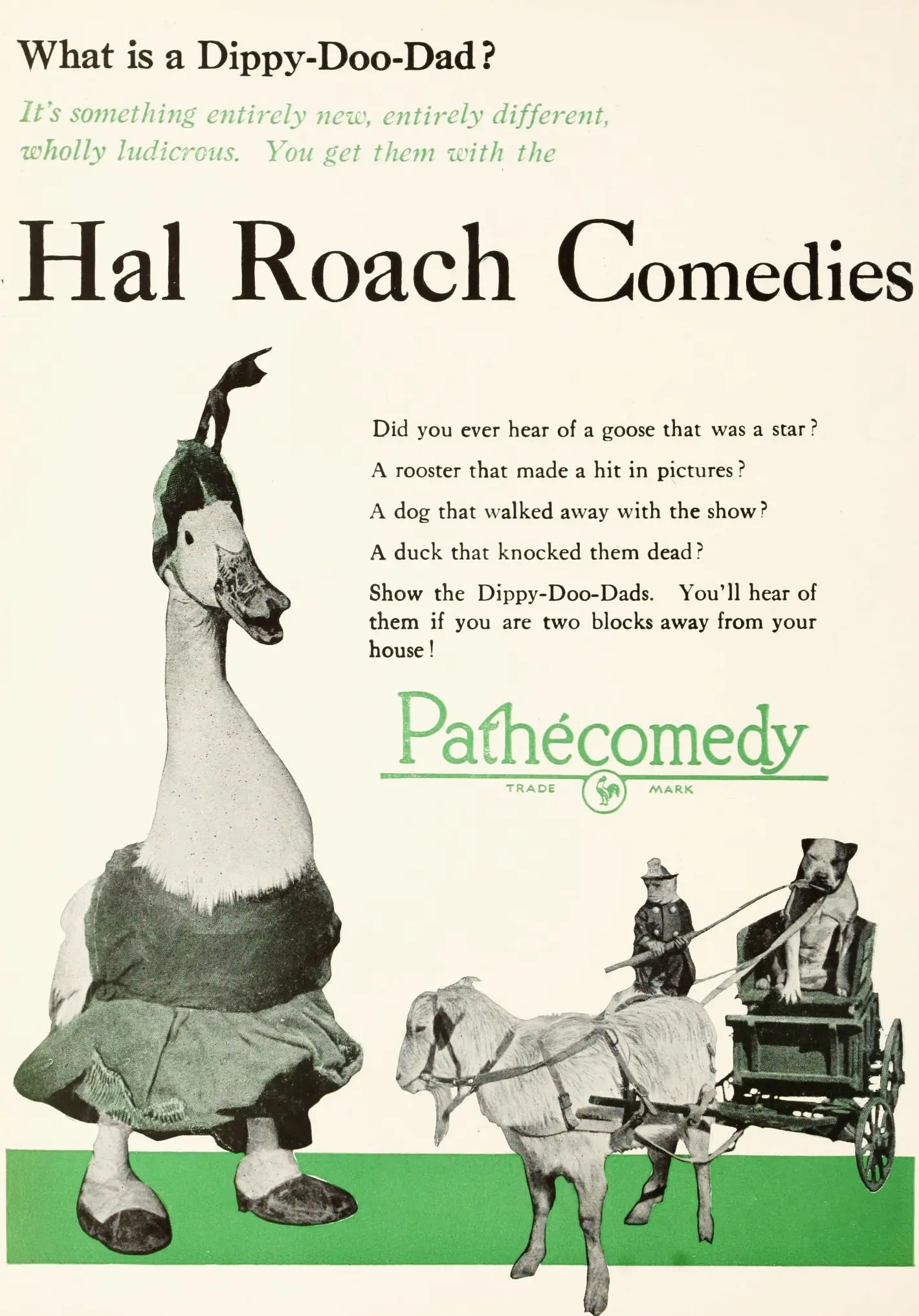
A definitive 5.1/10 rating for a film that redefined the boundaries of cult cinema. The Knockout remains a cornerstone of transgressive art.
The Knockout arrives at a crossroads where the visual language of silent cinema meets the visceral spectacle of pugilism. In an era when the silver screen was still learning to articulate complex narratives without spoken word, director Len Powers crafts a tableau that feels simultaneously documentary and mythic. The opening montage, drenched in chiaroscuro, establishes Monktown as a character unto itself—a place where ironwork and ambition are forged side by side. This setting is not merely a backdrop; it is the crucible that shapes Mack Monksey (played with stoic gravitas by Powers himself), whose fists have become the town’s unofficial seal of honor.
Monksey’s portrayal is a study in restrained ferocity. Powers eschews melodramatic gestures, opting instead for a kinetic stillness that mirrors the tension of a coiled spring. Each glint of sweat on his brow is captured in a close‑up that lingers just long enough to let the audience feel the weight of his impending struggle. In stark contrast, Kid Kongo, whose origins remain deliberately ambiguous, is introduced through a series of kinetic cuts—quick, disorienting, and deliberately animalistic. This visual dichotomy underscores a thematic undercurrent: civilization versus primal instinct.
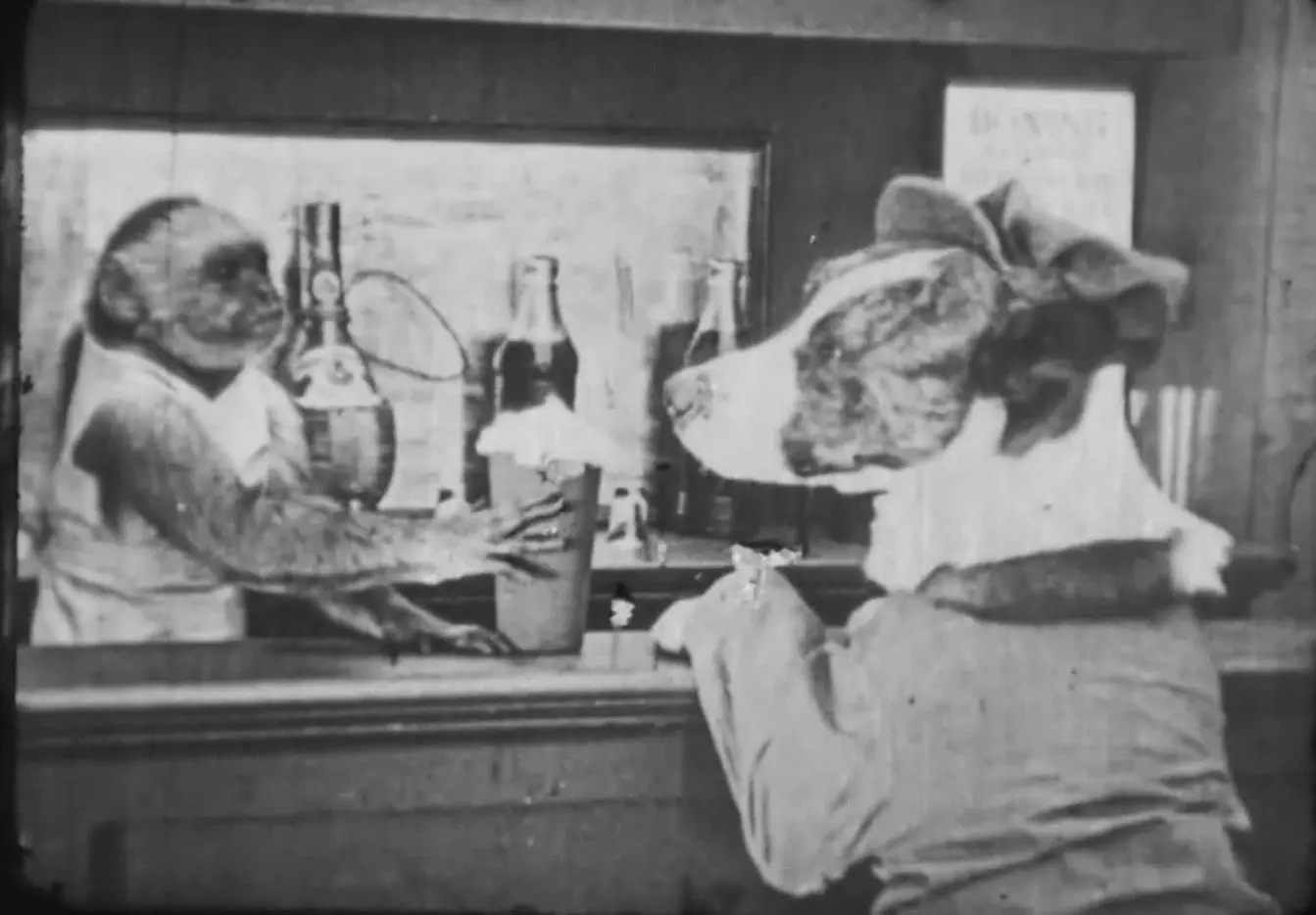
The film’s most compelling subplot unfolds in the galleries where the nation’s elite observe the bout. Their presence is rendered with a palette of muted golds and deep blues, a visual nod to the aristocratic attire described in period newspapers. The sporting writers—real‑life luminaries of the 1920s press—are portrayed as both chroniclers and participants, their pens poised to capture each punch as if it were a stanza in an epic poem. This meta‑commentary on media’s role in myth‑making adds a layer of sophistication, inviting viewers to consider how narratives are constructed long after the final bell.
Powerful use of lighting defines the film’s aesthetic. In the ring, a single overhead lantern casts dramatic shadows that dance across the fighters’ faces, emphasizing the stark contrast between Monksey’s weathered resolve and Kongo’s feral intensity. The camera, often positioned at ground level, forces the audience to experience the bout from a visceral perspective, as if they were standing toe‑to‑toe with the combatants. Intercutting with the crowd’s reactions—gasps, murmurs, and the occasional roar—creates a rhythmic pulse that mirrors the fighters’ breathing.
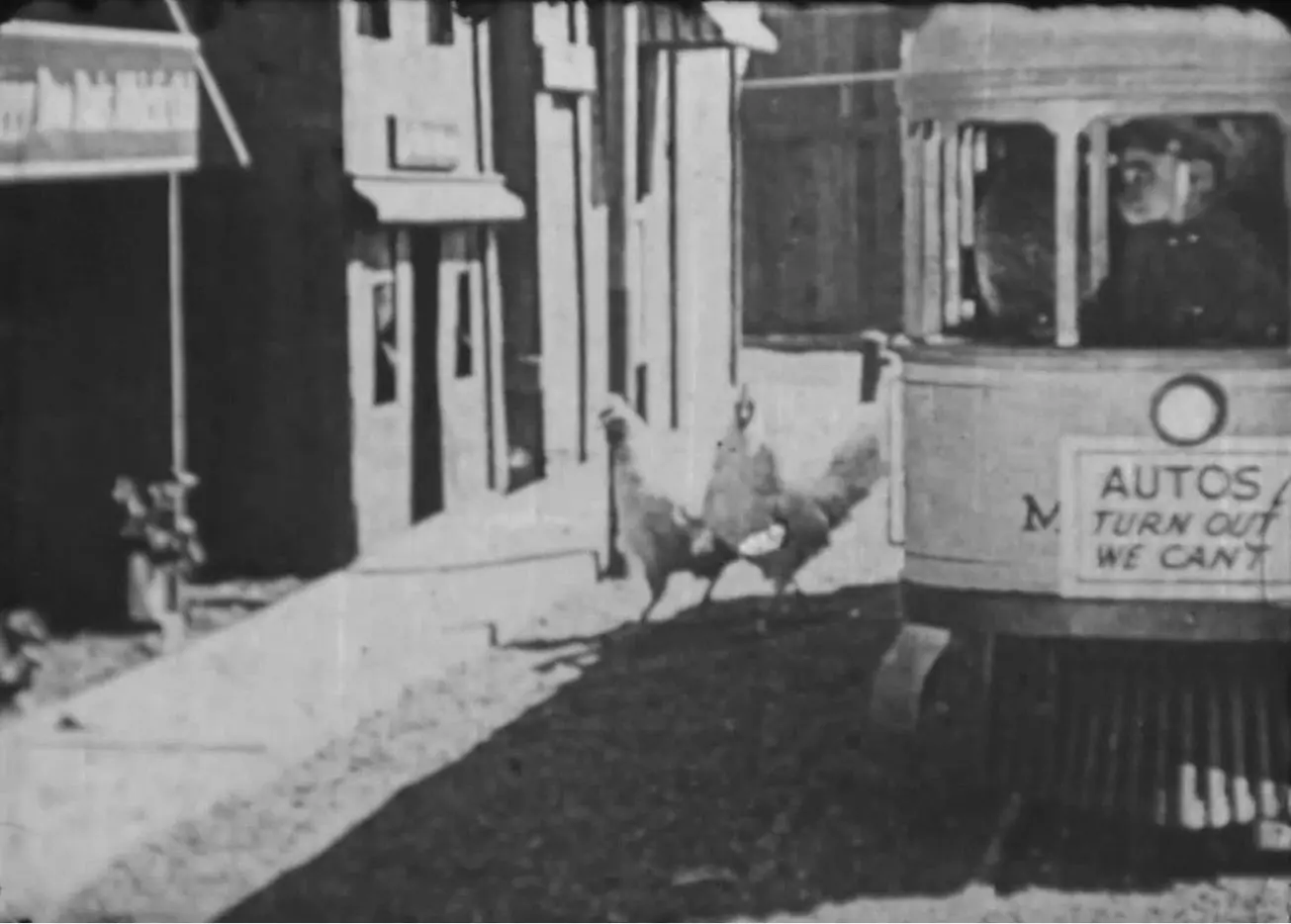
The match itself is meticulously choreographed to reflect a classical three‑act structure. The opening rounds establish Monksey’s dominance, his jabs crisp and measured, a testament to experience. Midway, Kongo’s unorthodox style disrupts this equilibrium, delivering a flurry of wild hooks that momentarily unsettle the champion. The climax erupts in the final round, where Monksey, battered yet unbowed, summons an inner reservoir of resolve, delivering a decisive blow that reverberates through the silent hall. The denouement, a lingering shot of Monksey’s silhouette against a bruised sky, serves as an elegiac tribute to endurance.
When placed beside contemporaneous works such as The Three Musketeers (1921), The Knockout distinguishes itself through its unflinching focus on the raw physicality of sport rather than swashbuckling romance. Yet, like Strangling Threads, it weaves a narrative tension that transcends the immediate spectacle, hinting at societal undercurrents—class division, the allure of the underdog, and the commodification of violence. In contrast to the whimsical tone of The Nutcrackers, The Knockout’s gravitas is anchored in a palpable realism that anticipates later boxing epics like Raging Bull.
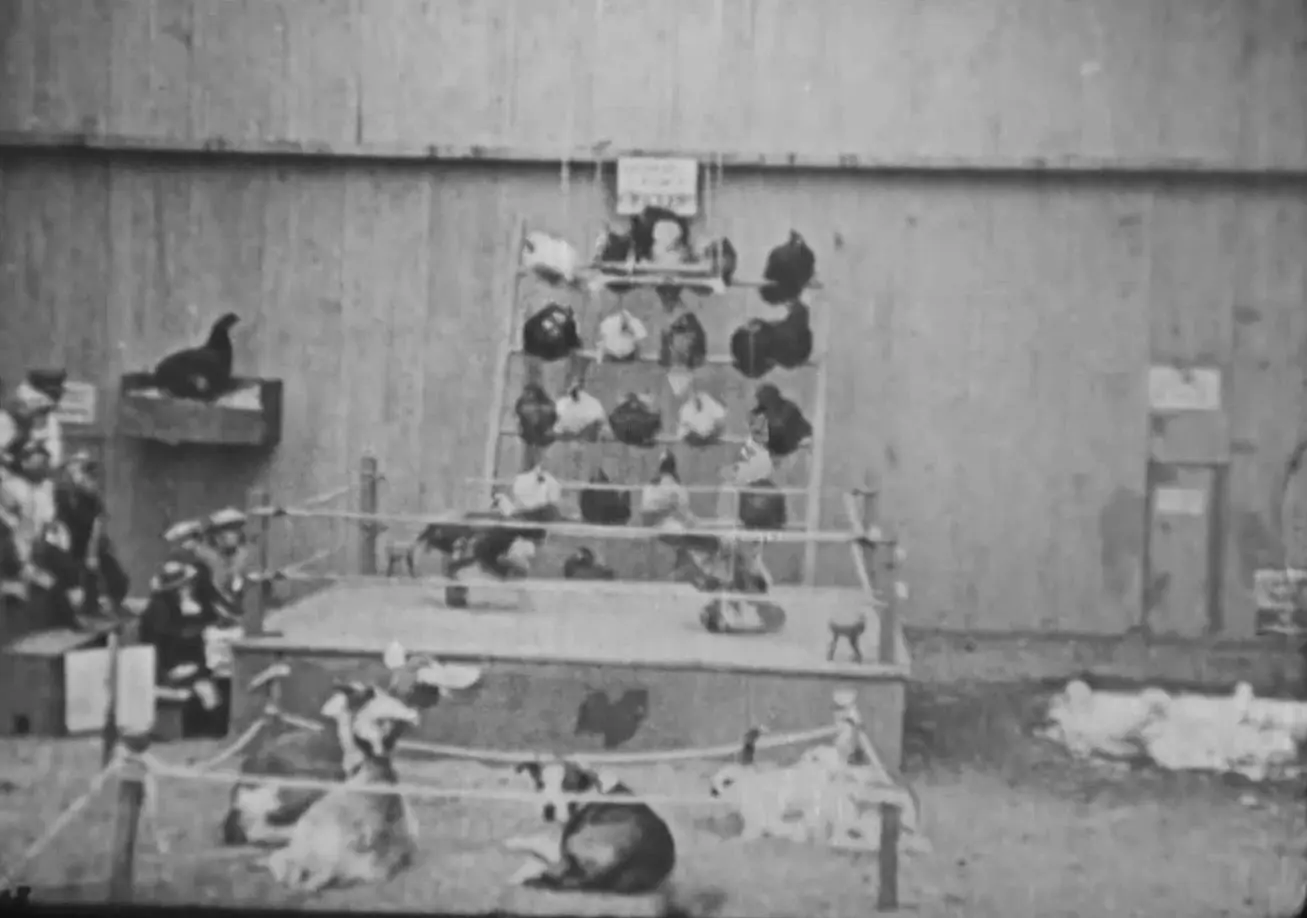
At its core, The Knockout interrogates the paradox of a society that celebrates both the heroism of the champion and the brutality of the contest. Monksey embodies a collective identity, a living emblem of Monktown’s resilience, while Kongo represents the untamed forces that threaten to upend the status quo. The elite spectators, meanwhile, embody a voyeuristic desire to witness struggle without bearing its consequences. This tripartite dynamic offers a nuanced commentary on class stratification, a theme that reverberates in later works like Diplomacy and Scandal.
Len Powers delivers a performance that balances stoic dignity with fleeting vulnerability. His physicality—each measured step, each deliberate swing—conveys a silent monologue that speaks louder than any intertitle. The supporting cast, though sparsely credited, provides essential texture: the jittery pressmen clutching ink‑stained notebooks, the aristocrats whose powdered wigs betray an underlying anxiety, and the ring‑girls whose fleeting glances add a layer of humanity to the otherwise stark tableau.
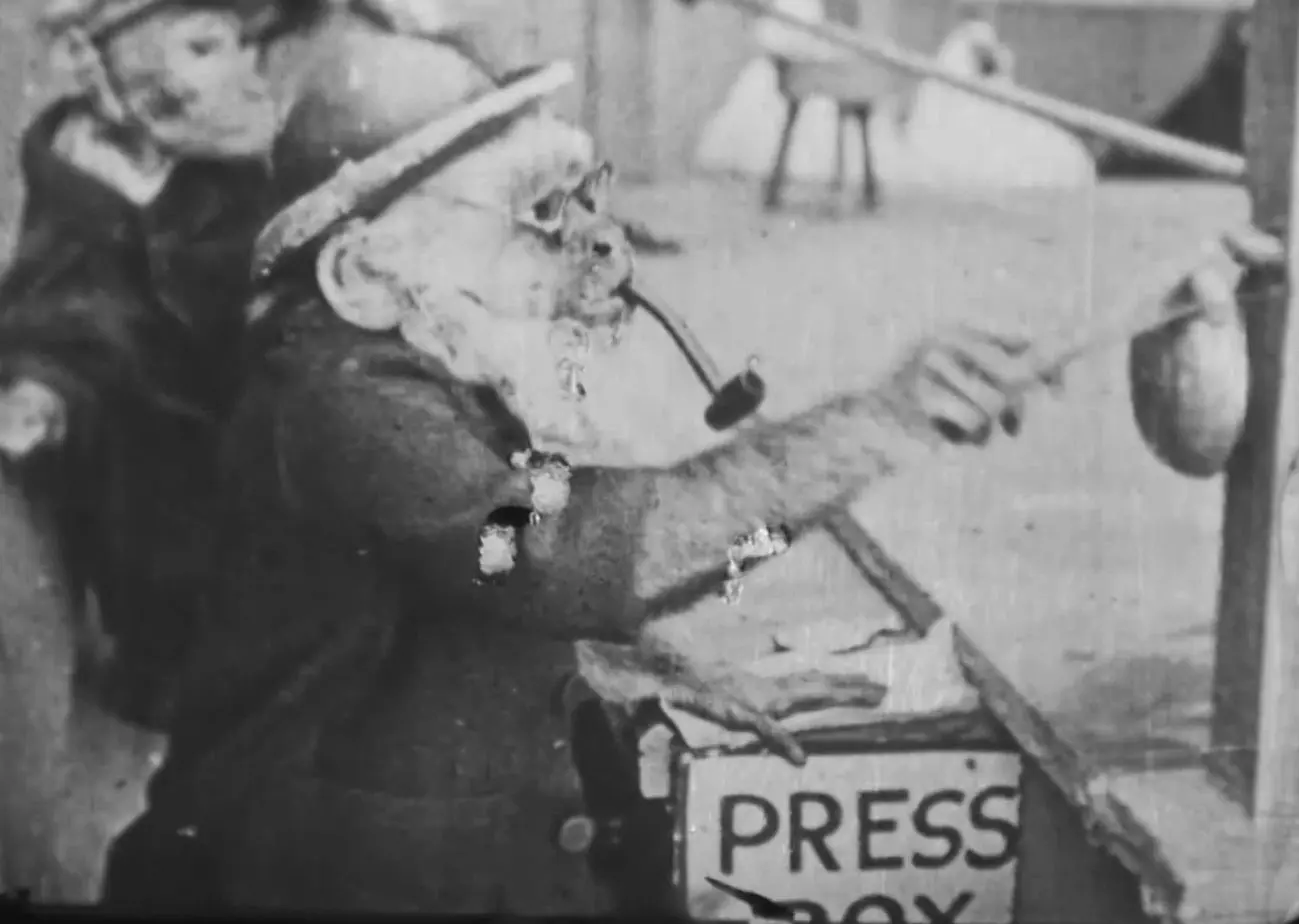
Although The Knockout did not achieve the box‑office heights of its contemporaries, its influence can be traced through the evolution of sports cinema. Its emphasis on authentic fight choreography prefigures the kinetic realism of later classics such as The Champ (1931) and the psychological depth of later silent dramas like The Pilgrim. Moreover, its portrayal of media as an active participant in myth‑making anticipates modern meta‑narratives found in films like Raging Bull and The Fighter.
The set design meticulously recreates a 1920s boxing venue, from the weathered wooden bleachers to the rust‑stained ropes that seem to pulse with each impact. Costuming reflects a keen eye for period detail: the champion’s simple, sleeveless trunks contrast sharply with Kongo’s more flamboyant, patterned attire, symbolizing their divergent worldviews. Though the film is silent, its accompanying score—originally performed live with a brass-heavy ensemble—infuses the action with a rhythmic urgency, accentuating each punch with a staccato flourish.
Contemporary reviews praised the film’s unflinching realism and praised Powers’ “muscular yet nuanced” portrayal. Modern scholars, revisiting the work through the lens of gender and class studies, highlight its subtle critique of the voyeuristic appetite of the upper class. Online forums often compare the film’s pacing to that of Manegens Børn, noting that both employ a deliberate tempo that rewards patient viewers.
The Knockout stands as a testament to the power of visual storytelling. Its ability to convey complex emotional and sociopolitical themes without a single spoken word underscores the medium’s potential for depth. The film’s meticulous composition, from the interplay of light and shadow to the choreography of combat, invites repeated viewings, each revealing new layers of meaning. In an age where spectacle often eclipses substance, The Knockout reminds us that the most compelling narratives are those that strike at the heart of human experience—courage, ambition, and the inexorable desire to be seen.
IMDb —
1920
Community
Log in to comment.