DbcultAccessing Vault...
Cult Review
Senior Film Conservator
Spoiler-rich excavation below—enter with caution.
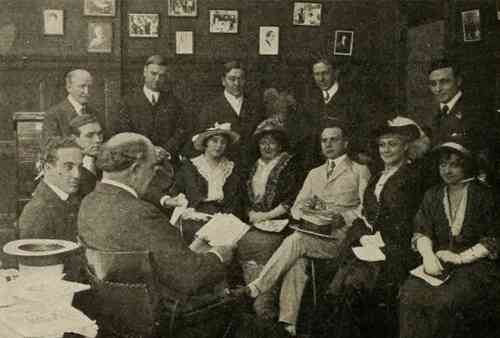
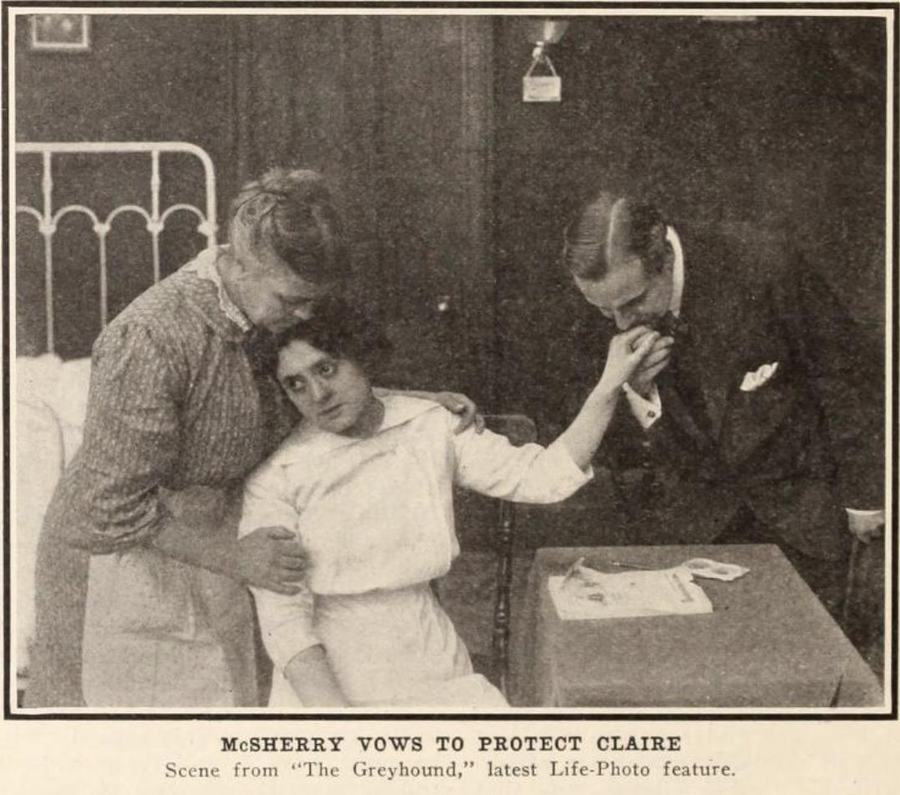
Paul Armstrong and Wilson Mizner’s scenario treats affection like a crooked poker staple—beautiful from the front, razored at the edge. Claire’s decision to betray her spouse is not a moral epiphany but a slow-motion amputation. Each tipped-off constable is a stitch in a tourniquet that never quite staunches her longing. The resulting tension feels proto-noir decades before the term existed: morality disguised as romance, vengeance disguised as civic duty.
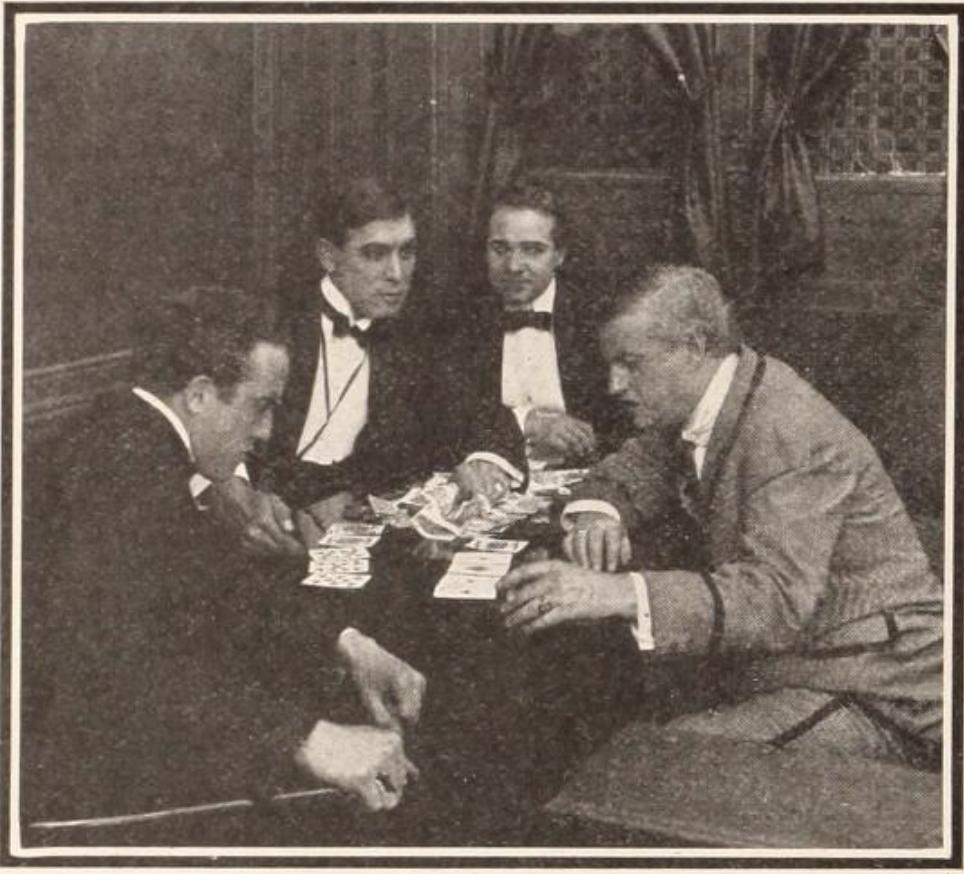
Cinematographer George De Carlton shoots the Atlantic as a liquid abyss, a visual lie-detector where every swell exposes guilt. Interior scenes rely on tungsten bloom against walnut bulkheads; exterior night shots favor silver nitrate shimmer, turning waves into writhing bar codes. When Claire glides through the smoking lounge in ghostly white, the frame nearly overexposes—her silhouette a lighthouse that blinds rather than guides.
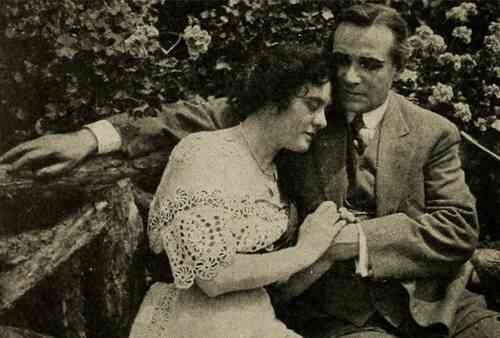
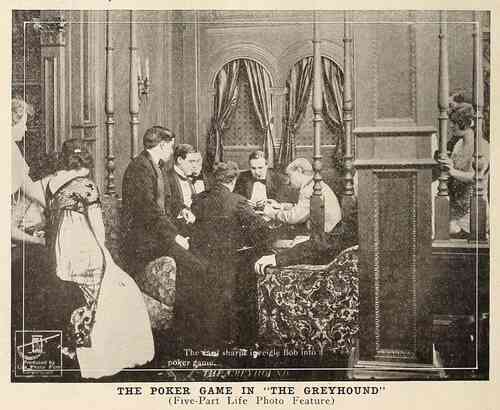
Rex Tompkins’s Louis Fellman never twirls a mustache; menace arrives in the way he thumbs a card—fingertip pressure so subtle the deck itself seems to consent. Anna Laughlin’s Claire is silent-era dynamite: eyes that register every half-second calculation, shoulders that square when resolve crystallizes. William H. Tooker’s McSherry carries reformation like an ill-fitting coat—he stands too straight, smiles too late, forever apologizing for the ace he no longer palms.
While contemporary melodramas often cast wives as sacrificial doves, Claire weaponizes information. She is both whistle-blower and saboteur, turning patriarchal protectionism on its head: the law becomes her accomplice, marriage her instrument of surveillance. The film’s most subversive beat—her staged suicide—recasts Ophelia’s fatalism as strategic theater, a gambit to secure McSherry’s loyalty without ever verbalizing need.
Though released sans synchronized dialogue, surviving cue sheets indicate orchestral accompaniment heavy on cello groans and timpani heartbeats. Contemporary exhibitors reportedly underscored Louis’s hallucinations with a reversed-groove waltz, producing an ankle-sprung rhythm that anticipates Bernard Herrmann’s later psychological stings.
Unlike later gangster sagas that aestheticize criminal ascent, Greyhound wallows in the banality of ethical erosion. Louis’s crew—Jack Fay’s slack-jawed menace, Alexander’s silk-voiced corruption, the Baroness’s predatory glamour—are not anti-heroes but cautionary effigies. Their downfall lacks catharsis; the film insists that when trust is counterfeited often enough, even redemption becomes suspect currency.
Louis’s tumble over the rail is filmed without a rescue cut—just a static long shot holding on churning foam until the body becomes punctuation. The refusal to dramatize his struggle weaponizes absence: viewers inherit Claire’s vengeance, McSherry’s vigil, and the ocean’s indifference in one gulp. The moment forecasts the nihilistic terminus of film noir, only without saxophones or Venetian-blade shadows.
A 2K restoration premiered at Pordenone 2019, scanned from a 35 mm French Pathé print discovered in a Grenoble convent. The tinting schema—amber for interiors, cyan for night decks, rose for Claire’s reveries—follows contemporary distribution notes. Streaming rights remain fractured; North American viewers can rent a DCP through KinoShift, while European cine-clubs often project the Edition Filmmuseum Blu. Bootlegs circulate with Russian intertitles, but avoid them; the translation mangles Mizner’s street-argot cadence.
In an era obsessed with true-crime podcasts and scammer docuseries, The Greyhound offers a 1914 mirror: cons age, yet the anatomy of betrayal is perennial. Claire’s surveillance ethos prefigures our own culture of leaks and screenshots; McSherry’s reformed savior complex echoes every reformed tech-bro whistle-blower. Most importantly, the film argues that trust, once palmed, can never be slipped back into the deck—an indictment both intimate and geopolitical.
Bookmark this review, share the frame-grabs, and let the comments section become its own smoke-filled saloon—just keep your wallet buttoned.
IMDb 7.9
1930
Community
Log in to comment.