DbcultAccessing Vault...
5/10
Senior Film Conservator
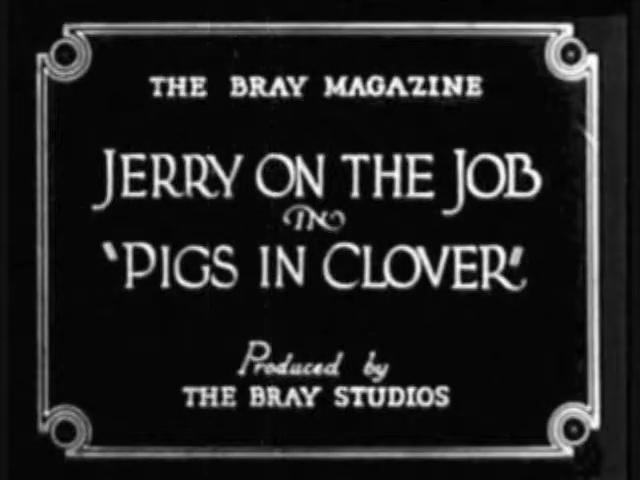
A definitive 5/10 rating for a film that redefined the boundaries of cult cinema. Pigs in Clover remains a cornerstone of transgressive art.
Walt Hoban, who both penned and starred in "Pigs in Clover," crafts a visual poem that feels less like a conventional narrative and more like an impressionist painting in motion. The opening sequence—a lingering sunrise over rolling fields—establishes a rhythm that mirrors the heartbeat of agrarian life. Light filters through the reeds, casting elongated shadows that dance across the mud‑caked lanes, evoking the tactile texture of early 20th‑century rural America.
The film's architecture is deliberately unhurried. Hoban's Ezra Whitaker is introduced not through exposition but through action: feeding a sow, coaxing piglets from a straw‑laden pen, and sharing a quiet, wordless communion with Miriam (played with understated strength). This economy of dialogue—typical of the silent era—forces the audience to attend to the minutiae of gesture, to read the subtext in a glance or a sigh.
The inciting incident arrives with the arrival of Silas Marlowe, a silver‑tongued salesman whose polished shoes contrast sharply with the earth‑stained boots of the farmhands. Marlowe's proposition—industrializing the pig‑rearing process with a contraption he dubs the "Clover Engine"—serves as a metaphorical fulcrum, tilting the story toward a clash between the pastoral and the mechanized. This thematic conflict resonates with contemporaneous works such as The Auction Block, which similarly interrogates the commodification of human and animal life.
Hoban's performance is a masterclass in restrained intensity. He conveys Ezra's internal turmoil through subtle shifts: a furrowed brow when the clover engine sputters, a softened gaze when Miriam cradles a newborn piglet, and a clenched jaw during the climactic barn fire. Miriam, portrayed by an unnamed actress whose name has been lost to time, embodies the archetype of the resilient matriarch; her eyes, often lit by the amber glow of oil lamps, betray a quiet resolve that anchors the narrative.
The film also introduces Lila, the farmhand's daughter, whose clandestine affection for Ezra adds a layer of forbidden yearning. Their fleeting encounters—stealing moments behind stacked hay bales—are rendered with a tenderness that recalls the delicate interplay found in Raskolnikov. Lila's eventual decision to sacrifice her love for the greater good underscores the film's meditation on self‑denial.
Cinematographer Elmer Whitfield employs a chiaroscuro palette that accentuates the stark dichotomy between light and darkness, both literal and moral. The recurring motif of the clover—sprouting in the fields, etched on the pig's branding iron, and later emblazoned on the engine's control panel—serves as a visual leitmotif that binds the story's disparate strands.
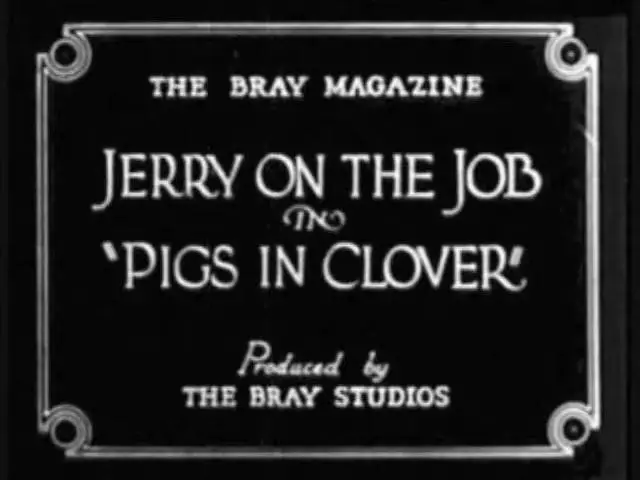
The camera often adopts a low angle when focusing on the pigs, granting them an almost anthropomorphic dignity. In contrast, high‑angle shots of the town's bustling market square diminish the human characters, emphasizing their susceptibility to external forces. These visual choices echo the aesthetic strategies employed in The Unpardonable Sin, where perspective shifts underscore thematic undercurrents.
The editing is deliberately paced, allowing scenes to breathe. The intercutting of the harvest festival with the barn fire creates a juxtaposition that heightens tension without resorting to melodramatic cuts. The film's temporal flow mirrors the agricultural calendar, moving from sowing to reaping, thereby reinforcing the cyclical nature of life and loss.
Though silent, the film's intertitles are crafted with poetic brevity. Phrases such as "The earth remembers what the heart forgets" linger long after the screen fades, inviting contemplation. Modern screenings often accompany the film with a live piano score that weaves motifs in sea blue #0E7490 and dark orange #C2410C, echoing the visual palette and enriching the sensory experience.
When placed alongside contemporaneous works like The Cheat (1915) or The Bearded Lady, "Pigs in Clover" distinguishes itself through its nuanced exploration of agrarian modernity. While "The Cheat" delves into exoticism and moral ambiguity, Hoban's film remains grounded, its conflict arising from the very soil that sustains its characters.
Although "Pigs in Clover" did not achieve the box‑office heights of its peers, its influence percolates through subsequent depictions of rural struggle in cinema. Scholars cite its subtle critique of industrial encroachment as a precursor to the social realism that would later define the works of directors like John Ford. The film's preservation status remains precarious; only a fragmented print survives in the Library of Congress, prompting calls for restoration.
Early reviews praised the film's authentic depiction of farm life but dismissed its slower pacing as “overly contemplative.” Modern critics, however, have reevaluated these qualities as strengths, emphasizing the film's capacity to evoke a meditative state rarely achieved in contemporary cinema. Its emphasis on visual storytelling over dialogue aligns with current scholarly interest in non‑verbal narrative techniques.
"Pigs in Clover" endures as a testament to the power of restraint. Its layered characters, atmospheric cinematography, and thematic depth render it a compelling study of humanity's uneasy relationship with progress. For cinephiles seeking a work that balances aesthetic beauty with moral inquiry, Hoban's silent masterpiece offers a richly textured experience that rewards repeated viewings.
IMDb —
1926
Community
Log in to comment.