DbcultAccessing Vault...
Cult Review
Senior Film Conservator
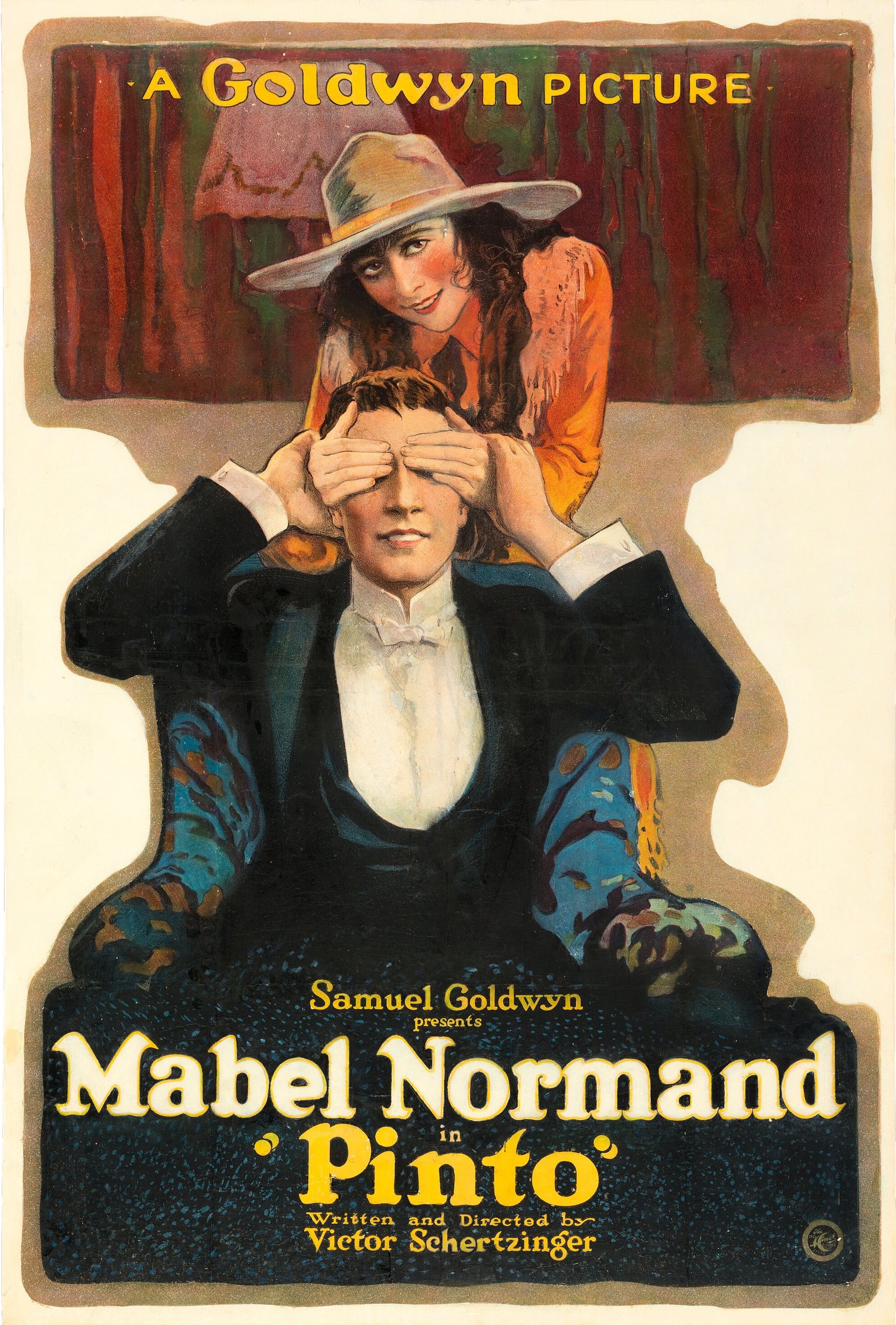
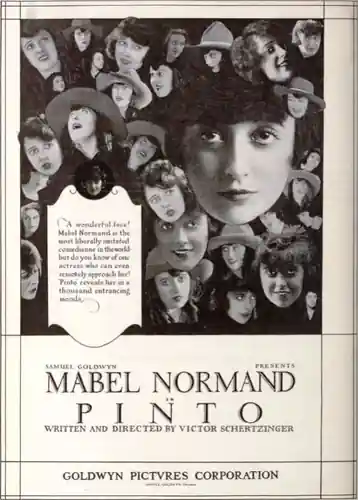
When Mabel Normand dons the role of Pinto, the film immediately signals a collision of worlds: the untamed expanses of Arizona versus the polished corridors of New York high society. This juxtaposition, rare for its era, anticipates later genre hybrids such as The Beautiful Adventure, yet retains a distinct tonal austerity. The narrative thrust—an orphaned heiress thrust into an alien milieu—mirrors the thematic concerns of early 20th‑century melodramas, where identity and class are interrogated through displacement.
Pinto's plot unfurls with a deliberate pacing that mirrors the measured cadence of a stagecoach crossing the desert. The opening sequence, wherein five affluent Arizonans deliberate Pinto's future, establishes a moral calculus: civilization versus savagery, propriety versus authenticity. Pop Audry's transformation from desert wanderer to cosmopolitan patron underscores a central irony—progress is not linear but cyclical. As Pinto and Looey navigate the labyrinthine streets of New York, the city becomes a character in its own right, its towering edifices reflecting the looming expectations placed upon the young heroine.
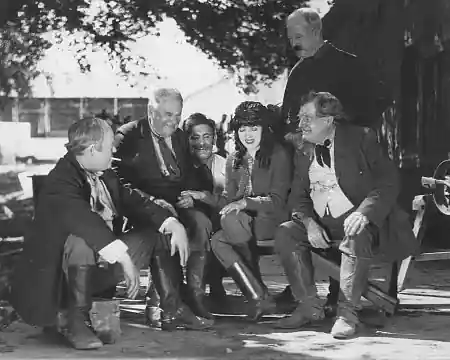
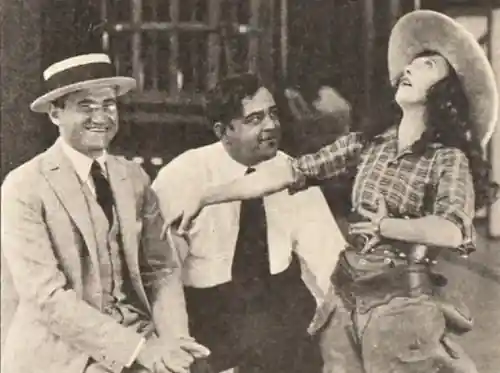
Normand's portrayal oscillates between the fierce independence of a cowgirl and the tentative vulnerability of a woman confronting societal strictures. Her physicality—wide‑brimmed hats, boots that echo the clatter of spurs—contrasts sharply with the delicate gestures demanded by New York's elite. This dichotomy is heightened by William Elmer’s Pop Audry, whose stoic demeanor belies a latent yearning for his rugged past. Their interactions are charged with subtext; when Audry offers Pinto an education, the gesture is as much about redemption as it is about control. The chemistry between Normand and Hallam Cooley’s Bob De Witt is palpable, their exchanges suffused with a quiet, unspoken camaraderie that anchors the film’s emotional core.
The visual language of Pinto is a study in chiaroscuro, employing stark black‑and‑white contrasts to delineate the dichotomy between the West and the East. Exterior shots of the Arizona ranch, though limited, are bathed in golden hues that evoke a mythic nostalgia. In stark opposition, interior New York scenes are framed with angular compositions, the city’s artificial illumination casting long, unforgiving shadows. The Wild West show sequence, a meta‑theatrical set piece, utilizes rapid cross‑cutting to juxtapose the spectacle of rodeo stunts against the polished façades of Audry’s guests, thereby critiquing the commodification of frontier mythos.
When examined alongside The Pousse Cafe, Pinto reveals an early cinematic fascination with cultural displacement. Both films interrogate the friction between tradition and modernity, yet Pinto’s reliance on the Wild West motif offers a more visceral commentary on American identity. Moreover, the film’s exploration of marital infidelity—embodied by the haughty wife’s affair—anticipates the moral complexities explored in later silent dramas such as Should a Woman Divorce?. The narrative’s resolution, wherein Pop Audry relinquishes his estate to his avaricious spouse, underscores a cynical view of wealth’s corruptive potential, a theme resonant in The Senator.
In the silent era, intertitles serve as the narrative scaffolding. Pinto’s intertitles are succinct yet poetically phrased, often employing colloquial Western diction that reinforces the protagonist’s roots. The musical score, historically performed live, would have likely blended ragtime motifs for the urban sequences with folk fiddle strains during the rodeo scenes, thereby reinforcing the film’s thematic dichotomies through auditory cues. This duality of sound mirrors the visual contrast, creating a holistic sensory experience.
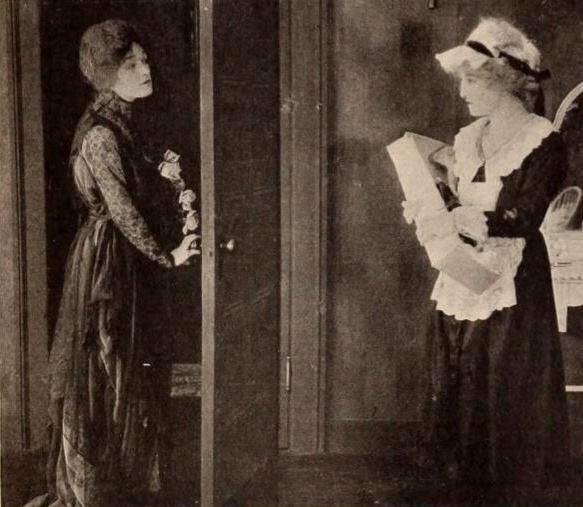
Costuming in Pinto functions as a visual shorthand for character evolution. Pinto’s wardrobe transitions from denim and leather—emblems of frontier resilience—to delicate silk gowns, symbolizing the imposed veneer of femininity. Looey’s steadfast cowboy attire remains unchanged, serving as a grounding anchor that reminds viewers of Pinto’s immutable core. The wife’s opulent dresses, replete with sequins, juxtapose sharply against the modest, earth‑toned garments of the ranch folk, visually articulating class stratification.
The film’s three‑act structure adheres to classical dramaturgy: exposition on the ranch, the displacement to New York, and the climactic revelation at the Wild West show. However, the pacing is deliberately languid during the urban interlude, allowing the audience to absorb the alienation experienced by Pinto. This measured tempo culminates in an explosive denouement where the spectacle of the rodeo becomes both a literal and figurative unmasking of deceit, delivering catharsis through visual spectacle.
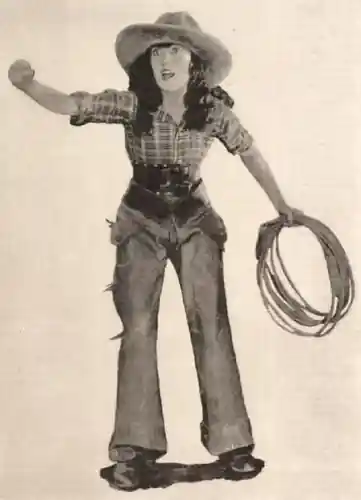
Though not as commercially celebrated as contemporaneous Westerns, Pinto occupies a niche as an early exploration of the ‘fish‑out‑of‑water’ trope within the silent genre. Its influence can be traced to later works that juxtapose rural authenticity against urban artifice, a narrative device that persists in modern cinema. The film also contributes to the evolving portrayal of women in early Hollywood, presenting a heroine who retains agency despite societal pressures—a precursor to the strong‑female leads of the 1930s and beyond.
Contemporary reviews lauded Normand’s magnetic screen presence but criticized the film’s uneven tonal shifts. Modern scholars, however, commend its subversive commentary on gender and class, noting that the film’s resolution—Pinto’s return to the West with Bob De Witt—offers a nuanced critique of the ‘civilizing’ mission of the East. The film’s preservation status remains precarious, with only fragmented prints surviving, rendering comprehensive analysis challenging yet all the more vital.
Pinto stands as a testament to silent cinema’s capacity for layered storytelling, weaving together themes of identity, exploitation, and resilience within a compact runtime. Its visual palette—anchored by the starkness of black‑and‑white cinematography—combined with a deftly crafted script, yields a work that feels both of its time and timeless. For aficionados of early Westerns and scholars of gender dynamics in film, Pinto offers a rich tapestry of motifs and performances worthy of repeated viewing and scholarly discourse.
IMDb —
1929
Community
Log in to comment.