DbcultAccessing Vault...
Cult Review
Senior Film Conservator
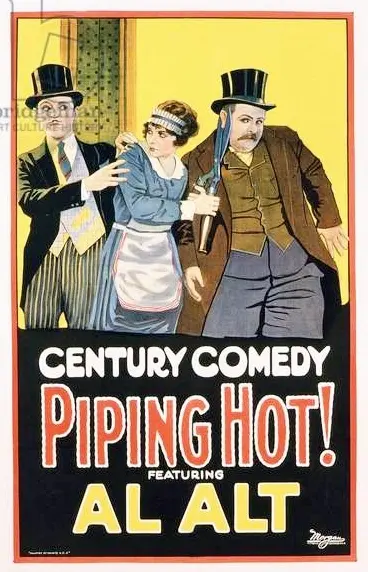
Is Piping Hot a forgotten masterpiece of physical comedy or a reckless relic of a dangerous era? Short answer: It is a fascinating, high-stakes curiosity that proves early cinema was far more experimental and hazardous than we often remember.
This film is for enthusiasts of silent-era slapstick who want to see the bridge between pure vaudeville and the structured chaos of the 1920s. It is definitely not for those who require a cohesive, logical narrative or high-definition visual fidelity.
1) This film works because Al Alt possesses a terrifyingly fluid physicality that makes his 'trance' state feel genuinely dangerous and visually arresting.
2) This film fails because it effectively resets its own logic halfway through, shifting from a surreal dreamscape to a standard plumbing farce with little connective tissue.
3) You should watch it if you enjoy the raw, unpolished energy of pre-code slapstick where safety standards were clearly non-existent and the gags were fueled by genuine peril.
If you are looking for a quick, visceral hit of 1920s adrenaline, Piping Hot is absolutely worth twenty minutes of your time. Unlike the more polished features of the era like Manhattan, this short film feels like a fever dream captured on celluloid. The opening sequence alone, featuring a drunken Al Alt shooting an apple off his friend's head, sets a tone of reckless abandon that modern cinema simply cannot replicate due to insurance liabilities. It is raw, it is gritty, and it is occasionally quite funny.
The first half of Piping Hot is its most compelling. Director Charles Lamont utilizes the 'drunken trance' as a vehicle for high-wire tension. When Al steps out onto a wire rope high above the street, the film moves away from comedy and into the realm of the surreal. There is a specific moment where Al’s friend and an undertaker—a grimly comedic addition—watch from across the street, expecting a tragedy. The tension is real. The height is real. The lack of a safety net is palpable.
The visual of Al descending on a safe is a stroke of genius. It subverts the expectation of a fall with a slow, mechanical descent that feels both ridiculous and oddly graceful. This sequence shares a certain DNA with the urban exploration found in The Wig-Wag System, but with a much darker, almost nihilistic edge. Al isn't trying to be a hero; he’s just trying to survive his own intoxication.
The transition from the rooftop to the furniture store bed is the film's most 'dream-logic' moment. It suggests that the entire day was a blur of motion, ending in a public display of private rest. It’s a punchy, simple conclusion to a sequence that feels like it could have been a standalone short. This is where the film’s pacing is at its peak—fast, erratic, and uncompromising.
The second act of the film feels like a different production entirely. We move from the heights of the city to the interior of a luxury home. Here, Al and his buddy are plumbers, a role that was a staple of the era, much like the characters in The Poor Boob. The destruction they cause is systematic and escalating. Breaking a pipe is the catalyst, but the true comedy comes from the social friction.
The inclusion of the bathing woman who demands the water stay on is a classic silent film trope. It pits the 'needs of the many' (the residents getting flooded) against the 'needs of the one' (the woman’s bath). It’s a bizarre, selfish motivation that drives the final chaotic set-piece. The sight of residents being washed into the street is a testament to the practical effects of the time—thousands of gallons of water were clearly used to achieve the effect.
However, this section lacks the unique 'trance' energy of the first half. It feels more like a standard rehearsal for the kind of destruction Charles Lamont would later perfect in his career. While the first half felt like a precursor to the surrealism of Looney Lens: Pas de deux, the second half is grounded in the bread-and-butter slapstick of the time. It’s effective, but less original.
Charles Lamont’s direction is functional but clever in its use of perspective. During the wire-walking scene, the camera placement emphasizes the drop, making the viewer feel the same 'horror-struck' sensation as the characters on screen. The pacing in the first ten minutes is relentless. There are no wasted frames as Al moves from the William Tell gag to the barber-shop shave to the truck-hopping.
The cinematography in the plumbing sequence is more static, relying on the physical comedy of the actors to fill the frame. Compared to the more fluid camera work seen in contemporary European films like Anita Jo or the atmospheric Dämon und Mensch, Piping Hot is very much an American product: focused on the 'gag' above all else. The lighting is flat, the sets are functional, and the focus is entirely on the kinetic energy of the performers.
Al Alt is the unsung hero here. His ability to maintain a 'blank' expression while performing dangerous stunts is his greatest asset. In the scene where he shaves himself while walking down a busy street, his nonchalance is what makes the gag work. It’s not just that he’s shaving; it’s that he’s doing it with the focus of a man in his own bathroom while navigating a world of moving vehicles.
This 'unflappable' persona is a direct contrast to the more emotive styles of performers in films like The Masquerader. Alt isn't looking for sympathy; he’s a force of nature. When he is finally kicked out by the angry residents at the end, his exit is as unceremonious as his entrance. He is a comedic cipher, a man to whom things happen, and who causes things to happen, without ever truly changing.
Pros:
Cons:
Piping Hot is unique because it combines high-wire urban stunts with domestic 'destruction' comedy in a single short film. Most comedies of the 1920s chose one lane: either the 'thrill comedy' of Harold Lloyd or the 'incompetent worker' comedy of Laurel and Hardy. This film attempts both. It uses a drunken trance as a narrative excuse for Al Alt to perform life-threatening wire walks before transitioning into a plumbing disaster that floods an entire street. This hybrid approach gives the film an erratic, unpredictable energy that keeps modern viewers engaged.
Piping Hot is a wild ride. It is a film that doesn't care about its own internal consistency, and that is its greatest strength. It moves from a near-death experience on a wire to a barber-shop shave to a plumbing catastrophe with the logic of a nightmare. While it may not have the poetic soul of Still Waters or the narrative weight of Et Syndens Barn, it excels at what it was built for: providing a visceral, funny, and slightly terrifying spectacle.
"It works. But it’s flawed. The film is a reminder that in 1924, the line between a comedy set and a construction site was razor-thin."
If you can find a restored print, watch it for Al Alt’s deadpan bravery. Even in its most ridiculous moments, there is a sense that the actors were having the time of their lives—or at least, they were lucky to survive the day. It’s a messy, wet, and dangerous piece of history that deserves a look from any serious cinephile.
IMDb 5.3
1929
Community
Log in to comment.