DbcultAccessing Vault...
4.7/10
Senior Film Conservator
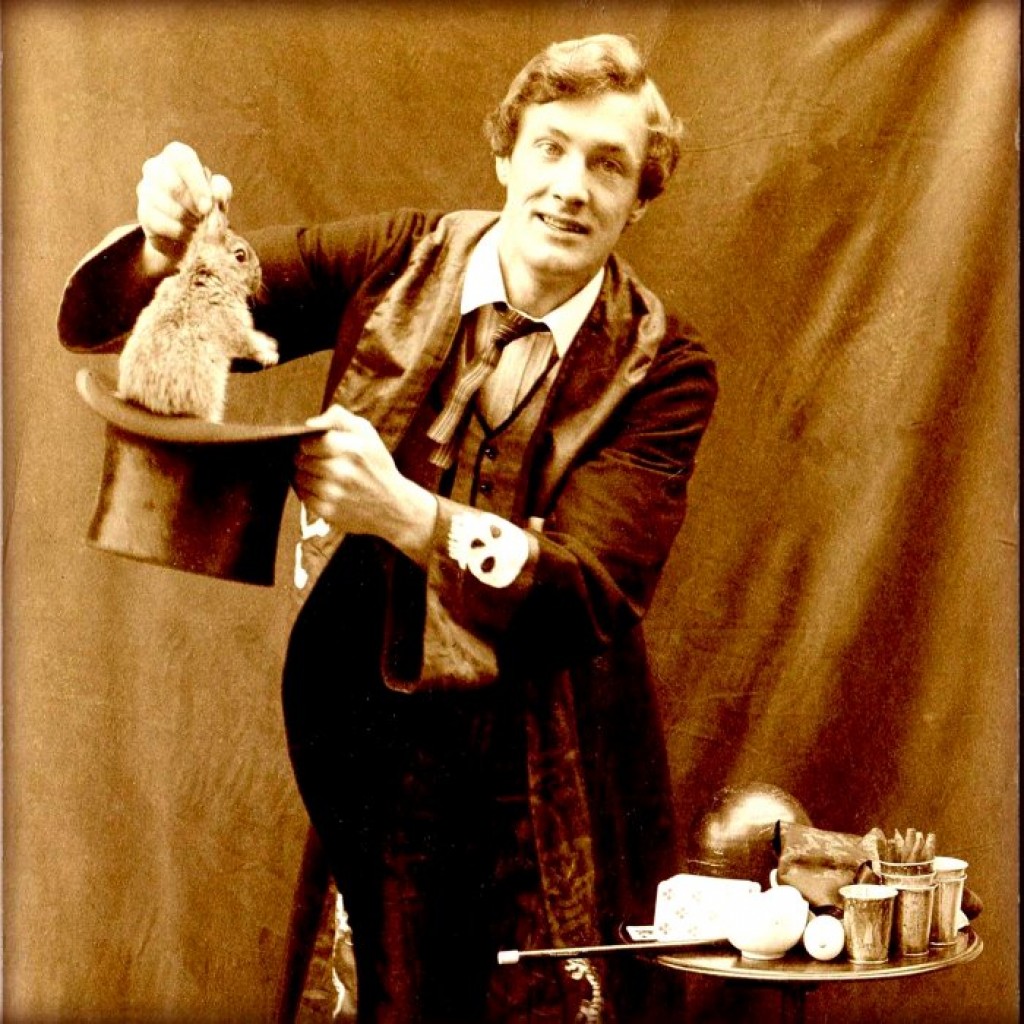
A definitive 4.7/10 rating for a film that redefined the boundaries of cult cinema. The Great London Mystery remains a cornerstone of transgressive art.
The curtain rises on a London that never quite existed, cobbled together from cigarette smoke and vaudeville posters. Director Charles Raymond, also the scenarist, treats the city like a collapsible top-hat: one squeeze and out pops a dragon, or a suffragette, or a jittery opium courier.
David Devant—yes, the actual monarch of the Egyptian Hall—floats through this phantasmagoria with the unruffled calm of a man who has already sawed himself in half and lived to tell. His persona here is less character than conjurer-as-narrator, a meta-trick that keeps the plot forever off-balance. When he twirls a cane, the camera pirouettes; when he bows, the frame skips a sprocket hole, as though cinema itself is applauding.
Let’s confront the elephant—or should I say the paper dragon—in the room. The antagonist is billed only as “The Chinaman,” a choice that reeks of 1919 shorthand for inscrutable evil. Yet the film cannily refuses him a face; we see silk sleeves, jade cufflinks, a plume of incense, never eyes. The omission feels both cowardly and perversely avant-garde: xenophobia turned into vaporware.
Compare this to the flamboyant Chinese magician in Howling Lions and Circus Queens, who at least owned his menace with dialogue cards dripping in sarcasm. Here, the void is the villain, and perhaps that is the greater insult—an entire culture reduced to negative space.
Lady Doris Stapleton, played by the eponymous aristocrat, enters in a motor-car the color of absinthe. Her pearls clack like castanets when she learns of her brother’s abduction. Instead of fainting, she pockets a pistol small enough to be a cigarette case. Throughout the film she trades gowns for dockworker coats, each disguise a protest against the damsel trope. In one luminous sequence she struts through Limehouse in male evening dress, top-hat tilted at a rakish angle; the street urchins genuflect, unsure whether to wolf-whistle or salute.
If you thrilled to Mary Pickford’s gender-bending spunk in The Poor Little Rich Girl, Doris offers a harder edge—aristocratic steel sharpened on East-End cobblestones.
Cinematographer Lester Gard shoots London like a fever dream sponsored by phosphorus. He double-exposes skylines so that the Thames appears to run uphill; he cranks the camera backward to make Devant’s silk scarves snap back into his palm like homing pigeons. Smoke bombs detonate in canary-yellow plumes that linger like guilt. The result feels closer to later German expressionism than to contemporary British crime quickies such as Loot.
Watch for the moment when Devant levitates a bobby helmet. Gard cuts to a low angle, the helmet eclipsing the moon, turning the London orb into a conjurer’s coin. A simple matte line wiggles, but the poetry lands: authority upended by whimsy, empire-as-trick.
Kenneth Duffy plays Cecil, a bespectacled sidekick whose sole purpose is to inhale the tension and exhale levity. His trousers fall at perfectly inconvenient moments; his attempts to mimic Devant’s flourishes end with pigeons nesting in his hair. Yet the performance never topples into full slapstick—more the dry, self-deprecating breeze that British clowns would later refine. Imagine Buster Keaton with a public-school accent and a fear of pigeons.
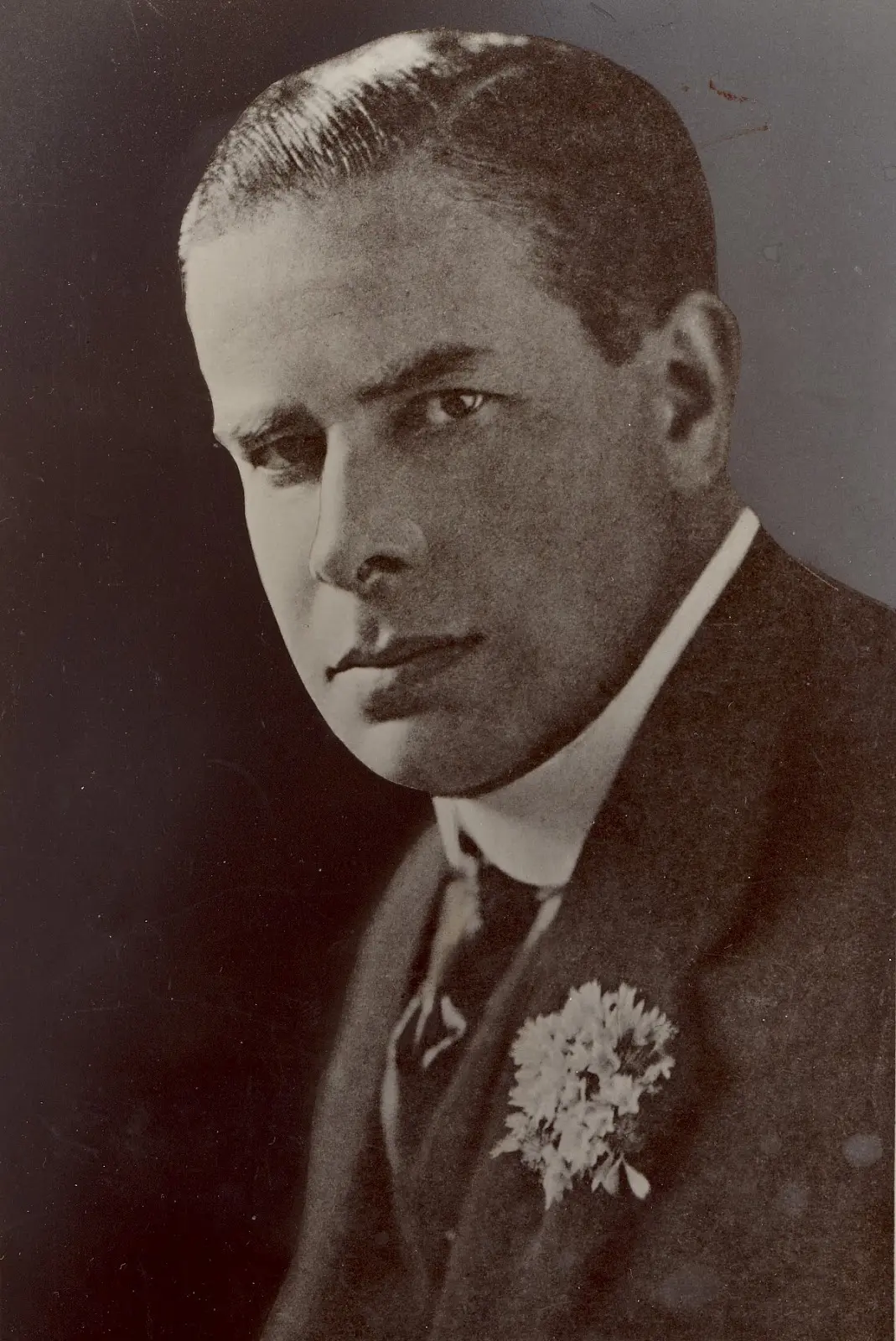
Hope Loring’s intertitles deserve a bow. She salts them with Cockney rhyming slang, music-hall puns, and the occasional haiku. One card reads: “Chinatown breathes in jade smoke / Out exhale a brother’s scream / Tonight the moon is loaded.” The words flash like switchblades, forcing the audience to read rhythmically, almost musically.
Most prints of the film disappeared in the 1924 Imperial Film Library fire, leaving only a 46-minute abridgement in a Dutch archive. The missing reels are rumored to contain an on-stage decapitation illusion that reportedly made a Brighton matinee audience stampede. We are left to imagine what wonders—or horrors—vanished with those ashes.
In that absence, the extant cut feels like a magic trick half-completed: the pledge and the turn survive, but the prestige is forever suspended, a rabbit forever in the hat. Cine-mystics may liken it to Destiny’s Toy, another lost fragment that promises cosmic answers it can no longer deliver.
Seen today in a vaulted cinema with a live accompanist, the film vibrates like a beehive. Each flicker of emulsion releases a faint whiff of vinegar—the celluloid announcing its mortality. When the villain’s shadow looms, the pianist pounds a diminished chord; the audience inhales as one organism. Silence becomes a character, a co-conspirator.
Notice how Lady Doris rescues the magician as often as he rescues her. Their final handshake—no kiss—is a contract of equals, sealed under the blinking eye of a neon dragon. For 1919, this is radical. Compare it to the kitchen-bound reconciliation in Back to the Kitchen, where the heroine’s reward is a mop and a husband.
Modern viewers will bristle at the conflation of Chinatown with criminality, at the nameless Asian bogeyman. Yet the film also lampoons British hubris: Scotland Yard detectives trip over their own capes; a titled buffoon mistakes soy sauce forChartreuse. The critique is accidental, but it leaks through the lacquer like damp on silk.
In the coda, Devant steps out of character, doffs his hat to the camera, and tosses a card that reads, “Everything you saw was a trick, except the part where you believed.” The frame irises shut on his smile, leaving us suspended between knowledge and wonder—a liminal spell that only silent cinema can cast.
Is it a masterpiece? Hardly. Its politics creak louder than the plot gears. Yet its images—those phosphorus skylines, that moon-coin helmet—brand themselves onto the retina. It is a lantern slide aimed at the subconscious, equal parts racist caricature and proto-feminist fable, a film that vanishes even as you watch, leaving behind the unmistakable scent of gunpowder and jasmine.
If you chase the thrill of lost illusions, follow the trail through Out of the Darkness or the carnival chaos of Stop, Look and Listen. But remember: every screen is a magic cabinet, every spectator the next volunteer.
IMDb —
1924
Community
Log in to comment.