DbcultAccessing Vault...
Cult Review
Senior Film Conservator
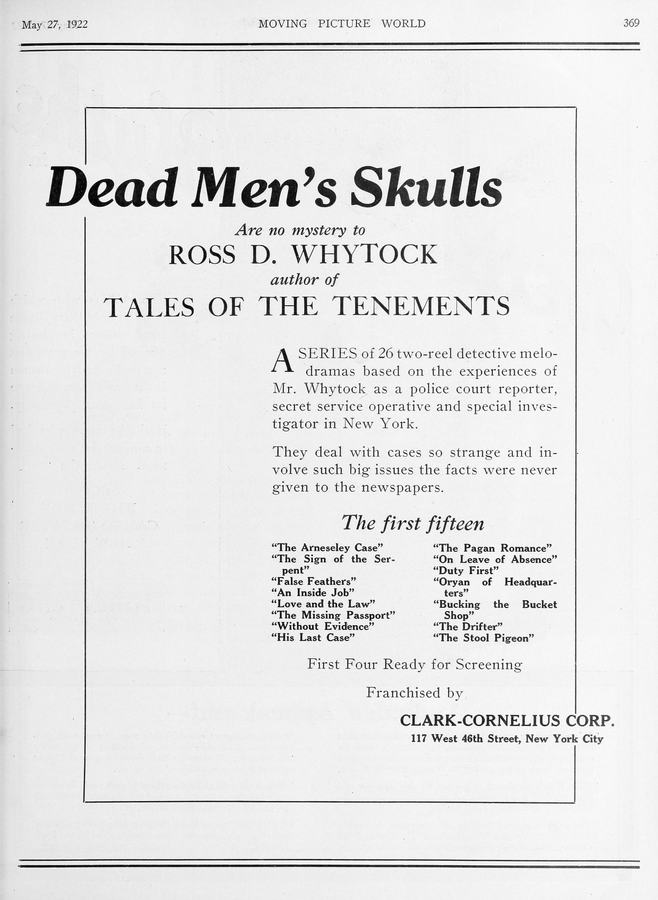
In the pantheon of early twentieth-century cinema, few works manage to capture the claustrophobic intersection of poverty and criminality with the surgical precision found in An Inside Job. This is not merely a relic of a bygone age; it is a vital, breathing piece of social commentary that utilizes the silent medium to amplify the unspoken anxieties of the working class. While contemporary audiences might be accustomed to the high-octane pyrotechnics of modern capers, there is a profound, lingering dread in the way Ross D. Whytock constructs this narrative. It feels less like a film and more like a confession, whispered through the flickering grain of 35mm celluloid.
The film’s aesthetic choices are deeply rooted in the transition from the theatrical staginess of the early 1910s to a more nuanced, cinematic realism. When we look at works like The Manxman, we see a similar fascination with the internal lives of characters trapped by their circumstances. However, An Inside Job strips away the romanticism, replacing it with a cold, almost clinical observation of human frailty. The shadows here are not just a lack of light; they are characters in their own right, encroaching upon the protagonists with an inevitability that mirrors the encroaching industrialization of the era.
Walter Miller’s presence on screen is nothing short of magnetic. In an era where many actors relied on broad gestures to convey emotion, Miller opts for a terrifying stillness. His eyes serve as the film's moral compass, reflecting a soul that is being slowly hollowed out by the demands of his environment. This performance stands in stark contrast to the more flamboyant turns seen in The Jury of Fate, where fate is a theatrical force. In Miller’s hands, fate is a series of small, regrettable choices that coalesce into a tragedy of errors.
Nellie Burt provides the perfect foil to Miller’s brooding intensity. Her performance is imbued with a sense of domestic urgency that elevates the stakes from a simple robbery to a fight for survival. There is a specific scene, involving a shared glance across a dimly lit kitchen, that conveys more narrative weight than a dozen intertitles ever could. It is this reliance on visual storytelling that makes the film feel so modern. It shares a thematic kinship with The Little Grey Mouse, yet it possesses a sharper edge, a more cynical outlook on the possibility of redemption.
Ross D. Whytock, acting as both writer and cast member, demonstrates an uncanny ability to subvert audience expectations. The title itself, An Inside Job, suggests a standard heist, but the 'inside' refers as much to the internal psychology of the characters as it does to the physical location of the crime. This layered approach to storytelling was revolutionary for its time. While a film like The Kickback might focus on the external mechanics of revenge, Whytock is more interested in the internal corrosion that occurs when one betrays their own principles.
The pacing of the film is deliberate, almost agonizingly so. Every frame is saturated with a sense of impending doom. This isn't the whimsical adventure found in Hides - And Go Seek; it is a descent into a moral abyss. The cinematography utilizes the limited technology of 1915 to create a chiaroscuro effect that highlights the duality of the characters. We see the light of their aspirations constantly being extinguished by the dark reality of their actions. It reminds me of the visual starkness found in Slægternes Kamp, though applied to a much more intimate, domestic setting.
To view An Inside Job as merely a crime drama is to do it a massive disservice. It is a searing indictment of the class divide. The 'job' is a necessity born of a system that offers no safety net, a theme that resonates just as strongly today as it did over a century ago. It lacks the pastoral nostalgia of The Cradle of the Washingtons, choosing instead to wallow in the grit of urban survival. This film doesn't look back with longing; it looks forward with a grim determination.
The moral complexity of the film is what truly sets it apart. There are no easy villains here. Even those who orchestrate the betrayal are presented with a degree of empathy that is genuinely surprising. We see the echoes of this nuanced characterization in La serpe, where the lines between protagonist and antagonist are perpetually blurred. In An Inside Job, the true antagonist is the environment itself—the invisible walls that keep the characters trapped in a cycle of desperation.
Technically, the film is a marvel of its era. The editing, often attributed to Whytock’s keen eye, uses cross-cutting to build tension in a way that was pioneering. By jumping between the preparation for the heist and the domestic life of the characters, the film creates a rhythmic pulse that mirrors a beating heart. This technique is far more sophisticated than the linear progression found in Sold at Auction or the somewhat episodic nature of The Ordeal of Elizabeth.
The use of close-ups is particularly noteworthy. Whytock understands that in a silent film, the human face is the most powerful tool available. The camera lingers on Miller’s hands as they tremble, or on Burt’s face as she realizes the extent of the deception. These moments are far more effective than any dialogue could hope to be. It possesses a gravitas that makes a film like Angel Child feel like a featherweight in comparison. Even compared to the European sensibilities of Liliomfi, there is an American ruggedness here that is uniquely compelling.
As we reflect on the legacy of An Inside Job, it is clear that its influence extends far beyond the silent era. It laid the groundwork for the film noir movement of the 1940s, establishing the tropes of the disillusioned hero and the corrupting influence of the city. While it may not have the sweeping historical scope of Drakonovskiy kontrakt, its focus on the micro-tragedies of everyday life gives it a timeless quality. It is a film that demands to be seen, not as a curiosity, but as a serious work of art.
In the end, the film leaves us with more questions than answers. Is redemption possible once the 'inside job' has been committed? Can trust ever be fully restored? These are the questions that haunt the final frames. Unlike the more definitive resolutions of Martha's Vindication or the hopeful notes of A Fresh Start, An Inside Job offers no easy comfort. It is a stark, uncompromising look at the human condition, delivered with a sophistication that belies its age. It is, quite simply, essential viewing for anyone who cares about the history of cinematic storytelling.
The sheer lexical density of the visual language here is what keeps me coming back. Every time I revisit this film, I find a new shadow, a new gesture, a new layer of meaning that I missed before. It is a testament to the power of the image and the enduring talent of Miller, Burt, and Whytock. In the grand tapestry of film history, this may be a small thread, but it is one of the most intricately woven and vibrant ones we have. It is a reminder that even in the infancy of the medium, filmmakers were already grappling with the most complex aspects of our shared humanity.

IMDb 3.6
1924
Community
Log in to comment.