DbcultAccessing Vault...
6.6/10
Senior Film Conservator
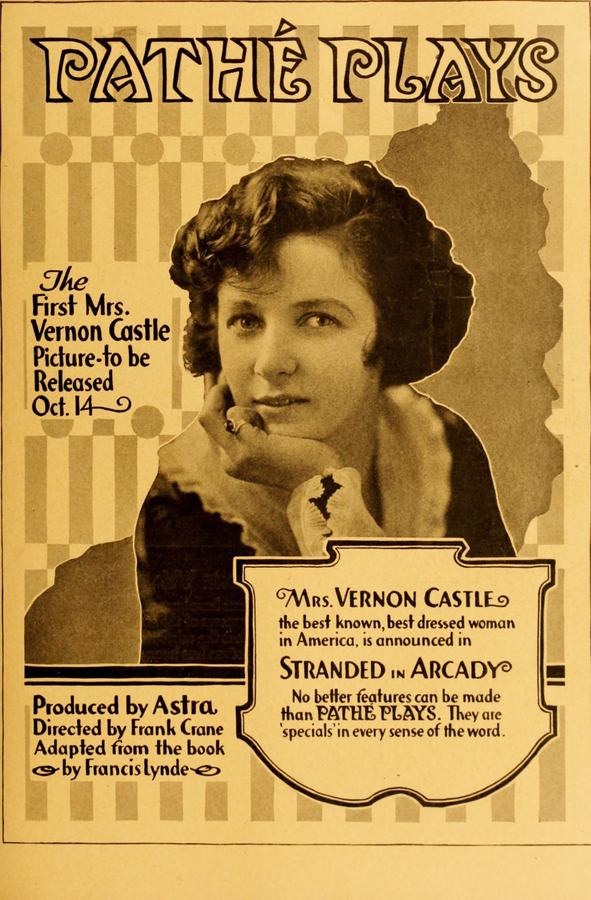
A definitive 6.6/10 rating for a film that redefined the boundaries of cult cinema. Stranded in Arcady remains a cornerstone of transgressive art.
The year 1917 stood as a pivotal juncture in the evolution of American cinema, a period where the medium began to shed its nickelodeon infancy in favor of a more sophisticated, long-form narrative structure. Amidst this transition, Stranded in Arcady emerged as a compelling synthesis of the adventure serial and the burgeoning romantic drama. Directed with a keen eye for the atmospheric potential of the great outdoors, the film serves as a vehicle for the luminous Irene Castle, whose transition from the ballroom to the backwoods signaled a significant shift in her public persona. Unlike the more urban-centric plots found in The Social Pirates, this production leans heavily into the primordial conflict between human agency and the indifferent cruelty of the natural world.
The premise, adapted from the work of Francis Lynde, utilizes the "inheritance at risk" trope—a narrative staple also seen in The Flames of Justice—but imbues it with a psychological depth that was rare for its time. We are introduced to Lucy Millington, portrayed by Castle with a flinty resolve that defies the era's predilection for the damsel in distress. Her counterpart, Donald Prime, played by the stoic Elliott Dexter, represents the quintessential academic whose theoretical knowledge of life is put to the ultimate test. Their forced proximity in the desolate Arcady is not merely a plot device for physical danger; it is a laboratory for character deconstruction. Much like the protagonists in Down to Earth, they must unlearn their societal prejudices to survive the raw reality of their environment.
The visual language of Stranded in Arcady is remarkably advanced, utilizing location shooting to establish a sense of verisimilitude that studio sets simply could not replicate. The cinematography captures the vastness of the woods with a grandeur that rivals the sweeping landscapes of 'Neath Austral Skies. When our protagonists are thrust into the "perilous waters" of a canoe trip, the camera work manages to convey a visceral sense of kinetic energy. This isn't the staged, theatrical peril of Parsifal; it is a gritty, splashing struggle against the current that remains impressive over a century later.
The use of light and shadow in the forest sequences creates a chiaroscuro effect that mirrors the internal turmoil of the characters. As night falls over their makeshift camp, the flickering firelight illuminates the softening of Lucy’s hard-edged cynicism. It is in these quiet, sequestered moments that the film finds its heart. While films like Public Opinion focused on the scrutiny of the masses, Stranded in Arcady focuses on the scrutiny of the self. The absence of a surrounding society forces a radical honesty between the two leads, a thematic depth that elevates the film above standard pulp fare.
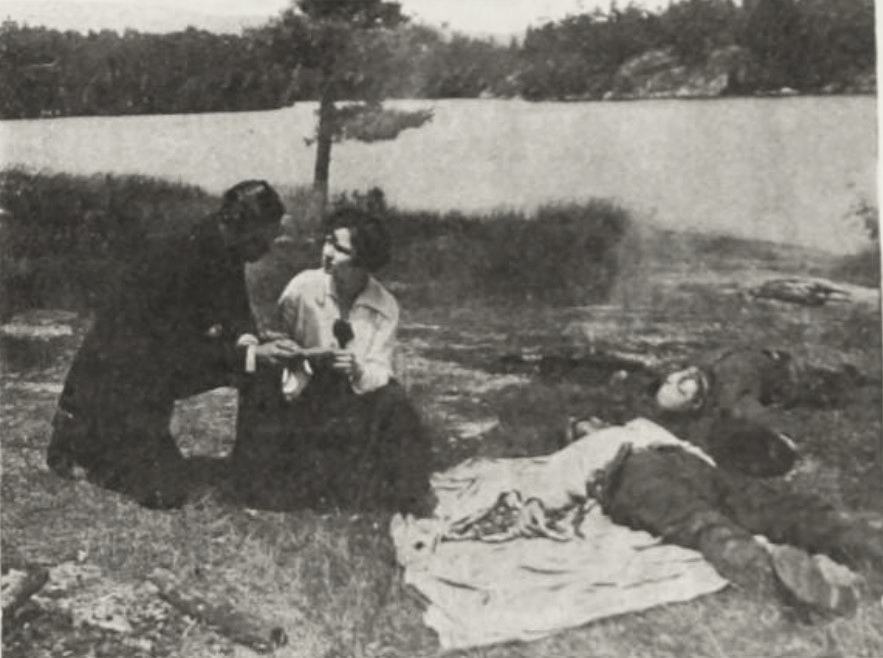
Irene Castle, primarily known as a fashion icon and dancer, delivers a performance of surprising grit. Her Lucy Millington is not looking for a savior; she is looking for an equal. This proto-feminist undercurrent is a fascinating aspect of the film’s DNA, making it a spiritual cousin to The Girl Who Won Out. Castle’s physical grace, usually reserved for the dance floor, is here redirected into the athleticism required for survival. Whether she is navigating the brush or confronting outlaws, there is a rhythmic precision to her movements that commands the frame.
Elliott Dexter provides the perfect foil. His Donald Prime begins as an insufferable pedant, his "authority" on women being entirely academic and largely erroneous. The irony of a man who writes books about women being utterly confounded by a real one is played with just the right amount of understated humor. His transformation from a man of letters to a man of action is handled with a gradual realism that avoids the pitfalls of sudden, unearned heroism. Their chemistry is a slow burn, built on shared trauma and mutual respect, a far cry from the instantaneous, often shallow romances found in The Love Girl.
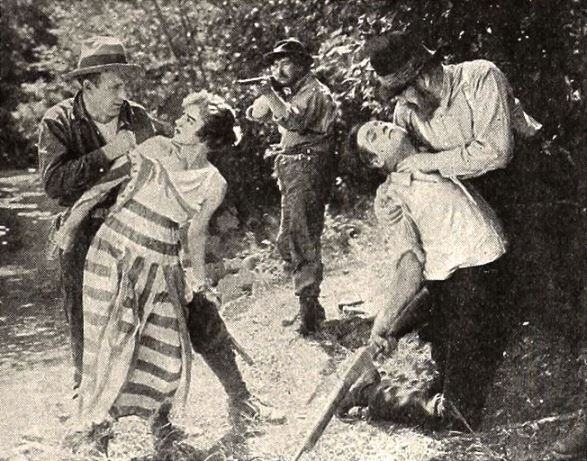
The screenplay by Philip Bartholomae and Francis Lynde is a masterclass in escalating tension. The discovery of the kidnapping plot—a scheme to keep the heirs in captivity until their rivals can deposit the fortune—introduces a ticking-clock element that drives the second half of the film. This urgency is reminiscent of the high-stakes maneuvering in The Lone Wolf, though the setting here is far more primal. The encounter with the band of outlaws adds a layer of external conflict that prevents the middle act from sagging, ensuring that the characters are constantly besieged from both the environment and human malice.
The pacing of the final act is particularly noteworthy. The transition from the rugged wilderness back to the sterile, wood-paneled office of the lawyer is jarring, highlighting the dichotomy between the authentic life they lived in Arcady and the artificial world of legalities and inheritances. The "nick of time" resolution is a classic silent film trope, yet it feels earned here because of the sheer physical toll the journey has taken on the protagonists. Unlike the tragic undertones of Les Misérables, Part 2: Fantine, Stranded in Arcady opts for a triumphant, life-affirming conclusion that rewards the characters' "pluck and daring."
At its core, the film explores the concept of "Arcady" not as a physical place, but as a state of being—a return to a simpler, albeit more dangerous, existence where the true self is revealed. This theme of pastoral transformation is a recurring motif in early 20th-century literature and film, often serving as a critique of the perceived decadence and deception of modern urban life. While On the Banks of Allan Water uses its setting for more traditional melodrama, Stranded in Arcady uses it for character evolution.
The film also touches upon the fragility of social status. One moment, Lucy and Donald are people of means and reputation; the next, they are nameless wanderers fighting for their next meal. This precariousness of identity is a common thread in silent-era thrillers, including The Tide of Death. However, Bartholomae’s script ensures that the characters do not merely survive; they thrive by adapting. This resilience is what ultimately makes the romantic conclusion feel like a logical progression rather than a generic requirement. Their visit to the justice of the peace is not just a marriage of convenience or social expectation; it is a union of two people who have seen each other at their most vulnerable and found strength in that vulnerability.
Stranded in Arcady remains a fascinating artifact of its time, offering more than just historical curiosity. It is a well-constructed adventure that balances physical thrills with a surprisingly nuanced look at gender dynamics. While it may lack the operatic scale of Anime buie or the domestic complexity of The Prima Donna's Husband, it possesses a rugged charm and a sincerity that is infectious. The collaboration between the cast and the creative team resulted in a film that transcends its pulp origins, providing a timeless meditation on the transformative power of nature and the enduring strength of the human spirit. For those seeking to understand the breadth of silent cinema beyond the well-trodden paths of Griffith or Chaplin, this wilderness odyssey is an essential and rewarding detour.
In the final analysis, the film stands as a testament to the era's ability to weave complex human emotions into the fabric of popular entertainment. It reminds us that even a century ago, audiences were hungry for stories that challenged the status quo, even if those challenges were wrapped in the familiar guise of an adventure serial. Stranded in Arcady is not just a story of an inheritance found; it is a story of two people finding themselves in the most unlikely of places. It is a cinematic journey worth taking, a vivid reminder of the power of "pluck and daring" in a world that often feels as desolate and dangerous as the backwoods of Arcady themselves.
IMDb 5.5
1918
Community
Log in to comment.