DbcultAccessing Vault...
Cult Review
Senior Film Conservator
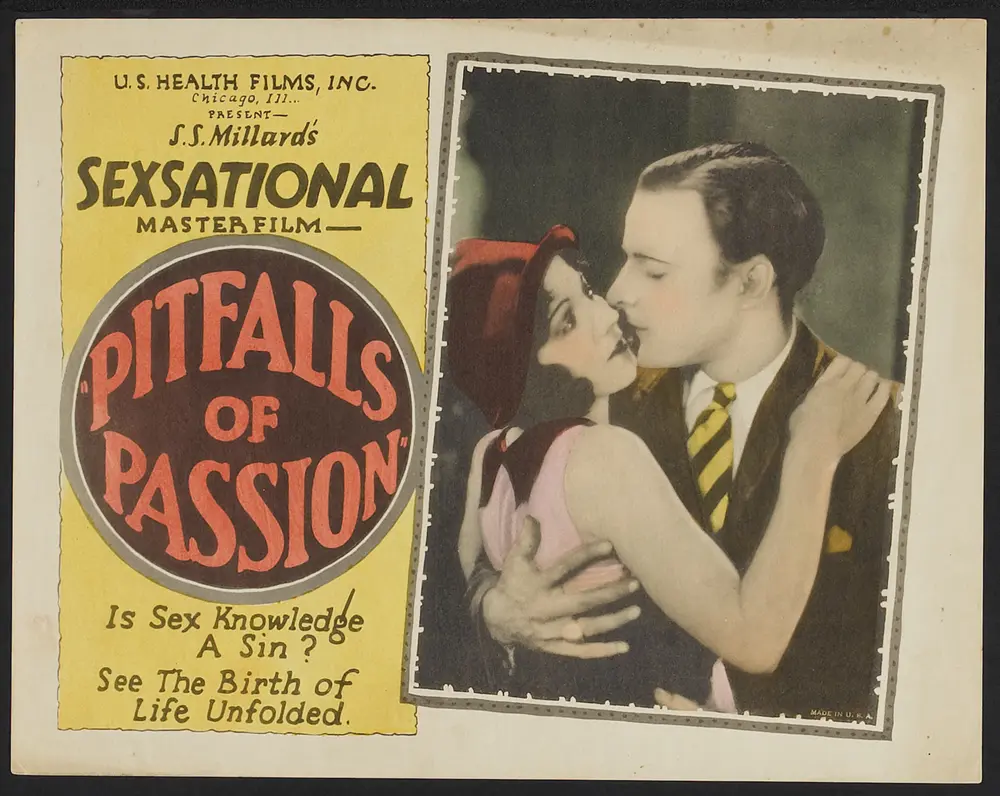
Is Pitfalls of Passion worth watching today? Short answer: yes, but prepare for a challenging experience. This isn't a film for the faint of heart, nor for those seeking a lighthearted escape; it's tailor-made for cinephiles interested in the raw, unflinching narratives of the silent era and those who appreciate moral complexity, however bleak. If you shy away from uncomfortable truths or prefer clear-cut heroes, this film is decidedly not for you.
This rarely seen 1920 drama, a product of a nascent Hollywood grappling with social issues, delivers a gut punch that few contemporary films dare to attempt. It’s a relic, yes, but one that hums with a dark, unsettling energy, proving that silence can be deafening.
This film works because: Its unflinching honesty and the raw power of its performances, particularly De Sacia Mooers, elevate a simple premise into a gut-wrenching human drama that refuses to shy away from the consequences of its characters' choices.
This film fails because: Its relentless bleakness, while thematically resonant, can be emotionally exhausting, and some may find Jimmy's character arc too simplistic in its villainy, lacking the nuanced internal conflict that might make his ultimate betrayal more psychologically compelling.
You should watch it if: You are fascinated by the darker side of human nature, appreciate the expressive power of silent film acting, and are willing to confront a story without easy answers or redemption, understanding that sometimes, tragedy is the only resolution.
Pitfalls of Passion opens with the familiar trope of young lovers, Jimmy and May, yearning for a life beyond the monotonous rhythm of the farm. Their escape to the city, however, isn't painted with the usual romantic hues of newfound freedom. Instead, it quickly devolves into a grim illustration of urban disillusionment. The film wastes little time in dismantling their initial optimism, showing Jimmy's ambition erode with alarming speed, replaced by a toxic blend of idleness and resentment towards May.
The true horror of the narrative isn't just the poverty they face, but Jimmy's moral collapse. His decision to sell May into a brothel is not merely a plot point; it’s a seismic shock, a moment of such profound cruelty that it redefines the entire film. It’s a betrayal so absolute, rendered without a single spoken word, that it speaks volumes about the depths of human depravity and desperation.
From this point, the film splits their paths, following May into the dehumanizing world of the brothel and leaving Jimmy to a life of escalating crime. The narrative structure, while linear, feels like a tightening noose. We are not given a reprieve, no moments of lightness to soften the blow. The city, often romanticized as a place of opportunity and liberation, here becomes a crucible, melting away decency and replacing it with a cold, transactional reality.
The climax, the chance encounter in the hospital, is a masterclass in silent film tragedy. Jimmy, wounded and hunted, stumbles into a ward to find May, not as the vibrant young woman he abandoned, but as a shell, ravaged by disease—a direct, physical manifestation of his betrayal. It's a brutally poetic convergence, where the consequences of his actions are laid bare, undeniable and horrifying. This isn't just a story of two people; it's a stark commentary on societal neglect and the devastating price of moral bankruptcy.
The success of any silent film hinges almost entirely on its actors' ability to convey complex emotions without dialogue, and Pitfalls of Passion is a testament to this art form. Larry O'Dell, as Jimmy, faces the unenviable task of portraying a character who transforms from a seemingly charming, if naive, lover into a truly despicable figure. Initially, O'Dell imbues Jimmy with a youthful restlessness, a spark that makes his desire to escape the farm believable. However, as the city's harsh realities set in, his performance subtly shifts. His expressions grow sullen, his body language increasingly withdrawn, until the moment of betrayal, where a flicker of desperation, perhaps even self-loathing, crosses his face before hardening into cold resolve.
O'Dell’s portrayal of Jimmy’s moral decay is less a sudden plunge and more a gradual erosion, making his ultimate act all the more chilling. He doesn't play Jimmy as a cartoon villain, but as a weak man overwhelmed by circumstances and his own lack of character. This nuance, however faint, prevents Jimmy from becoming a mere caricature, even if his motivations could have benefited from further exploration.
Yet, it is De Sacia Mooers as May who truly anchors the film with a performance of staggering pathos. Her transformation is heart-wrenching. We see her initial hope and innocence, her youthful exuberance in fleeing to the city with Jimmy. Mooers conveys May’s growing unease and eventual despair with a delicate touch, her eyes, in particular, becoming windows to a soul slowly being crushed. The scene where she is effectively sold, her wide-eyed confusion giving way to dawning horror, is incredibly powerful. She doesn’t scream; her silent agony is far more impactful.
The final hospital sequence is where Mooers delivers her most devastating work. Ravaged by illness, her May is almost unrecognizable—gaunt, defeated, her gaze vacant. The way she carries herself, the slow, deliberate movements, speak volumes about the physical and emotional toll of her degradation. It’s a performance that transcends the limitations of the silent medium, conveying a profound sense of loss and suffering that resonates long after the credits roll. She makes May's tragedy feel intensely personal, a silent scream against the injustices inflicted upon her. Her ability to communicate such profound suffering without uttering a single syllable is a testament to her skill and the raw power of silent film acting.
Leonard Livingstone's direction in Pitfalls of Passion is marked by its directness and an almost brutal efficiency in storytelling. There's little room for flourish; instead, the focus is squarely on conveying the narrative's grim trajectory. Livingstone understands the visual language of silent cinema, utilizing close-ups to emphasize emotional states and wider shots to establish the oppressive urban environment.
The cinematography, while not groundbreaking for its era, effectively serves the film's bleak tone. Early scenes of the farm, though fleeting, likely use natural light to suggest a simpler, if dreary, existence. Upon arrival in the city, the shift is palpable. The urban landscape is often depicted with a sense of anonymity and overwhelming scale, making May and Jimmy feel small and vulnerable. Consider, for instance, the way the camera might frame May in the brothel: perhaps a slightly low angle, emphasizing the imposing figures of the madam and pimp, or a cramped shot that underscores her lack of freedom.
One particularly effective visual choice is the stark contrast between May’s initial appearance and her final state in the hospital. This isn't just a matter of makeup; it’s about how she is framed, the lighting used to highlight her emaciation and the shadows that cling to her, visually representing her broken spirit. Livingstone doesn’t shy away from showing the grim reality, making the visual degradation a key component of the narrative’s impact. The film’s visual style is unadorned, favoring stark realism over overt artistry, which ultimately enhances its raw emotional punch.
The pacing of Pitfalls of Passion is one of its most striking, and arguably challenging, features. It begins with a deceptively brisk pace, mirroring the youthful eagerness of Jimmy and May to escape. However, this initial momentum quickly gives way to a more deliberate, almost suffocating rhythm once they reach the city. The film doesn't linger on their initial struggles but rather accelerates their descent, making Jimmy's moral compromise feel both sudden and inevitable.
The tone is relentlessly bleak. From the moment Jimmy sells May, any glimmer of hope is extinguished. There's no comic relief, no subplot to offer a respite from the main tragedy. This unwavering commitment to its dark subject matter is both the film's strength and its potential barrier for modern audiences. It doesn’t allow for emotional distance; instead, it forces the viewer to confront the harsh realities unfolding on screen.
The emotional weight of the film is considerable, building steadily towards the devastating hospital reunion. This relentless march towards tragedy, devoid of sentimentality, creates a powerful, almost suffocating atmosphere. It’s an exhausting watch, but intentionally so, designed to leave a lasting impression of the harshness of fate and human cruelty. The film’s ability to maintain such a strong, consistent tone throughout, without dialogue, is a testament to its direction and the power of its visual storytelling.
Yes, Pitfalls of Passion is absolutely worth watching today, especially for those with an interest in silent cinema and social realism. It offers a raw, unflinching look at human nature and societal decay that remains potent. While its themes of betrayal and degradation are universal, its portrayal through the unique lens of early 20th-century cinema provides valuable historical context. The film challenges viewers to engage with its difficult subject matter, rewarding those who do with a profound emotional experience.
Released in 1920, Pitfalls of Passion emerges from an era when cinema was still finding its voice, often grappling with melodramatic narratives that served as moral cautionary tales. This film fits that mold, but with a starkness that elevates it beyond mere sensationalism. It reflects contemporary anxieties about rapid urbanization, the breakdown of traditional values, and the grim realities of poverty and disease in burgeoning cities. The inclusion of 'social diseases' as a consequence for May wasn't just a dramatic device; it was a potent, albeit often stigmatized, public health concern of the time.
What's truly remarkable is how Pitfalls of Passion, despite its age and silent format, manages to feel incredibly modern in its unflinching portrayal of human cruelty and consequence. While many silent films of the period might offer a glimmer of redemption or a more palatable moral lesson, this film largely denies its audience such comfort. Its ending is not about justice, but about the irreversible damage wrought by a single, heinous act.
My unconventional observation here is that the film's brutal honesty, particularly in its depiction of May's fate, actually subverts some of the more saccharine tendencies of early melodrama. It doesn't just present a 'fallen woman' for pity; it shows the direct, physical and emotional cost of her exploitation, a much harder pill to swallow. This makes it a surprisingly radical film for its time, challenging audiences not just to feel, but to confront.
The film's exploration of themes like moral decay, the dehumanizing effects of poverty, and the devastating impact of betrayal are sadly timeless. It forces us to consider the choices individuals make under duress and the ripple effects of those choices on others. In its own way, it speaks to the enduring relevance of stories about human vulnerability and the fragility of dignity, perhaps even more powerfully than some of its more explicit, spoken-word successors. For a deeper dive into films that explore human struggles and moral quandaries, one might consider Prestuplenie i nakazanie, though vastly different in execution, it shares a thematic weight.
Pitfalls of Passion is not an easy film. It is a challenging, often uncomfortable experience that demands emotional investment and a willingness to confront the darkest aspects of humanity. It works. But it’s flawed. Yet, it’s also an undeniable testament to the raw power of early cinema, proving that a story told without words can still scream volumes. De Sacia Mooers' performance alone is worth the price of admission, or rather, the effort of seeking out this obscure gem. This film won't leave you feeling uplifted, but it will leave an indelible mark, forcing you to reflect on the societal and personal 'pitfalls' that remain disturbingly relevant. It's an unforgettable, if painful, journey into the heart of human darkness.
IMDb 7.6
1931
Community
Log in to comment.