DbcultAccessing Vault...
7/10
Senior Film Conservator
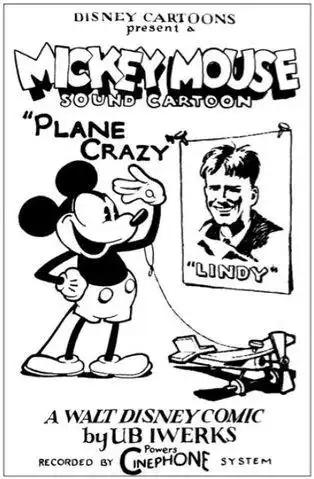
A definitive 7/10 rating for a film that redefined the boundaries of cult cinema. Plane Crazy remains a cornerstone of transgressive art.
Plane Crazy is unequivocally worth watching today for its historical significance, but less so for pure entertainment value. It stands as the very first animated short featuring Mickey Mouse and Minnie Mouse, a foundational piece of cinema history that predates even Steamboat Willie. Animation enthusiasts, film historians, and anyone interested in the origins of one of the world's most iconic characters will find it essential viewing. However, those seeking a light, universally enjoyable cartoon might find its pacing relentless and its central romantic dynamic deeply uncomfortable and dated. If you're looking for a comfortable, modern viewing experience, this isn't it. If you're willing to engage with a piece of animation that reflects its time – for better or worse – then absolutely, give it a look.
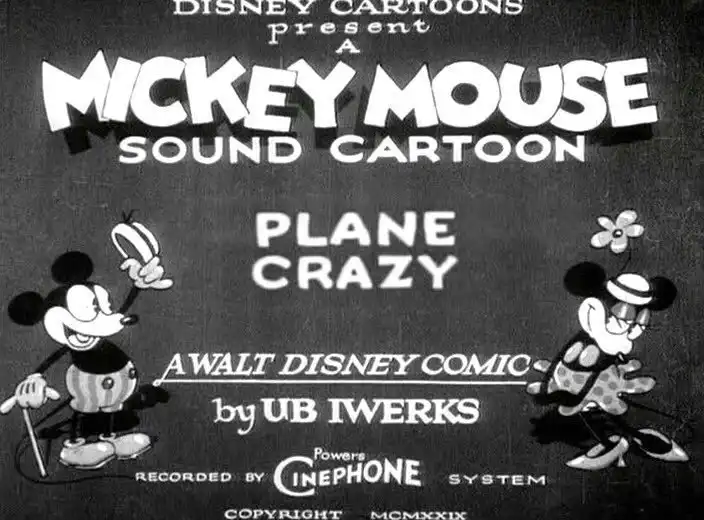
Released in 1928, though it didn't find distribution until after Steamboat Willie, Plane Crazy offers a fascinating glimpse into the nascent stages of Walt Disney's creative vision. Here, Mickey Mouse isn't the wholesome, universally adored figure we know; he's a plucky, somewhat reckless proto-hero, driven by a desire to emulate Charles Lindbergh's recent transatlantic flight. His initial design, particularly his more angular features and smaller eyes, is a stark contrast to his later, softer appearance. Minnie, too, is in her earliest iteration, already established as Mickey's companion but with a far less defined personality beyond her reactions to Mickey's antics.
The short opens with Mickey poring over a book about aviation, a clear nod to the Lindbergh phenomenon. His subsequent attempts to build a plane, using farm animals and their various body parts as structural components, immediately establishes the surreal, slapstick logic that would define early animation. We see a cow's tail used as a propeller, a goat providing engine power, and a dog's collar repurposed as a tire. It’s a sequence that, while brief, is packed with the kind of inventive, almost anarchic energy that would soon captivate audiences.
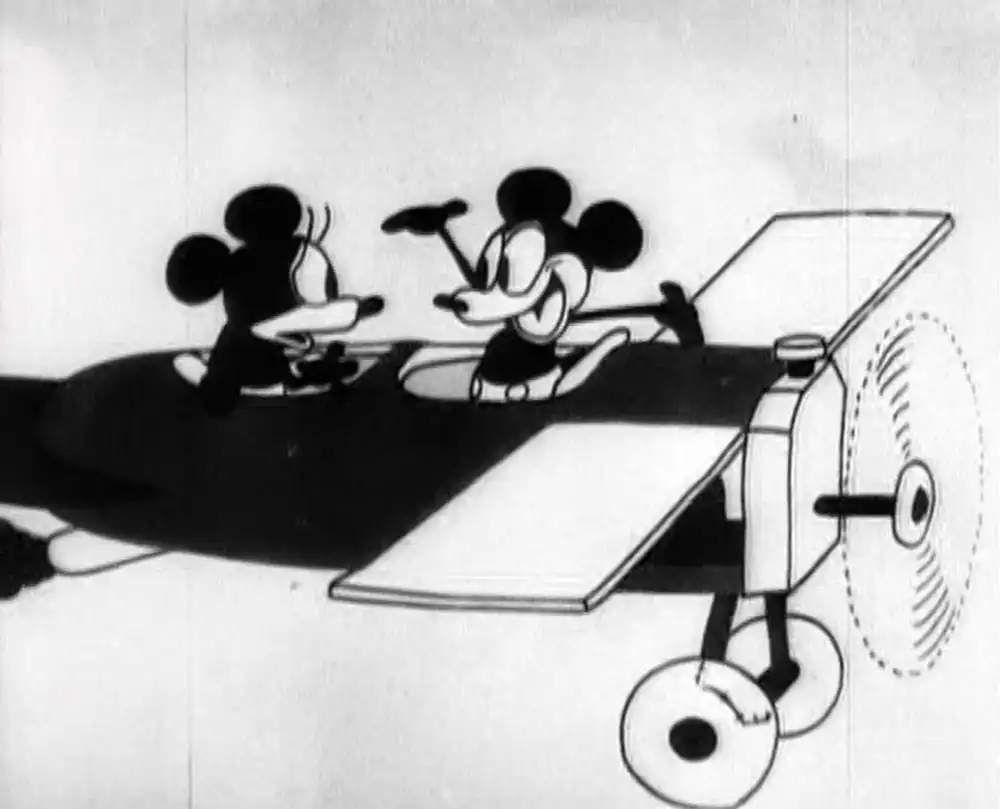
From the moment Mickey's makeshift plane takes off, Plane Crazy adopts a breakneck pace. There's little room for quiet moments or character beats; it's a constant barrage of visual gags and escalating peril. The animation, often referred to as 'rubber hose' style, perfectly complements this frantic energy. Characters stretch, squash, and distort in impossible ways, their limbs acting like elastic bands, allowing for exaggerated movements that underscore the slapstick. The plane itself seems to be held together by sheer willpower and cartoon physics, shedding parts like feathers as it careens through the sky.
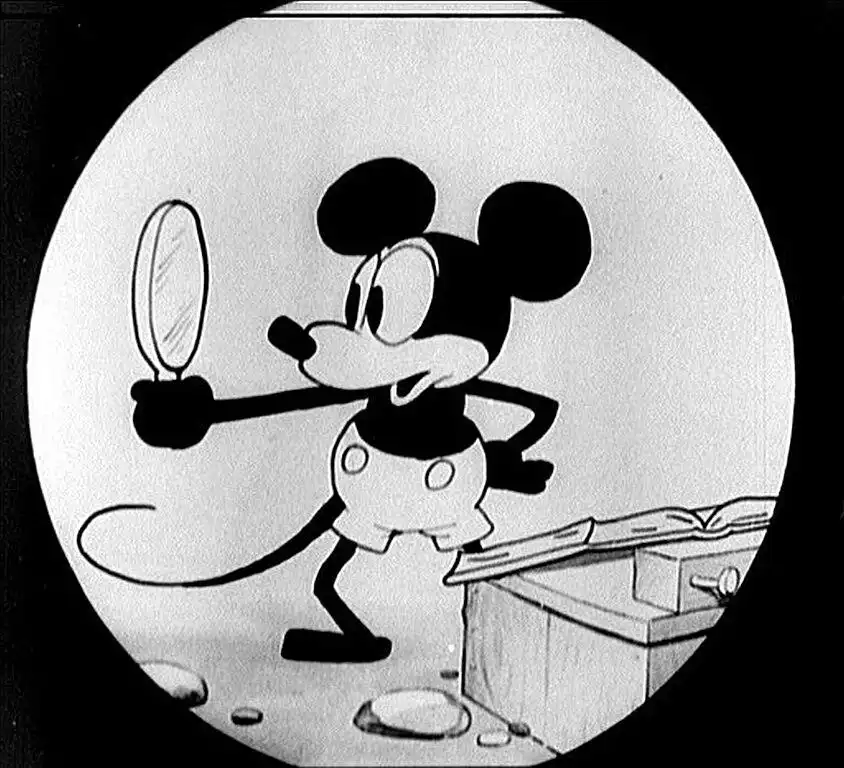
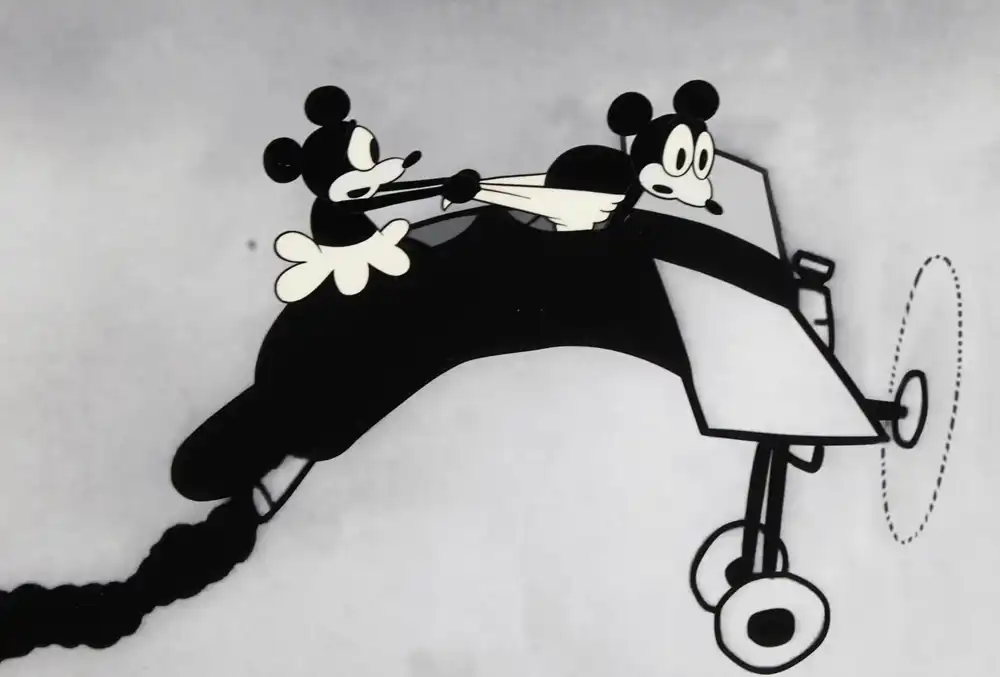
However, the tone shifts into genuinely uncomfortable territory during Mickey's relentless pursuit of a kiss from Minnie. What starts as playful flirtation quickly devolves into something more aggressive. When Minnie objects and bails out of the plane, Mickey uses a rope fashioned from her skirt to reel her back in. He then manipulates the plane's controls, tilting and jerking the aircraft, essentially forcing her lips towards his. It's a sequence that, viewed through a modern lens, is deeply unsettling and highlights the problematic gender dynamics prevalent in early cinema. Minnie's distress is palpable, and the implied coercion casts a shadow over the otherwise whimsical antics. This particular moment is a stark reminder of how much cultural sensibilities have evolved since 1928, making the short a valuable, if sometimes difficult, historical document.
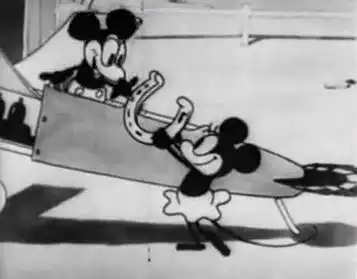
Despite its brevity, Plane Crazy is rich with visual ingenuity. The hand-drawn animation, while rudimentary by later Disney standards, is remarkably fluid and expressive for its time. The backgrounds are sparse, ensuring that the focus remains squarely on the characters and their actions. One particularly memorable gag involves the moon, depicted with a distinct face, reacting with annoyance as Mickey's plane narrowly misses it. It's a charming touch that personifies the environment, a common trope in early cartoons that adds to their playful, surreal quality.
The sequence where the plane begins to literally dismantle itself mid-flight, with individual nuts, bolts, and even the wings detaching and falling away, is executed with impressive comedic timing. Each piece's departure adds to the mounting chaos, forcing Mickey into increasingly desperate maneuvers. The visual of Minnie using her skirt as a parachute after jumping out, only to be pulled back by Mickey, is another highlight, showcasing the creative problem-solving inherent in early animation's approach to physics.
The primary strength of Plane Crazy lies in its groundbreaking historical status. It's an indispensable artifact demonstrating the raw talent and boundless imagination that Walt Disney and Ub Iwerks brought to the animation medium. The sheer energy and invention in its visual gags, particularly the construction of the plane and its subsequent disintegration, are commendable. It's a testament to the early ambition of the studio, even if it didn't immediately find an audience.
However, its weaknesses are equally apparent. The relentless pace, while energetic, can also feel exhausting, offering little respite or character development beyond basic reactions. The lack of synchronized sound (in its original cut) means the visual gags have to carry the entire narrative, which they largely do, but a certain depth is missing compared to its successor. The most significant weakness, as discussed, is the uncomfortable and frankly aggressive portrayal of Mickey's romantic pursuit, which makes parts of the film difficult to endorse or simply enjoy today. It’s a crucial historical detail, but one that undeniably dates the short in a problematic way.
Plane Crazy is more than just a cartoon; it's a cultural artifact. It serves as a vital document in the history of animation, introducing the world to two characters who would become global icons. While its narrative is thin and its humor occasionally misfires – particularly in its dated depiction of consent – it crackles with an undeniable, pioneering spirit. For those who appreciate the evolution of film and animation, it's an absolute must-see, offering rich material for discussion and analysis. For casual viewers, it’s a brief, chaotic, and sometimes jarring experience that provides context for the Disney empire to come. Approach it with an appreciation for its historical context, and you'll find it a fascinating, if imperfect, journey back to the very beginning of Mickey Mouse.
IMDb 4.9
1933
Community
Log in to comment.