DbcultAccessing Vault...
7.5/10
Senior Film Conservator
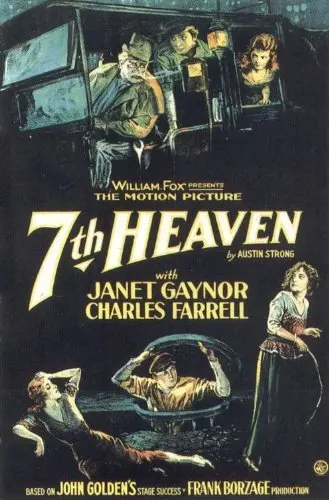
A definitive 7.5/10 rating for a film that redefined the boundaries of cult cinema. 7th Heaven remains a cornerstone of transgressive art.
Is 7th Heaven worth watching today? Short answer: absolutely, but with a crucial caveat for modern viewers. This film is an essential experience for those interested in the foundational narratives of cinematic romance and the silent era's emotional depth, yet it might prove a challenging watch for audiences unaccustomed to its particular rhythm and melodramatic sensibilities.
Directed by Frank Borzage, this 1927 silent classic scooped up three Academy Awards at the very first ceremony, including Best Actress for Janet Gaynor, Best Director for Borzage, and Best Writing (Adaptation) for Benjamin Glazer. Its influence on subsequent romantic dramas is undeniable, establishing tropes and emotional beats that continue to resonate. Yet, its age is both its charm and its hurdle.
Early on, it's crucial to establish expectations. This film works because of the raw, unadulterated emotional performances, Borzage's innovative use of the camera to convey intimacy and scale, and its timeless theme of love against overwhelming adversity. The chemistry between Janet Gaynor and Charles Farrell is palpable, a silent conversation rendered with extraordinary grace and intensity.
This film fails because its period melodrama, while groundbreaking for its time, can occasionally feel overly sentimental or dramatically simplistic by contemporary standards. The pacing, characteristic of silent films, demands patience, and some character motivations, particularly early on, are painted with broad strokes. It requires a willingness to engage with its historical context, rather than judging it solely through a modern lens.
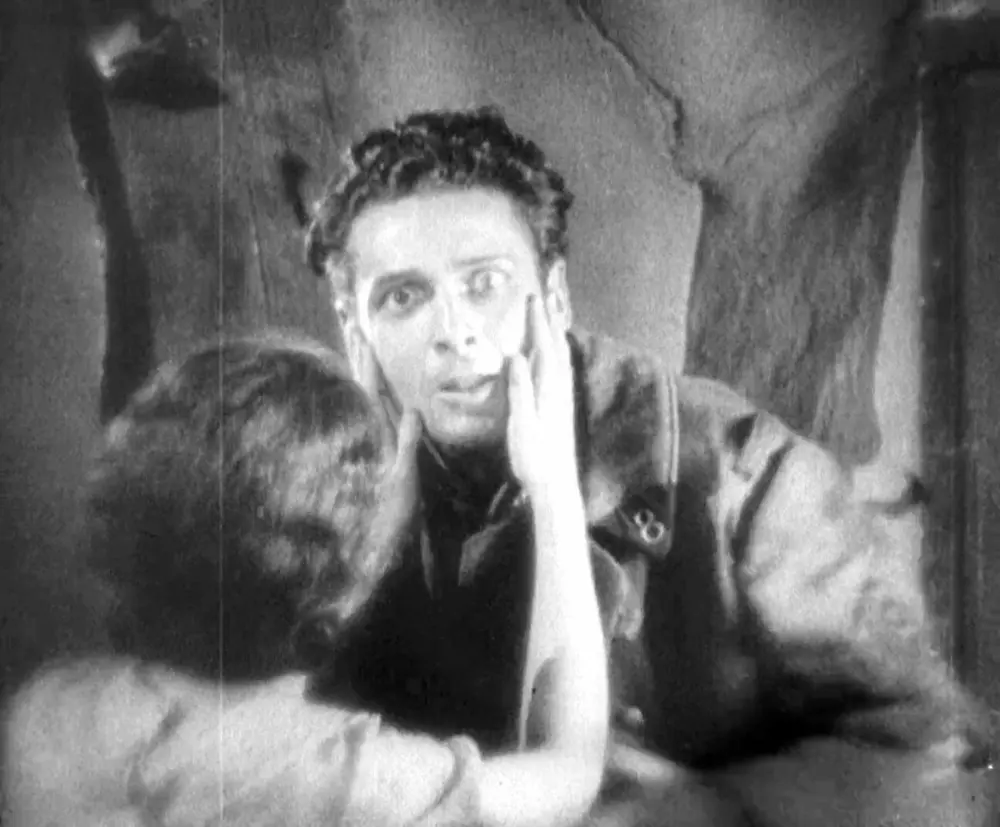
You should watch it if you appreciate the artistry of silent cinema, are fascinated by the evolution of film narrative, or simply crave a powerful, albeit old-fashioned, love story told with immense heart. It’s also indispensable for understanding the careers of its stars and director.
At its heart, 7th Heaven is a story of redemption through love, set against the stark realities of urban poverty and the looming shadow of war. Diane, portrayed with heartbreaking vulnerability by Janet Gaynor, is introduced in a state of utter degradation. Her existence is one of constant fear and abuse, a stark contrast to the aspirational 'seventh heaven' Chico offers her.
Chico, played by Charles Farrell, is not your typical romantic hero. He’s a street cleaner, proud of his work, and initially quite gruff. His act of saving Diane is less about grand heroism and more about a fundamental decency that cuts through the cynicism of his environment. He’s a character grounded in the dirt of Paris, yet capable of profound tenderness.
The film masterfully builds their relationship from necessity to deep affection. Their attic apartment, seven flights up, becomes a sanctuary. It’s a physical manifestation of their emotional ascent, a space where they can escape the harshness below and cultivate a love that feels both fragile and incredibly strong. This metaphorical 'seventh heaven' is not just a place, but a state of being they achieve together.
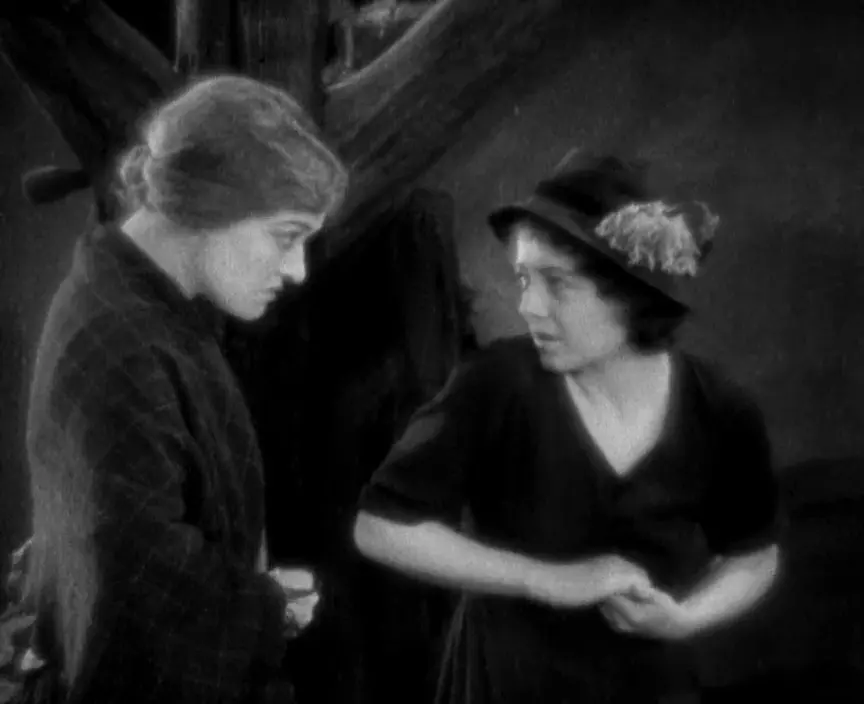
Borzage’s direction here is particularly adept at conveying the nuances of their evolving bond without dialogue. A lingering glance, a shared smile, the way their hands tentatively meet – these are the building blocks of their romance. The gradual softening of Chico and the blossoming confidence in Diane are beautifully charted, making their eventual declaration of love feel entirely earned.
The intrusion of World War I into this idyllic bubble provides the narrative’s crucial dramatic pivot. It’s a stark reminder that personal happiness is often at the mercy of larger, uncontrollable forces. The film doesn't shy away from the brutality of war, even as it focuses on its emotional toll on those left behind. The separation of the lovers is agonizing, heightened by the earlier intimacy Borzage so carefully constructed.
The performances in 7th Heaven are, without hyperbole, extraordinary and remain the film’s most compelling argument for its enduring relevance. Janet Gaynor, in particular, delivers a masterclass in silent acting, earning her an Oscar in the process. Her portrayal of Diane is a revelation, moving from abject terror and despair to radiant joy and fierce loyalty.
Consider the scene where Diane first enters Chico’s apartment. Her initial fear, her tentative glances, the way she shrinks from his touch — Gaynor conveys all of this with subtle shifts in posture and wide, expressive eyes. Then, as she begins to trust him, a fragile hope flickers across her face, transforming her entire demeanor. It's a performance built on raw, visible emotion, a testament to her profound understanding of non-verbal communication.
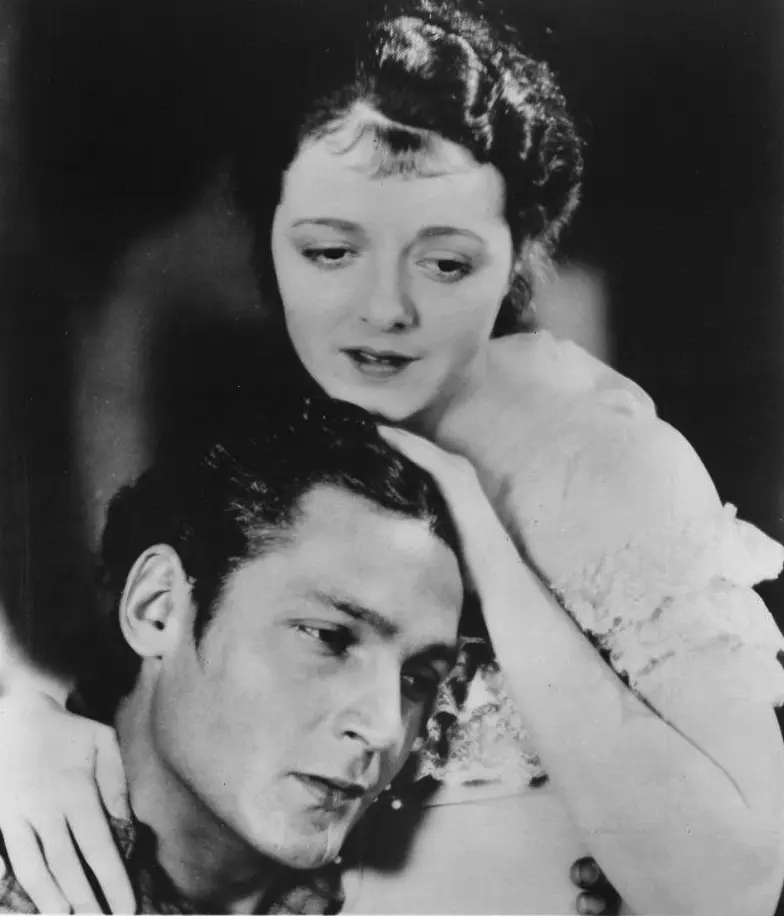
Charles Farrell, while occasionally overshadowed by Gaynor's intense vulnerability, holds his own with a charismatic and surprisingly nuanced performance as Chico. He projects a working-class stoicism that slowly cracks to reveal a deep reservoir of affection. His initial dismissiveness towards Diane, followed by his gradual protectiveness, is conveyed through his posture and the subtle softening of his gaze. The scene where he teaches Diane to walk 'like a lady' is a prime example of their playful, growing affection, communicated entirely through gesture and expression.
Their chemistry is the very engine of the film. It's not just about two attractive people on screen; it's about two souls finding solace and strength in each other. Their interactions, from playful banter to heartfelt goodbyes, feel incredibly authentic. This is where the film truly shines, proving that dialogue is often secondary to genuine human connection on screen.
However, one might argue that Farrell's performance, while strong, occasionally leans into a certain theatricality common in the era, particularly in moments of heightened emotion. While effective, it sometimes lacks the consistent, internalised naturalism that Gaynor brings. This isn't a flaw, per se, but an observation on the differing acting styles even within the silent era.
Frank Borzage’s direction is a key reason for 7th Heaven's lasting impact. He wasn't just telling a story; he was creating an experience. His use of the camera is remarkably sophisticated for the period, often employing sweeping crane shots to establish the scale of Paris, and then intimately focusing on the faces of his protagonists to capture their innermost feelings.
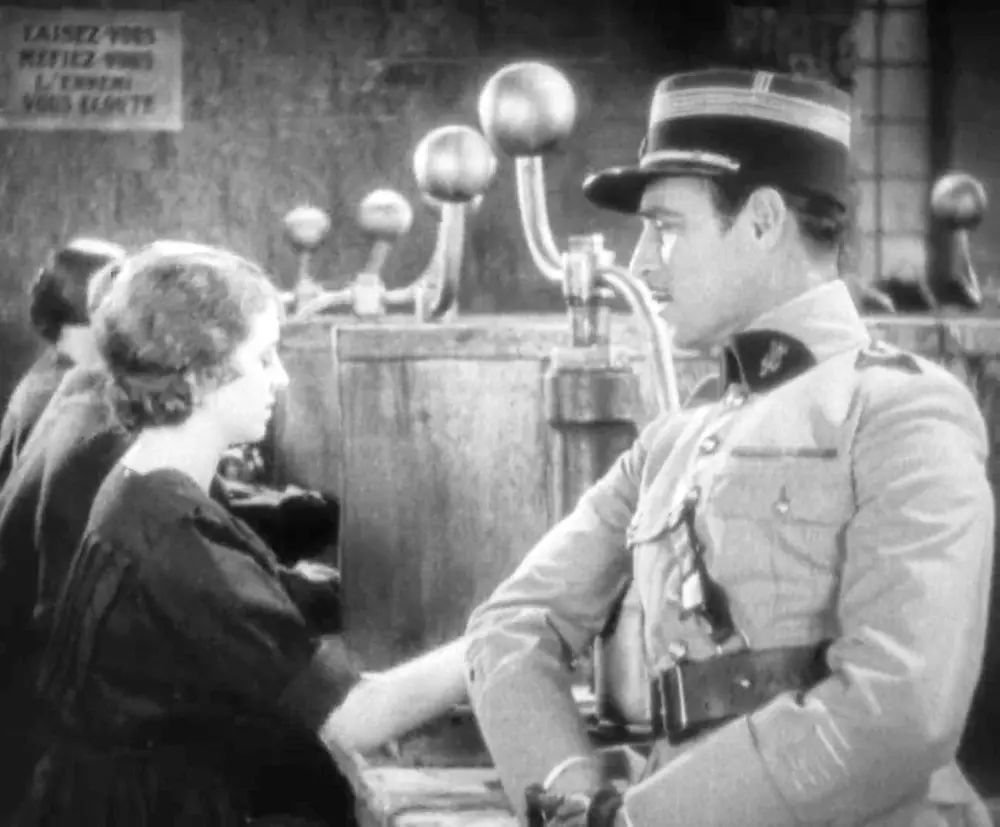
The attic apartment itself is a brilliant piece of set design, a cramped but cozy space that feels like a character in itself. Borzage uses light and shadow to great effect, contrasting the dim, oppressive streets below with the airy, sunlit sanctuary above. This visual metaphor for their relationship is handled with precision and grace. Think of the famous opening shot, slowly ascending to Chico's window, setting the tone for their upward journey.
Borzage was also a master of pacing, understanding how to build emotional tension and release it. The film doesn't rush its romance; it lets it breathe, allowing the audience to witness the gradual blossoming of love. Even the war sequences, while brief, are impactful, conveying chaos and separation without explicit gore. The sequence where Chico is presumed dead, and Diane's struggle to maintain her faith, is a masterclass in visual storytelling, relying on Borzage’s ability to evoke profound emotion through subtle cues.
His approach to melodrama is also noteworthy. While the film is undeniably melodramatic, Borzage grounds it in sincere emotion. He doesn't shy away from grand gestures, but he ensures they feel earned by the characters' journey. This is a critical distinction, separating it from lesser melodramas of the era that simply aimed for overt emotional manipulation.
The pacing of 7th Heaven is distinctly that of a silent film, which means it can feel slow to viewers accustomed to modern, fast-cut narratives. There are longer takes, more deliberate movements, and the use of intertitles to convey dialogue and exposition. This isn't a flaw, but a characteristic that requires a different kind of engagement. It allows for a deeper immersion into the emotional states of the characters, giving their silent expressions more weight.
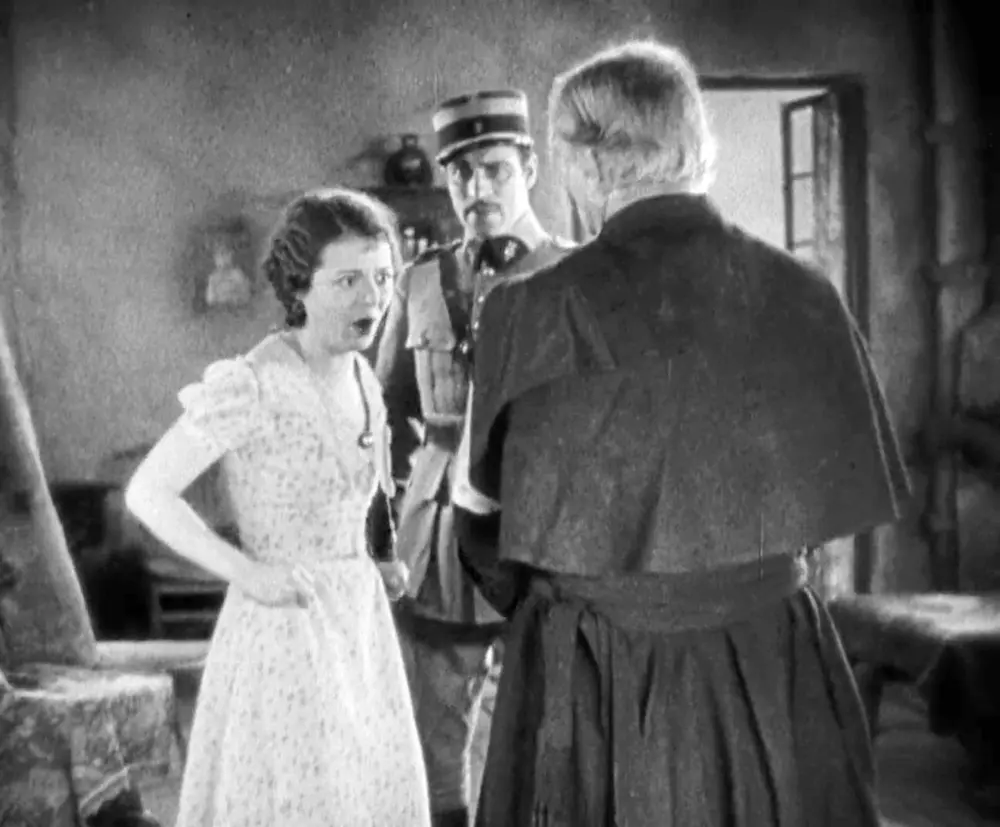
The tone swings from grim realism to soaring romanticism. The early scenes of Diane's abuse are genuinely harrowing, establishing the low point from which her character must rise. This contrast makes the eventual joy and hope she finds with Chico all the more potent. The film embraces melodrama wholeheartedly, using it as a vehicle for intense emotional expression rather than shying away from it.
Some might find the dramatic swings a bit much, particularly the somewhat idealized portrayal of love conquering all, even the ravages of war. Yet, within the context of its time, this was a powerful and often comforting narrative. It speaks to a universal human desire for connection and resilience in the face of overwhelming odds. It works. But it’s flawed. The sentimentality, while often effective, occasionally skirts the edge of saccharine, particularly in its final act.
Comparing it to another silent era film like The Affairs of Anatol, which revels in sophisticated, cynical romance, 7th Heaven offers a more earnest, almost spiritual take on love. This raw emotional honesty is its greatest strength, allowing it to bypass some of the period's more artificial theatricalities.
Absolutely, yes. 7th Heaven is a foundational text in cinematic romance. It showcases the incredible power of silent acting. It demonstrates sophisticated direction and cinematography. It's a poignant story that still resonates. It's a landmark film for its era. It might require patience. It's not for everyone. But its emotional core is undeniable.
7th Heaven is more than just a relic of the silent era; it’s a vibrant, emotionally charged experience that continues to speak to the enduring power of love. While its melodramatic tendencies and deliberate pacing may not appeal to every contemporary viewer, its artistic merits—particularly the breathtaking performances and Borzage’s visionary direction—cement its place as an essential piece of cinematic history. It demands patience and an open heart, but rewards those willing to engage with its particular brand of earnest storytelling with a deeply moving and unforgettable romance. It’s a film that proves, definitively, that emotions transcend dialogue. See it for the history, stay for the heart.
IMDb 6
1925
Community
Log in to comment.