DbcultAccessing Vault...
Cult Review
Senior Film Conservator

If you have a soft spot for 1930s German cinema and don't mind a story that moves at a very deliberate, polite pace, you'll probably get a kick out of Playing with Fire. It’s not for the action crowd, obviously. If you get restless watching people sit in parlors and talk about their feelings in subtext, this is going to feel like watching paint dry. Personally, I found the wife’s strategy surprisingly modern in its execution.
The whole premise feels like a stage play that someone decided to film on a Tuesday afternoon. There's this stiffness to the early scenes that makes you wonder if anyone is actually enjoying themselves. Hilde Krüger plays the wife with a kind of sharp, observant intelligence that keeps the movie from sliding into total melodrama.
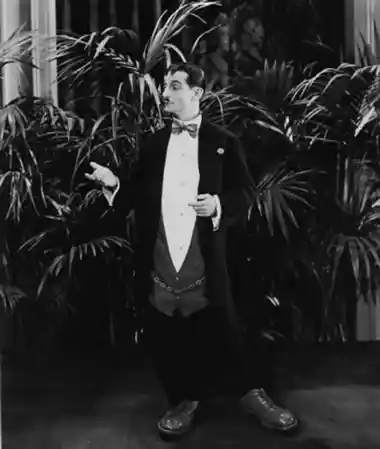
When the husband starts chasing after this singer, it’s not portrayed as some grand, earth-shattering affair. It feels more like a mid-life tantrum. He thinks he’s being clever, but he’s really just telegraphing his every move to everyone in the room. The way he adjusts his tie before leaving the house is just… classic. It’s the little physical ticks that tell you everything you need to know about his character without a single line of dialogue.
I kept waiting for a big explosion, maybe a vase being thrown or a door slamming off its hinges, but the movie refuses to go there. It’s quieter. It’s all about the wife essentially playing a long game of chess while the husband is playing checkers in the corner. There’s a specific scene involving a dinner party that is so painfully awkward you can almost smell the cold coffee in the room. It lingers on a reaction shot of the wife just long enough to make you uncomfortable.
If you’ve seen Iris, you know that era of film has a very specific way of handling domestic tension. It’s rarely about the truth; it’s about the optics of the situation. Playing with Fire understands this perfectly. It’s almost a manual on how to maintain your dignity while your partner is making a complete fool of themselves.
Is it a masterpiece? No. It’s a bit thin in the middle and the pacing drags whenever the singer is on screen—her character feels a bit like a prop rather than a person. But the ending? It’s earned. It doesn’t feel forced, which is a miracle for a film from this period. 🤷♂️
I wouldn't call this an essential watch, but if you're curious about how they handled infidelity stories before everything became a giant, loud argument, give it a go. Just don't expect it to change your life.
IMDb 5.9
1927
Community
Log in to comment.