DbcultAccessing Vault...
Cult Review
Senior Film Conservator
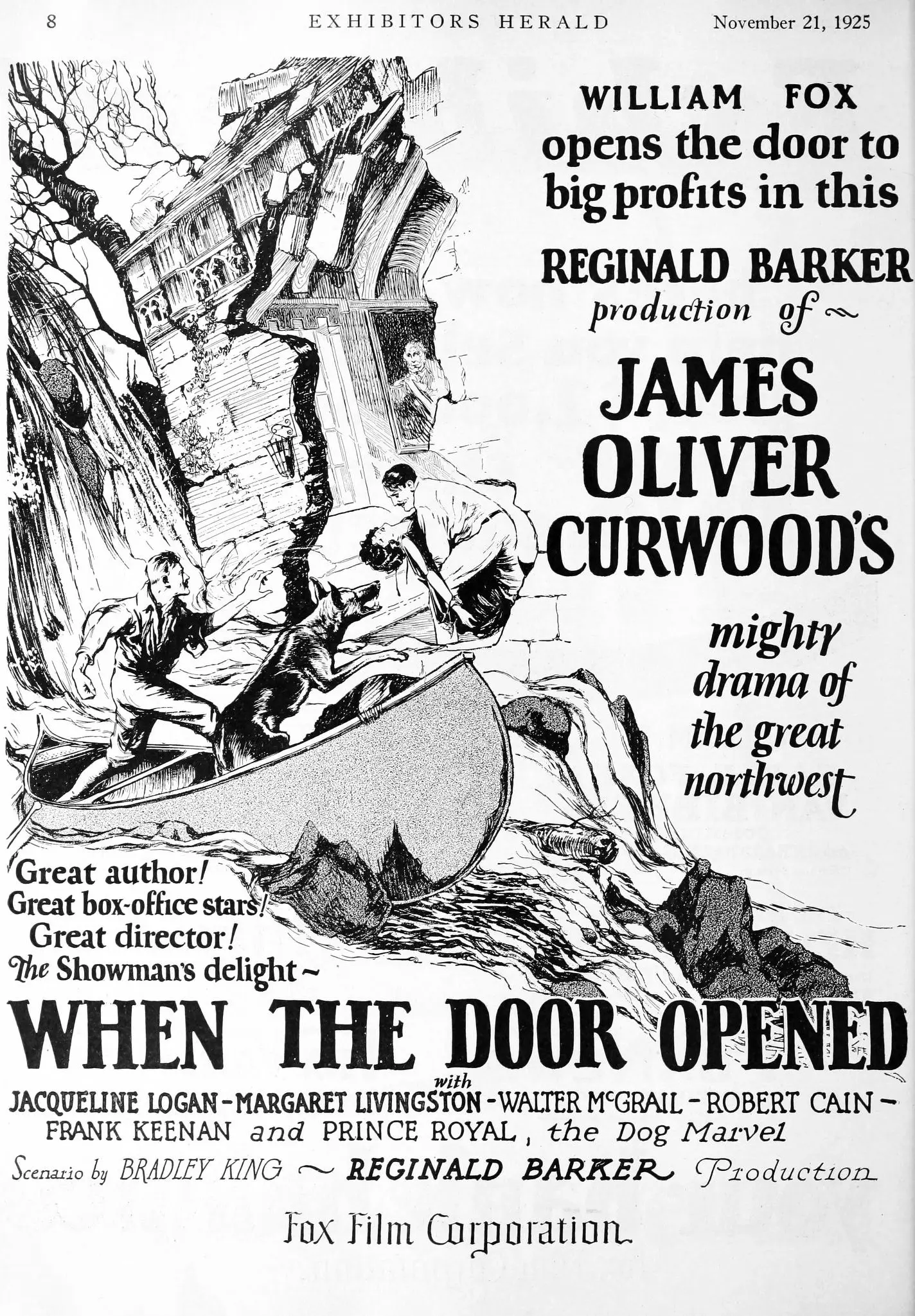
The cinematic landscape of the mid-1920s was frequently preoccupied with the rugged frontiers of the soul, and few films encapsulate this thematic obsession with the same raw intensity as When the Door Opened. Based on the evocative prose of James Oliver Curwood and adapted by the formidable Bradley King, this production serves as a quintessential exploration of the 'man-against-nature' and 'man-against-himself' archetypes. It is a narrative that begins in the suffocating drawing rooms of urban civilization and breathes its final, triumphant gasps in the crystalline air of the Canadian wilderness. Unlike the more whimsical fare of the era, such as Pick Out Your Husband, this film plunges into the abyss of psychological trauma and the arduous path toward moral restoration.
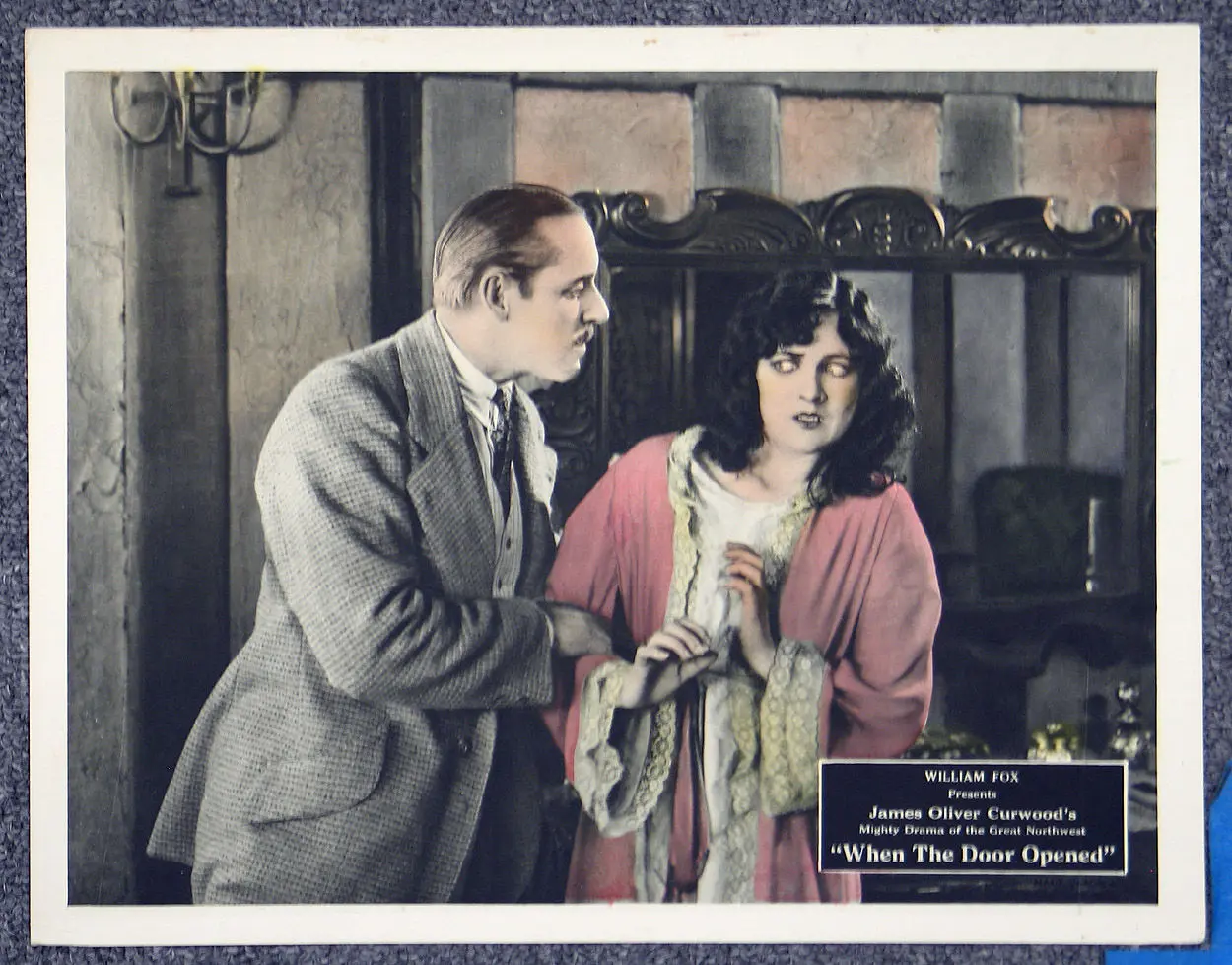
The inciting incident of the film is handled with a visceral economy that belies the technical limitations of 1925. Clive Grenfal, portrayed with a haunting, weathered gravity by Frank Keenan, returns to his sanctuary only to find it desecrated. The sight of his wife in the arms of Henry Morgan is not merely a subplot of infidelity; it is the total annihilation of his world-view. When Clive pulls the trigger, the film shifts from a domestic melodrama into something far more primordial. The cinematography captures the frantic energy of his flight, a sequence that mirrors the desperate escapism found in The Italian, though here the stakes are transposed from social injustice to personal culpability.
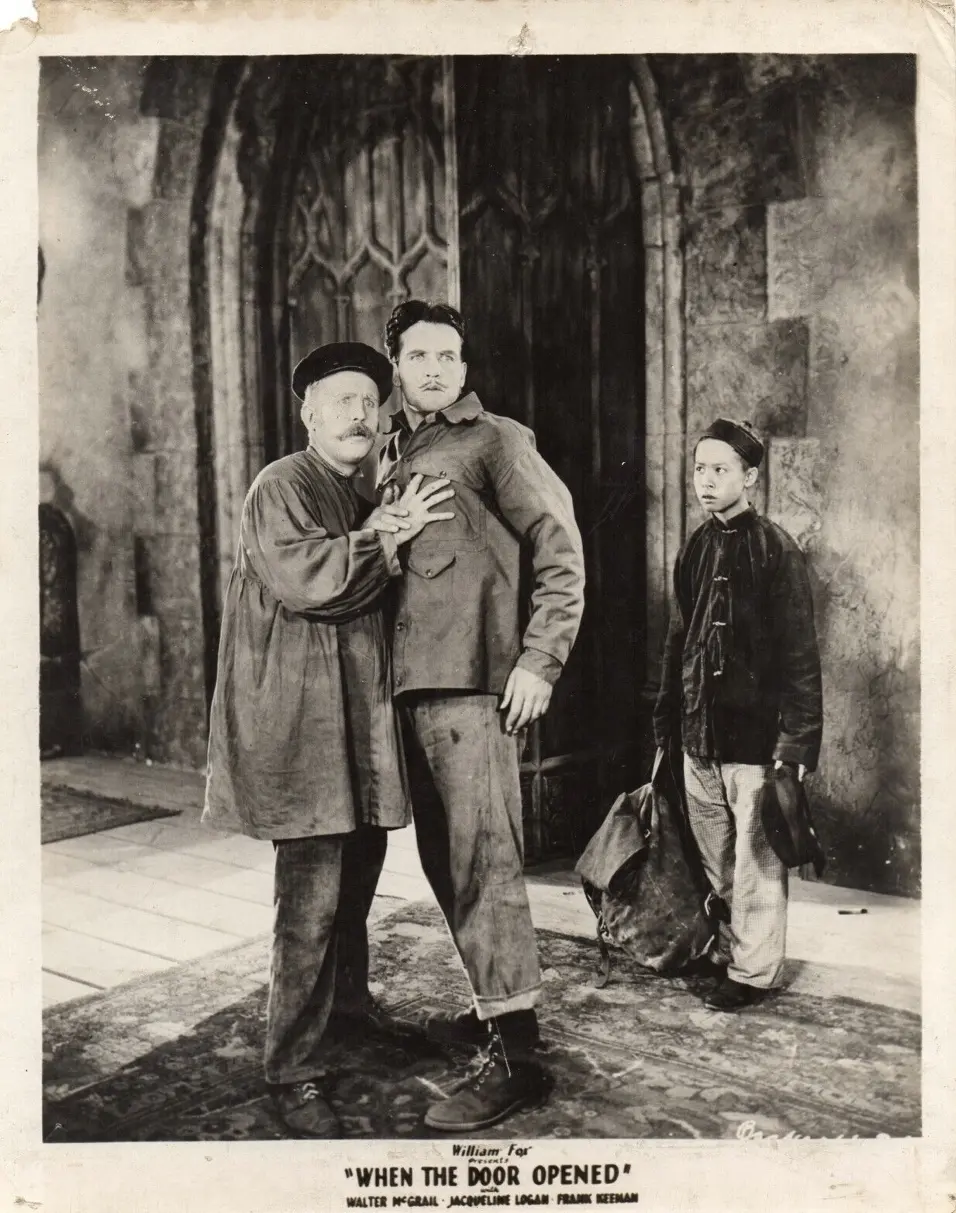
Believing himself a murderer, Clive’s descent into the Canadian North is rendered as a funeral procession for his former self. He does not merely move; he dissipates into the landscape. This transition is where the film finds its visual footing. The stark contrast between the ornate, claustrophobic interiors of his past and the expansive, indifferent majesty of the woods highlights his insignificance. It is a stylistic choice that echoes the psychological depth seen in Gefangene Seele, where the environment becomes a manifestation of the protagonist's internal strife.
Years of self-imposed exile transform Clive into a creature of the forest, a transition that Frank Keenan manages with remarkable subtlety. He avoids the histrionics common in silent cinema, opting instead for a performance rooted in stillness and a gaze heavy with the weight of unconfessed sins. His encounter with de Fontenac (Roy Laidlaw) and the ethereal Teresa (Jacqueline Logan) introduces a Gothic element to the wilderness. The 'castle' in the woods serves as a surreal oasis of culture amidst the savagery, reminiscent of the atmospheric settings in Dorothy Vernon of Haddon Hall.
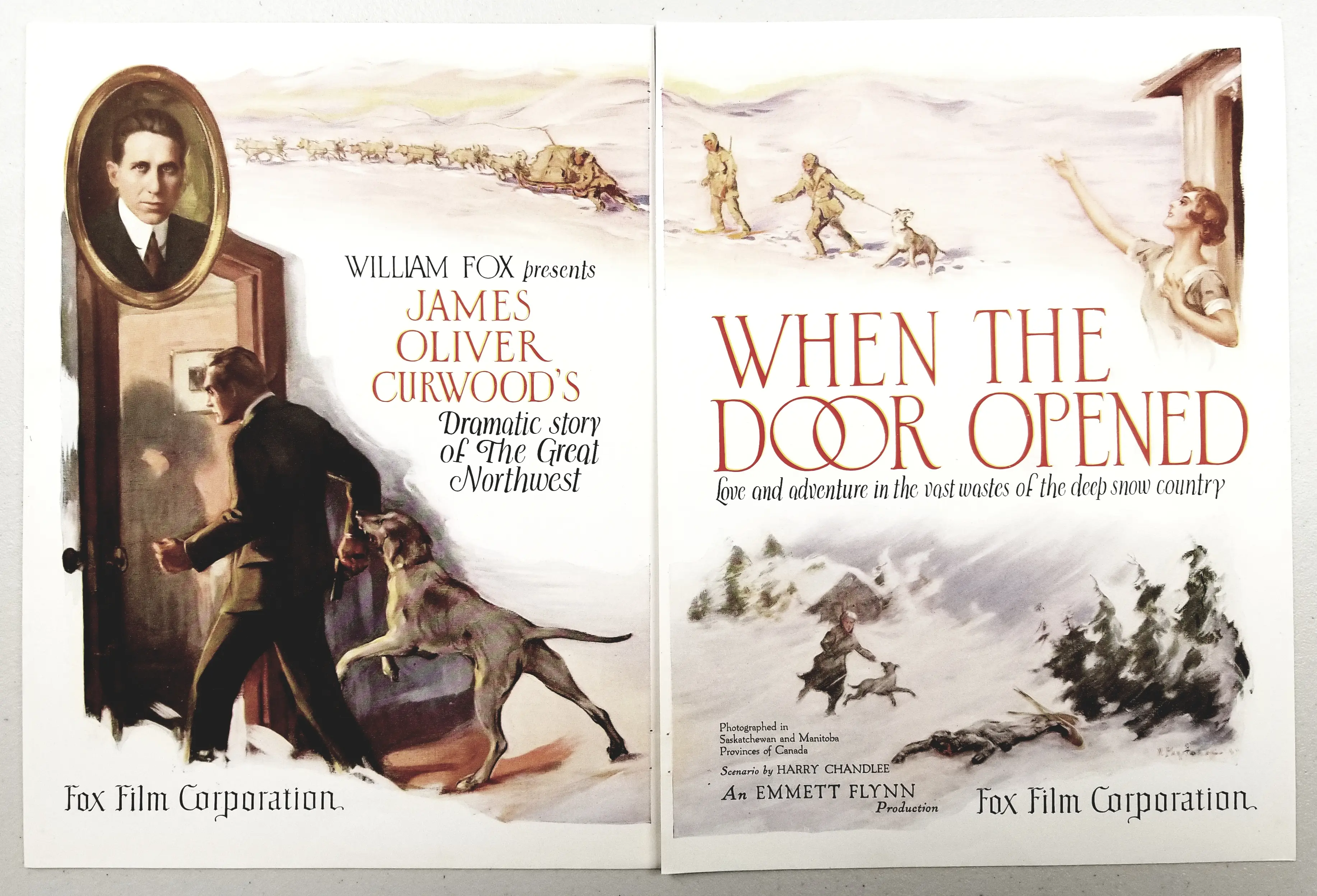
Jacqueline Logan’s Teresa is the emotional fulcrum of the film. She represents a purity that Clive feels he has irrevocably forfeited. Their burgeoning relationship is a masterclass in unspoken longing. Every gesture, every hesitant glance, is laden with the tragic irony that Clive believes himself a monster unworthy of her touch. The tension here is palpable, far more effective than the overt sentimentality found in Always in the Way. Clive’s silence is not a lack of passion, but a penitential gag, a refusal to stain her innocence with his perceived criminality.
One cannot discuss a James Oliver Curwood adaptation without acknowledging the canine element. Arko the Dog provides more than mere spectacle; he is the bridge between Clive’s humanity and his animalistic survival instincts. In many ways, Arko acts as Clive’s conscience, a loyal companion that sees the man beneath the hermit’s rags. This use of animals as moral barometers was a staple of the era, yet here it feels less like a gimmick and more like a necessary narrative anchor, providing a warmth that the human characters, trapped in their respective traumas, often lack.
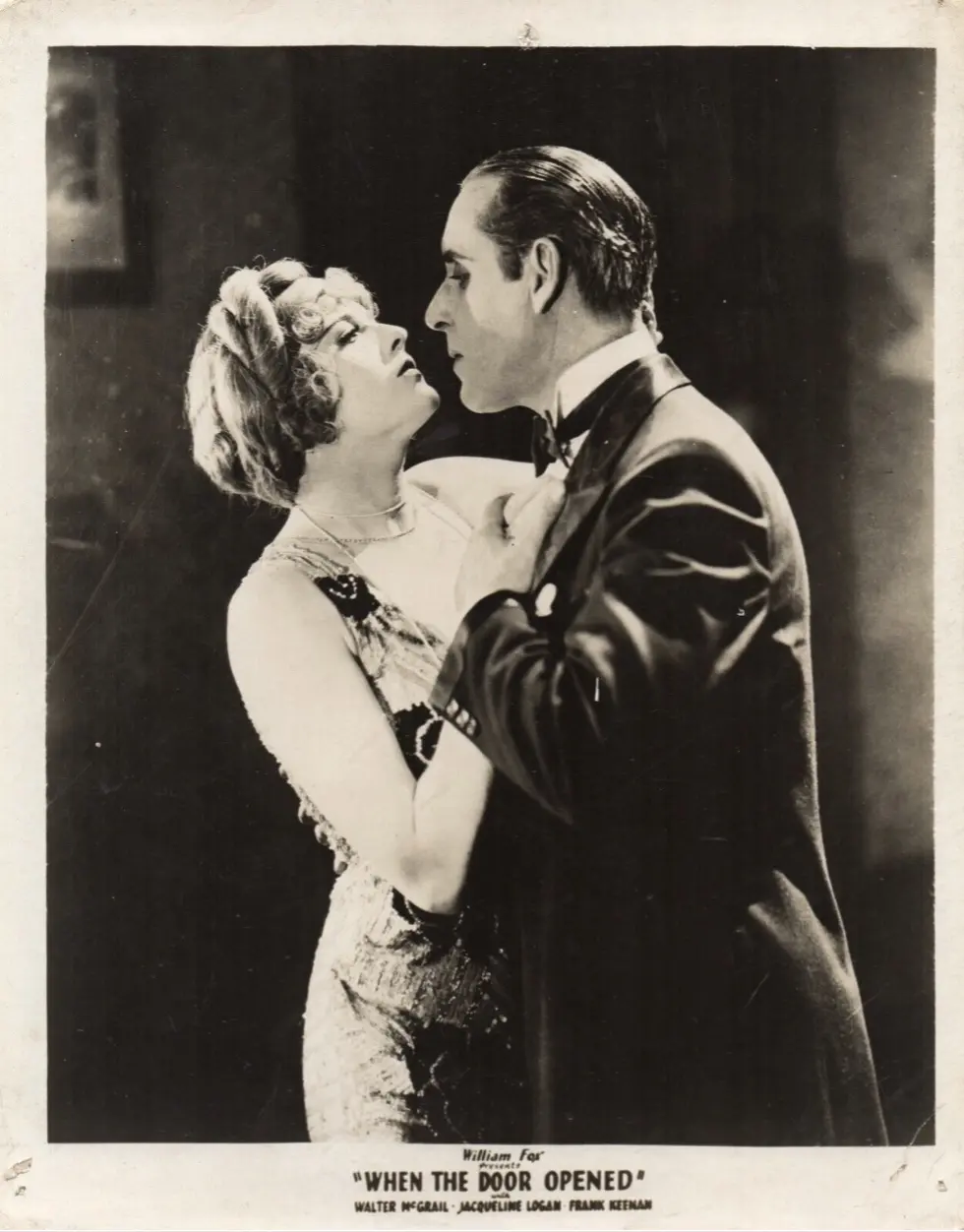
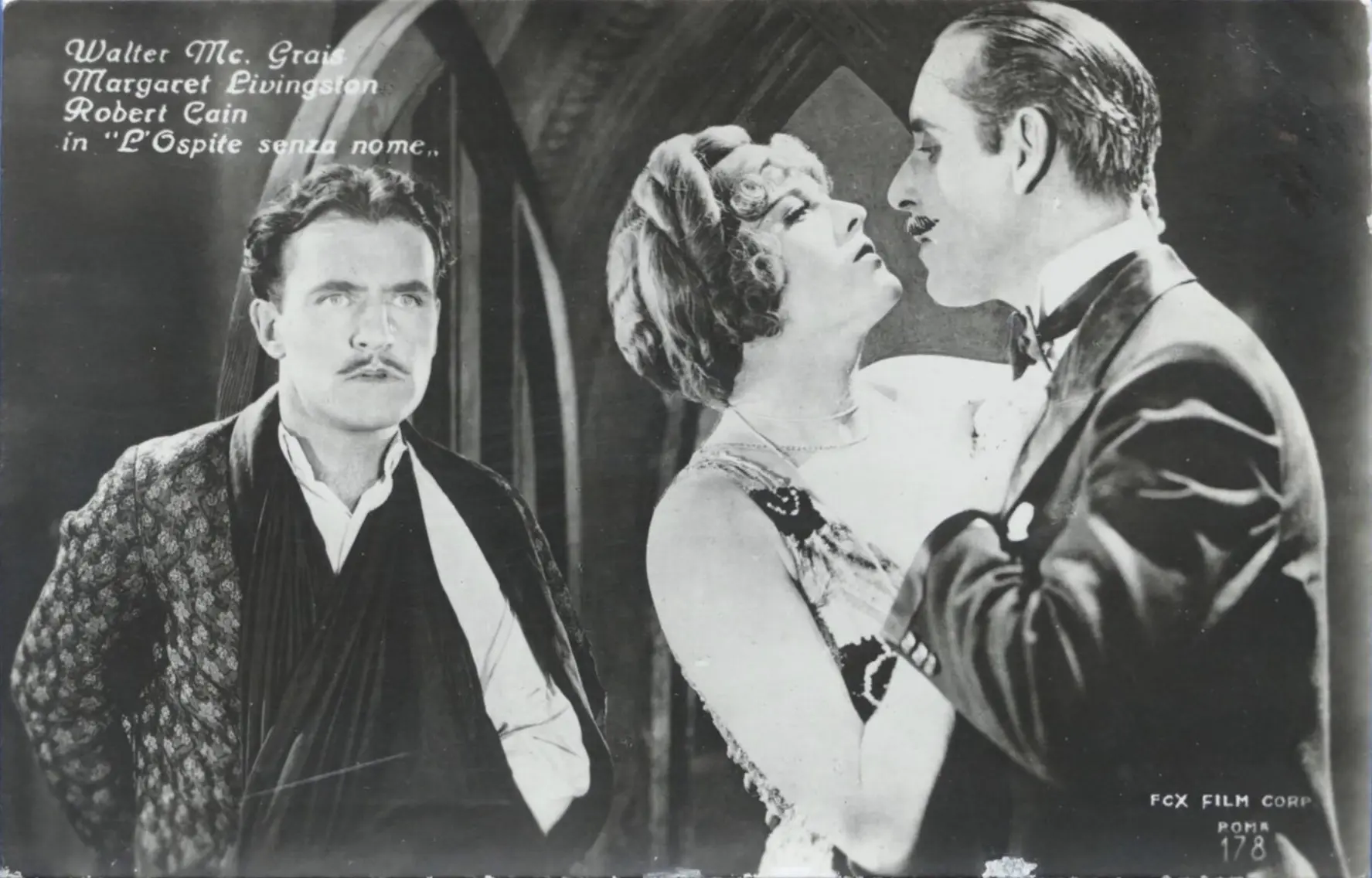
The reintroduction of Henry Morgan (Walter McGrail) into the narrative is a stroke of structural brilliance. It transforms the film from a character study into a high-stakes thriller. Morgan is the antithesis of Clive; where Clive has been purified by the frost, Morgan has remained stagnant in his corruption. His arrival at the de Fontenac estate is like a toxin entering a sterile environment. His lustful pursuit of Teresa mirrors his earlier violation of Clive’s home, creating a cyclical sense of fate that demands a final resolution.
The revelation that Morgan survived the shooting is the film’s great catharsis. It is a moment of profound ontological shift for Clive. Suddenly, the 'murderer' is no more. The laws of the land, which he had fled with such terror, are no longer his persecutors. The irony that Morgan has married Clive’s former wife—who obtained a divorce in his absence—adds a layer of modern social commentary regarding the fluidity of domestic bonds in the 1920s, a theme also explored in Black Oxen. This plot point effectively severs Clive's last remaining ties to his old life, leaving him legally and emotionally unburdened.
Visually, When the Door Opened is a triumph of location scouting and naturalistic lighting. The Canadian woods are not merely a backdrop; they are an active participant in the drama. The way the light filters through the dense canopy or reflects off the blinding snow creates a chiaroscuro effect that heightens the film’s moral dichotomies. The editing, particularly during the climactic confrontation between Clive and Morgan, is surprisingly modern, utilizing rhythmic cuts to build a sense of impending doom.
The film’s pacing is deliberate, allowing the audience to soak in the atmosphere of isolation. It shares a certain grim realism with The Wildcat, though it lacks that film's subversive humor. Instead, it leans into a sincere, almost spiritual quest for redemption. The direction ensures that the audience feels every mile of Clive’s journey and every degree of the biting cold. The cast, including Margaret Livingston and Robert Cain, provides a solid foundation, ensuring that even the secondary characters feel lived-in and motivated.
In the pantheon of silent cinema, this film occupies a unique space between the adventure serial and the psychological drama. While it may not possess the sheer eccentricity of The Unholy Three, it offers a more grounded, humanistic perspective on crime and punishment. It avoids the preachy moralizing found in The Black Stork, opting instead to let the protagonist's suffering speak for itself. The film’s focus on a man wrongly believing himself a criminal is a trope that would later be perfected in the film noir era, but here it is handled with a poetic sensibility that is uniquely silent-era.
Comparing it to The Courageous Coward or The Girl and the Judge, one can see how When the Door Opened pushes the boundaries of the 'redemption narrative.' It isn't just about clearing one's name; it's about the internal process of forgiving oneself for an act of passion. The 'door' of the title is both literal and metaphorical—it is the threshold of a new life that can only be crossed once the ghosts of the past have been confronted and dismantled.
Ultimately, the film is a testament to the power of the human spirit to endure and evolve. It suggests that even in the deepest wilderness, one cannot escape the self, but one can certainly find the tools to rebuild it. The final scenes, as Clive finally allows himself to reciprocate Teresa’s love, are among the most moving in 1920s cinema. The film concludes not with a simple 'happy ending,' but with a sense of hard-won peace. It is a cinematic experience that lingers long after the final intertitle, much like the haunting mystery of Mouchy or the procedural tension of Time Lock No. 776.
For those seeking a film that combines breathtaking scenery with a profound narrative arc, When the Door Opened remains an essential watch. It is a reminder of a time when cinema was unafraid to dwell in the shadows of the human psyche, and when the opening of a single door could change the course of a life forever. Whether it’s the nuanced acting of Frank Keenan or the sweeping vistas of the North, there is something in this film that resonates with the universal desire for a second chance—a theme that never goes out of style, whether in Caught in the Act or the most modern of dramas.
In an era of increasingly complex narratives, there is a refreshing honesty to this tale of betrayal and recovery. It doesn't rely on the frantic pacing of Erlebnisse einer Sekretärin, but rather on the steady, inexorable march of fate. It is a film that demands your attention and rewards it with a deep, resonant emotional payoff. As the final curtain falls, we are left with the image of Clive and Teresa—a new beginning forged in the heart of the great white silence.
IMDb —
1931
Community
Log in to comment.