DbcultAccessing Vault...
Cult Review
Senior Film Conservator
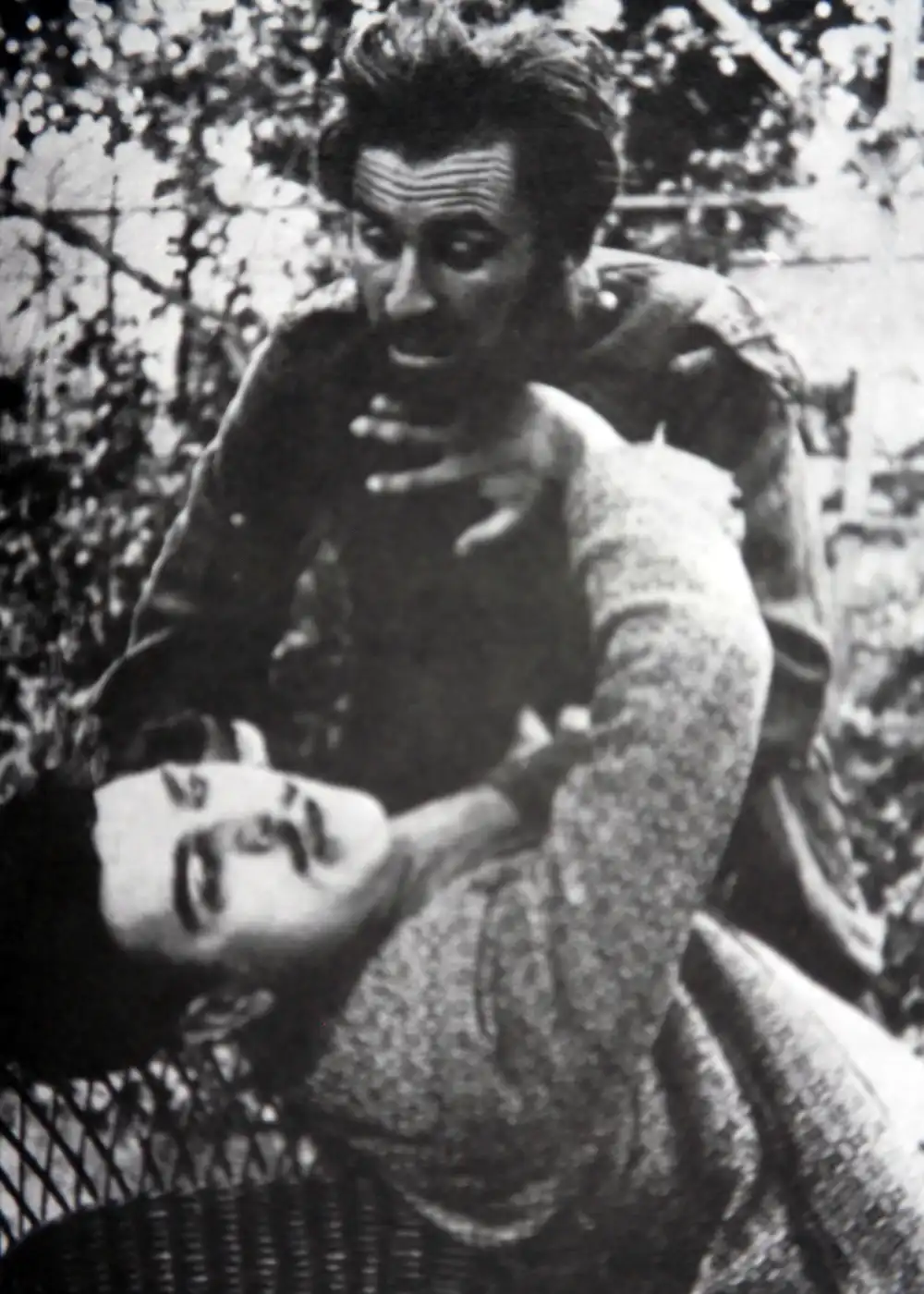
Is Plennikat ot Trikeri worth tracking down today? Well, if you’re in the mood for something truly heavy, a classic tale of war tearing lives apart and the messy, human consequences, then yes. It’s not a light watch, not by a long shot. Anyone who appreciates older, earnest dramas that don’t pull punches on heartache will find something here. But if you’re looking for escapism or a happy ending, you’ll probably want to steer clear. This one digs deep into a very specific kind of sadness.
The story starts so simply, with Venko and Lyuben, these schoolmasters, just living their lives. You see the warmth between them, that easy friendship. Then the Balkan War just explodes onto the scene. Suddenly, these two men are just part of the chaos.
Venko gets hit, badly wounded, and pretty much disappears. We, the audience, know he's alive, but everyone else, especially Neda, thinks the worst. That waiting period, with Neda just hoping for a letter… you can almost feel her quiet desperation through the screen.
And then Lyuben comes back, wounded himself. There’s a quiet intimacy that develops between him and Neda. It’s not flashy, it’s just two people clinging to comfort when everything else is falling apart. You watch them, and it feels inevitable, not like a planned betrayal. More like life just happens, you know?
The core of the film really hinges on Venko’s time as a prisoner. He’s sent to this place called Trikeri. A desert island. Sounds absolutely awful. We get glimpses of him working in a quarry, a truly bleak existence. But there’s this one detail, this tiny thing Neda did before he left: she sewed a gold coin into his tunic. That coin. That little, almost overlooked detail is what eventually helps him escape. It’s a small, quiet act of love that has massive consequences.
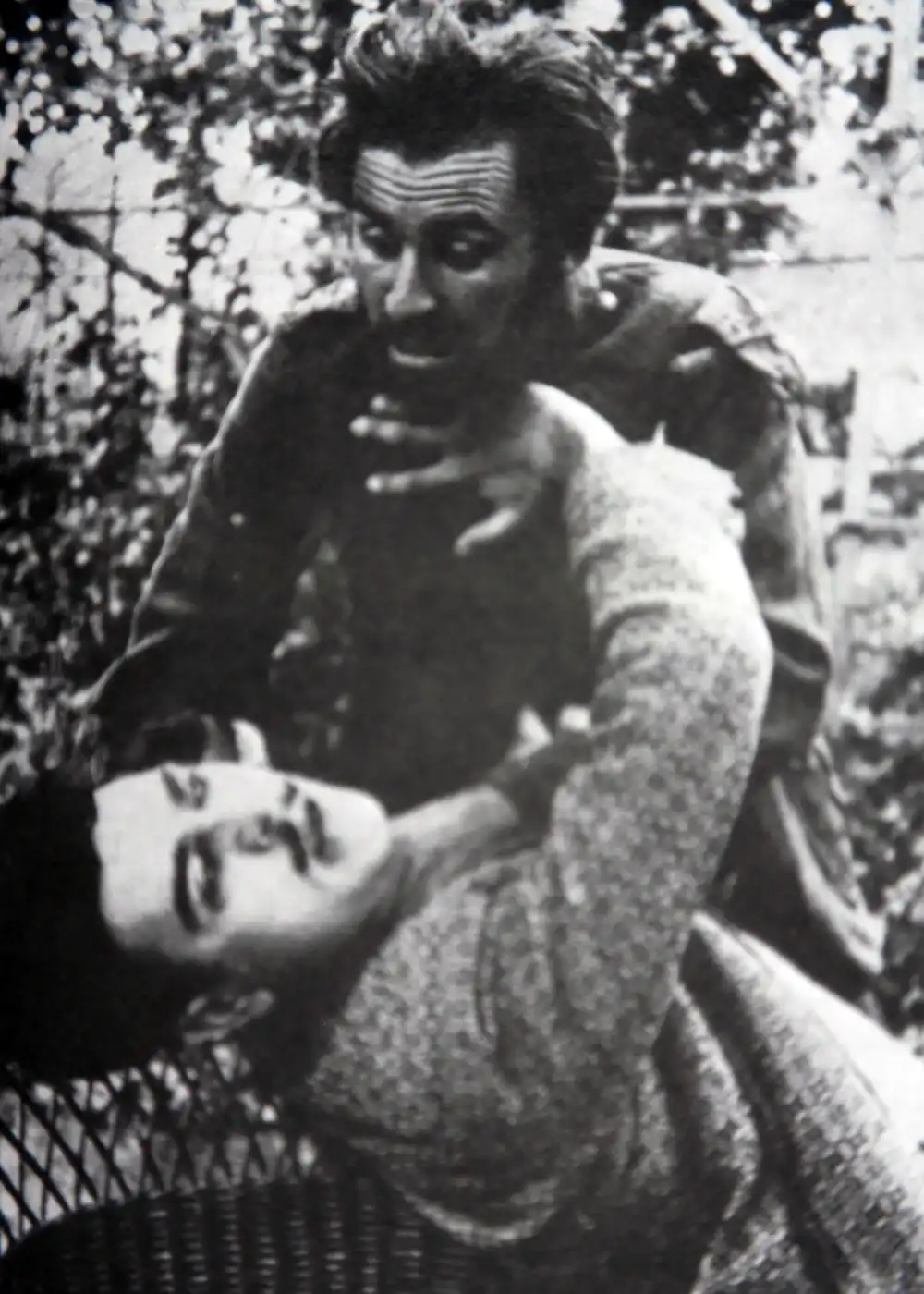
When Venko finally makes it back, everything has changed. He walks into his old life, but it’s not his anymore. The moment he sees Neda and Lyuben’s child… that’s just a gut punch. No words needed. The film handles that scene with such a heavy silence. It just hangs there.
Lyuben, he knows what this means. He feels this immense guilt. He makes a choice, a desperate one, to just leave. To try and disappear again. It's a sad, quiet unraveling of everyone involved. There’s no easy way out of this situation.
The ending. Oh man. The ending. Venko, he leaves a note. “Forgive me for disturbing your happiness.” Just that. That’s all he writes. It’s such a polite, yet utterly devastating line. It sticks with you long after the credits roll.
This movie isn't about grand battles or sweeping romance in the usual sense. It's about the small, personal tragedies war leaves behind. The way people try to rebuild, and how those foundations can be so fragile. It’s a heavy watch, but it’s a real watch. Not something you forget easily. Gives you a lot to think about, really.
IMDb 5.1
1931
Community
Log in to comment.