DbcultAccessing Vault...
6.9/10
Senior Film Conservator
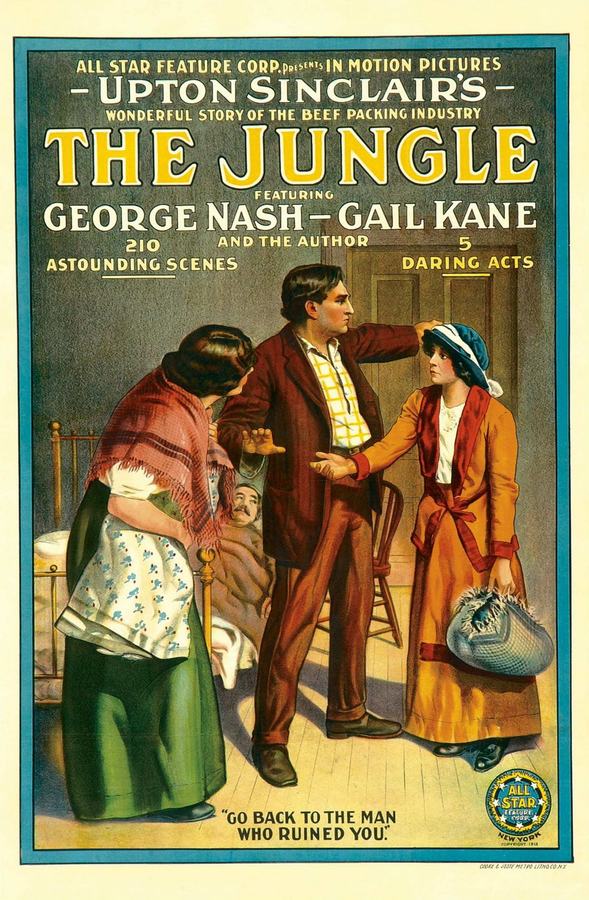
A definitive 6.9/10 rating for a film that redefined the boundaries of cult cinema. The Jungle remains a cornerstone of transgressive art.
When the screen flickers to life with the title The Jungle, the audience is instantly thrust into the soot‑laden streets of Chicago, a metropolis that feels simultaneously alluring and hostile. The film, co‑written by the socially conscious trio Benjamin S. Kutler, Margaret Mayo, and the indomitable Upton Sinclair, does not shy away from exposing the economic predation that defined the era. Its narrative is anchored by the anguished yet resilient Jonas Petraitis, whose plight echoes the broader diaspora of Eastern Europeans seeking prosperity across the Atlantic.
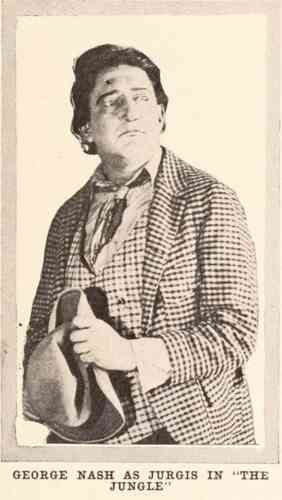
Julia Hurley, cast as Marija, the widowed seamstress, delivers a performance that is at once understated and searing. Her eyes convey a lifetime of loss, and her gestures—small, deliberate—suggest a woman who has learned to survive on the margins of a capitalist machine. In contrast, Alice Marc’s portrayal of young activist Anya brings a burst of kinetic energy, her rapid speech and fervent idealism serving as a foil to Jonas’s weary pragmatism. George Nash, embodying the cold‑hearted bank manager, adopts a measured, almost clinical demeanor that underscores the institutional cruelty at the heart of the film’s conflict.
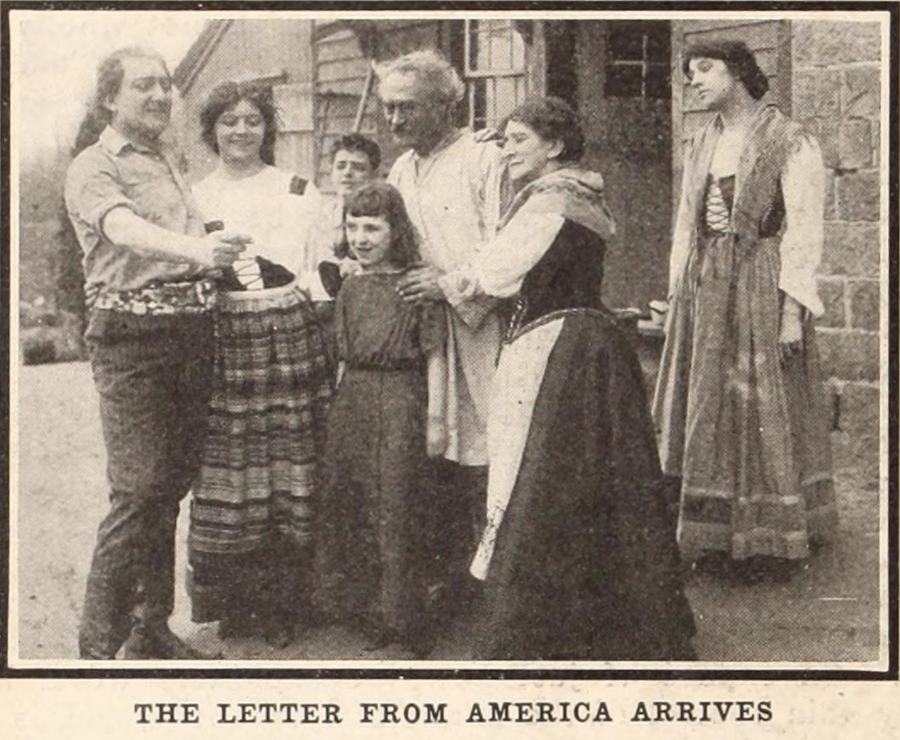
The cinematographer employs chiaroscuro lighting to great effect, allowing the darkness of the city’s alleys to swallow characters whole, only to be pierced by shafts of amber light that symbolize fleeting hope. One memorable sequence—Jonas trudging through a snow‑laden tenement courtyard—uses low‑angle shots to amplify his isolation, while the camera’s slow pan across the dilapidated façade of a boarding house reinforces the film’s thematic preoccupation with decay.
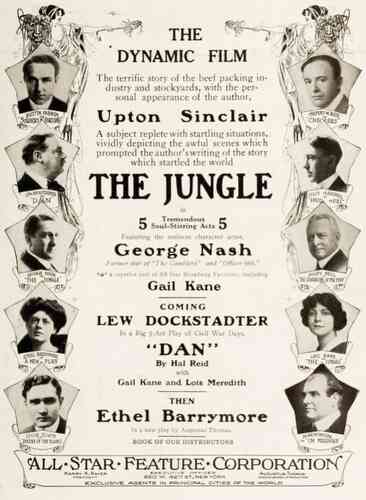
Sinclair’s influence is unmistakable. The screenplay’s unflinching critique of unchecked capitalism mirrors the author’s own exposé in the novel of the same name. Yet the film diverges by focusing less on the meat‑packing industry’s grotesque practices and more on the personal, intimate suffering of an individual caught in the economic tide. This shift from macro to micro invites viewers to contemplate the human cost behind statistical unemployment figures.
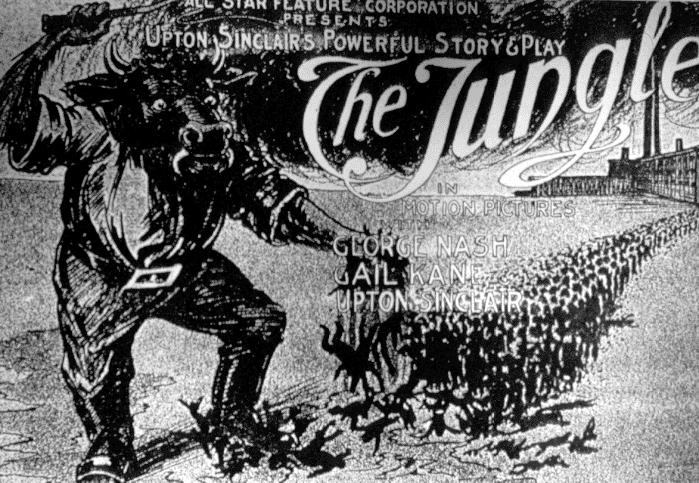
For those familiar with Charles Dickens’s Oliver Twist or Victor Hugo’s Les Misérables, The Jungle feels like a silent‑era cousin. All three narratives feature protagonists navigating oppressive social hierarchies, yet where Dickens and Hugo employ melodramatic flourishes, The Jungle opts for a stark, almost documentary‑like realism. The film’s visual austerity aligns it more closely with the naturalistic tone of Germinal; or, The Toll of Labor, reinforcing its place within the canon of early 20th‑century social cinema.
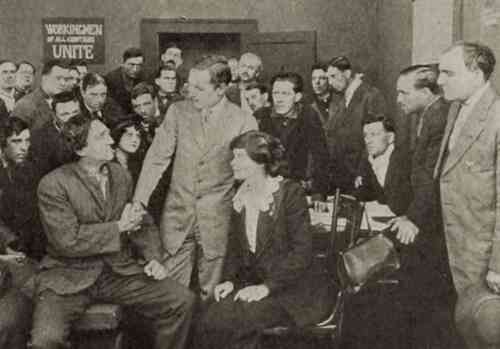
The plot unfolds in a series of escalating setbacks. After losing his job at the railway depot—a decision portrayed through a terse, almost bureaucratic boardroom scene—Jonas is forced to vacate his modest apartment. The subsequent eviction sequence, shot in a single long take, heightens the tension, allowing the audience to feel the claustrophobic panic of a family scrambling for belongings. The film’s pacing deliberately slows during moments of introspection, such as when Jonas sits alone on a park bench, his breath visible in the cold air, contemplating the moral compromises he may have to make.
Without spoken words, the intertitles assume a lyrical responsibility. They are crafted with a poetic cadence that mirrors the Lithuanian folk verses Jonas remembers from his homeland. One intertitle reads, “In the city’s iron veins, the heart of a man beats against the clang of indifference.” Such phrasing elevates the film beyond mere melodrama, inviting viewers to engage with its philosophical undercurrents.
The set designers reconstructed a faithful representation of Chicago’s immigrant neighborhoods, complete with cramped tenements, bustling street markets, and the looming presence of the Chicago River’s industrial warehouses. Props such as weather‑worn wooden crates, rusted tools, and hand‑stitched garments lend an air of authenticity that grounds the story in a tangible reality.
Though the film itself is silent, contemporary screenings often feature a live piano accompaniment that weaves a somber, minor‑key motif throughout Jonas’s descent. The music’s ebb and flow mirrors the protagonist’s emotional tides, reinforcing the narrative’s melancholy without a single spoken line.
While The Jungle never achieved the box‑office heights of its contemporaries, its influence reverberates in later works that explore immigrant hardship, such as The Land of Promise and The Keys to Happiness. Film scholars often cite it as an early exemplar of socially engaged cinema, predating the more overtly political narratives of the 1930s.
In an era where discussions of immigration policy and economic inequality dominate headlines, The Jungle remains startlingly relevant. Its unvarnished portrayal of a man forced to choose between moral compromise and survival resonates with contemporary audiences facing similar dilemmas. The film’s stark visual language, coupled with powerful performances and a script steeped in social conscience, ensures its place as a vital artifact of early American cinema. For anyone interested in the intersection of art, politics, and human endurance, this silent masterpiece offers a compelling, thought‑provoking experience that lingers long after the final frame fades to black.
IMDb —
1929
Community
Log in to comment.